Menu

Wet Spots in Yard in Washington, D.C. – Expert Underground Leak Detection and Permanent Repair

When soggy patches appear in your lawn, you need precision diagnostics to find hidden water line breaks before they flood your foundation or spike your water bill.

Slider Image 1
Slider Image 2
Slider Image 3
Slider Image 4
Slider Image 5
Slider Image 7
Slider Image 8
Slider Image 9
Slider Image 10
Slider Image 11

Why Your Yard Is Waterlogged in Washington, D.C.

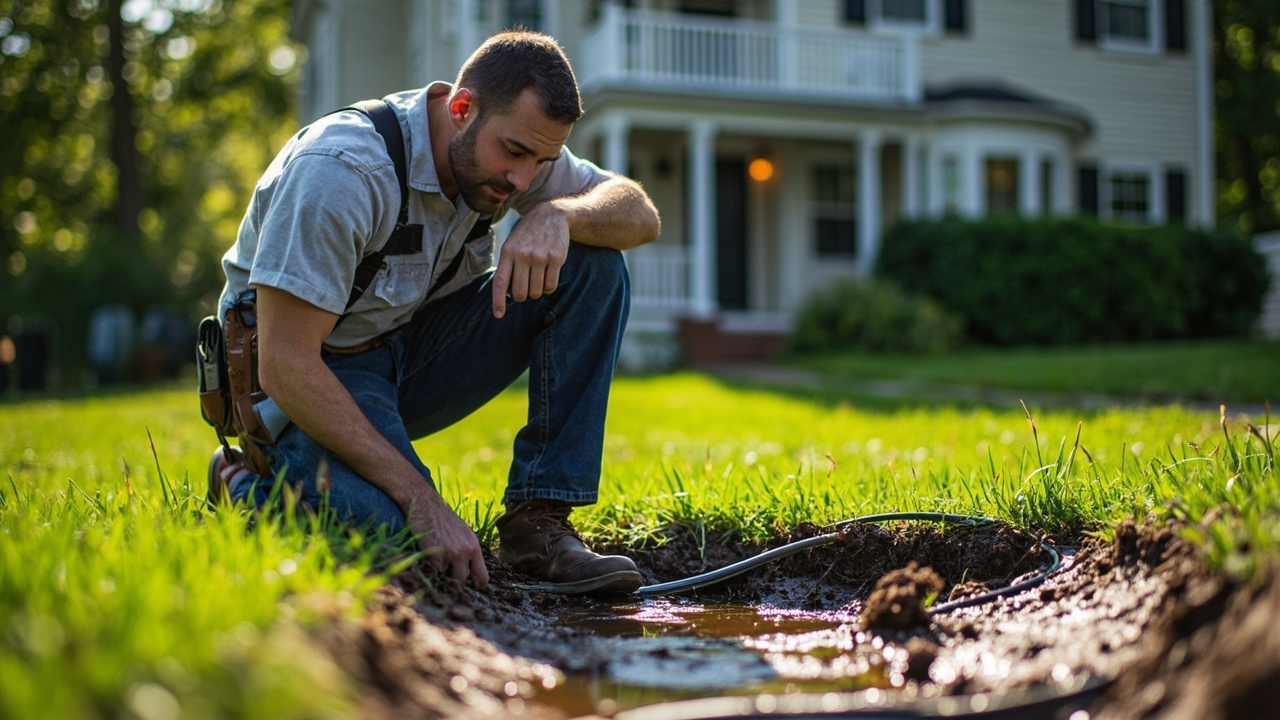
You walk across your lawn and feel the squish. A damp spot near the driveway that never dries out. Pooling water in your yard after days without rain. These soggy patches in your lawn are not normal. They signal an underground plumbing failure.

Washington, D.C.'s clay-heavy soil compounds the problem. When a water line ruptures beneath the surface, the dense clay traps the water instead of letting it drain naturally. The result is unexplained standing water that saturates your grass, kills your landscaping, and creates a muddy mess you cannot ignore.

The timing matters. D.C.'s freeze-thaw cycles stress aging galvanized pipes and outdated copper lines. As winter temperatures drop below freezing, water inside the pipe expands. When spring arrives, those micro-fractures become full breaks. You notice the saturated areas in grass first, but the real damage is happening underground.

Tree roots are another culprit specific to older D.C. neighborhoods like Capitol Hill and Georgetown. Mature oaks and maples send roots toward water sources. When those roots invade your main water line or sewer lateral, the pipe cracks. Water escapes. Your yard floods.

Ignoring damp spots in your lawn leads to foundation settlement, slab cracks, and water bills that double overnight. The longer you wait, the worse the erosion becomes. You need someone who can pinpoint the exact location of the leak without tearing up your entire yard.

Why Your Yard Is Waterlogged in Washington, D.C.
How We Find and Fix Underground Leaks Without Guesswork

How We Find and Fix Underground Leaks Without Guesswork

Crestline Plumbing Washington DC does not dig randomly. We use acoustic leak detection equipment that listens for the distinct sound signature of pressurized water escaping from a pipe. This technology isolates the leak to within inches, even when the line is buried four feet deep under your lawn.

We pair acoustic detection with thermal imaging cameras. When water seeps into soil, it changes the ground temperature. The camera shows us cold spots that correspond to active leaks. This dual approach eliminates the guesswork and minimizes excavation.

Once we confirm the leak location, we assess the pipe material and condition. If you have outdated galvanized steel lines common in pre-1970s D.C. homes, we recommend a full section replacement rather than a temporary patch. Galvanized pipe corrodes from the inside out. Fixing one spot does not stop the next failure six months later.

For copper lines, we evaluate whether the break is isolated or part of a systemic problem caused by soil acidity or stray electrical currents. D.C.'s older electrical infrastructure can cause electrolysis, which corrodes copper pipe at an accelerated rate. If we see pitting across multiple sections, we discuss rerouting or upgrading to PEX piping that resists corrosion.

We trench only where necessary, hand-digging around gas lines and electrical conduits. After we replace the damaged section, we pressure-test the entire line to verify the repair holds at full city water pressure. You get documentation of the test results before we backfill and restore your lawn.

What Happens When You Call About Wet Spots

Wet Spots in Yard in Washington, D.C. – Expert Underground Leak Detection and Permanent Repair
01

Initial Leak Assessment

We arrive with leak detection equipment and walk your property to map all visible wet areas. You show us where the saturation is worst. We check your water meter to confirm active flow when all fixtures are off, which tells us immediately if you have a pressurized line break. This baseline assessment determines whether the issue is a water supply line, sewer lateral, or surface drainage problem.
02

Precision Leak Locating

We deploy acoustic sensors along the suspected pipe route and use ground-penetrating radar to confirm pipe depth and trajectory. The thermal camera scans for temperature anomalies. Within 30 minutes, we mark the exact leak location with spray paint. You see the evidence on the monitor before we break ground. This step prevents unnecessary digging and protects your landscaping from collateral damage.
03

Excavation and Repair

We excavate a narrow trench directly over the marked location, exposing the damaged pipe section. If the pipe material is outdated or showing signs of widespread corrosion, we replace the entire run to the main shut-off. We install new fittings, backfill with clean fill dirt, and compact in layers to prevent settling. Your yard is left grade-level and ready for sod or seed.

Why Washington, D.C. Homeowners Trust Us With Underground Plumbing

You cannot see what is happening four feet underground. That uncertainty makes hiring a plumber for a buried leak stressful. You worry about getting overcharged for unnecessary work or dealing with a company that tears up your yard and still does not fix the problem.

Crestline Plumbing Washington DC operates differently. We show you the leak on our equipment screen before we dig. You see the thermal signature or hear the acoustic ping. This transparency removes the doubt.

We know D.C.'s plumbing infrastructure. Homes in Dupont Circle and Shaw have different pipe configurations than new builds in Navy Yard. Older rowhouses share water laterals with adjacent properties, which complicates leak tracing. We have worked in every ward of the city and understand how cast iron, galvanized steel, and copper behave in D.C.'s soil conditions.

Our trucks carry replacement pipe in multiple materials so we can adapt to what your system needs. If we find corroded galvanized pipe, we do not patch it with a SharkBite fitting that will fail in six months. We replace the compromised section with PEX or copper, matching the rest of your system for long-term reliability.

We also coordinate with DC Water when the leak is on the public side of your meter. Many homeowners do not realize they are responsible for the service line from the street to their house. If the leak is on your section, we handle the repair. If it is on the city side, we document it and help you file the service request. You do not waste time calling the wrong agency.

You get a written repair summary with photos of the damaged pipe, the new materials installed, and the pressure test results. That documentation protects you if you sell the house or need to file an insurance claim for water damage.

What to Expect When We Repair Your Underground Leak

Same-Day Leak Detection

We prioritize underground leak calls because the water loss adds up fast. Most leak detection appointments happen within 24 hours of your call. We arrive with all diagnostic equipment on the truck, so there is no delay waiting for a specialist or rented gear. If we locate the leak before noon and the repair is straightforward, we can complete the excavation and pipe replacement the same day. You are not left with a flooded yard for a week while waiting for a follow-up appointment.

Transparent Leak Diagnosis

You do not pay for guesswork. Before we dig, we walk you through what the leak detection equipment is showing us. You see the acoustic graph, the thermal image, or the moisture meter reading. We explain whether the leak is on your water supply line, your sewer lateral, or something else entirely. If the problem is a simple irrigation line instead of a main water line, we tell you upfront so you are not overcharged for a major excavation. You approve the repair plan before we start work.

Clean, Targeted Excavation

We dig a trench only as wide as necessary to access the damaged pipe. If the leak is under your driveway or walkway, we use a concrete saw to cut a clean line and preserve the surrounding hardscape. After the repair, we backfill with compacted fill dirt in six-inch lifts to prevent future settling. Your yard is restored to grade level, and we haul away all excavated soil and debris. You do not end up with a mud pit or a sinking trench six months later.

Post-Repair Pressure Testing

Every underground repair includes a pressure test before we close the trench. We isolate the repaired section and pressurize it to 150 PSI, which exceeds normal city water pressure. The line must hold that pressure for 15 minutes with zero drop. This test confirms the new joints are watertight and the surrounding pipe is structurally sound. You get a printed test report with the date, pressure readings, and pass/fail result. If any follow-up issues arise within the first year, we return at no additional charge to verify the repair integrity.

Frequently Asked Questions

You Have Questions,
We Have Answers

How do I fix a wet spot in my yard? +

First, identify the source. Check for broken sprinklers, leaking pipes, or downspouts directing water toward the spot. In Washington, D.C., clay-heavy soil compounds drainage issues. If the wet spot persists after ruling out leaks, you likely need regrading or a French drain to redirect water away from the area. Aerating compacted soil helps improve absorption. For persistent wet spots near your foundation or basement, call a licensed plumber to inspect underground pipes. Small surface issues can be fixed with topsoil and better drainage, but chronic saturation usually signals a plumbing leak or failing sewer line.

What causes wet spots in the yard? +

Wet spots come from poor drainage, broken water lines, leaking sewer pipes, or faulty irrigation systems. Washington, D.C.'s clay soil does not drain well, trapping water near the surface. Downspouts dumping water too close to the house create pooling. Underground pipe leaks are common culprits, especially in older homes with galvanized or cast iron piping. Sewer line cracks allow wastewater to seep into soil, creating persistent wet patches. If the spot smells foul or grows faster than surrounding grass, you have a sewer leak. A plumber can run a camera inspection to pinpoint the source.

How to fix a muddy spot in yard? +

Stop watering the area and let it dry out. If the mud persists, you have a drainage or leak problem. In Washington, D.C., compacted clay soil creates muddy conditions after rain. Aerate the soil to improve water infiltration. Add a layer of sand or gravel to break up clay content. If the mud stays saturated year-round, install a French drain or regrade the slope to direct water away. Persistent muddy spots near your water meter or along the sewer line route signal a leak. A plumber can pressure test your lines to confirm.

How to fix water runoff in yard? +

Redirect downspouts at least six feet from your foundation using extensions or underground drains. Regrade slopes away from the house at a two percent grade minimum. Install a French drain or dry creek bed to channel runoff. In Washington, D.C., heavy summer storms overwhelm poor drainage quickly. If runoff flows from neighboring properties, consider a swale or catch basin. Permeable pavers help reduce surface water accumulation. If regrading does not solve it, you may have a broken pipe adding water to the problem. A plumber can inspect underground lines for leaks.

How do I fix a swampy area in my yard? +

Swampy areas result from poor drainage or underground leaks. Start by checking for broken pipes or sewer lines. Washington, D.C.'s clay soil holds water, making natural drainage slow. Install a French drain with perforated pipe and gravel to pull water away from the swampy zone. Raise the area with fill dirt and topsoil if regrading is possible. Plant water-tolerant vegetation like river birch if the swamp cannot be eliminated. If the area smells like sewage or stays wet during dry weather, you have a sewer leak. Call a plumber immediately.

Who is responsible for water leaks outside the house? +

You are responsible for water lines from the meter to your house and all indoor plumbing. DC Water owns the main water line up to the meter. If a leak occurs between the main and the meter, DC Water handles it. If the leak is past the meter, you pay for repairs. Sewer laterals from your house to the main connection are also your responsibility. Homeowners insurance may cover sudden pipe bursts but not gradual leaks. If you see a wet spot near the property line, contact DC Water first to rule out main line issues.

What to put on the ground to absorb water? +

Sand and gravel improve drainage in clay soil but do not absorb water. Organic mulch like shredded hardwood helps retain moisture in dry areas but will not fix saturation. In Washington, D.C., adding topsoil mixed with compost can improve soil structure. For severe pooling, install French drains filled with gravel to channel water away. Do not use dirt alone to cover wet spots. It masks the problem without fixing the source. If the ground stays saturated despite amendments, you likely have a broken pipe. A plumber can locate the leak.

Should you still water your lawn in October? +

In Washington, D.C., October brings cooler temperatures and increased rainfall. Most lawns need less water as grass growth slows. If you have had a dry fall, water once per week to prevent stress before winter dormancy. Clay soil retains moisture longer, so check soil moisture before watering. Overwatering in fall creates fungal problems and compaction. If your lawn stays wet without rain, check for leaking sprinklers or underground pipe breaks. Wet spots appearing suddenly in October often signal irrigation line failures as temperatures drop and pipes shift.

Does dew on the grass mean no rain? +

No. Dew forms when night temperatures drop and moisture condenses on grass. It has no correlation to incoming rain. In Washington, D.C., high humidity creates heavy dew even during dry spells. You can see dew on clear mornings with zero chance of rain. If your yard has dew in isolated spots only, you may have a sprinkler leak or broken pipe adding moisture overnight. Persistent wet patches that look like dew but never dry indicate underground leaks. A plumber can inspect your irrigation system and water lines to rule out leaks.

How Washington, D.C.'s Clay Soil and Aging Infrastructure Create Hidden Plumbing Failures

Washington, D.C. sits on dense Coastal Plain clay that does not drain well. When an underground water line breaks, the clay traps the escaping water instead of absorbing it. This creates hydrostatic pressure that forces water upward, forming those persistent soggy patches in your lawn. The problem worsens in spring when snowmelt saturates the ground. Your wet spots grow larger because the soil cannot handle the additional moisture. Older neighborhoods with cast iron sewer laterals face a second issue. Tree roots exploit the joints in those pipes, causing cracks that let groundwater infiltrate. You see pooling water in your yard, but the real damage is happening underground where soil is eroding around the pipe.

D.C. has some of the oldest residential plumbing in the country. Rowhouses in Logan Circle and Capitol Hill often have original galvanized steel pipes installed before World War II. Those pipes are now 80-plus years old and corroding from the inside. When you hire a plumber for wet spots in your yard, you need someone who understands how to navigate shared property lines, knows where the water main shut-offs are located in century-old basements, and can distinguish between a private lateral and a DC Water service line. Crestline Plumbing Washington DC works in these neighborhoods daily. We know the difference between a problem you own and a problem the city owns, and we help you avoid paying for repairs that are not your responsibility.
Plumbing Services in The Washington DC Area

Our service area is conveniently located to provide fast and efficient plumbing solutions to residents and businesses throughout the Washington DC area. We are dedicated to ensuring that no matter where you are, a trusted and reliable plumber is just a call away. Our map provides a visual representation of our service coverage, helping you to quickly and easily locate our trusted team.

Address:
Crestline Plumbing Washington DC, 1140 3rd St NE, Washington, DC, 20002

Additional Services We Offer

Our news updates

Latest Articles & News from The Blogs

Deciding Between a Tankless or Storage Tank Water Heater for Your Growing Family in Fort Davis Choosing the right water…

Deciding Between a Tankless or Storage Tank Water Heater for Your Growing Family in Fort Davis

Deciding Between a Tankless or Storage Tank Water Heater for Your Growing Family in Fort Davis Choosing the right water…

The Challenges of Adding a Sink to Your Kitchen Island in a Brentwood Rowhome

The Challenges of Adding a Sink to Your Kitchen Island in a Brentwood Rowhome Adding a sink to your kitchen…

How to Choose Between a Vertical and Horizontal Grease Interceptor for Your Navy Yard Restaurant

How to Choose Between a Vertical and Horizontal Grease Interceptor for Your Navy Yard Restaurant Running a restaurant in Navy…

Contact Us

Your water meter is spinning. Your yard is flooding. Call Crestline Plumbing Washington DC at (771) 223-8111 right now. We will locate the leak, show you the evidence, and fix it right the first time.