
Menu

Garbage Disposal Services in Washington, D.C. – Expert Repair, Installation, and Replacement for Every Kitchen

From quick repairs to complete food waste disposer replacements, Crestline Plumbing Washington DC handles every garbage disposal challenge with precision diagnostics and skilled service for homes and businesses throughout the District.

Slider Image 1
Slider Image 2
Slider Image 3
Slider Image 4
Slider Image 5
Slider Image 7
Slider Image 8
Slider Image 9
Slider Image 10
Slider Image 11

Why Washington, D.C. Homes Face Unique Garbage Disposal Challenges

The District's aging housing stock creates specific problems for kitchen plumbing systems. Row houses built before 1950 often feature undersized drain lines that cannot handle modern garbage disposal loads. When you grind coffee grounds or fibrous vegetables through an older disposal unit, those narrow 1.5-inch drain pipes clog fast.

Hard water is another factor. Washington, D.C. pulls its water from the Potomac River and relies on treatment plants that produce moderately hard water. Over time, mineral buildup corrodes disposal components, particularly the mounting flange and impeller plate. You might notice water pooling under your sink or a metallic grinding sound during operation.

Historic districts add complexity. If you live in Georgetown or Capitol Hill, your Victorian or Federal-style row house may have galvanized steel drain lines that corrode from the inside out. When you need garbage disposal installation in these properties, the work often requires adapting modern units to outdated plumbing configurations.

Commercial kitchens face different pressures. Restaurant operators in Penn Quarter or Shaw run continuous feed disposers that process hundreds of pounds of food waste daily. When a unit fails during dinner service, you lose prep capacity and risk health code violations.

Whether you need garbage disposal repair for a jammed impeller or complete garbage disposal replacement after years of service, understanding how local infrastructure affects performance helps prevent repeat failures. The combination of old pipes, hard water, and high-density living creates a specific set of failure patterns that require local expertise to address properly.

Why Washington, D.C. Homes Face Unique Garbage Disposal Challenges
How Professional Garbage Disposal Service Prevents Costly Drain Damage

How Professional Garbage Disposal Service Prevents Costly Drain Damage

Most disposal failures start small. A slow drain, a faint humming noise, or a slight leak from the mounting assembly. Ignoring these signals leads to catastrophic problems like cracked drain lines, backed-up dishwashers, or water damage to cabinet bases.

We begin every service call with a drain line assessment. Before removing a failed unit, we run a camera inspection to check the condition of your P-trap and horizontal drain run. This reveals hidden problems like root intrusion in basement drain lines or corroded cast iron pipes that will fail under the vibration of a new disposal.

For garbage disposal installation, we match unit capacity to your household size and plumbing configuration. A standard 0.5-horsepower disposal works fine for a single person in a Columbia Heights condo. A family of four in a Chevy Chase home needs at least 0.75 horsepower with stainless steel grinding components to handle higher volume and fibrous waste.

Mounting matters more than people realize. We check cabinet base strength before securing the mounting bracket. Particleboard cabinets common in 1980s construction cannot support heavier disposals without reinforcement. We add plywood backing plates to distribute load and prevent the unit from sagging over time.

Electrical connections require precision. Disposal motors draw 5 to 8 amps under load. We verify your circuit can handle the demand and install dedicated GFCI protection if your kitchen lacks proper ground fault protection. Improper wiring causes nuisance trips and premature motor failure.

For food waste disposer services in commercial settings, we focus on drain line capacity and grease management. A batch feed disposal in a small café prevents silverware from entering the grinding chamber, reducing service calls and protecting your drain lines from metal debris.

What Happens During Your Disposal Service Call

Garbage Disposal Services in Washington, D.C. – Expert Repair, Installation, and Replacement for Every Kitchen
01

Initial Diagnostic Assessment

We test the disposal motor with a multimeter to check continuity and amperage draw. If the unit hums but will not spin, the flywheel is jammed or the motor winding has failed. We check the reset button, inspect the mounting flange for leaks, and run water through the system to identify drain restrictions. This diagnostic takes 10 to 15 minutes and determines whether you need repair or replacement.
02

Repair or Replacement Work

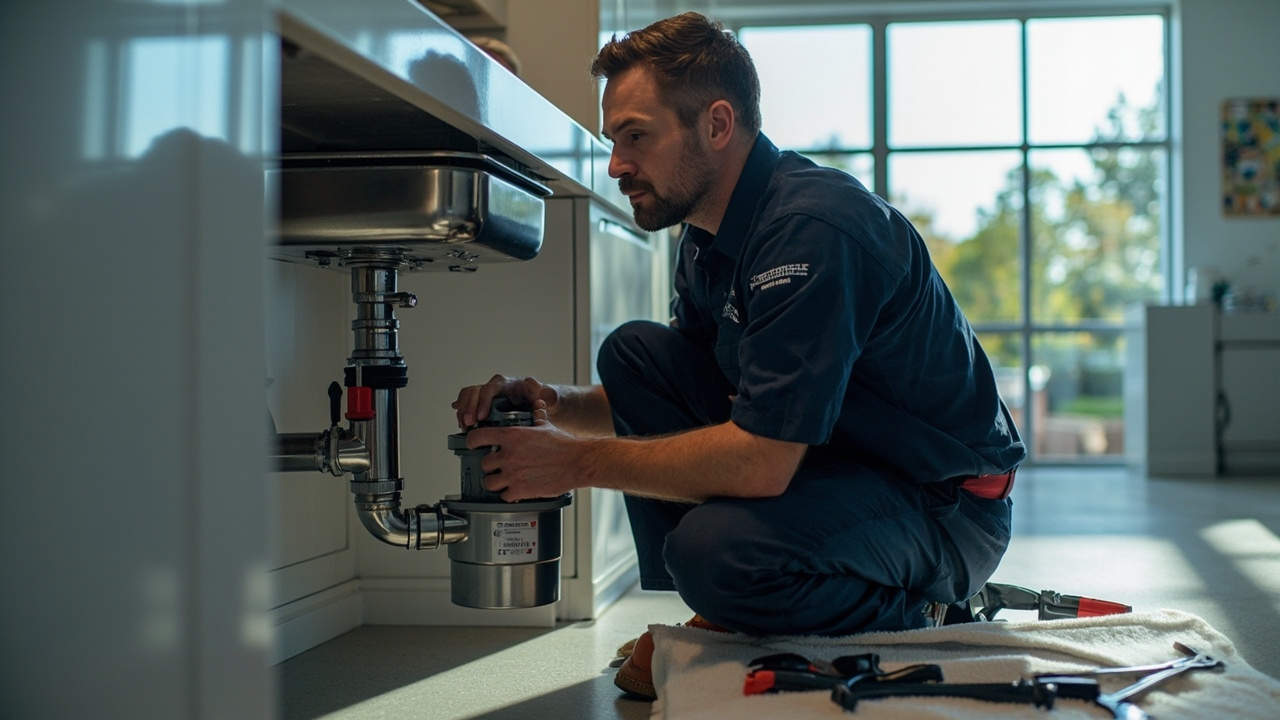
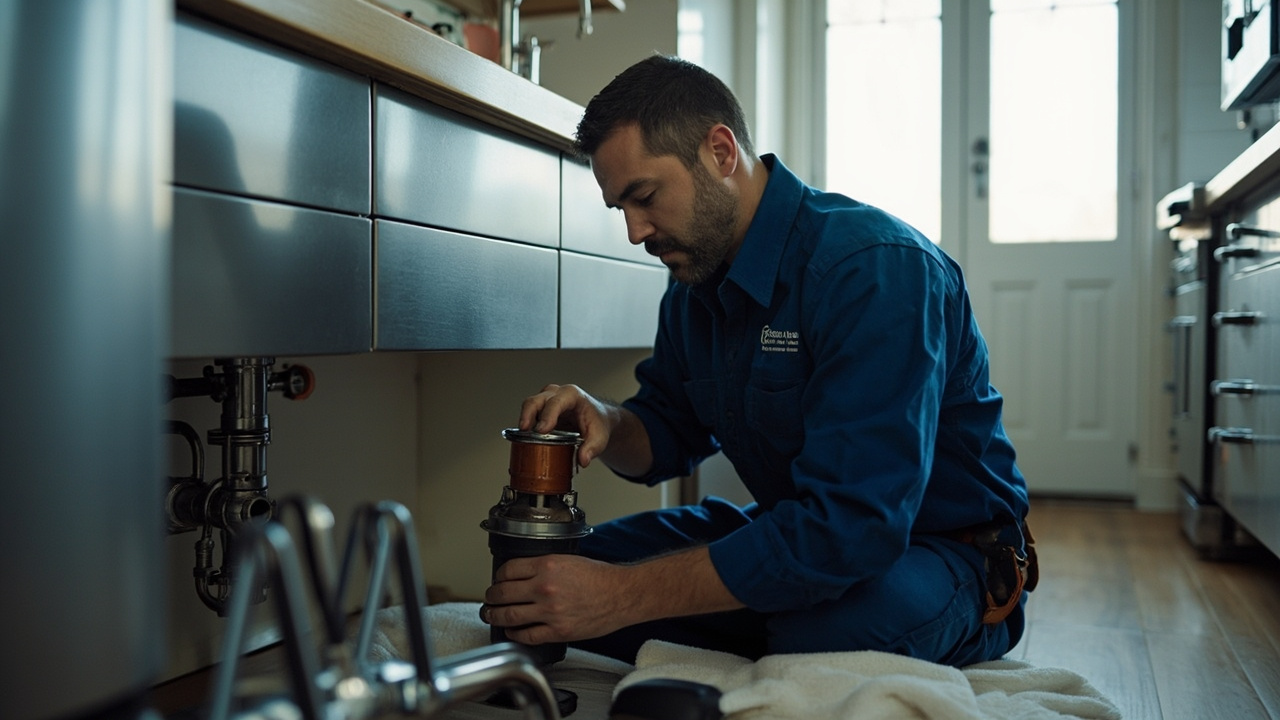
For repairs, we clear jams using the Allen wrench socket at the base of the unit, replace worn splash guards, or tighten leaking mounting flanges with plumber's putty. For garbage disposal replacement, we disconnect the drain lines and dishwasher tailpiece, remove the old unit, install a new mounting assembly, and secure the disposal with the snap ring. We reconnect electrical under the sink and test the system thoroughly before finishing.
03

Testing and Client Education

We run the disposal for three full minutes with cold water flowing to verify smooth operation and check for vibration or leaks. You learn what materials to avoid, like potato peels and pasta, which create starchy paste that clogs drain lines. We show you how to use the reset button and explain the breaker location. This prevents panic during minor jams and extends the life of your new unit.

Why Washington, D.C. Property Owners Choose Local Disposal Experts

National chains send technicians who lack experience with the District's unique plumbing challenges. They cannot adapt installations to row house configurations or work within the constraints of historic preservation requirements. You end up with generic solutions that fail within months.

Crestline Plumbing Washington DC techs know the difference between a Dupont Circle co-op and a Navy Yard new construction. We have installed disposals in buildings where the main drain line sits 18 inches behind the wall, requiring extended tailpieces and custom trap configurations. We have replaced units in basement kitchens where the disposal must pump upward to reach the building's main stack.

We stock parts for every major disposal brand. When you have a leaking InSinkErator flange on a Sunday morning, we carry replacement gaskets and snap rings on every truck. You do not wait three days for an ordered part while water damages your cabinet base.

Our familiarity with D.C. Water standards matters during commercial installations. Health department inspectors expect specific clearances and backflow prevention devices on food waste disposer services in restaurant settings. We install to code the first time, preventing reinspection delays and fines.

We also understand the load limitations of older electrical systems. Georgetown row houses often have 100-amp service panels with limited circuit availability. We assess your electrical capacity before recommending a disposal size, preventing breaker overloads and the need for expensive panel upgrades.

Local knowledge prevents repeat failures. We recognize when corroded galvanized drain lines require replacement before installing a new disposal. This upfront honesty saves you from paying twice when your disposal backs up because the drain line collapsed three months after installation.

What You Can Expect From Professional Disposal Service

Same-Day Service Availability

Most garbage disposal repairs take 45 minutes to complete. We arrive with common replacement parts, including reset switches, mounting flanges, and splash guards. For garbage disposal installation, the work takes 90 minutes to two hours, depending on drain line modifications. We schedule morning or afternoon windows and call 30 minutes before arrival. Emergency calls get priority dispatch, with techs arriving within two to four hours. You regain full kitchen function the same day in most cases.

Thorough Performance Evaluation

We do not guess at problems. Before any work begins, we test electrical continuity, check for mechanical jams, and inspect the drain connection for blockages. We run a sink basin test to ensure proper drainage and identify slow-moving traps that will cause future backups. If your dishwasher connects to the disposal, we verify the knockout plug was removed and the connection is secure. This diagnostic approach identifies root causes instead of treating symptoms, preventing callback visits and wasted money on unnecessary parts.

Reliable, Long-Term Performance

Quality installation determines disposal lifespan. We use stainless steel mounting hardware in place of the stamped steel components that come in box store kits. We apply plumber's putty correctly to create a watertight seal at the sink flange. We secure electrical connections with wire nuts and strain relief fittings, preventing loose wires that cause intermittent operation. You get a disposal that runs quietly, drains completely, and handles daily use without constant resets or jams. Proper installation means 8 to 12 years of service instead of 3 to 4 years.

Ongoing Support and Maintenance Guidance

We provide clear instructions on proper disposal use. You learn to run cold water before, during, and after grinding to flush waste completely through your drain lines. We explain which foods cause problems, like eggshells and coffee grounds, which create sediment that accumulates in P-traps. We show you the reset button location and teach you how to manually rotate the flywheel using the Allen wrench socket. This knowledge prevents emergency calls for simple jams. We also offer annual drain line flushing to remove buildup before it causes slow drainage or backups.

Frequently Asked Questions

You Have Questions,
We Have Answers

What is the average cost to remove a garbage disposal? +

Removing a garbage disposal in Washington, D.C. typically runs between $75 and $200, depending on your plumber's labor rate and the complexity of your setup. Older homes in neighborhoods like Capitol Hill or Georgetown may have corroded mounting hardware or non-standard plumbing connections, which increases labor time. The removal itself takes 30 to 60 minutes for a straightforward job. If you need the sink drain reconfigured afterward to restore standard basket strainer functionality, expect additional charges for parts and time. Always get a flat-rate quote upfront to avoid surprises.

Who will haul away junk for free near me? +

Several Washington, D.C. programs offer free junk haul-away for specific items. The Department of Public Works provides curbside bulk trash pickup twice per year for residents, which includes small appliances and furniture. For broken garbage disposals or metal scrap, some recyclers will collect ferrous metals at no charge. Habitat for Humanity ReStores accept working appliances and reusable materials. Local waste haulers occasionally run promotions for free pickups, but verify restrictions. Free services have limits, so confirm item eligibility before scheduling. Large-volume cleanouts or hazardous materials always require paid removal.

How much does it cost to get a garbage disposal repair? +

Garbage disposal repair costs in Washington, D.C. range from $100 to $250, depending on the issue. Simple fixes like resetting a tripped breaker or clearing a jam take 15 to 30 minutes and cost less. Replacing a leaking gasket or tightening mounting bolts runs mid-range. Motor burnout or flywheel damage usually means replacement is more cost-effective. Homes in older D.C. neighborhoods with outdated electrical panels may need additional diagnostic time. A qualified plumber will assess whether repair or replacement makes financial sense. Always request a diagnosis fee that applies toward the final bill.

How much does a plumber charge to clean a garbage disposal? +

Plumbers in Washington, D.C. typically charge $125 to $200 to clean a garbage disposal, including the service call. This involves disassembling the splash guard, removing accumulated sludge and food debris, inspecting the grinding chamber, and flushing the drain line. Hard water deposits from the Potomac Aqueduct can accelerate buildup, requiring descaling agents. If the clog extends into the P-trap or branch drain line, expect higher charges for additional snaking or hydro-jetting. Regular maintenance every 12 to 18 months prevents costly backups and extends unit life. Flat-rate pricing eliminates hourly rate surprises.

How much should I pay to have a new garbage disposal installed? +

Installing a new garbage disposal in Washington, D.C. costs between $200 and $500, including the unit and labor. Basic 1/3-horsepower models suit small households, while 3/4-horsepower units handle larger families and tougher waste. Installation takes 1 to 2 hours for standard sink configurations. Older homes in D.C. may require new electrical circuits or outlet installation if code compliance is outdated, adding $150 to $300. Homes on shared plumbing stacks in row houses need careful venting verification. Choose a unit with stainless steel grinding components for longevity in high-humidity D.C. climates.

How many years should a garbage disposal last? +

A garbage disposal should last 8 to 15 years with proper use and maintenance. Lifespan depends on motor quality, frequency of use, and what you grind. Units in D.C. homes face hard water mineral deposits that accelerate wear on seals and bearings. Running cold water during and after grinding, avoiding fibrous waste like celery or potato peels, and periodic cleaning extend longevity. Budget models last closer to 8 years, while commercial-grade units with stainless steel components reach 15 years. Persistent leaks, loud grinding noises, or frequent resets signal replacement time.

What is the minimum price for junk removal? +

Minimum junk removal pricing in Washington, D.C. starts around $100 for small loads, typically a quarter truckload or less. This covers a single large item like a broken appliance or a few bags of debris. Volume-based pricing increases with load size, with half-truck loads running $200 to $300. Labor-intensive jobs like basement cleanouts or items requiring dismantling cost more. Municipal bulk trash pickup through the Department of Public Works is free but limited to twice yearly and has item restrictions. For immediate removal or large volumes, paid services offer convenience and flexible scheduling.

How many aluminum cans do you need to make $100? +

You need roughly 1,850 aluminum cans to make $100 at current scrap rates. Aluminum trades around 50 to 60 cents per pound, and a standard 12-ounce can weighs about 0.5 ounces, yielding 32 cans per pound. This means 1,850 cans equals approximately 58 pounds. Prices fluctuate with commodity markets, so check local D.C. scrap yards like those near the Anacostia River for updated rates. Transporting and sorting this volume takes significant time and space. Recycling aluminum cans benefits the environment, but monetary return is modest for casual collectors.

Is free junk removal really free? +

Free junk removal comes with conditions. Legitimate services offering no-cost haul-away target specific recyclable or resellable items like working appliances, metal scrap, or reusable furniture. They profit by reselling or scrapping materials. Washington, D.C. municipal bulk trash pickup is genuinely free for residents twice yearly but requires scheduling and has item limits. Be cautious of scams demanding payment after loading or companies dumping items illegally. Verify credentials and reviews before booking. For mixed waste, construction debris, or hazardous materials, expect standard charges. Free rarely means unlimited or unrestricted removal.

Is it cheaper to repair or replace a garbage disposal? +

Replacement is usually cheaper than repair when the disposal is over 8 years old or the motor has failed. A new mid-range unit with installation costs $250 to $400, while diagnosing and repairing a worn motor or cracked housing runs $150 to $250 with no longevity guarantee. Minor issues like jams, leaks at the mounting gasket, or loose connections justify repair. Washington, D.C. plumbers recommend replacement if you face a second repair within a year. Upgrading to a higher-horsepower stainless steel model improves performance and adds years of reliable service.

How Washington, D.C. Building Codes Affect Garbage Disposal Installation

The District requires GFCI protection for all receptacles within six feet of a sink. Many older homes have disposals hardwired directly to a switch without proper ground fault protection. During garbage disposal replacement, we bring your electrical connection up to current code by installing GFCI protection at the breaker or using a GFCI receptacle under the sink. This prevents shock hazards from water contact with electrical components. Buildings constructed before 1978 may also have lead plumbing solder, which affects how we connect drain lines and requires specific procedures to prevent contaminating your water supply during sink disposal services.

Crestline Plumbing Washington DC maintains relationships with local building inspectors and stays current on D.C. plumbing code updates. We pull permits when required for commercial food waste disposer services and coordinate inspections to keep your project on schedule. Our familiarity with local supply houses means we source parts quickly, even for older disposal models discontinued by big box retailers. When you choose a plumber who works exclusively in the District, you get someone who understands the specific challenges of your neighborhood's infrastructure, from the clay soil that shifts foundation drains in Brookland to the shared waste lines common in Adams Morgan multi-unit buildings.
Plumbing Services in The Washington DC Area

Our service area is conveniently located to provide fast and efficient plumbing solutions to residents and businesses throughout the Washington DC area. We are dedicated to ensuring that no matter where you are, a trusted and reliable plumber is just a call away. Our map provides a visual representation of our service coverage, helping you to quickly and easily locate our trusted team.

Address:
Crestline Plumbing Washington DC, 1140 3rd St NE, Washington, DC, 20002

Additional Services We Offer

Our news updates

Latest Articles & News from The Blogs

Deciding Between a Tankless or Storage Tank Water Heater for Your Growing Family in Fort Davis Choosing the right water…

Deciding Between a Tankless or Storage Tank Water Heater for Your Growing Family in Fort Davis

Deciding Between a Tankless or Storage Tank Water Heater for Your Growing Family in Fort Davis Choosing the right water…

The Challenges of Adding a Sink to Your Kitchen Island in a Brentwood Rowhome

The Challenges of Adding a Sink to Your Kitchen Island in a Brentwood Rowhome Adding a sink to your kitchen…

How to Choose Between a Vertical and Horizontal Grease Interceptor for Your Navy Yard Restaurant

How to Choose Between a Vertical and Horizontal Grease Interceptor for Your Navy Yard Restaurant Running a restaurant in Navy…

Contact Us

Stop dealing with standing water and kitchen odors. Call Crestline Plumbing Washington DC now at (771) 223-8111 for same-day garbage disposal repair or installation. Our techs arrive prepared to solve your problem on the first visit.