Menu

Emergency Sewer Backup Cleanup in Washington, D.C. – 24/7 Raw Sewage Extraction and Immediate Damage Mitigation

When sewage floods your home or business, every minute counts. Crestline Plumbing Washington DC provides urgent sewage removal services with rapid response teams dispatched across Capitol Hill, Georgetown, and Dupont Circle to stop contamination and restore safety.

Slider Image 1
Slider Image 2
Slider Image 3
Slider Image 4
Slider Image 5
Slider Image 7
Slider Image 8
Slider Image 9
Slider Image 10
Slider Image 11

Why Sewer Backups Hit Washington, D.C. Properties Without Warning

You walk into your basement and the smell hits you first. Then you see it. Raw sewage pooling on your floor, climbing up the drain, soaking into drywall and carpet. Panic sets in.

Sewer backups in Washington, D.C. happen fast and without mercy. The District's aging combined sewer system, built in the late 1800s, was designed to carry both stormwater and wastewater. When heavy rains hit, the system overloads. Stormwater has nowhere to go except back up through your floor drains and toilets. Add in the clay soil common across neighborhoods like Brookland and Petworth, which shifts with seasonal moisture changes, and you get cracked lateral sewer lines that fail under pressure.

Tree roots from the District's mature street trees infiltrate these weakened pipes, creating total blockages. When the main sewer line clogs, everything you flush or drain has one place to go: back into your property.

This is not a DIY moment. Raw sewage contains E. coli, hepatitis A, and other pathogens. Contaminated water soaks into porous materials within minutes. Mold begins growing within 24 to 48 hours. The longer sewage sits, the more destruction it causes to flooring, framing, and HVAC systems.

Emergency raw sewage extraction must happen now. Waiting until morning or trying to mop it up yourself puts your health and property at risk. Immediate sewage spill mitigation stops the spread, removes hazardous waste, and begins the sanitization process before structural damage becomes permanent.

Why Sewer Backups Hit Washington, D.C. Properties Without Warning
How Professional Sewage Cleanup Stops Contamination and Saves Your Property

How Professional Sewage Cleanup Stops Contamination and Saves Your Property

Sewer backup restoration is not about mopping and hoping. It is a structured contamination control process that requires industrial extraction equipment, antimicrobial treatments, and containment protocols.

When you call for 24 hour sewer overflow cleaning, the first priority is stopping the source. If the backup is caused by a blockage in your building's lateral line, we deploy hydraulic jetters or cable augers to clear the obstruction. If the issue is in the main District sewer line or a collapsed pipe, we identify the failure point and coordinate emergency bypass or repair.

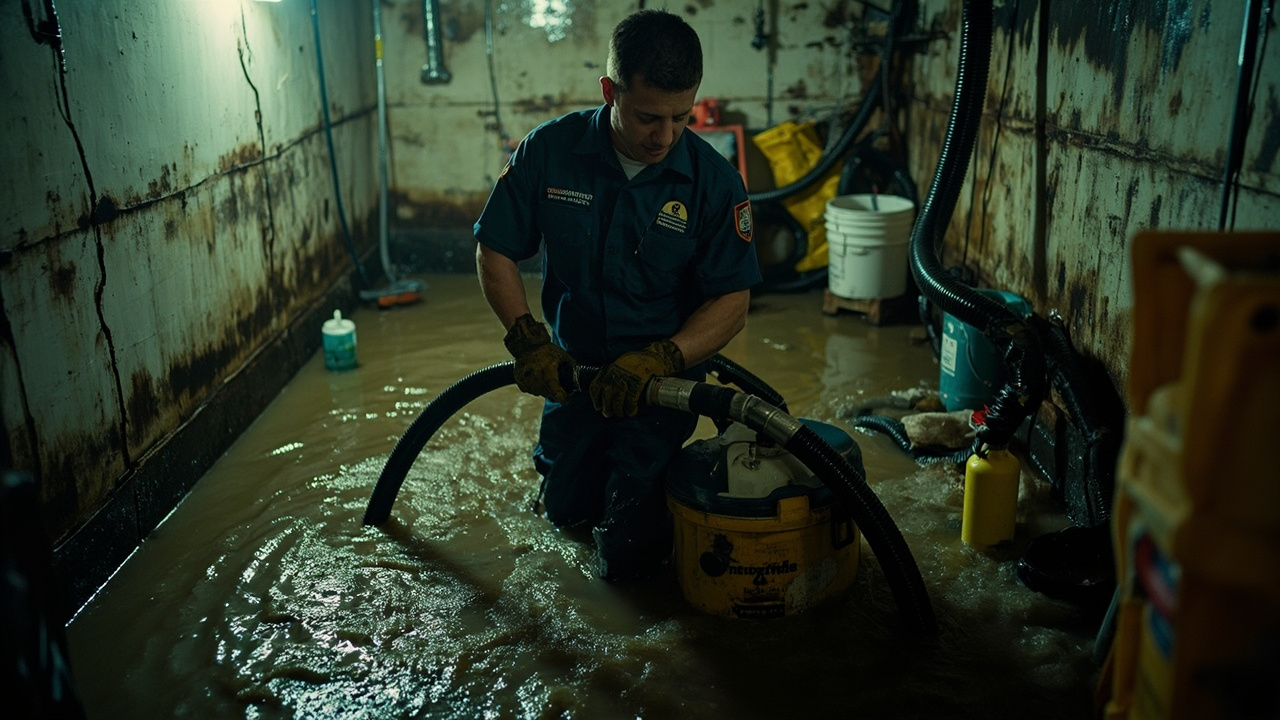
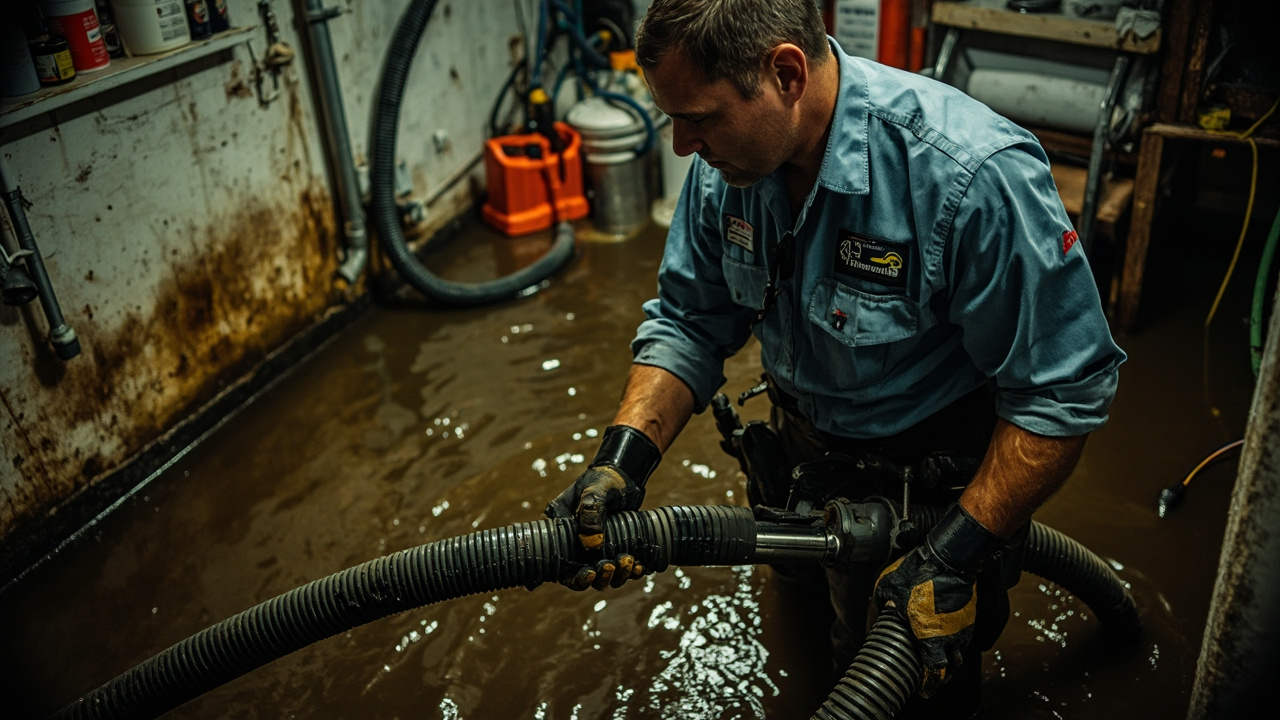
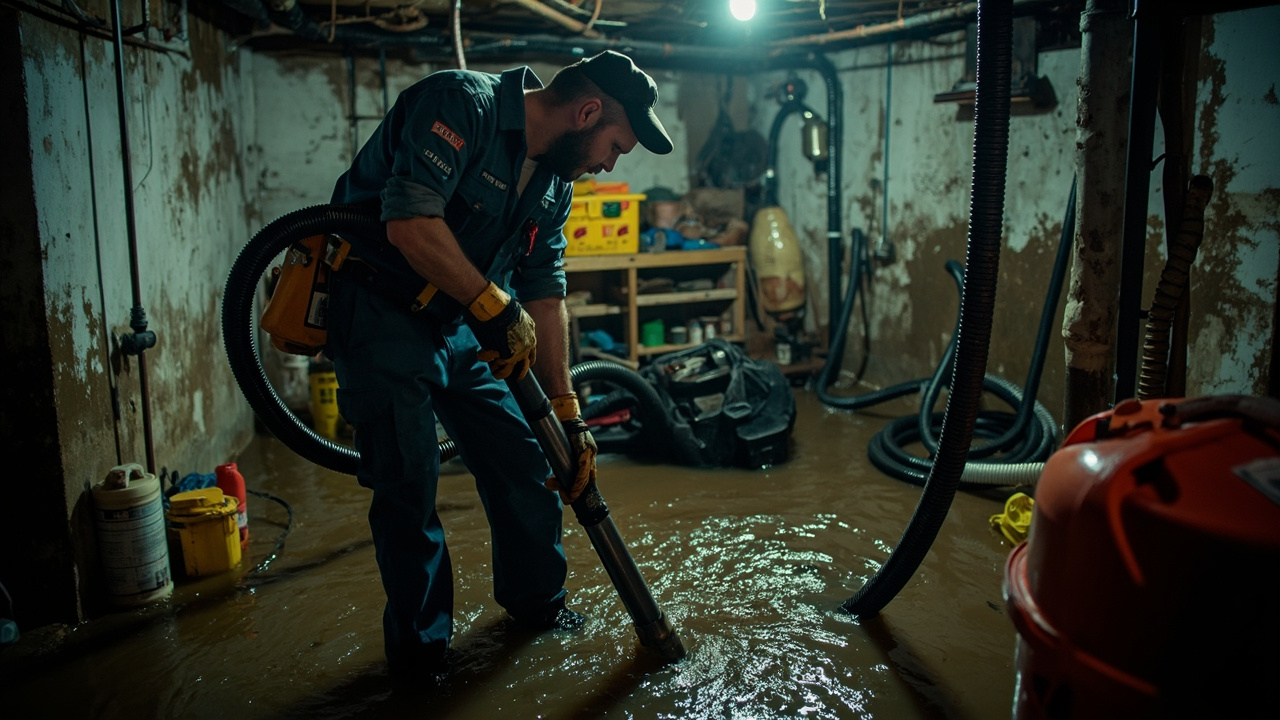
Once the flow stops, rapid sewer backup restoration begins with category 3 water extraction. This is black water, the most hazardous classification. We use truck-mounted extractors and submersible pumps to remove standing sewage from basements, crawlspaces, and slab foundations. Every gallon pulled out reduces contamination load.

Next comes debris removal. Anything porous that contacted sewage is evaluated. Drywall, insulation, carpet, and padding typically cannot be salvaged. We remove these materials to prevent microbial colonization and odor retention.

Then we sanitize. High-grade antimicrobial fogging treatments are applied to all affected surfaces, including subfloors, joists, and wall studs. We scrub concrete and tile with disinfectants rated for fecal pathogens.

Finally, we deploy commercial dehumidifiers and air movers to dry the structure completely. Moisture meters confirm when materials reach safe levels. This is not a surface fix. It is total environmental remediation designed to return your property to pre-loss condition and protect your family from biohazard exposure.

What Happens During Your Emergency Sewage Removal

Emergency Sewer Backup Cleanup in Washington, D.C. – 24/7 Raw Sewage Extraction and Immediate Damage Mitigation
01

Immediate Dispatch and Containment

You call our emergency line and we dispatch a crew to your Washington, D.C. property within the hour. The team arrives with containment barriers, personal protective equipment, and extraction tools. We isolate the affected area to prevent sewage from spreading to uncontaminated rooms, then begin documenting the damage for insurance claims. You receive a clear explanation of the situation and the remediation plan before work begins.
02

Extraction and Debris Removal

We extract all standing sewage using industrial pumps and wet vacuums, removing contaminated water down to the subfloor. Soaked materials like carpet, padding, and damaged drywall are bagged and disposed of according to biohazard protocols. We inspect hidden spaces like wall cavities and under cabinets to ensure no sewage remains trapped. This phase removes the immediate contamination source and prepares the space for disinfection and drying.
03

Sanitization and Structural Drying

Once extraction is complete, we apply hospital-grade antimicrobial treatments to all affected surfaces, killing bacteria, viruses, and fungi. Commercial dehumidifiers and air movers run continuously to eliminate moisture from wood framing, concrete, and subflooring. We monitor humidity and moisture levels daily until the structure is completely dry. Before we leave, you get a certificate of sanitization and a guarantee that your property is safe to occupy.

Why Washington, D.C. Property Owners Trust Local Sewage Cleanup Experts

Sewer backup cleanup is not a service you shop for by price. It is a biohazard emergency that demands local knowledge, immediate response, and proven contamination control methods.

Crestline Plumbing Washington DC operates 24 hours a day, 365 days a year, because sewage does not wait for business hours. Our crews are based in the District and know the neighborhoods, the combined sewer infrastructure, and the building types that dominate each quadrant. When you call, you get a team that has worked in rowhouses in Shaw, garden-style apartments in Columbia Heights, and historic properties in Capitol Hill.

We understand how the District's sewer system behaves during heavy rain events. We know which areas are prone to backflow and which properties have outdated cast iron laterals that fail under pressure. This is not theoretical knowledge. It is earned through hundreds of emergency responses across the city.

Our technicians are trained in IICRC water damage restoration and bloodborne pathogen safety protocols. We follow EPA guidelines for category 3 water contamination. We coordinate directly with DC Water when main line issues are involved, saving you the runaround of dealing with municipal bureaucracy during a crisis.

We also work directly with your insurance carrier. Sewage backups are typically covered under standard homeowner policies if the cause is sudden and accidental. We document everything, photograph the damage, provide detailed scope sheets, and submit directly to your adjuster. You do not pay out of pocket and wait for reimbursement. We handle the paperwork so you can focus on getting your life back to normal.

Choosing a local provider means choosing accountability, speed, and expertise specific to Washington, D.C. properties.

What to Expect During Your Sewage Backup Cleanup

Response Time and Availability

Sewage contamination spreads rapidly, so response time is critical. When you call Crestline Plumbing Washington DC at (771) 223-8111, you reach a live dispatcher, not a voicemail. We dispatch a crew to your property within 60 minutes, day or night, weekend or holiday. Our trucks are staged across the District to minimize travel time to neighborhoods like Adams Morgan, Navy Yard, and Foggy Bottom. We arrive ready to work with extraction equipment, sanitizers, and protective gear already loaded. There is no waiting for approvals or scheduling delays. We start containment and extraction immediately to stop contamination from spreading further into your home or business.

Assessment and Damage Documentation

Before we begin extraction, we conduct a full site assessment to identify the contamination source, measure the affected area, and evaluate which materials can be salvaged. We use moisture meters and thermal imaging cameras to detect hidden water intrusion in walls, subfloors, and crawlspaces. We photograph and document every stage of the cleanup process for your insurance claim. You receive a written scope of work outlining what will be removed, what will be treated, and what equipment will be deployed. This transparency ensures you understand the process and gives your insurance adjuster the documentation needed to approve your claim quickly and accurately.

Sanitization and Air Quality Restoration

After extraction and debris removal, we focus on eliminating pathogens and restoring safe air quality. We apply EPA-registered antimicrobial solutions to all affected surfaces, including concrete slabs, wood framing, and subflooring. We treat HVAC ducts if sewage vapors infiltrated the system. We run HEPA air scrubbers to remove airborne contaminants and odor particles. We do not mask smells with deodorizers. We eliminate the source. You receive a certificate of sanitization confirming that your property has been treated to industry standards and is safe for reoccupation. The space will not smell like sewage. It will not harbor hidden mold. It will be clean, dry, and safe.

Post-Cleanup Support and Prevention

Once the cleanup is complete, we provide guidance on preventing future backups. This may include installing a backwater valve on your main sewer line to prevent municipal system overflows from entering your property. We can recommend sewer line inspections using video cameras to identify root intrusion or pipe corrosion before they cause another failure. If your backup was caused by a collapsed lateral line, we coordinate with licensed excavation contractors to replace the damaged section. We also provide follow-up moisture monitoring to ensure no hidden moisture remains that could lead to mold growth weeks later. You are not left guessing if the job was done right. We verify it.

Frequently Asked Questions

You Have Questions,
We Have Answers

How much does sewage backup cleanup cost? +

Sewage backup cleanup costs vary based on contamination severity, affected area size, and structural damage. Minor backups limited to a bathroom may start lower, while basement flooding with category 3 water damage costs significantly more. Washington, D.C. row homes often face higher costs due to shared lateral lines and limited basement access. Factors include water extraction, antimicrobial treatment, debris removal, and drying equipment. Insurance may cover portions if you have sewer backup endorsement. Get multiple quotes fast. Emergency mitigation prevents mold growth and further damage, which escalates costs quickly in D.C.'s humid climate.

How do you clean up after sewer backup? +

Stop using all water immediately to prevent additional overflow. Evacuate the affected area and shut off electricity if standing water exists. Call a professional restoration crew for category 3 sewage contamination. Technicians extract black water using industrial pumps, remove porous materials like drywall and carpet, apply antimicrobial treatments, and deploy commercial dehumidifiers. DIY cleanup risks serious illness from E. coli, hepatitis, and parasites. Washington, D.C. health codes require proper disposal of contaminated materials. Professionals document damage for insurance claims and use thermal imaging to detect hidden moisture in walls and subfloors.

Can you clear a main sewer line clog yourself? +

Do not attempt main line clearing yourself during an active backup emergency. Sewer cables can perforate old clay or cast iron pipes common in older D.C. neighborhoods, causing catastrophic damage. Raw sewage contains pathogens requiring protective equipment and proper disposal methods. Main line clogs often stem from tree root infiltration, collapsed pipes, or grease blockages requiring camera inspection and professional hydro jetting. Temporary fixes push problems deeper into the system. Licensed plumbers identify underlying causes and provide permanent solutions. Your immediate priority is stopping contamination spread and protecting your family's health.

How much does it cost to have a sewer clean out? +

Professional sewer cleanout costs depend on clog location, pipe accessibility, and method required. Simple cable snaking through an existing cleanout access point costs less than camera inspection and hydro jetting. Washington, D.C. homes built before 1950 often lack proper cleanouts, requiring excavation to install access points. Main line clearing ranges from basic augering to trenchless pipe lining for structural issues. Tree roots from D.C.'s mature urban canopy frequently invade laterals, requiring specialized cutting heads. Emergency weekend or after-hours service adds premium charges. Get camera footage documenting the problem for insurance purposes.

Does homeowners insurance cover sewer back ups? +

Standard homeowners policies exclude sewer backup damage unless you purchased a separate sewer backup endorsement. This rider covers water damage from drains, sewers, and sump pumps. Read your policy carefully. Coverage limits typically range from $5,000 to $25,000. Washington, D.C. residents in flood zones or areas with aging infrastructure should carry this protection. Combined sewer systems in older D.C. neighborhoods overflow during heavy rain, pushing sewage into basements. Document everything with photos and videos immediately. Insurance companies require proof of regular maintenance, so keep records of inspections and cleanings.

Why is my sewer bill 200 dollars? +

High sewer bills often result from water leaks, not actual sewer backup issues. DC Water bills include water consumption, sewer treatment, and stormwater fees based on property size. A running toilet, leaking pipe, or faulty irrigation system drives up usage charges. Sewer fees are calculated from winter water consumption averages. Check your meter for movement when all fixtures are off. Washington, D.C. row homes sometimes share lateral connections, creating billing confusion. Review your consumption history online through DC Water's portal. Sudden spikes indicate leaks requiring immediate plumber attention to prevent structural damage and mold growth.

How long do sewage bacteria last on surfaces? +

Sewage bacteria survive on surfaces for hours to weeks depending on conditions. E. coli persists 1.5 hours to 16 months. Salmonella lives weeks on dry surfaces. Hepatitis A virus remains infectious for months in ideal conditions. Washington, D.C.'s humidity extends bacterial survival times. Porous materials like drywall, carpet, and upholstery trap pathogens deep within fibers where surface cleaning cannot reach. This is why professionals discard contaminated porous items rather than attempting restoration. Hard surfaces require hospital-grade disinfectants with proper dwell times. Cross-contamination spreads bacteria to unaffected areas through foot traffic and air movement.

How to tell if your sewer is backed up? +

Multiple drains backing up simultaneously signals main line blockage rather than isolated fixture clogs. Listen for gurgling sounds from toilets when running sinks or showers. Check basement floor drains and your home's cleanout access point for standing water or sewage odors. Washington, D.C. row homes share party walls, so neighbor backup sometimes affects your system. Raw sewage pooling in your yard indicates lateral line failure. Slow drainage throughout the house precedes complete backup. Tree roots infiltrate clay pipes during spring growth cycles. Act immediately when you notice early warning signs to prevent basement flooding and contamination.

Is it safe to stay in house after sewage backup? +

Evacuate immediately if sewage backup is active or extensive. Category 3 black water contains fecal matter, viruses, bacteria, and parasites causing serious illness through contact or airborne particles. Children, elderly, and immunocompromised individuals face highest risk. Staying in contaminated spaces exposes you to E. coli, hepatitis, leptospirosis, and gastroenteritis. Washington, D.C.'s older housing stock absorbs sewage into wood framing and plaster, spreading contamination. Return only after professional extraction, disinfection, and air quality testing confirm safety. Mold begins growing within 24-48 hours in D.C.'s humid climate, compounding health risks.

How much does it cost to fix a clog in the main sewer line? +

Main sewer line clog repair costs vary widely based on depth, location, and method. Simple cable snaking costs less than camera inspection with hydro jetting. Tree root removal requires specialized equipment. Washington, D.C. homes with deep laterals or difficult access points need excavation, increasing costs significantly. Collapsed pipes require replacement or trenchless relining. Clay pipes common in pre-1960 D.C. construction crack and separate, needing extensive repair. Emergency service during nights or weekends adds premiums. Get camera documentation showing the exact problem before authorizing work. Address root causes rather than temporary fixes to avoid repeat emergencies.

How Washington, D.C.'s Combined Sewer System Increases Backup Risk

Washington, D.C. operates one of the oldest combined sewer systems in the country, designed to carry both stormwater runoff and sanitary wastewater through the same pipes. When heavy rain events overwhelm system capacity, which happens frequently during spring storms and summer downpours, the system backflows into properties through floor drains and basement toilets. Neighborhoods like Bloomingdale, Eckington, and Trinidad experience regular overflow events because their infrastructure predates modern stormwater management standards. This makes emergency raw sewage extraction and rapid sewer backup restoration particularly urgent in the District. Unlike newer cities with separated storm and sanitary systems, Washington, D.C. residents face heightened backup risk simply due to infrastructure age and design limitations.

DC Water has invested billions into the Clean Rivers Project to reduce combined sewer overflows, but the work will take decades to complete. Until then, property owners need local plumbing professionals who understand the unique vulnerabilities of the District's sewer infrastructure. Crestline Plumbing Washington DC has responded to hundreds of sewer backup emergencies across all four quadrants. We know which neighborhoods are most at risk, which properties have outdated lateral connections, and how to navigate DC Water protocols when main line issues are involved. Choosing a provider with this level of local knowledge means faster diagnosis, better communication with municipal authorities, and fewer repeat incidents caused by unresolved system deficiencies.
Plumbing Services in The Washington DC Area

Our service area is conveniently located to provide fast and efficient plumbing solutions to residents and businesses throughout the Washington DC area. We are dedicated to ensuring that no matter where you are, a trusted and reliable plumber is just a call away. Our map provides a visual representation of our service coverage, helping you to quickly and easily locate our trusted team.

Address:
Crestline Plumbing Washington DC, 1140 3rd St NE, Washington, DC, 20002

Additional Services We Offer

Our news updates

Latest Articles & News from The Blogs

Deciding Between a Tankless or Storage Tank Water Heater for Your Growing Family in Fort Davis Choosing the right water…

Deciding Between a Tankless or Storage Tank Water Heater for Your Growing Family in Fort Davis

Deciding Between a Tankless or Storage Tank Water Heater for Your Growing Family in Fort Davis Choosing the right water…

The Challenges of Adding a Sink to Your Kitchen Island in a Brentwood Rowhome

The Challenges of Adding a Sink to Your Kitchen Island in a Brentwood Rowhome Adding a sink to your kitchen…

How to Choose Between a Vertical and Horizontal Grease Interceptor for Your Navy Yard Restaurant

How to Choose Between a Vertical and Horizontal Grease Interceptor for Your Navy Yard Restaurant Running a restaurant in Navy…

Contact Us

Sewage backup is a health emergency. Do not wait. Call Crestline Plumbing Washington DC at (771) 223-8111 now for immediate dispatch. We provide 24 hour sewer overflow cleaning across all Washington, D.C. neighborhoods. Our crews are ready to stop contamination and restore your property tonight.