Removing thousands of gallons of water from a flooded basement requires more than a wet vac and a shopvac. Emergency flood pumping demands industrial-grade submersible pumps, proper discharge routing, and a methodical approach to prevent secondary damage.
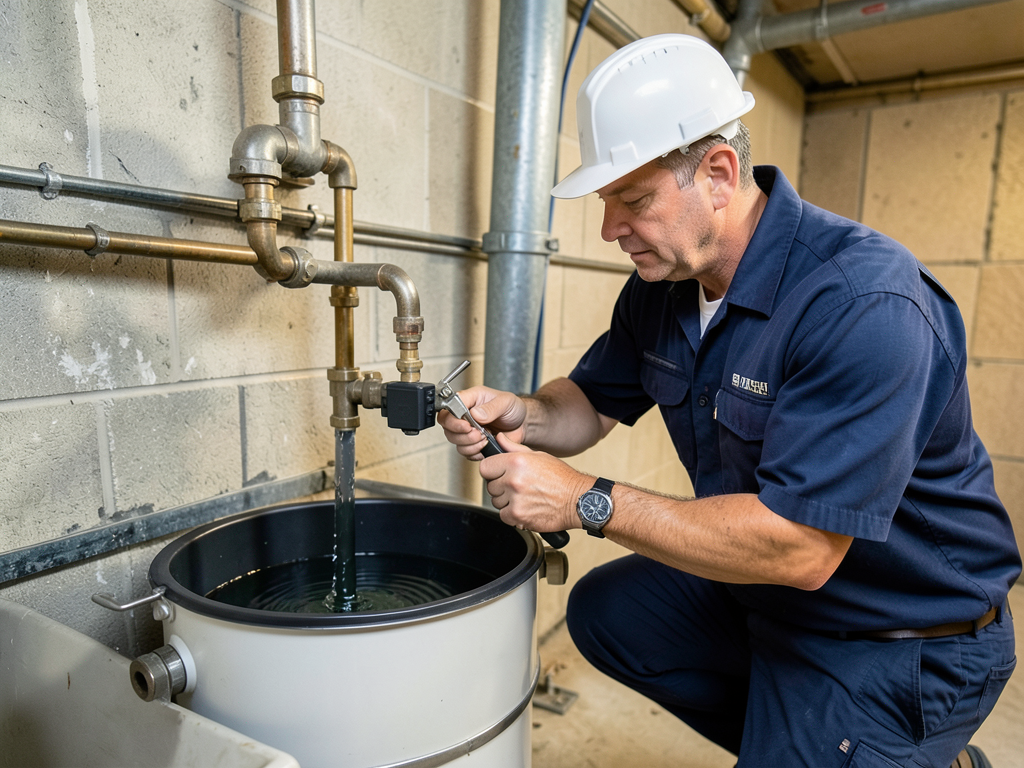
We deploy gas-powered trash pumps capable of moving 150 gallons per minute. These pumps handle debris-laden water without clogging. We position intake hoses at the lowest point of your basement to ensure complete extraction. Discharge hoses route water away from your foundation to prevent re-entry through the same cracks that caused the flood.
For basements with more than six inches of standing water, we use multiple pumps in tandem to accelerate removal. Speed matters. The longer water contacts drywall, insulation, and wood framing, the more material we have to remove during remediation.
We monitor the pump-out process continuously. Removing water too quickly from a basement can create hydrostatic pressure imbalances that bow foundation walls inward. We control the flow rate to prevent structural stress while still working as fast as safely possible.
Once the standing water is gone, we extract moisture from carpets, padding, and porous materials using truck-mounted extractors. These systems pull water from deep within materials that would otherwise remain saturated for weeks.
Flooded basement extraction service also includes identifying the water source. We inspect floor drains, sump pits, foundation cracks, window wells, and sewer cleanouts to determine how water entered. This diagnostic step prevents repeat flooding after the emergency basement water removal is complete.
Crestline Plumbing Washington DC uses thermal imaging cameras to detect hidden moisture pockets inside wall cavities and under flooring. We document everything for insurance claims and provide a written assessment of what needs to be dried, removed, or repaired.