Menu

Water Softener & Filtration Systems in Washington, D.C. | Protecting Your Plumbing from Potomac Water's Hidden Mineral Load

Crestline Plumbing Washington DC installs whole house water treatment systems engineered specifically for the District's aggressive water chemistry, eliminating scale buildup, protecting fixtures, and extending appliance life across Capitol Hill, Georgetown, and every DC neighborhood.

Slider Image 1
Slider Image 2
Slider Image 3
Slider Image 4
Slider Image 5
Slider Image 7
Slider Image 8
Slider Image 9
Slider Image 10
Slider Image 11

Why Washington, D.C. Water Destroys Pipes and Appliances Faster Than You Think

The Potomac River supplies most of Washington, D.C.'s drinking water, and while DC Water treats it to meet federal standards, the natural mineral content remains high. The water flowing into homes across Dupont Circle, Adams Morgan, and Navy Yard carries dissolved calcium, magnesium, and iron that creates hard water problems you can see and feel.

You notice it first on glass shower doors. White film that never fully disappears. Faucet aerators clog every few months. Your water heater rumbles and pops because mineral scale coats the heating elements. Washing machines wear out early. Dishwashers leave spots on glassware no matter what detergent you use.

This is not cosmetic. The calcium carbonate buildup inside your copper and PEX supply lines reduces water pressure over time. It chokes fixture valves. It creates hot spots in water heaters that crack tank linings. The District's aging infrastructure adds iron and sediment during pressure fluctuations or main breaks, which compounds the problem.

Residential water purification addresses what municipal treatment cannot. A properly designed home water filtration system removes the minerals before they enter your plumbing. Water conditioning systems extend the service life of every fixture, appliance, and pipe in your home. Whole house water treatment protects your investment at the point of entry, before damage starts.

The question is not whether you have hard water. If you live in Washington, D.C., you do. The question is how long you wait before protecting your plumbing system from it.

Why Washington, D.C. Water Destroys Pipes and Appliances Faster Than You Think
How We Engineer Water Conditioning Systems for District Homes

How We Engineer Water Conditioning Systems for District Homes

We do not sell one-size-fits-all water softeners. Every home water filtration system we install starts with a water quality analysis specific to your address. We test total dissolved solids, hardness level measured in grains per gallon, iron content, pH, and chlorine levels. A home in Capitol Hill pulling water from a different distribution zone than a home in Cleveland Park will show different chemistry. Your system must match your water.

For most DC homes, we install ion exchange water softeners paired with sediment pre-filters and activated carbon post-filters. The sediment filter catches particulates from aging service lines. The softener resin bed exchanges sodium ions for calcium and magnesium, eliminating hardness. The carbon filter removes chlorine taste and odor while protecting downstream fixtures from any resin fines.

We size the system based on peak demand and household occupancy. A two-bathroom rowhouse in Shaw has different flow requirements than a four-bathroom detached home in Wesley Heights. We calculate gallonage, fixture units, and regeneration cycles to prevent pressure drops during simultaneous use.

Installation requires integrating the system into your main water line immediately after the meter and pressure regulator. We install a dedicated drain line for backwash discharge, an electrical connection for the control valve, and a bypass loop for servicing. All connections meet DC building code requirements for backflow prevention and proper venting.

Hard water treatment systems require salt for regeneration. We position the brine tank for easy access and explain the regeneration schedule. Most systems regenerate based on water volume, not time, which conserves salt and minimizes wastewater. You will add salt every four to eight weeks depending on usage.

The result is soft water at every tap, no scale buildup, and plumbing that lasts.

What Happens During Your Water Treatment Installation

Water Softener & Filtration Systems in Washington, D.C. | Protecting Your Plumbing from Potomac Water's Hidden Mineral Load
01

Water Testing and System Sizing

We collect water samples from your main supply line and analyze hardness, iron, pH, and TDS levels. This lab-grade testing determines the exact conditioning capacity required. We measure your incoming water pressure, identify your main line size, and calculate peak household demand to size the resin tank, control valve, and brine tank correctly for your home's specific flow requirements.
02

System Installation and Integration

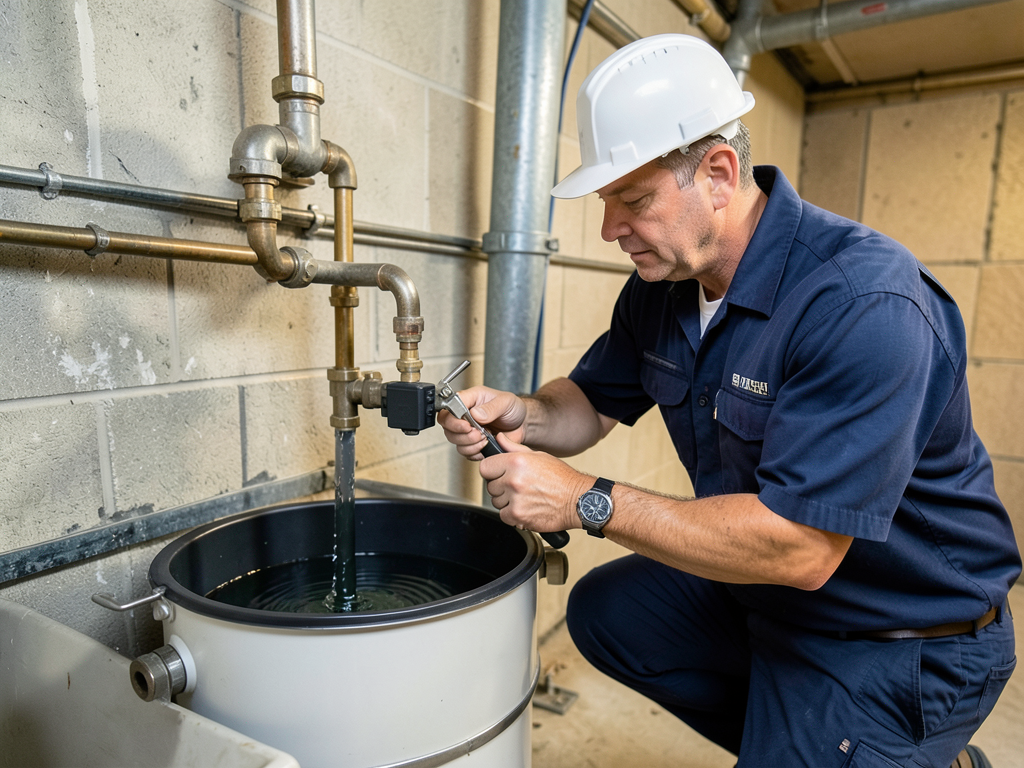
We shut off your main water supply and cut into the line immediately downstream of your meter and pressure regulator. The softener head valve, resin tank, and bypass assembly get installed with threaded or soldered connections depending on your pipe material. We run the drain line to your floor drain or laundry sink, connect the low-voltage transformer, and mount the brine tank within six feet of the control head.
03

System Commissioning and Programming

We fill the brine tank with sodium chloride pellets and initiate the first regeneration cycle manually. This backwashes the resin bed, purges air, and sets the system baseline. We program the control valve with your water hardness level and household size, which determines regeneration frequency. You receive written instructions for salt replenishment, system bypass operation, and what to watch for during normal operation.

Why DC Homeowners Choose Crestline Plumbing for Water Treatment

We have installed water conditioning systems in rowhouses, historic townhomes, and new construction across every ward in Washington, D.C. We understand the challenges of working in century-old basements with low clearances and galvanized supply lines. We know how to integrate modern filtration equipment into historic properties without violating preservation guidelines in neighborhoods like Georgetown or Capitol Hill Historic District.

District plumbing code requires backflow prevention on any treatment system connected to the municipal supply. We install dual check valves or RPZ assemblies as required and ensure compliance with DC Water cross-connection control standards. Our installations pass inspection theirst time because we know what the inspectors look for.

We work with every pipe material common in DC housing stock. If your home has original copper from the 1950s, we can adapt the system without replumbing your entire house. If you have newer PEX or CPVC, we integrate the treatment system at the manifold for whole house coverage. We do not force you into unnecessary retrofits.

Water chemistry varies across the District. Homes east of the Anacostia River sometimes show higher iron content than homes in Northwest. Properties near Fort Totten may experience pressure fluctuations that stir up sediment. We adjust system specifications based on your specific location and water source.

You also get honest advice about what you need. If your water tests below seven grains per gallon hardness, we will tell you a softener may not justify the expense. If iron staining is your main issue, we recommend an iron filter instead. If you just want better drinking water, a reverse osmosis system under the kitchen sink may be the right solution. We do not oversell equipment you do not need.

When you call Crestline Plumbing Washington DC, you get a plumber who knows the District's water, the District's homes, and the District's code requirements.

What You Can Expect from Your Water Treatment System

Installation Timeline and Disruption

Most whole house water treatment installations take four to six hours from start to finish. Your water will be shut off during the installation, so we schedule around your availability. If you work from home, we can start early. If you need water access by a certain time, we plan accordingly. The work involves cutting into your main supply line, installing the treatment head and tanks, running a drain line, and making an electrical connection. You will hear cutting tools, a pipe threader if you have threaded steel pipe, and possibly a drill for mounting brackets. Once the system is live and programmed, you have immediate soft water at every fixture.

Pre-Installation Water Analysis

We test your water before recommending any equipment. The analysis measures hardness in grains per gallon, which determines resin capacity. We check for ferrous and ferric iron because high iron requires specialized filtration media, not just a standard softener. We test pH because acidic water below 7.0 can corrode copper pipes, and that requires a neutralizing filter, not a softener. We measure total dissolved solids and chlorine levels if you want drinking water improvement beyond softening. You get a written report with the results and a system recommendation based on the data, not a sales pitch.

Water Quality After Installation

You will notice the difference immediately. Soap lathers easily. Dishes come out of the dishwasher without spots. Shower doors stay clearer longer. Your skin feels less dry after bathing because you are not washing in mineral-laden water. Appliances run more efficiently. Water heaters maintain temperature with less energy because scale no longer insulates the heating elements. Washing machines use less detergent. Faucet aerators stop clogging. The white crust around fixture bases disappears over time as existing scale breaks down. Your plumbing system operates the way it was designed to operate before hard water compromised it.

System Maintenance and Longevity

Water softeners require minimal maintenance if installed correctly. You add salt to the brine tank every four to eight weeks depending on water usage and hardness level. You check the salt bridge occasionally to make sure the salt is dissolving properly. The resin bed lasts 10 to 15 years under normal conditions. The control valve may need servicing every five to seven years. We offer annual system checks where we test your treated water hardness, inspect the brine tank, clean the venturi and injector, and verify the regeneration cycle timing. Preventive maintenance extends system life and ensures you continue getting soft water without interruption.

Frequently Asked Questions

You Have Questions,
We Have Answers

How Potomac River Water Chemistry Affects Plumbing Systems Across Washington, D.C.

The Potomac River flows through limestone and carbonate rock formations before reaching the District. This geology dissolves calcium and magnesium into the water, creating hardness levels between 8 and 14 grains per gallon depending on seasonal flow and treatment plant output. DC Water operates the Washington Aqueduct, which treats raw river water with coagulation, sedimentation, filtration, and disinfection. This process removes pathogens and turbidity but does not reduce hardness. The treated water enters the distribution system with the same mineral load the river carried. Homes across Columbia Heights, Petworth, and Brookland receive water that scale-forms inside pipes, water heaters, and appliances within months of installation. Residential water purification systems installed at point of entry eliminate this mineral load before it circulates through your plumbing.

Washington, D.C. enforces strict plumbing codes under Title 12 of the DC Municipal Regulations. Any water treatment system connected to the public water supply must include backflow prevention to protect the municipal system from contamination. Licensed plumbers in the District must install dual check valves or reduced pressure zone assemblies depending on system type and hazard classification. Crestline Plumbing Washington DC holds an active DC plumbing license and installs water conditioning systems that meet all local code requirements. We pull permits when required, coordinate inspections with the Department of Consumer and Regulatory Affairs, and ensure your installation is compliant and warrantied. Choosing a local plumber who knows DC regulations protects you from failed inspections, code violations, and equipment that does not meet District standards.
Plumbing Services in The Washington DC Area

Our service area is conveniently located to provide fast and efficient plumbing solutions to residents and businesses throughout the Washington DC area. We are dedicated to ensuring that no matter where you are, a trusted and reliable plumber is just a call away. Our map provides a visual representation of our service coverage, helping you to quickly and easily locate our trusted team.

Address:
Crestline Plumbing Washington DC, 1140 3rd St NE, Washington, DC, 20002

Additional Services We Offer

Our news updates

Latest Articles & News from The Blogs

Deciding Between a Tankless or Storage Tank Water Heater for Your Growing Family in Fort Davis Choosing the right water…

Deciding Between a Tankless or Storage Tank Water Heater for Your Growing Family in Fort Davis

Deciding Between a Tankless or Storage Tank Water Heater for Your Growing Family in Fort Davis Choosing the right water…

The Challenges of Adding a Sink to Your Kitchen Island in a Brentwood Rowhome

The Challenges of Adding a Sink to Your Kitchen Island in a Brentwood Rowhome Adding a sink to your kitchen…

How to Choose Between a Vertical and Horizontal Grease Interceptor for Your Navy Yard Restaurant

How to Choose Between a Vertical and Horizontal Grease Interceptor for Your Navy Yard Restaurant Running a restaurant in Navy…

Contact Us

Call Crestline Plumbing Washington DC at (771) 223-8111 to schedule your water quality analysis. We test your water, recommend the right system for your home, and install whole house water treatment that protects your plumbing from day one.