Menu

Trenchless Sewer Repair in Washington, D.C. – Minimize Downtime and Protect Your Business Operations

Commercial no-dig sewer repair that keeps your facility operational during repairs, with trenchless pipe lining and CIPP rehabilitation methods designed for high-capacity systems in federal district properties and commercial buildings.

Slider Image 1
Slider Image 2
Slider Image 3
Slider Image 4
Slider Image 5
Slider Image 7
Slider Image 8
Slider Image 9
Slider Image 10
Slider Image 11

Sewer Failures Cost Your Business Money Every Hour

When your commercial sewer line fails in Washington, D.C., you face immediate business disruption. Customers cannot use restrooms. Employees cannot work. Health inspectors can shut you down. Traditional excavation repair requires closing parking lots, blocking loading docks, and destroying landscaping for days or weeks.

The federal district's aging infrastructure compounds the problem. Many commercial properties in Georgetown, Capitol Hill, and the Central Business District still operate on clay pipe installed in the 1920s and 1930s. These lines shift and crack as the Potomac basin's clay-heavy soil expands and contracts with seasonal moisture changes. Tree roots from the city's extensive urban canopy penetrate weakened joints. When a line backs up during peak business hours, the financial impact is immediate.

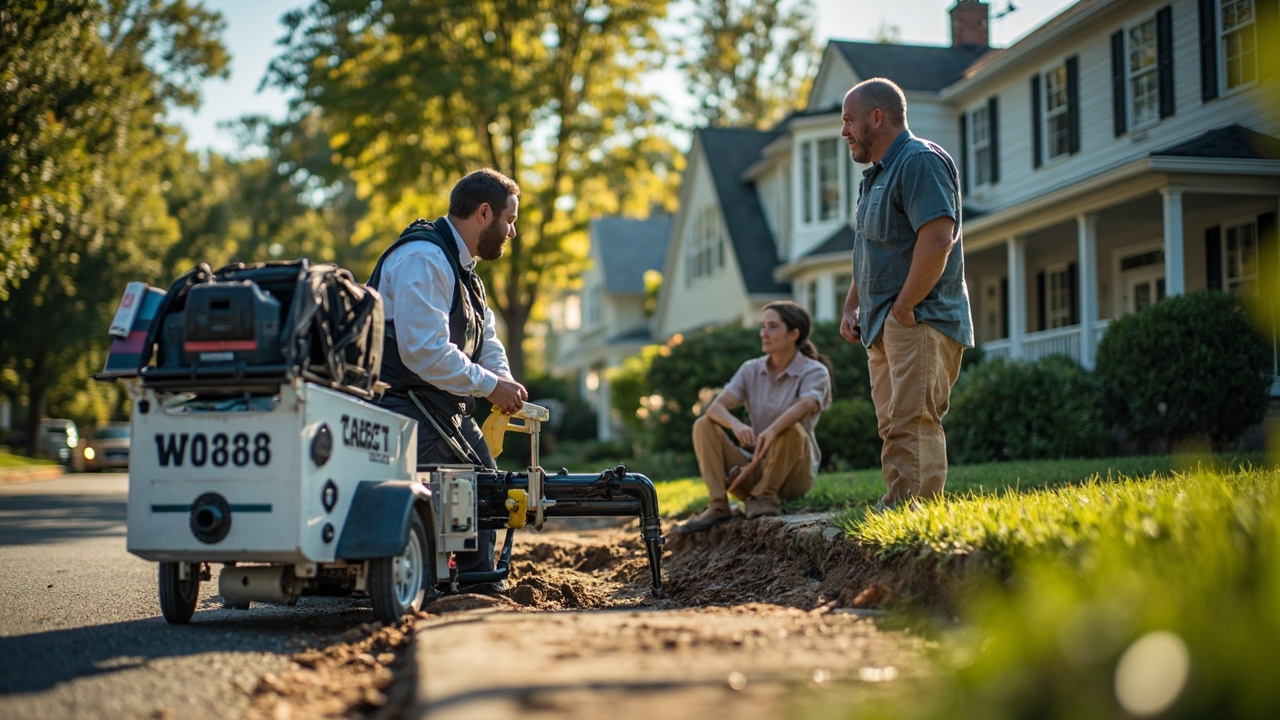
Trenchless sewer repair eliminates most surface disruption. No-dig sewer repair methods allow you to maintain operations while technicians rehabilitate your sewer line from access points. Trenchless pipe lining installs a new pipe inside your existing line without excavating your entire property. CIPP sewer repair uses resin-saturated liners that cure in place, creating a jointless pipe that resists root intrusion and corrosion.

For office buildings, restaurants, medical facilities, and retail operations, trenchless sewer replacement means you stay open. Your customers see minimal disruption. Your revenue stream continues. The repair is completed in hours or days instead of weeks.

The technology works for lines ranging from four inches to 48 inches in diameter. The method addresses offset joints, root intrusion, corrosion, and structural cracks without destroying your site improvements or triggering expensive restoration work.

Sewer Failures Cost Your Business Money Every Hour
How Trenchless Pipe Rehabilitation Protects Commercial Infrastructure

How Trenchless Pipe Rehabilitation Protects Commercial Infrastructure

Trenchless pipe rehabilitation begins with diagnostic camera inspection. A high-resolution CCTV camera maps your entire sewer line, identifying the exact location and nature of every defect. The footage reveals cracks, offsets, root masses, and corrosion. This data determines which trenchless method delivers the most cost-effective repair.

For structurally sound pipes with localized damage, trenchless pipe lining provides a permanent fix. Technicians clean the line with high-pressure water jetting, removing years of grease buildup, mineral deposits, and root material. The cleaned pipe receives a resin-saturated felt liner that is pulled or inverted into position. The liner is inflated against the host pipe and cured with hot water or UV light. The result is a smooth, jointless pipe with a 50-year design life.

CIPP sewer repair handles more extensive damage. The cured-in-place pipe creates a structural pipe within your existing line. The resin fully saturates the liner, creating a rigid barrier that carries load and resists infiltration. The process works in pipes with multiple bends, offsets, and diameter changes.

Pipe bursting replaces lines that are too damaged for lining. A hydraulic bursting head fractures the old pipe while simultaneously pulling a new high-density polyethylene pipe into place. The method works from two access pits, eliminating the need to excavate your entire line.

Point repairs target specific problems without rehabilitating the entire line. Technicians install short liner sections at damaged joints or cracks, restoring structural integrity at a fraction of the cost of full replacement.

The technology accommodates your business schedule. Most commercial repairs are completed during off-hours or over weekends, preventing customer-facing disruption.

What Your Commercial Trenchless Repair Looks Like

Trenchless Sewer Repair in Washington, D.C. – Minimize Downtime and Protect Your Business Operations
01

Site Assessment and Access

Technicians locate your sewer cleanouts and main line access points. They conduct CCTV inspection to map the entire line and document all defects. You receive video footage showing exactly what is wrong and where. The assessment identifies the optimal repair method based on pipe condition, diameter, and your operational requirements. Access points are established with minimal surface disruption.
02

Line Preparation and Installation

High-pressure hydro-jetting removes all obstructions and prepares the pipe surface for lining. The liner is saturated with epoxy resin and inserted into your sewer line. For CIPP installations, the liner is inflated and heated to cure the resin. The process creates a new pipe inside your old one without excavation. Lateral connections are robotically reopened from inside the main line.
03

Quality Verification and Restoration

A final camera inspection confirms the liner is properly installed with no voids or gaps. All service laterals are verified open and flowing. Surface access points are restored, and the site is cleaned. You receive documentation for your facility maintenance records, including warranty information and a digital copy of pre-repair and post-repair camera footage showing the completed work.

Why District Commercial Properties Choose Crestline Plumbing Washington DC

Commercial sewer repair requires more than standard plumbing knowledge. You need a contractor who understands District of Columbia building codes, DC Water authority requirements, and the unique demands of federal district properties. Crestline Plumbing Washington DC maintains the equipment, training, and experience to handle high-capacity commercial systems.

Washington's commercial building stock presents specific challenges. Many properties in the Golden Triangle and K Street corridor operate on combined sewer systems that handle both sanitary waste and stormwater. These lines must meet strict DC Water specifications for repair methods and materials. Trenchless installations require permits and inspections that differ from residential work. You need a contractor who navigates these requirements without delays.

The federal district's historic preservation requirements add another layer of complexity. Properties in Georgetown, Capitol Hill Historic District, and other protected areas face strict limitations on excavation and surface disturbance. Trenchless methods provide the only viable repair option for many historic commercial buildings where traditional excavation would damage protected facades, sidewalks, or landscaping.

Crestline Plumbing Washington DC works with your facility schedule. Office buildings receive service during nights and weekends. Restaurants get priority scheduling to minimize impacts during peak service hours. Medical facilities receive expedited response to maintain health department compliance. Retail operations avoid customer-facing disruption through strategic timing and access planning.

The company's investment in CIPP equipment and pipe bursting technology means repairs are completed in-house without subcontractors. You work with one accountable team from camera inspection through final verification. The equipment fleet includes liners for four-inch to 24-inch pipes, handling the full range of commercial applications.

Every project includes comprehensive documentation for your facility maintenance files, satisfying insurance requirements and providing a clear record for future property transactions.

What Commercial Clients Need to Know About Trenchless Repair

Project Timeline and Scheduling

Most commercial trenchless repairs are completed in one to three days, depending on line length and damage extent. Camera inspection and assessment occur first, typically within 24 hours of your call. The actual lining or pipe bursting work happens in a single mobilization, minimizing your operational disruption. Complex projects involving multiple building connections or extremely long runs may require additional time, but you receive a detailed timeline before work begins. Scheduling accommodates your business hours and peak traffic periods. Emergency repairs receive immediate response to prevent health code violations or facility shutdowns.

Pre-Repair Assessment Process

The assessment phase determines repair feasibility and method selection. High-resolution CCTV inspection maps your entire sewer line, documenting every crack, offset, and obstruction. The footage is recorded and provided to you for facility records. Flow testing may be conducted to verify capacity and identify infiltration points. For properties with unknown or missing as-built drawings, the camera inspection locates all lateral connections and establishes accurate line routing. You receive a written report detailing findings, recommended repair method, and projected costs before any repair work begins. This documentation satisfies insurance requirements and provides the technical basis for capital budgeting decisions.

Performance and Longevity Standards

CIPP liners installed in commercial applications carry a 50-year design life when properly installed. The cured resin creates a smooth, jointless pipe that resists corrosion, root intrusion, and chemical attack from commercial waste streams. Structural calculations verify the liner thickness provides adequate load-bearing capacity for your application. High-density polyethylene pipes installed through pipe bursting carry similar longevity projections with superior flexibility and impact resistance. Final camera inspection verifies installation quality and confirms all service laterals are properly reopened. The smooth interior surface improves flow characteristics and reduces the likelihood of future blockages from grease or debris accumulation.

Post-Installation Support and Documentation

You receive comprehensive documentation including pre-repair and post-repair camera footage, material certifications, and as-built drawings showing the exact location and specifications of installed materials. This documentation is critical for facility maintenance records, property transactions, and insurance compliance. The installed liner or pipe carries manufacturer material warranties that are transferred to you as the property owner. Routine maintenance recommendations are provided based on your facility type and waste stream characteristics. Follow-up camera inspections can be scheduled on your maintenance cycle to monitor long-term performance and identify potential issues before they become problems. Technical support remains available for questions about the repair or related plumbing concerns.

Frequently Asked Questions

You Have Questions,
We Have Answers

Is trenchless sewer repair worth it? +

For commercial properties in Washington, D.C., trenchless sewer repair delivers significant ROI. You avoid excavation costs, preserve parking lots and landscaping, and minimize business interruptions. Traditional dig-and-replace methods shut down operations for days or weeks. Trenchless methods finish in hours or one day. You protect liability exposure by eliminating open trenches on your property. The District's strict permitting requirements for excavation add delays and costs to traditional methods. Trenchless repair bypasses much of that bureaucracy. For properties near historic districts or busy commercial corridors like K Street, the value compounds. You get code-compliant repairs with minimal downtime.

What are the disadvantages of trenchless pipe lining? +

Trenchless pipe lining has limitations you must understand. The existing pipe must maintain structural integrity. Collapsed or severely damaged lines require excavation. Root intrusion needs removal before lining, adding cost. Lining reduces internal pipe diameter slightly, which can affect flow capacity in high-volume commercial systems. Washington, D.C.'s aging infrastructure sometimes includes clay pipes with extensive offset joints that complicate lining. Not all sewer configurations work with trenchless methods. Sharp bends or multiple connections may require access points. The process demands specialized equipment and trained technicians. Poor installation creates failure points. You need a thorough camera inspection first to determine candidacy.

What is the cheapest way to replace a sewer line? +

The cheapest initial option is spot repair for isolated damage. You excavate only the damaged section and replace that segment. This works if your failure is localized and accessible. For Washington, D.C. properties, factor in permit costs and potential Historic Preservation Office involvement if you are in a protected zone. Traditional open-trench replacement costs less upfront than trenchless methods but destroys hardscaping and landscaping. Hidden costs include restoration, lost business during construction, and permit delays. Trenchless methods cost more initially but eliminate restoration expenses. The true cheapest option depends on your property layout, access constraints, and business continuity needs. Get multiple bids with full cost breakdowns.

Does homeowners insurance cover sewage line repairs? +

Most standard commercial property policies exclude sewer line repairs. Insurance typically covers sudden, accidental damage from covered perils like vehicle impact or fire. Gradual deterioration, root intrusion, and age-related failures get denied. Washington, D.C. properties with combined sewer systems face additional complications during heavy rain events. Backups from municipal system overloads are rarely covered. Review your policy's specific exclusions. Some carriers offer sewer line endorsements for additional premium. These riders cap payouts and include deductibles. Document all maintenance records and camera inspections. Proving you maintained the system strengthens claims for sudden failures. Consult your broker about coverage gaps before you face a failure.

How long does trenchless sewer repair last? +

Quality trenchless repairs last 50 to 100 years when installed correctly. Cured-in-place pipe (CIPP) liners and pipe bursting create seamless, corrosion-resistant systems. The epoxy resin used in CIPP bonds to host pipes and resists Washington, D.C.'s aggressive soil conditions and fluctuating groundwater tables. Longevity depends on proper installation and pre-repair cleaning. Root removal and thorough pipe cleaning are mandatory. The liner must cure completely under controlled conditions. Poor installation creates weak points and premature failure. You need certified technicians with verifiable track records. Video documentation before and after proves quality. Trenchless repairs often outlast traditional PVC replacements in corrosive soil environments common throughout the District.

Do plumbers recommend sewer liners? +

Professional plumbers recommend sewer liners for specific situations. Commercial properties with access constraints, minimal disruption tolerance, or protected landscaping benefit most. Plumbers evaluate pipe condition through camera inspections. Structurally sound pipes with corrosion, cracks, or root infiltration are ideal candidates. Washington, D.C. plumbers familiar with the District's clay and cast iron infrastructure know when lining works. They reject lining for collapsed pipes, severe offsets, or configurations with excessive bends. Reputable plumbers provide honest assessments. If excavation serves you better, they will tell you. Avoid contractors who push lining for every situation. The method is a tool, not a universal solution. Get a diagnostic camera inspection first.

How much does it cost to get a sewer line lined? +

Sewer line lining costs vary based on pipe diameter, length, access points, and damage severity. Commercial properties typically see higher costs than residential due to larger pipes and complex configurations. Washington, D.C. projects factor in permitting, traffic control if work affects public ways, and potential coordination with DC Water. Pre-lining work like hydro-jetting roots and debris adds expense. Access point creation through existing cleanouts or small excavations impacts cost. Expect detailed quotes after camera inspection. Pricing should include preparation, lining materials, curing, and post-installation verification. Compare total project costs against traditional replacement, including restoration and downtime. Request itemized bids from licensed contractors.

Is sewer pipe relining worth it? +

Sewer pipe relining is worth it when you prioritize business continuity and asset protection. Commercial properties in Washington, D.C. face high excavation costs due to concrete, asphalt, and congested underground utilities. Relining eliminates those expenses. You avoid permit delays and inspection cycles required for open-trench work. The method protects customer access and maintains operations. Relining creates a smooth interior surface that resists future root intrusion and corrosion. For properties near Metro stations, federal buildings, or historic districts, excavation permits face intense scrutiny. Relining bypasses much of that complexity. The ROI calculation includes avoided revenue loss, reduced liability exposure, and long-term durability. Evaluate your specific constraints.

How much does it cost to reline a sewage pipe? +

Sewage pipe relining costs depend on diameter, linear footage, and site conditions. Commercial projects involve larger pipes and longer runs than residential. Washington, D.C. properties may need traffic control plans or coordination with utility companies if lines run under streets or alleys. Pre-work like root removal and cleaning affects total cost. Access creation through existing structures or small excavations adds expense. The District's permitting requirements and inspection fees factor in. Get detailed quotes after camera inspection reveals exact conditions. Costs should cover preparation, liner installation, curing, and final video verification. Compare this against full replacement costs including excavation, restoration, permits, and business downtime. Request proposals from multiple licensed contractors.

Can a homeowner replace a sewer line? +

Commercial property owners should not attempt sewer line replacement. Washington, D.C. requires licensed master plumbers for sewer work. The District enforces strict permitting, inspection, and code compliance requirements. Sewer connections to municipal systems need DC Water approval. Improper repairs create liability exposure for tenant injuries, environmental contamination, and building code violations. Commercial systems handle higher volumes and more complex waste streams than residential. You need proper engineering, materials knowledge, and specialized equipment. Trenchless methods require certification and training. Insurance policies exclude damage from unlicensed work. Failed DIY repairs cost exponentially more to fix. Hire licensed contractors with commercial experience, proper insurance, and verifiable references in Washington, D.C.

Why Potomac Basin Clay Soil Makes Trenchless Repair Essential in Washington

The Potomac River basin's clay-heavy soil creates constant movement in underground infrastructure. Marine clay deposits throughout Washington expand significantly when wet and contract during dry periods. This cycle stresses rigid sewer pipes, creating offset joints and cracks that allow root intrusion and infiltration. Traditional clay pipes in older commercial districts experience accelerated deterioration from this soil movement. Trenchless pipe lining eliminates joints and creates a flexible repair that accommodates minor ground movement without cracking. The method is particularly valuable in areas near Rock Creek, the Anacostia River, and other waterways where soil moisture fluctuates seasonally.

District building codes and DC Water regulations govern all commercial sewer repairs within the federal district. Trenchless installations must meet specific standards for material specifications, installation procedures, and post-repair testing. Contractors working on commercial properties need active DC licensing and familiarity with permit requirements that differ significantly from surrounding Maryland and Virginia jurisdictions. Properties in historic districts face additional review by the Historic Preservation Review Board when excavation impacts protected areas. Choosing a local contractor with established relationships with DC Water and permitting authorities prevents project delays and ensures compliance with all applicable regulations.
Plumbing Services in The Washington DC Area

Our service area is conveniently located to provide fast and efficient plumbing solutions to residents and businesses throughout the Washington DC area. We are dedicated to ensuring that no matter where you are, a trusted and reliable plumber is just a call away. Our map provides a visual representation of our service coverage, helping you to quickly and easily locate our trusted team.

Address:
Crestline Plumbing Washington DC, 1140 3rd St NE, Washington, DC, 20002

Additional Services We Offer

Our news updates

Latest Articles & News from The Blogs

Deciding Between a Tankless or Storage Tank Water Heater for Your Growing Family in Fort Davis Choosing the right water…

Deciding Between a Tankless or Storage Tank Water Heater for Your Growing Family in Fort Davis

Deciding Between a Tankless or Storage Tank Water Heater for Your Growing Family in Fort Davis Choosing the right water…

The Challenges of Adding a Sink to Your Kitchen Island in a Brentwood Rowhome

The Challenges of Adding a Sink to Your Kitchen Island in a Brentwood Rowhome Adding a sink to your kitchen…

How to Choose Between a Vertical and Horizontal Grease Interceptor for Your Navy Yard Restaurant

How to Choose Between a Vertical and Horizontal Grease Interceptor for Your Navy Yard Restaurant Running a restaurant in Navy…

Contact Us

Sewer problems do not improve with time. Call Crestline Plumbing Washington DC at (771) 223-8111 for camera inspection and trenchless repair options. Your business stays operational while we fix your sewer line.