Menu

How to Shut Off Main Water Valve in Washington, D.C. – Expert Step-by-Step Guide for Homeowners

Learn how to shut off your main water valve quickly and safely during plumbing emergencies, with local Washington, D.C. insights on valve types, basement access, and when to call a professional.

Slider Image 1
Slider Image 2
Slider Image 3
Slider Image 4
Slider Image 5
Slider Image 7
Slider Image 8
Slider Image 9
Slider Image 10
Slider Image 11

Why Every Washington, D.C. Homeowner Needs to Know Their Main Water Shutoff Location

When a pipe bursts in your Georgetown rowhouse or a water heater fails in your Capitol Hill basement, the first 60 seconds determine how much damage you face. Knowing how to turn off main water supply protects your home from thousands of dollars in flood damage while you wait for professional help.

Washington, D.C.'s aging infrastructure presents unique challenges. Many District homes built before 1950 feature gate valves that corrode over time due to our region's mineral-heavy water supply from the Potomac River Filtration Plant. These valves can seize when you need them most. Row homes in Dupont Circle and Shaw often have shutoff valves tucked behind finished basement walls or in cramped crawl spaces, making emergency access difficult.

The freeze-thaw cycles we experience between December and March put additional stress on supply lines. When temperatures drop below 20 degrees, exposed pipes in unheated areas can rupture without warning. Turning off house water main quickly prevents flooding that can damage historic plaster walls, hardwood floors, and electrical systems.

You also need to know how to shut off water supply to home for planned maintenance. Before replacing a faucet, installing a new toilet, or winterizing a vacation property, closing the main water shut off valve protects your work area and prevents accidental flooding. Most District homes have their main shutoff valve in one of three locations: the basement near the front wall, in a utility closet, or in a concrete vault outside near the property line. Learning how to turn off water to the whole house before an emergency strikes gives you control when seconds count.

Why Every Washington, D.C. Homeowner Needs to Know Their Main Water Shutoff Location
How to Locate and Operate Your Main Water Shutoff Valve

How to Locate and Operate Your Main Water Shutoff Valve

Your main water valve sits on the supply line between the city water meter and your home's plumbing system. In Washington, D.C., DC Water maintains the meter and the supply line up to your property, but the shutoff valve inside your property line belongs to you.

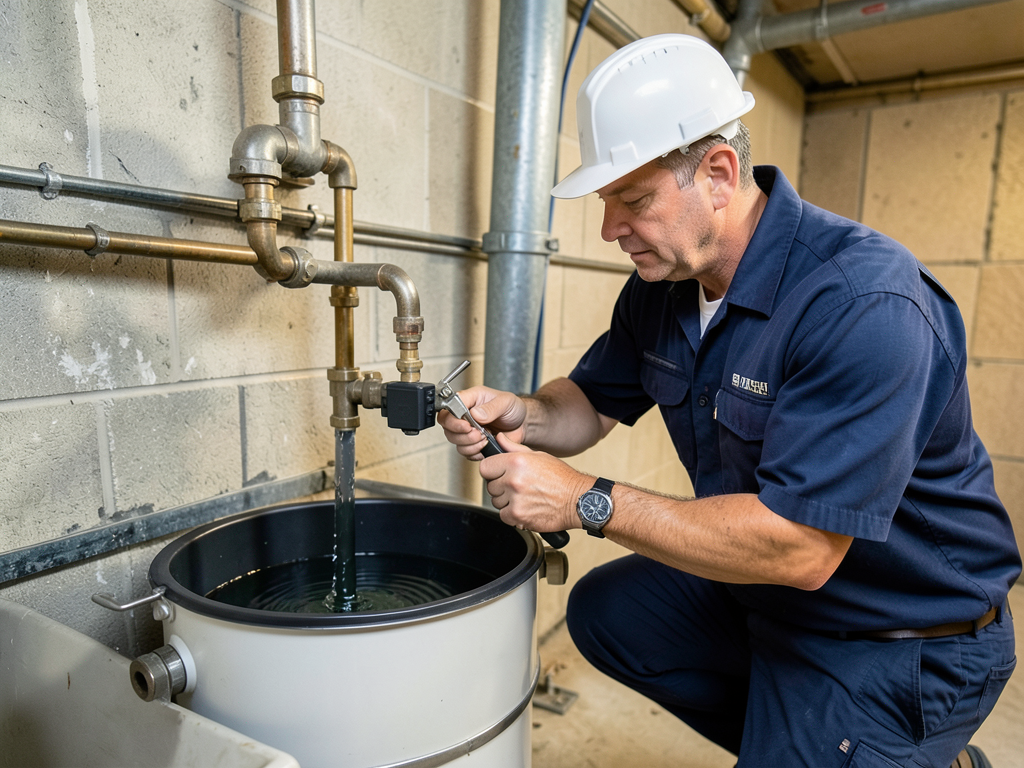
Start your search in the basement. Look along the front wall, the side facing the street. The supply line enters through the foundation, usually within six feet of the water meter. You will see a valve attached to a three-quarter inch or one-inch copper, galvanized steel, or PEX supply line. Older District homes typically have gate valves with a wheel handle. Newer construction uses ball valves with a lever handle.

Gate valves require multiple clockwise turns to close completely. Turn the wheel to the right until it stops. Do not force it past the stopping point or you risk damaging the valve stem. Ball valves operate with a quarter turn. When the lever sits perpendicular to the pipe, water flow stops. When the lever aligns parallel with the pipe, water flows.

If you cannot locate the valve in your basement, check utility closets, especially in condos and newer construction. Some District buildings place shutoff valves in ground-level mechanical rooms. Row homes in older neighborhoods sometimes have outdoor meter pits with both the meter and shutoff valve in a concrete vault near the sidewalk. You will need a meter key or long wrench to access valves in these vaults.

Test your valve twice a year. Turn it off, open a faucet on the lowest floor to verify water stops flowing, then turn the valve back on. This simple maintenance prevents the valve from seizing and confirms you can operate it during an actual emergency. If the valve leaks, turns roughly, or will not close completely, call a licensed plumber to replace it before you face a crisis.

What Happens When You Close the Main Water Valve

How to Shut Off Main Water Valve in Washington, D.C. – Expert Step-by-Step Guide for Homeowners
01

Water Flow Stops

Closing the main shutoff valve immediately stops all water flowing into your plumbing system. You will hear running water slow and stop within seconds. Any water remaining in your pipes drains through open faucets due to gravity. This residual water, usually one to three gallons depending on your home's size, flows out over the next few minutes. Opening faucets on upper floors speeds drainage.
02

Pressure Releases Safely

Your plumbing system holds water under pressure, typically between 50 and 80 PSI in Washington, D.C. homes. When you shut the valve, that pressure needs somewhere to go. Opening a faucet on the lowest floor of your home releases pressure safely and confirms the valve works. You will see water flow decrease, then stop completely. This pressure release also makes repairs safer for plumbers.
03

System Ready for Repair

With water supply cut and pressure released, your plumbing system is safe for emergency repairs. The stopped water flow prevents additional flood damage while you address the leak or burst pipe. You have successfully protected your home from catastrophic water damage. At this point, contact a licensed plumber to diagnose and repair the underlying problem before restoring water service.

When to Call a Professional Instead of DIY

Knowing how to close main water shut off valve gives you emergency control, but certain situations require professional intervention immediately. If your valve will not turn, do not force it. Seized valves break easily, creating a new emergency at your main supply line. A licensed plumber can apply penetrating oil, use specialized tools, or replace the valve without damaging your water line.

Crestline Plumbing Washington DC understands the unique challenges District homeowners face. We work on century-old rowhouses with outdated plumbing systems and modern condos with complex manifold setups. Our technicians carry valve replacement parts for every type of shutoff valve common in Washington, D.C., from antique gate valves in Logan Circle Victorians to modern ball valves in Navy Yard developments.

We also handle situations where the main shutoff valve location remains unknown. Many District properties lack accurate plumbing diagrams. Previous renovations sometimes bury or relocate valves without documentation. We use pipe tracers and blueprints to locate hidden shutoffs, even in finished basements or behind drywall. When time matters, this expertise prevents destructive trial-and-error searching.

District regulations require licensed plumbers for any work on the main supply line or water service lateral. If your shutoff valve sits in the outdoor meter pit, repairs may require coordination with DC Water and a permit from the Department of Consumer and Regulatory Affairs. We handle these administrative requirements while you focus on protecting your property.

Our familiarity with Washington, D.C.'s water quality also matters. The high mineral content in our Potomac River supply accelerates valve corrosion. We recommend valve replacement every 15 to 20 years for gate valves and inspection every 10 years for ball valves. Preventive replacement costs less than emergency valve failure during a crisis. We can upgrade your old gate valve to a reliable ball valve during routine maintenance, giving you confidence when you need to shut off water supply to home quickly.

What to Expect When Managing Your Main Water Valve

Immediate Emergency Response

When disaster strikes, you need to act within minutes. Learning your valve location today means you can shut off water in under 60 seconds during an emergency. Keep a flashlight and adjustable wrench near the valve for quick access. If you discover a valve problem during an emergency, our team responds to District calls within two hours during business hours and offers 24/7 emergency service for valve failures that threaten property damage. We carry common replacement valves on every truck for same-day resolution.

Valve Assessment and Testing

A professional valve inspection takes 15 to 30 minutes. We test operation, check for leaks around the packing nut, examine the valve body for corrosion, and verify complete shutoff. We also inspect the supply line on both sides of the valve for signs of deterioration. For older homes, we document valve type and location with photos for your records. If we find issues, we explain your options clearly. Minor packing nut leaks often need only tightening. Corroded valve bodies require full replacement.

Reliable Long-Term Function

A properly maintained shutoff valve gives you decades of reliable service. Quality ball valves we install come with manufacturer defect coverage and provide smooth operation for 20-plus years. We use brass or stainless steel valves resistant to our region's mineral-heavy water. After installation or repair, we verify complete shutoff, test for leaks under pressure, and show you proper operation. You will know exactly how many turns or what lever position stops water flow. We mark valve locations with permanent tags for future reference.

Preventive Maintenance Planning

Your main shutoff valve needs regular exercise to prevent seizure. We recommend testing it twice yearly, ideally in spring and fall. During routine service calls for water heater maintenance or drain cleaning, we include a courtesy valve test at no charge. For homeowners who want comprehensive protection, our maintenance agreements include annual valve inspection, lubrication if needed, and priority emergency response. We also provide written documentation of valve condition for insurance purposes and real estate transactions.

Frequently Asked Questions

You Have Questions,
We Have Answers

Where is my main water shut off valve? +

Your main water shut-off valve sits in one of three places in Washington, D.C. homes. Check your basement or crawl space first, near the front foundation wall where the water line enters. In row houses common to Capitol Hill and Shaw, look for a wall-mounted valve near the water meter. Newer homes in Petworth or Columbia Heights may have the valve in a utility closet. The valve is typically within five feet of your water meter. If you live in an older row house with shared walls, the valve may be tucked behind finished drywall or paneling.

What does the main water shut off valve look like? +

The main shut-off valve in Washington, D.C. homes is a metal valve attached to a pipe roughly three-quarters to one inch in diameter. You will see either a round wheel handle (gate valve) or a straight lever handle (ball valve). The valve connects to the main water line entering from the street. Gate valves are brass or bronze, while ball valves often have red or blue handles. The pipe runs from your foundation wall to your water meter. Many D.C. homes have both an interior valve and an exterior curb stop box buried near the sidewalk.

Is it okay to shut off the main water valve? +

Yes, shutting off your main water valve is safe and recommended during plumbing emergencies, vacations, or repairs. In Washington, D.C., where freeze-thaw cycles can burst pipes in January and February, shutting the valve before winter trips prevents catastrophic water damage. You should also shut it off before replacing fixtures, repairing leaks, or when you hear running water but cannot locate the source. Just remember to turn off your water heater first and open faucets afterward to drain remaining pressure. Older gate valves may seize if not exercised once or twice yearly.

How do I turn off the mains water supply? +

Locate your main shut-off valve near where the water line enters your home. For a gate valve (round handle), turn it clockwise until it stops, usually requiring several full rotations. For a ball valve (lever handle), rotate the lever 90 degrees until it sits perpendicular to the pipe. After shutting the valve, open the lowest faucet in your home to drain residual water and relieve pressure. In Washington, D.C. row houses, you may need a flashlight to access valves in tight basement corners. If the valve will not budge, do not force it.

How do I find out how do I shut off my main water line? +

Start at your water meter, which sits in your basement, crawl space, or utility closet in most D.C. homes. The main shut-off valve is within three to five feet of the meter on the street side. Follow the main water line from where it penetrates your foundation wall. In Georgetown and Dupont Circle row houses, check behind access panels or near the front wall below grade. If you cannot locate it inside, look for a curb stop box near the sidewalk with a removable metal cover. This requires a specialized key. Call a plumber if you cannot find it.

Is my main water shut off valve by my water heater? +

Not usually. Your main water shut-off valve sits where the water line enters your home, not at individual fixtures. The water heater has its own dedicated cold water shut-off valve on the incoming pipe, but this only controls water to that appliance. In Washington, D.C. homes, the main valve is near the front foundation wall in basements or crawl spaces. The water heater valve is useful for replacing the unit or stopping a tank leak, but it will not stop water flow to your kitchen, bathrooms, or outdoor hose bibs.

Can you shut off your own water main? +

Yes, you can and should know how to shut off your own water main. Homeowners in Washington, D.C. are responsible for the water line from the curb stop to their home. The interior shut-off valve is your property and accessible without special tools. You do not need permission to turn it off during emergencies or repairs. However, the curb stop valve buried near the sidewalk is D.C. Water property. Tampering with it can result in fines. If your interior valve fails or you cannot locate it, contact a licensed plumber immediately.

How do I find a hidden shutoff valve? +

Hidden shut-off valves in older D.C. row houses often hide behind finished walls, under stairs, or in boxed utility chases. Check unfinished basement areas first, tracing the main water line from your meter backward toward the street. Look behind access panels, removable drywall sections, or built-in storage near the front foundation wall. In Columbia Heights and Brookland homes, valves may sit in cramped crawl spaces accessible only through small hatches. Use a flashlight and follow the largest cold water pipe. If you still cannot find it, a plumber can locate it quickly.

Where can I find the water main switch? +

The main water switch is near your water meter in the basement, crawl space, or utility room. In Washington, D.C. homes, follow the main water line from the meter toward the front of your home where the pipe enters through the foundation. The valve sits on this line, typically within arm's reach of the meter. In multi-unit buildings common to Adams Morgan and Shaw, your individual shut-off may be in a shared mechanical room. Check your lease or building documents. The outdoor curb stop near the sidewalk is D.C. Water property and requires a key.

Why is water still running when the main is turned off? +

Water continues running after shutting the main valve for three reasons. First, residual water in your pipes drains out, which is normal. Open faucets to speed this process. Second, your shut-off valve is worn or failed, allowing water to seep past the seal. This happens frequently in Washington, D.C. homes with original gate valves from the 1940s and 1950s. Third, you shut off a fixture valve instead of the main. If water still flows after five minutes with faucets open, your main valve has failed and needs immediate replacement by a licensed plumber.

Why Washington, D.C.'s Water Quality Affects Your Main Shutoff Valve

Water from the Potomac River Filtration Plant contains higher mineral concentrations than many municipal supplies. Calcium and magnesium deposits accumulate inside gate valves over time, cementing the gate to the valve body. This mineralization explains why valves in 30-year-old District homes often refuse to turn during emergencies. The problem intensifies in neighborhoods like Cleveland Park and American University Park, where original plumbing from the 1920s and 1930s remains in service. Homes built before 1986 may also have lead service lines that complicate valve replacement. Understanding these local water chemistry issues helps you anticipate maintenance needs before a crisis forces expensive emergency repairs.

Crestline Plumbing Washington DC maintains relationships with DC Water and stays current on local code requirements through the Department of Consumer and Regulatory Affairs. We understand District-specific regulations for main line work, required permits for valve replacement in the public right-of-way, and coordination protocols when work affects the water meter. Our technicians recognize the plumbing signatures of every era of District construction, from Federal-era Georgetown homes to modern LEED-certified developments in the Wharf. This local expertise means faster diagnosis, appropriate parts on hand, and repairs that meet both current code and historic preservation requirements where applicable.
Plumbing Services in The Washington DC Area

Our service area is conveniently located to provide fast and efficient plumbing solutions to residents and businesses throughout the Washington DC area. We are dedicated to ensuring that no matter where you are, a trusted and reliable plumber is just a call away. Our map provides a visual representation of our service coverage, helping you to quickly and easily locate our trusted team.

Address:
Crestline Plumbing Washington DC, 1140 3rd St NE, Washington, DC, 20002

Additional Services We Offer

Our news updates

Latest Articles & News from The Blogs

Deciding Between a Tankless or Storage Tank Water Heater for Your Growing Family in Fort Davis Choosing the right water…

Deciding Between a Tankless or Storage Tank Water Heater for Your Growing Family in Fort Davis

Deciding Between a Tankless or Storage Tank Water Heater for Your Growing Family in Fort Davis Choosing the right water…

The Challenges of Adding a Sink to Your Kitchen Island in a Brentwood Rowhome

The Challenges of Adding a Sink to Your Kitchen Island in a Brentwood Rowhome Adding a sink to your kitchen…

How to Choose Between a Vertical and Horizontal Grease Interceptor for Your Navy Yard Restaurant

How to Choose Between a Vertical and Horizontal Grease Interceptor for Your Navy Yard Restaurant Running a restaurant in Navy…

Contact Us

Don't wait for a plumbing emergency to discover a seized shutoff valve. Call Crestline Plumbing Washington DC at (771) 223-8111 for a professional valve inspection. We'll test operation, replace failing valves, and give you confidence when seconds count.