Menu

Grease Trap Cleaning & Pumping in Washington, D.C. – Prevent Health Code Violations and Keep Your Kitchen Running

Expert grease interceptor cleaning and commercial grease trap pumping services designed to protect your restaurant from costly shutdowns, federal health code violations, and environmental fines in the nation's capital.

Slider Image 1
Slider Image 2
Slider Image 3
Slider Image 4
Slider Image 5
Slider Image 7
Slider Image 8
Slider Image 9
Slider Image 10
Slider Image 11

Why Grease Trap Maintenance Is Non-Negotiable for Washington, D.C. Food Service Businesses

Washington, D.C. operates under some of the strictest municipal and federal health codes in the country. The D.C. Department of Energy and Environment enforces mandatory grease trap cleanout schedules for all commercial kitchens, and violations result in immediate closure notices, fines starting at $2,500, and potential liability for sewer line contamination that can reach six figures.

Your grease interceptor does not just collect waste. It protects the District's aging combined sewer system from blockages that cause sanitary sewer overflows into the Anacostia and Potomac Rivers. When grease solidifies in your trap, it reduces flow capacity, creates foul odors, and attracts pests. Worse, it backs up into your kitchen during peak service hours, forcing you to shut down operations while emergency crews clear the line.

Restaurants in Shaw, Capitol Hill, and the U Street Corridor face additional challenges. The historic building infrastructure in these neighborhoods often means older, narrower drain lines that clog faster when grease trap waste removal is neglected. High-volume kitchens serving the lunch rush to federal workers and evening crowds cannot afford unplanned downtime.

Regular restaurant grease trap service is not maintenance. It is operational insurance. A full trap does not just smell bad. It stops your business cold. Scheduled commercial grease trap pumping eliminates the risk of mid-service failures, keeps you compliant with District regulations, and protects your reputation with health inspectors who can and will red-tag your establishment without warning.

Why Grease Trap Maintenance Is Non-Negotiable for Washington, D.C. Food Service Businesses
How Professional Grease Interceptor Cleaning Protects Your Business

How Professional Grease Interceptor Cleaning Protects Your Business

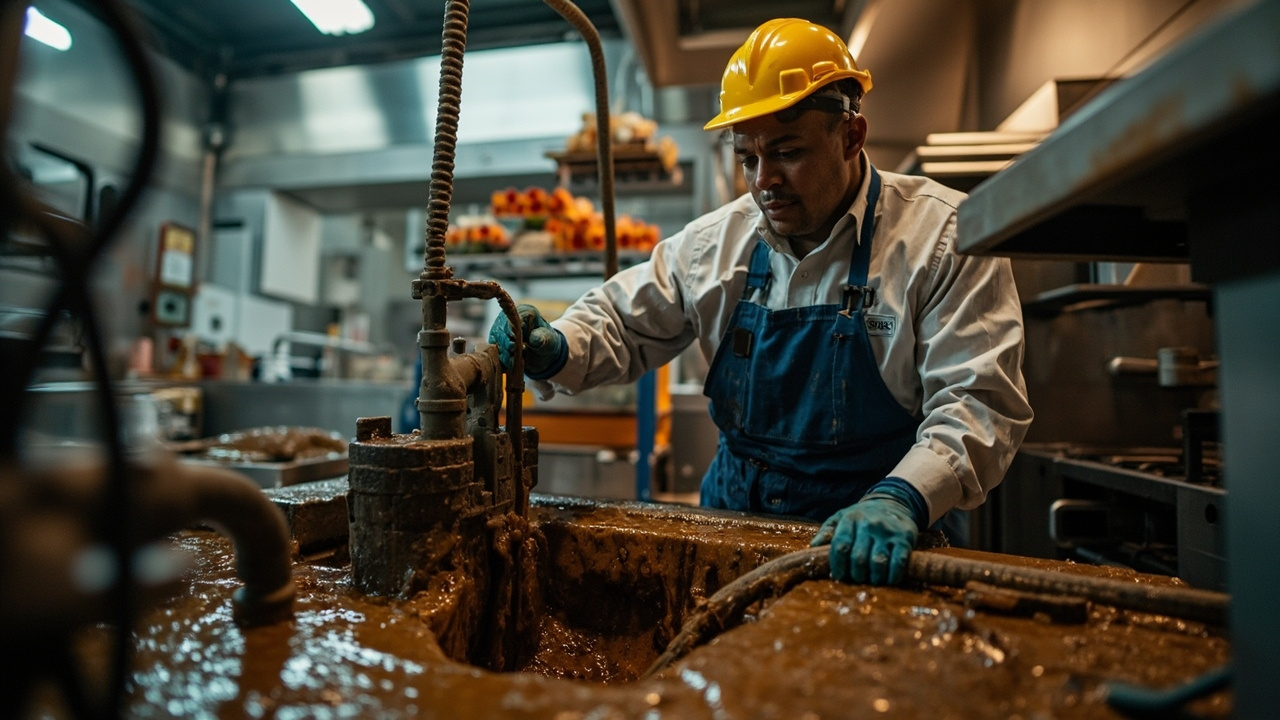
Professional grease trap cleanout is not a simple pump-and-dump operation. It requires vacuum truck equipment, proper waste manifesting, and adherence to D.C. Water's Fats, Oils, and Grease (FOG) program. Crestline Plumbing Washington DC uses high-capacity vacuum trucks that fully evacuate liquid and solid waste from your interceptor, scrape interior baffles to remove hardened buildup, and flush the inlet and outlet lines to restore full flow capacity.

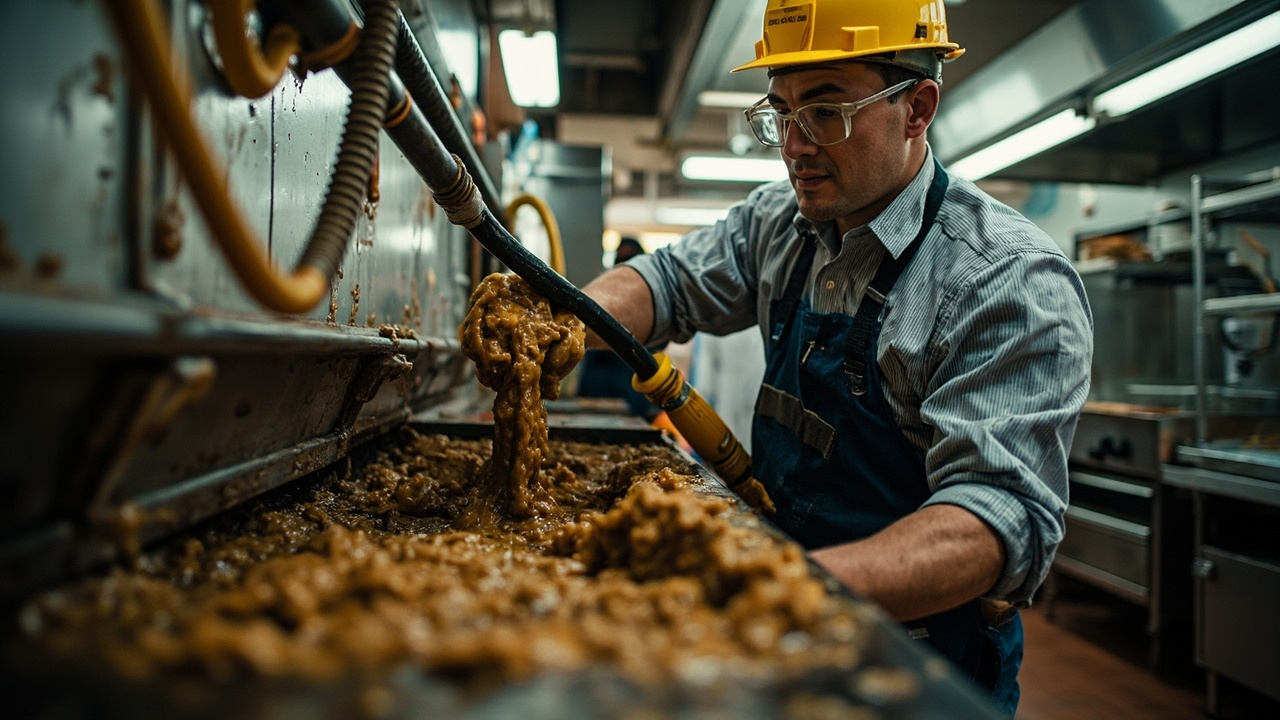
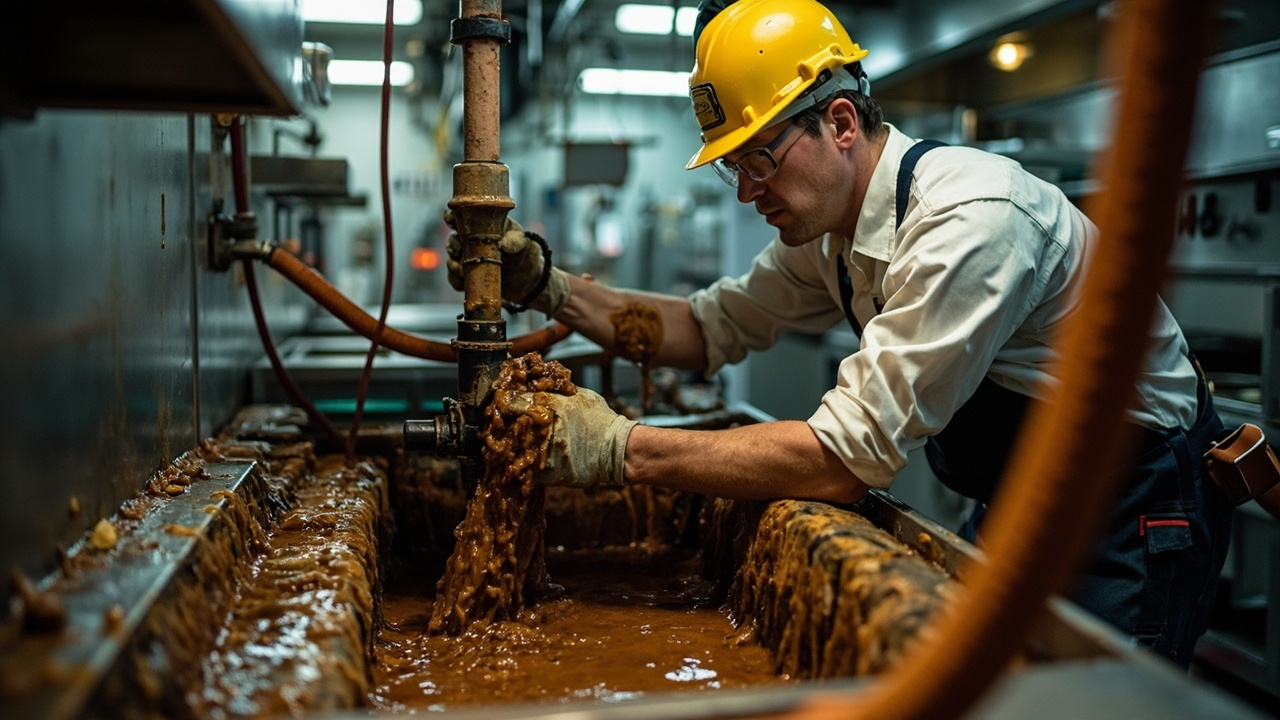
We start by pumping all liquid waste from the trap chamber. Then we remove the accumulated solids layer, which is often several inches thick in traps that have been neglected. This sludge contains decomposed food particles, solidified fats, and microbial biofilm that reduces your trap's effective volume. We scrape the baffle walls and bottom of the tank to remove adhesions that pumping alone cannot clear.

After evacuation, we inspect the trap's structural integrity. Cracked sidewalls, corroded baffles, and failed gaskets are common in older interceptors. We document these issues with photographs and provide a written condition report so you can plan repairs before a catastrophic failure occurs.

We complete every service with documentation required by D.C. regulations. You receive a waste manifest showing the volume pumped, the disposal facility, and the date of service. This paperwork is not optional. Health inspectors require proof of regular maintenance, and missing documentation can result in citations even if your trap is clean at the time of inspection.

All waste is transported to EPA-approved rendering facilities, not dumped illegally. Improper disposal carries felony charges and environmental liability that can bankrupt your business.

What Happens During Your Grease Trap Service Appointment

Grease Trap Cleaning & Pumping in Washington, D.C. – Prevent Health Code Violations and Keep Your Kitchen Running
01

Site Assessment and Access

Our crew arrives with a vacuum truck and inspects your trap location, verifies access to the manhole or cleanout port, and confirms the trap size and type. We check for visible leaks, structural damage, or signs of overflow. For indoor traps, we lay protective coverings to prevent contamination of your kitchen floor. We ask about your service schedule, volume, and any recent backups to identify patterns that might indicate a sizing or plumbing issue.
02

Full Evacuation and Cleaning

We remove the trap lid and begin vacuum extraction of all liquid and solid waste. High-pressure water jetting is used to break up compacted grease layers and flush debris from baffle walls. We scrape residue from the interior surfaces and vacuum again to remove loosened material. The entire process takes 30 to 90 minutes depending on trap size and contamination level. We do not leave until the trap is empty and the inlet and outlet pipes are flowing freely.
03

Documentation and Compliance Reporting

After cleaning, we replace the trap lid, clean the work area, and complete your service record. You receive a dated waste manifest, a condition report noting any structural concerns, and a recommended service interval based on your trap capacity and kitchen volume. This documentation satisfies D.C. health code requirements and should be kept on file for inspection. We can also enroll you in automatic scheduling to maintain compliance without tracking dates manually.

Why Washington, D.C. Restaurants Trust Crestline Plumbing for Grease Trap Compliance

Operating a commercial kitchen in the District requires more than good food. You need service partners who understand the regulatory environment and respond fast when problems occur. Crestline Plumbing Washington DC has worked with restaurants, hotels, and institutional kitchens across D.C. for years, and we know the local codes, inspector expectations, and common failure points in this market.

We are familiar with the District's FOG program requirements, which mandate cleaning frequency based on trap size and wastewater discharge volume. Many restaurant owners do not realize that their trap must be pumped when it reaches 25 percent solids capacity, not when it overflows. We help you establish a compliant schedule that prevents violations before they happen.

Our crews understand the logistical challenges of working in densely built neighborhoods like Dupont Circle, Adams Morgan, and Georgetown. Narrow alleys, limited truck access, and restricted service hours require planning. We coordinate with property managers, schedule services during off-peak hours, and complete the work without disrupting your business operations.

We also respond to emergency calls when traps fail mid-service. A backed-up grease interceptor during dinner service is not just inconvenient. It is a health code violation that can result in immediate closure. Our emergency response team can pump your trap, clear the blockage, and restore service within hours, minimizing revenue loss and protecting your license.

Local expertise matters when health inspectors arrive unannounced. We provide the documentation, maintenance records, and technical support you need to pass inspections confidently.

What to Expect from Our Grease Trap Pumping Service

Rapid Response and Flexible Scheduling

We schedule services around your operating hours, including early morning and late-night appointments to avoid disrupting peak business times. Emergency grease trap cleanout is available 24/7 for backups that threaten immediate closure. Most routine services are completed in under two hours from arrival to departure. We understand that every minute your kitchen is offline costs you money, so we work efficiently without cutting corners on compliance or quality.

Comprehensive Trap Inspection and Condition Reporting

Every service includes a visual inspection of your trap's structural condition, baffle integrity, and gasket seals. We look for cracks, corrosion, and signs of groundwater infiltration that indicate pending failure. You receive a written condition report with photographs documenting any defects. This allows you to budget for repairs and avoid catastrophic failures that require emergency replacement. We also evaluate whether your trap is properly sized for your current kitchen volume and recommend upgrades if needed.

Clean, Compliant, and Fully Documented Service

When we finish, your grease trap is empty, the work area is clean, and you have all required documentation in hand. Our waste manifests include the hauler name, disposal facility, waste volume, and service date as required by D.C. regulations. We leave no mess, no odor, and no guesswork about compliance. Your interceptor is ready for inspection, and you have proof of service that satisfies health department requirements. This is the standard every time.

Ongoing Maintenance Plans to Prevent Violations

Tracking cleaning schedules is one more task you do not need. We offer automatic service plans that schedule your grease trap pumping based on District regulations and your kitchen's waste output. You receive reminder calls before each appointment, and we maintain your service history so you always have current documentation for inspectors. Preventive maintenance plans reduce emergency callouts, extend your trap's lifespan, and keep you in continuous compliance without manual scheduling.

Frequently Asked Questions

You Have Questions,
We Have Answers

How much does it cost to get your grease trap cleaned? +

Grease trap cleaning costs in Washington, D.C. depend on trap size, accessibility, and waste volume. Commercial kitchens typically pay between $150 and $500 per service for standard traps. Larger interceptors serving multiple locations or high-volume establishments cost more due to labor intensity and disposal fees. D.C. Department of Energy and Environment regulations require proper waste manifesting, which affects pricing. Frequency impacts your total annual cost. Monthly service contracts often reduce per-visit pricing compared to emergency or quarterly cleanings. Request site-specific quotes based on your trap capacity and usage patterns for accurate budgeting.

How often should a grease trap be pumped? +

D.C. regulations require grease trap pumping based on the 25 percent rule. When your trap reaches one-quarter of its total capacity with fogs (fats, oils, and grease), you must pump it. High-volume restaurants in areas like Dupont Circle or Georgetown typically need monthly service. Moderate-use establishments may extend to quarterly pumping. Your Fats, Oils, and Grease (FOG) control plan should document inspection frequency. Track accumulation rates during the first 90 days to establish your baseline schedule. Washington's humid summers accelerate grease buildup. Non-compliance triggers municipal fines and potential sewer discharge violations.

How much does it cost to pump out a grease trap? +

Pumping costs mirror cleaning fees because pumping is the primary cleaning method. Washington, D.C. commercial properties pay $150 to $500 per pump-out depending on trap volume, typically measured in gallons or pounds. A 50-pound passive trap costs less than a 1,500-gallon in-ground interceptor. Service providers must transport waste to approved facilities and file manifests with the District. Emergency pump-outs during overflow situations command premium rates. Factor disposal fees, labor, and equipment mobilization into your budget. Request contracts that lock pricing for 12 months to control operating costs and ensure FOG compliance.

What is grease trap pumping? +

Grease trap pumping removes accumulated fogs, food solids, and wastewater from your interceptor using vacuum truck equipment. Technicians extract all three layers: floating grease cap, middle water zone, and settled solids at the bottom. This prevents fogs from entering the municipal sewer system, which causes blockages and sanitary sewer overflows. Washington, D.C. mandates proper pumping documentation through waste manifests. The process includes scraping baffles, inspecting inlet and outlet pipes, and measuring remaining capacity. Pumping differs from jetting or chemical treatments. Complete extraction maintains trap efficiency and keeps your kitchen compliant with District discharge standards.

Can I clean a grease trap myself? +

You can perform surface skimming between professional services, but complete cleaning requires licensed contractors in Washington, D.C. The District mandates proper waste handling, transportation, and disposal at approved facilities. DIY cleaning risks improper disposal, which violates environmental regulations and triggers fines. You lack vacuum equipment to extract bottom sludge and confined space safety gear for larger interceptors. Grease waste is classified material requiring manifesting. Manual cleaning also voids most FOG compliance documentation. Maintain your trap by scraping surfaces and controlling solids, but schedule professional pumping to meet the 25 percent rule and maintain legal operation.

What are the signs of a full grease trap? +

Slow drains across multiple sinks signal trap saturation. Foul odors near floor drains or the trap itself indicate anaerobic decomposition of trapped organics. Visible grease backup in your three-compartment sink or greasy water pooling around drain covers means you exceeded capacity. Kitchen temperatures above 85 degrees accelerate odor intensity during Washington's humid months. Gurgling sounds when water drains suggest restricted flow through grease-laden baffles. Fruit flies or drain flies congregate around full traps. Grease appearing in your floor drain cleanout or parking lot catch basin means fogs bypassed your trap completely, requiring immediate pumping and inspection.

Why do plumbers say not to use drain cleaner? +

Chemical drain cleaners damage pipes, harm municipal treatment plants, and violate most commercial grease trap warranties. Caustic formulas create heat that can melt PVC fittings common in D.C. restaurant plumbing. Chemicals push grease deeper into sewer lines rather than removing it, causing blockages downstream and potential backups into neighboring properties. The blue plains wastewater treatment facility prohibits certain chemicals that disrupt biological treatment processes. Drain cleaners also emulsify grease temporarily, allowing it to pass through your trap and solidify in public sewers. This triggers FOG violations. Professional hydro-jetting or mechanical augering removes blockages without chemical risks or compliance issues.

How long does grease trap cleaning take? +

Standard grease trap cleaning takes 30 to 90 minutes depending on trap size and access. Small passive traps under counters require minimal time. Large outdoor interceptors serving full-service restaurants in areas like Navy Yard demand longer service windows. Technicians need access to vacuum truck parking, which complicates service in dense D.C. neighborhoods with limited loading zones. The process includes pumping all contents, scraping baffles, inspecting components, and documenting waste volume. First-time cleanings on neglected traps take longer due to hardened grease and sediment. Schedule service during off-peak hours to minimize kitchen disruption and ensure adequate street access.

What happens if you don't clean a grease trap? +

Neglected grease traps cause expensive operational failures and legal consequences. Fogs overflow into the municipal sewer, triggering Washington D.C. Department of Energy and Environment enforcement actions. You face fines starting at $2,500 per violation, mandatory compliance plans, and potential permit suspension. Grease blockages create sewage backups into your kitchen, forcing closure during health inspections. Overflow damages flooring and creates slip hazards. You become liable for cleaning costs if your grease enters public infrastructure or neighboring properties. Hardened grease requires excavation and trap replacement, costing thousands more than routine maintenance. Insurance may deny claims for damage caused by documented maintenance neglect.

Can a plumber clean a grease trap? +

Licensed plumbers can clean grease traps if they hold proper waste handling credentials and transport permits. Washington, D.C. requires contractors to manifest grease waste and use approved disposal facilities. Many plumbing companies partner with specialized grease haulers or maintain separate pumping divisions. General plumbers focus on trap installation, repairs, and line jetting rather than routine pumping. Verify your plumber holds District business licenses and provides waste manifests for compliance documentation. Dedicated grease service companies often offer better contract pricing and flexible scheduling for routine maintenance. Choose providers experienced with D.C. FOG regulations to avoid documentation gaps during health inspections.

How Washington, D.C.'s Combined Sewer System Affects Grease Trap Regulations

Washington, D.C. operates a combined sewer system that handles both stormwater and wastewater in the same infrastructure. During heavy rain events, this system can overflow into the Anacostia and Potomac Rivers, creating environmental hazards. Grease blockages worsen these overflows by restricting sewer capacity. That is why the District enforces aggressive grease interceptor cleaning requirements and imposes heavy fines on businesses that contribute to sewer line obstructions. Restaurants near the waterfront and in low-lying areas like Navy Yard and Southwest Waterfront face particularly strict scrutiny because their discharge flows directly into the most vulnerable parts of the system.

D.C. health inspectors are trained to spot missing or falsified maintenance records. They know the typical service intervals for different trap sizes and will ask for manifests dating back months. Working with a local provider who understands these expectations and maintains proper documentation is not optional. It is the difference between passing inspection and facing closure. Crestline Plumbing Washington DC works exclusively in the D.C. metro area and knows the regulatory landscape, inspector priorities, and documentation standards that protect your business from violations.
Plumbing Services in The Washington DC Area

Our service area is conveniently located to provide fast and efficient plumbing solutions to residents and businesses throughout the Washington DC area. We are dedicated to ensuring that no matter where you are, a trusted and reliable plumber is just a call away. Our map provides a visual representation of our service coverage, helping you to quickly and easily locate our trusted team.

Address:
Crestline Plumbing Washington DC, 1140 3rd St NE, Washington, DC, 20002

Additional Services We Offer

Our news updates

Latest Articles & News from The Blogs

Living in a second floor apartment in Park View comes with unique plumbing challenges that many residents overlook until disaster…

Preventing laundry room floods in your second floor apartment in Park View

Living in a second floor apartment in Park View comes with unique plumbing challenges that many residents overlook until disaster…

Why water is pooling around your furnace in Michigan Park and how to fix it

Why water is pooling around your furnace in Michigan Park and how to fix it Water pooling around your furnace…

Why dual flush toilets are the smartest upgrade for busy households in Woodley Park

Why dual flush toilets are the smartest upgrade for busy households in Woodley Park Dual flush toilets cut household water…

Contact Us

Do not wait for a backup or a violation notice. Call Crestline Plumbing Washington DC at (771) 223-8111 to schedule compliant grease trap pumping and protect your business from costly shutdowns and fines.