Menu

Hydro Jetting vs. Snaking in Washington, D.C. – Get the Right Drain Cleaning Method for Your Clog

Understand the difference between hydro jetting and snaking so you choose the drain cleaning method that actually solves your blockage problem and protects your aging underground pipes from damage.

Slider Image 1
Slider Image 2
Slider Image 3
Slider Image 4
Slider Image 5
Slider Image 7
Slider Image 8
Slider Image 9
Slider Image 10
Slider Image 11

Why Washington, D.C. Homeowners Face Recurring Drain Clogs

Washington, D.C. sits on dense clay soil that shifts with seasonal freeze-thaw cycles. This movement stresses underground sewer laterals, creating belly sags where waste accumulates. Add the city's aging cast iron and clay pipe infrastructure, much of it installed before 1970, and you have a recipe for chronic blockages.

Many Capitol Hill and Shaw rowhouses share combined sewer systems that route both stormwater and wastewater through the same aging pipes. When heavy rain hits, these systems overload. Grease, soap residue, and organic matter build up on corroded pipe walls, narrowing the interior diameter until water barely flows.

You call a plumber. They run a drain snake. Water drains again. Three months later, the same toilet backs up.

The question is not whether you need drain cleaning. The question is which method actually fixes the problem. The difference between hydro jetting and snaking determines whether you get six months of relief or six years.

A plumbing snake is a mechanical auger. It punches a hole through the blockage. Hydro jetting uses pressurized water, typically between 3,000 and 4,000 PSI, to scour pipe walls clean. Think of the pros and cons of hydro jetting vs snaking this way: a snake treats the symptom, hydro jetting treats the cause.

In a city where the average home is 80 years old and tree roots infiltrate cracked terracotta laterals, understanding hydro jet vs drain snake options protects you from wasting money on temporary fixes.

Why Washington, D.C. Homeowners Face Recurring Drain Clogs
How Hydro Jetting and Snaking Actually Work

How Hydro Jetting and Snaking Actually Work

A drain snake, also called a rooter or auger, is a flexible metal cable with a cutting head. The technician feeds it through the cleanout or down the drain until it reaches the obstruction. The rotating head breaks up the clog or cuts through tree roots, opening a passage for water to flow.

Snaking works well for simple blockages like toilet paper wads, small grease clogs, or isolated root intrusions. It is fast, inexpensive, and requires minimal equipment. The limitation is mechanical. The snake only clears a channel through the center of the pipe. It leaves grease, scale, and biofilm clinging to the pipe walls. Within weeks or months, that residue traps new debris and the clog returns.

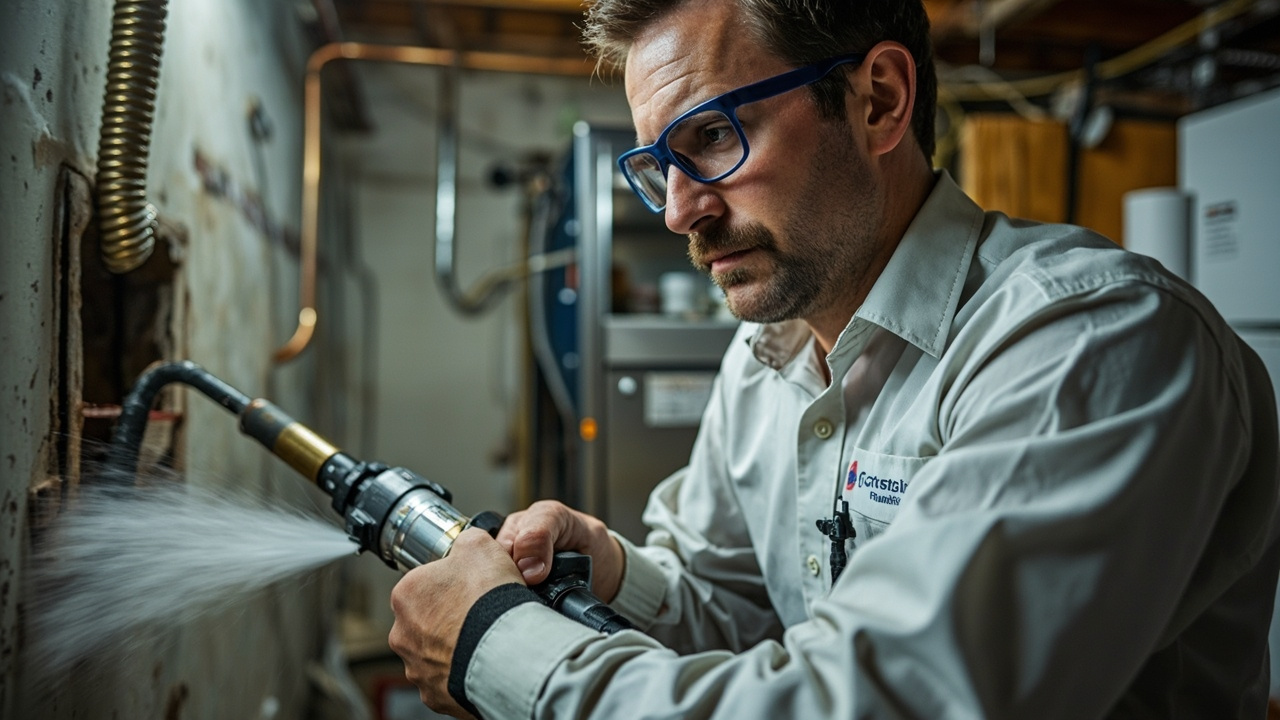
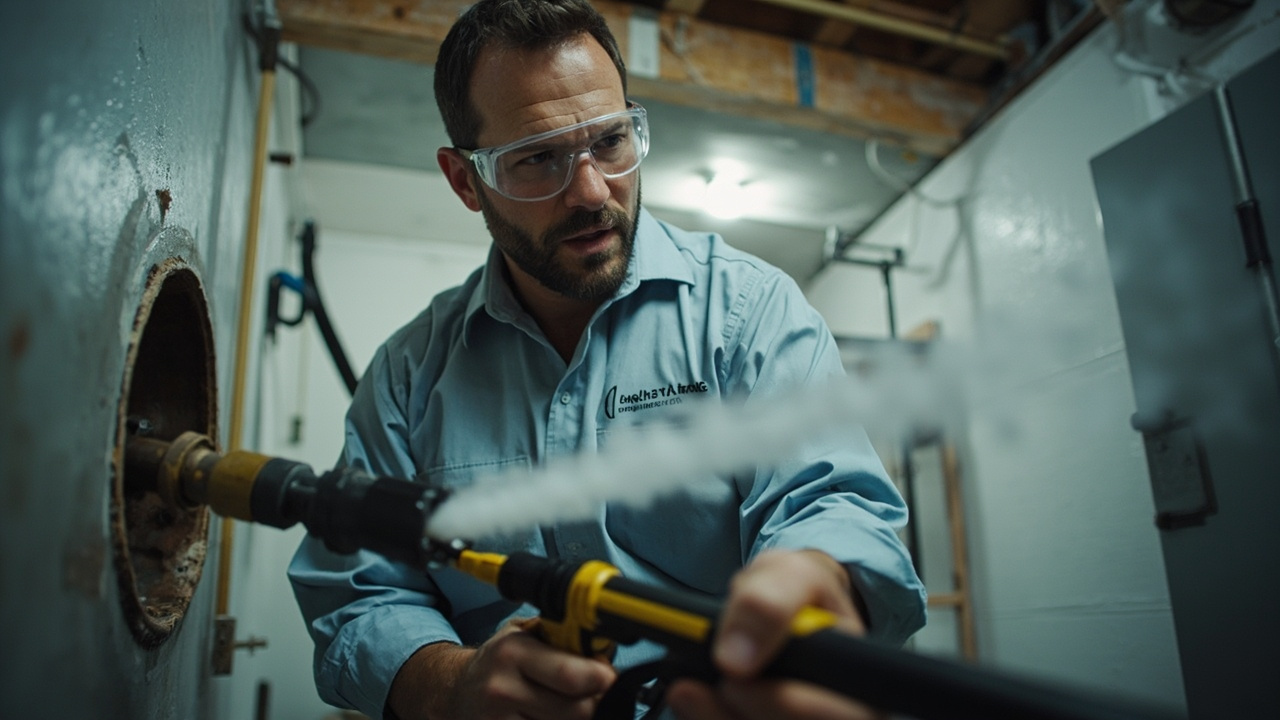
Hydro jetting uses a specialized nozzle attached to a high-pressure hose. The nozzle shoots water jets in multiple directions, some forward to break up the blockage, others backward to propel the hose deeper into the pipe. The pressurized water scours the entire interior surface, removing grease, mineral scale, soap scum, and even light root intrusions.

Hydro jetting vs rooter performance differs most in older pipes with decades of buildup. A snake might restore 40 percent flow capacity. Hydro jetting restores 95 percent or more. For Washington, D.C. properties with cast iron stacks corroded by decades of hard water, that difference matters.

The trade-off is cost and complexity. Hydro jetting requires a truck-mounted or trailer-mounted jetters, camera inspection to assess pipe condition beforehand, and a trained operator. Plumbing snake vs water jetting price difference can be two to three times higher for jetting, but the interval between service calls stretches from months to years.

What Happens During a Drain Cleaning Service Call

Hydro Jetting vs. Snaking in Washington, D.C. – Get the Right Drain Cleaning Method for Your Clog
01

Camera Inspection First

Before choosing hydro jetting or snaking, the technician inserts a waterproof camera into the drain line. The camera reveals the blockage type, pipe material, wall thickness, and any cracks or collapses. In Washington, D.C., where many sewer laterals are fragile clay tile, this step prevents catastrophic pipe failure. You cannot safely hydro jet a pipe on the verge of collapse.
02

Method Selection and Execution

Based on camera findings, the technician selects the appropriate tool. For a simple wad of paper in a PVC line, snaking is sufficient. For a grease-caked cast iron stack or root-invaded terracotta lateral, hydro jetting is the better choice. The technician inserts the chosen tool through the cleanout or drain opening and clears the obstruction, monitoring progress with the camera if needed.
03

Post-Cleaning Verification

After clearing the line, the technician runs the camera again to confirm complete removal of debris and verify pipe integrity. This second pass documents the results and identifies any cracks, offsets, or root entry points that need repair. You leave with video evidence of what was done and what condition your pipes are in, which matters for future maintenance planning.

Why Local Expertise Matters for D.C. Drain Problems

Washington, D.C. enforces the 2020 International Plumbing Code with local amendments through the Department of Consumer and Regulatory Affairs. Any work on sewer laterals requires permits and inspections. A plumber unfamiliar with DCRA protocols will slow your project or fail inspection.

Crestline Plumbing Washington DC works daily with the city's unique infrastructure challenges. We know that Georgetown rowhouses often have shared laterals that require coordination with neighbors. We know that Capitol Hill properties frequently have terracotta pipes that crack under freeze-thaw stress. We know that DC Water requires backflow prevention on certain connections and that laterals crossing public easements need special permits.

We also understand the Potomac River's influence on local water tables. Properties in low-lying neighborhoods like Navy Yard or Anacostia deal with high groundwater that infiltrates cracked laterals, bringing mud and silt into the system. Hydro jetting removes that sediment. Snaking does not.

Our technicians carry both snakes and hydro jetters on every service truck. We use camera inspection as standard practice, not an upsell. This approach prevents the common mistake of hydro jetting a pipe too fragile to withstand the pressure or snaking a line that needs full cleaning.

Local knowledge extends to timing. We schedule drain maintenance before the spring thaw when tree roots become active and before fall when leaf debris clogs combined sewers. We understand that D.C.'s aging infrastructure means prevention costs less than emergency repairs, especially when your basement shares a wall with your neighbor's and a sewer backup affects both properties.

Choosing a plumber who knows Washington, D.C. pipe conditions, permit requirements, and seasonal challenges reduces risk and delivers results that last.

What to Expect When You Call for Drain Cleaning

Fast Response Times

Most drain cleaning calls get same-day or next-day service. Emergency backups, like a flooded basement or overflowing toilet, receive priority response. Standard appointments for slow drains or preventive maintenance typically schedule within 48 hours. Our trucks stock both snakes and hydro jetters, so the technician arrives prepared to handle any blockage type. You do not wait days for a second visit because the first crew brought the wrong equipment.

Thorough Diagnostic Process

The technician starts with questions about your symptoms. How often does the drain clog? Do multiple fixtures back up simultaneously? Have you noticed gurgling sounds or slow drainage elsewhere? These clues indicate whether the problem is localized or systemic. Next comes camera inspection. The technician feeds a flexible camera line through the cleanout to locate the blockage, measure its size, and assess pipe condition. You watch the monitor in real time. This transparency lets you see exactly what needs fixing and why one method works better than another.

Clean Pipes That Stay Clean

After clearing the line, the technician confirms water flows freely and all fixtures drain properly. Hydro jetting leaves pipes smooth and clean, which prevents new clogs from forming quickly. Snaking leaves residue, so you might need service again in three to six months. The technician provides a post-cleaning camera video showing the cleared pipe interior. This documentation proves the work quality and establishes a baseline for future comparisons. If roots or cracks appear on camera, you get a clear explanation of repair options and cost factors.

Preventive Maintenance Plans

Recurring drain problems benefit from scheduled hydro jetting. Many D.C. homeowners with old cast iron stacks or tree-lined properties schedule annual or biannual jetting to prevent emergency backups. Preventive service costs less than emergency calls and protects your property from water damage. The technician reviews your camera inspection footage and recommends a maintenance interval based on your specific pipe condition, usage patterns, and local factors like tree root growth or grease accumulation. You control the schedule and budget accordingly.

Frequently Asked Questions

You Have Questions,
We Have Answers

Is hydro jetting worth the cost? +

Yes, hydro jetting is worth the cost if you face recurring clogs or slow drains. Snaking only pokes a hole through blockages, leaving grease and debris clinging to pipe walls. Hydro jetting uses high-pressure water to scour pipes clean, removing buildup completely. In Washington, D.C., older homes with cast iron or clay sewer lines accumulate decades of grease, soap scum, and tree root intrusion. Hydro jetting eliminates these issues, preventing future clogs and reducing emergency calls. The upfront cost is higher than snaking, but the long-term savings and pipe health make it a smart investment for property owners.

How is hydrojetting different than snaking? +

Hydro jetting uses pressurized water streams (up to 4,000 PSI) to blast away clogs and clean pipe interiors. Snaking uses a rotating cable with a cutting head to bore through blockages. Snaking clears a path but leaves grease, scale, and debris on pipe walls, so clogs return quickly. Hydro jetting removes buildup entirely, restoring full pipe diameter. In Washington, D.C., where aging infrastructure and heavy grease loads plague commercial kitchens and older homes, hydro jetting delivers a thorough cleaning. Snaking is faster and cheaper for simple stoppages, but hydro jetting solves chronic drainage problems.

Is hydro jetting safe for old pipes? +

Hydro jetting can be safe for old pipes if performed correctly by a trained professional. Before hydro jetting, a camera inspection identifies pipe condition, cracks, or weak joints. In Washington, D.C., many homes have aging cast iron, clay, or Orangeburg pipes. If pipes are severely corroded or brittle, hydro jetting pressure may worsen damage. A qualified plumber adjusts water pressure based on pipe material and age. For fragile lines, snaking or pipe replacement may be safer options. Never allow hydro jetting without a pre-inspection. Skilled technicians protect your system while delivering effective cleaning.

What are the signs I need hydro jetting? +

You need hydro jetting if you experience frequent clogs, slow drains in multiple fixtures, sewage backups, or foul odors from drains. Tree root intrusion, grease buildup, and mineral scale create stubborn blockages that snaking cannot fix. In Washington, D.C., older neighborhoods with mature trees often face root infiltration in sewer lines. If your drains gurgle, water pools in sinks or tubs, or you smell sewage in your yard, buildup is likely severe. A camera inspection confirms the issue. Hydro jetting removes these obstructions completely, restoring proper flow and preventing expensive emergency repairs.

Does hydro jetting have any disadvantages? +

Hydro jetting has few disadvantages, but it costs more upfront than snaking and requires specialized equipment. It is not suitable for extremely fragile or collapsed pipes. In Washington, D.C., homes with pre-1950s clay or Orangeburg sewer lines may need replacement instead of hydro jetting if the pipes are badly deteriorated. Hydro jetting also requires access points for the hose, which may mean removing toilets or cleanouts. If used improperly, excessive pressure can damage weakened pipes. Always hire a licensed plumber who performs a camera inspection first to assess pipe integrity and tailor the approach.

Why do plumbers say not to use drain cleaner? +

Plumbers advise against drain cleaners because they contain caustic chemicals that corrode pipes, damage fixtures, and create toxic fumes. Liquid drain cleaners generate heat that can warp PVC joints or weaken old cast iron. They also provide only temporary relief, as they dissolve some debris but leave grease and buildup behind. In Washington, D.C., where older plumbing mixes materials like galvanized steel, cast iron, and PVC, chemical reactions can accelerate corrosion. Repeated use leads to leaks and expensive repairs. Professional methods like snaking or hydro jetting remove clogs safely without harming your plumbing system or the environment.

Can I do hydro jetting myself? +

No, you should not attempt hydro jetting yourself. Professional hydro jetting equipment requires training to operate safely and uses high-pressure water that can cause serious injury or pipe damage. Without a camera inspection, you risk rupturing weakened pipes, flooding your home, or worsening blockages. In Washington, D.C., where homes have diverse plumbing materials and ages, improper pressure settings can destroy fragile clay or Orangeburg lines. Licensed plumbers assess pipe condition, adjust pressure accordingly, and identify underlying issues like root intrusion or offset joints. DIY attempts often create costly damage that far exceeds professional service costs.

How much do plumbers charge to snake a main line? +

Plumbers in Washington, D.C. typically charge between $150 and $400 to snake a main sewer line, depending on blockage severity, line length, and access difficulty. Simple clogs near cleanouts cost less, while deep stoppages requiring toilet removal or outdoor access increase labor. Older homes with narrow or corroded pipes may require multiple attempts. Geographic factors matter too. Georgetown rowhouses with limited basement access or properties in historic districts with buried cleanouts add complexity. Pricing varies by company, time of day, and emergency status. Get an upfront estimate before work begins to avoid surprises.

What do plumbers recommend to unclog drains? +

Plumbers recommend mechanical methods like snaking or hydro jetting to unclog drains. For simple stoppages, a drain snake clears the blockage quickly. For chronic clogs, grease buildup, or root intrusion, hydro jetting is the most effective solution. In Washington, D.C., where aging infrastructure and heavy tree cover create persistent drainage issues, hydro jetting delivers long-term results. Plumbers avoid chemical drain cleaners due to pipe damage and environmental harm. A camera inspection often precedes treatment to identify the exact cause and location. Professional tools remove blockages safely, restore flow, and prevent recurring problems without harming your plumbing system.

Can hydro jetting damage PVC pipes? +

Hydro jetting typically does not damage PVC pipes if performed by a trained professional using correct pressure settings. PVC tolerates high water pressure, but excessive force or improper technique can harm weakened joints, cracked sections, or poorly installed fittings. In Washington, D.C., newer homes often use PVC for drain and sewer lines, which handle hydro jetting well. A camera inspection identifies any vulnerabilities before treatment. Licensed plumbers adjust PSI based on pipe material, diameter, and condition. DIY hydro jetting or unlicensed operators pose the greatest risk. When done correctly, hydro jetting cleans PVC effectively without causing damage.

How D.C.'s Aging Sewer Infrastructure Affects Your Drain Cleaning Options

Washington, D.C. has more than 1,300 miles of combined sewer pipes that handle both stormwater and wastewater. Many date to the 1800s. When heavy rain overwhelms system capacity, untreated sewage discharges into the Anacostia River. DC Water is spending billions on underground storage tunnels to fix this, but your home's lateral connection remains your responsibility. Old terracotta and cast iron laterals crack under pressure from clay soil movement and freeze-thaw cycles. Hydro jetting can worsen hidden cracks in fragile pipes, which is why camera inspection comes first. Snaking might be safer for severely degraded lines, but it will not restore full flow capacity. Understanding hydro jetting vs rooter limitations protects your pipes and your wallet.

Washington, D.C. requires licensed master plumbers to supervise all drain cleaning work that involves sewer laterals. The District also mandates backflow prevention devices on certain connections to protect the public water supply. A qualified local plumber knows these requirements and ensures compliance. Crestline Plumbing Washington DC maintains active licenses with DCRA and stays current on code changes. We work with DC Water inspectors regularly and understand permit procedures for lateral repairs or replacements. When you choose a local provider with established relationships and regulatory knowledge, your project moves faster and meets all legal requirements without surprises.
Plumbing Services in The Washington DC Area

Our service area is conveniently located to provide fast and efficient plumbing solutions to residents and businesses throughout the Washington DC area. We are dedicated to ensuring that no matter where you are, a trusted and reliable plumber is just a call away. Our map provides a visual representation of our service coverage, helping you to quickly and easily locate our trusted team.

Address:
Crestline Plumbing Washington DC, 1140 3rd St NE, Washington, DC, 20002

Additional Services We Offer

Our news updates

Latest Articles & News from The Blogs

Living in a second floor apartment in Park View comes with unique plumbing challenges that many residents overlook until disaster…

Preventing laundry room floods in your second floor apartment in Park View

Living in a second floor apartment in Park View comes with unique plumbing challenges that many residents overlook until disaster…

Why water is pooling around your furnace in Michigan Park and how to fix it

Why water is pooling around your furnace in Michigan Park and how to fix it Water pooling around your furnace…

Why dual flush toilets are the smartest upgrade for busy households in Woodley Park

Why dual flush toilets are the smartest upgrade for busy households in Woodley Park Dual flush toilets cut household water…

Contact Us

Stop paying for temporary fixes. Call Crestline Plumbing Washington DC at (771) 223-8111 for camera inspection and the right drain cleaning method for your pipes. We answer calls seven days a week and provide upfront pricing before we start work.