Menu

Industrial Pipe Repair in Washington, D.C. – Minimize Downtime and Keep Your Facility Running

Emergency industrial piping repair services for manufacturing plants, federal facilities, and commercial buildings across the greater Washington, D.C. metro, with minimal operational disruption and full regulatory compliance.

Slider Image 1
Slider Image 2
Slider Image 3
Slider Image 4
Slider Image 5
Slider Image 7
Slider Image 8
Slider Image 9
Slider Image 10
Slider Image 11

Industrial Piping Failures Cost Washington, D.C. Businesses More Than You Think

When a process line fails in your Washington, D.C. facility, every minute of downtime translates directly to lost revenue. The District's aging infrastructure compounds this problem. Many industrial buildings in neighborhoods like Ivy City and Brookland operate with piping systems installed decades ago, before modern corrosion-resistant materials became standard.

Washington, D.C.'s unique position as a federal hub means many facilities must maintain strict environmental compliance standards. A steam line rupture or chemical process leak does not just halt production. It triggers regulatory reporting requirements, potential EPA violations, and liability exposure that can cripple operations for weeks.

The Potomac and Anacostia watersheds create additional moisture infiltration challenges for below-grade industrial piping. Combine this with the region's freeze-thaw cycles, and you see accelerated corrosion in carbon steel systems. Underground utility congestion in the District makes excavation-based repairs complex and time-consuming.

Industrial pipeline repair demands precision. A failed weld on a 6-inch schedule 40 steam line operating at 150 PSI does not just leak. It creates a safety hazard and can damage adjacent equipment. Process piping repair requires understanding your specific operational requirements, whether you run food-grade stainless lines or high-pressure hydraulic systems.

Most facilities lack in-house capacity for industrial pipe restoration. Your maintenance team handles day-to-day operations, but a catastrophic failure demands specialized welding certifications, pressure testing equipment, and knowledge of ASME B31.3 process piping codes. That expertise gap is where industrial piping repair services become critical to business continuity.

Industrial Piping Failures Cost Washington, D.C. Businesses More Than You Think
How Professional Industrial Pipe Rehabilitation Protects Your Operations

How Professional Industrial Pipe Rehabilitation Protects Your Operations

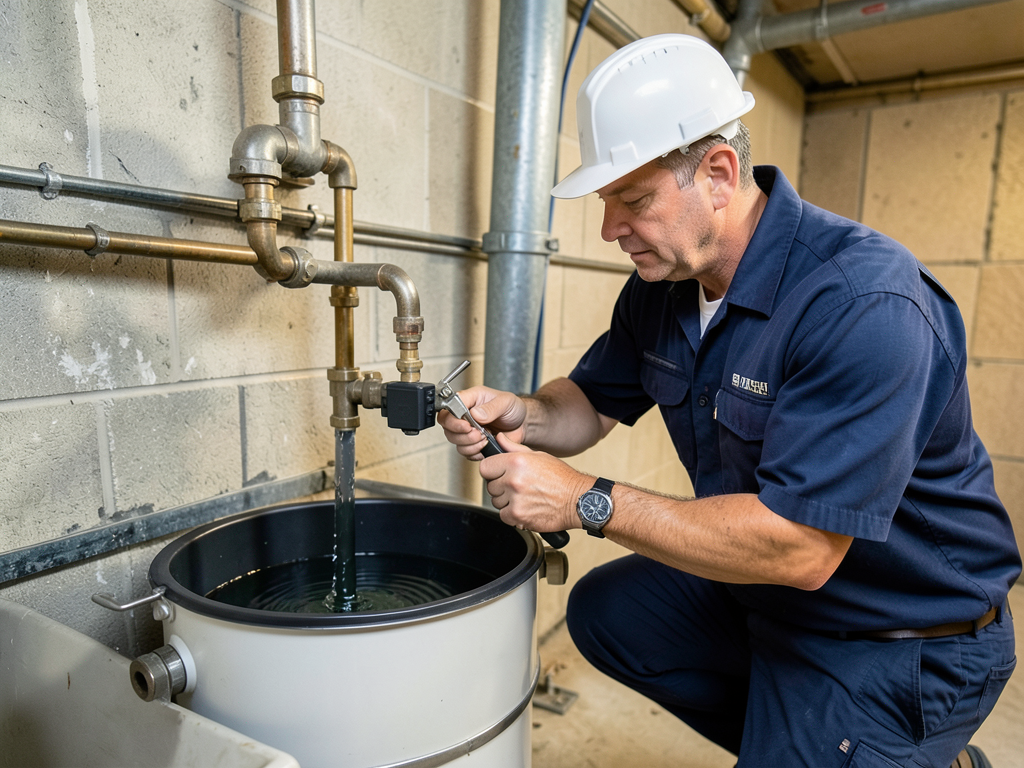
Industrial pipe repair begins with accurate failure analysis. A pinhole leak in a condensate return line signals different problems than a cracked fitting on a compressed air header. Crestline Plumbing Washington DC dispatches technicians with industrial certifications who can read your P&IDs and isolate the root cause, whether it is galvanic corrosion, thermal expansion stress, or improper support spacing.

We perform non-destructive testing before recommending a repair strategy. Ultrasonic thickness testing reveals hidden wall loss in aging carbon steel. Dye penetrant testing identifies micro-cracks in stainless welds. This data determines whether you need a section replacement, a split sleeve repair, or full industrial pipe restoration.

For process piping repair, material selection is non-negotiable. A food processing plant cannot use the same gasket compounds as a chemical facility. We stock ANSI/ASME-rated flanges, schedule 80 fittings for high-pressure applications, and NSF-certified materials for sanitary systems. Every weld receives proper heat treatment and pressure testing before we return your system to service.

Temporary bypass systems keep your facility operational during repairs. If we need to replace a 50-foot run of corroded steam pipe, we install a temporary header that maintains partial capacity. This approach limits downtime to hours instead of days.

Industrial piping repair services also include documentation. You receive weld certifications, pressure test reports, and material traceability records. Federal contractors and regulated industries in Washington, D.C. require this documentation for compliance audits. We provide the paperwork that keeps your facility defensible during inspections.

Our Industrial Pipeline Repair Protocol

Industrial Pipe Repair in Washington, D.C. – Minimize Downtime and Keep Your Facility Running
01

System Assessment and Isolation

We begin by reviewing your facility's piping schematics and identifying all isolation points. Our technicians coordinate with your operations team to safely depressurize and drain the affected system. We use lockout/tagout procedures that comply with OSHA 1910.147 standards. This phase includes baseline documentation through photography and pressure readings to establish pre-repair conditions for your records.
02

Precision Repair Execution

Certified welders perform repairs using procedures qualified to ASME Section IX requirements. We match weld filler metals to your existing pipe specifications and apply proper pre-heat for carbon steel systems. All joints receive visual inspection and non-destructive testing. For threaded connections, we use calibrated torque wrenches and approved thread sealants rated for your operating pressure and temperature.
03

Testing and Commissioning

Every repaired section undergoes hydrostatic pressure testing at 1.5 times operating pressure for a minimum hold period. We document test results and provide leak-free certification. Before returning your system to production, we perform controlled re-pressurization while monitoring for anomalies. You receive complete weld maps, material certifications, and test reports for your facility maintenance files and regulatory compliance documentation.

Why Washington, D.C. Industrial Facilities Trust Local Expertise

Washington, D.C. operates under some of the nation's strictest building codes. The Department of Consumer and Regulatory Affairs requires permits for pressure piping modifications in commercial and industrial settings. A contractor unfamiliar with DCRA procedures can delay your project by weeks while they navigate permit applications and inspection scheduling.

Crestline Plumbing Washington DC maintains established relationships with District inspectors and understands local code interpretations. We know which modifications require sealed engineering drawings and which fall under routine maintenance exemptions. This knowledge accelerates your project timeline and prevents costly stop-work orders.

Federal facilities in the District add another complexity layer. Many industrial sites fall under GSA jurisdiction or operate within secure perimeters. Our technicians hold the necessary clearances and understand access protocols for government installations. We have completed process piping repairs at facilities throughout the District without security incidents or procedural violations.

The greater Washington, D.C. metro spans multiple jurisdictions. A facility in Ivy City operates under different requirements than one in Prince George's County or Arlington. We maintain licensure across the entire region and understand the nuanced code differences between D.C., Maryland, and Virginia jurisdictions.

Material availability matters during emergency repairs. We stock industrial-grade components locally, eliminating wait times for specialty fittings or flanges. When a steam trap fails on your heating system or a compressed air header develops a crack, we arrive with the parts needed for immediate repair.

Industrial pipe rehabilitation often reveals systemic problems. While repairing one section, we identify upstream issues that will fail next. This predictive insight helps you budget for planned maintenance instead of responding to emergency failures. We provide condition assessments that extend your piping system's service life.

What to Expect From Our Industrial Piping Services

Response Time and Availability

Industrial pipe failures do not respect business hours. We maintain 24/7 emergency response capability for critical infrastructure. When you call with a process line failure, we dispatch technicians immediately, with typical arrival times under two hours for District locations. For planned industrial pipe restoration projects, we schedule work during your maintenance windows, including nights and weekends, to avoid disrupting production schedules. Our project coordinators work directly with your facilities manager to minimize operational impact.

Comprehensive System Evaluation

Before we recommend repairs, we perform a thorough assessment of your piping system. This includes visual inspection of accessible components, ultrasonic thickness testing on suspect areas, and review of your maintenance history. We identify code compliance gaps, support inadequacies, and corrosion patterns that indicate future failure points. You receive a written evaluation with prioritized recommendations and budget estimates for both immediate repairs and long-term system improvements. This data-driven approach prevents recurring failures and helps you allocate capital appropriately.

Quality and Code Compliance

Every industrial piping repair we complete meets or exceeds ASME B31.3 process piping standards and local code requirements. Our welders maintain current certifications for the materials and processes your facility requires. We use calibrated testing equipment and document all pressure tests, weld procedures, and material traceability. You receive complete project documentation, including photographs, test reports, and material certifications. This documentation package satisfies insurance requirements, regulatory audits, and facility transfer due diligence processes. Quality is verifiable, not just promised.

Ongoing Support and Maintenance

Industrial pipe rehabilitation represents a significant investment. We protect that investment through preventive maintenance programs tailored to your facility's needs. These programs include scheduled inspections, corrosion monitoring, and proactive component replacement before failures occur. For facilities with critical processes, we offer priority service agreements that guarantee response times and maintain dedicated parts inventory. Our maintenance database tracks your system's history and generates predictive alerts based on equipment age and operating conditions. This proactive approach reduces emergency repairs and extends equipment life.

Frequently Asked Questions

You Have Questions,
We Have Answers

How much does it typically cost to fix a broken pipe? +

Industrial pipe repair costs depend on pipe material, damage extent, system accessibility, and repair method. Simple patch repairs on accessible steel lines range from moderate to significant investment, while trenchless repairs or in-place lining for underground systems cost more. For Washington, D.C. facilities, factors like confined space requirements, code compliance with DC plumbing regulations, and business interruption windows affect pricing. Cast iron systems common in older District buildings often need specialized welding or coupling repairs. Your contractor should provide diagnostics first, then outline repair versus replacement cost scenarios before any work begins. Request itemized proposals comparing methods and downtime impacts.

What is the best way to fix a leaking pipe? +

The optimal method depends on pipe type, leak location, and operational constraints. For pressurized steel or copper lines, mechanical couplings or split-sleeve repairs minimize downtime. Cast iron systems benefit from no-hub couplings or epoxy lining for persistent pinhole leaks. Washington, D.C. commercial facilities often face access challenges in tight mechanical rooms or below-grade locations, making trenchless solutions practical. Quick-fix products like tape or putty provide temporary relief but fail under industrial pressures and temperature cycling. Professional repairs address root causes like corrosion or joint failure, preventing recurrence. Always isolate the affected section, assess structural integrity, and select repair methods matching your system's operating pressures.

How long does epoxy pipe repair last? +

Epoxy pipe lining typically lasts 35 to 50 years in commercial applications when properly installed. Performance depends on surface preparation, curing conditions, system pressures, and chemical exposure. For Washington, D.C. industrial facilities handling aggressive chemicals or high-temperature fluids, specialized epoxy formulations extend longevity. The District's seasonal temperature swings and humid conditions require complete moisture removal before application. Standard epoxy coatings resist corrosion and seal pinhole leaks effectively in water distribution and drain systems. Thickness, overlap quality, and post-cure inspection determine durability. Epoxy fails prematurely if applied over active leaks, contaminated surfaces, or without proper ventilation during curing. Independent testing confirms bond strength before restoring full operation.

How much should it cost to fix a leaking pipe? +

Leak repair costs vary by pipe size, material, accessibility, and damage severity. Small accessible leaks on exposed copper or steel lines cost less than repairs requiring concrete cutting or ceiling demolition. For Washington, D.C. commercial properties, emergency after-hours service increases costs, but prevents water damage to inventory or tenant spaces. Underground leaks needing excavation or trenchless repair carry higher price tags due to site restoration and permitting. Cast iron stack repairs in multi-story buildings require scaffolding or lift equipment. Obtain multiple diagnostics before approving work. Costs include labor, materials, system shutdown coordination, and testing. Delaying repairs compounds damage and increases total expenditure through secondary water damage or system failure.

Is it cheaper to replace or repair pipes? +

Replacement costs more upfront but delivers longer service life for deteriorated systems. Repair makes financial sense for isolated damage on otherwise sound piping. In Washington, D.C. facilities, replacement becomes cost-effective when pipes show widespread corrosion, repeated leak history, or approach 70 percent of expected lifespan. Older cast iron, galvanized steel, or original copper installations often cost less to replace than continual patching. Consider business interruption costs. Phased replacement minimizes downtime versus emergency repairs during failures. Evaluate total ownership costs over ten years. Repairs postpone capital expenditure but may increase maintenance frequency. Replacement improves reliability, reduces insurance risk, and supports operational predictability. Consult engineers for lifecycle cost analysis on aging infrastructure.

Will insurance pay for a busted pipe? +

Commercial property insurance typically covers sudden pipe failures but excludes gradual deterioration or maintenance neglect. Washington, D.C. business owners should review policy endorsements for water damage and business interruption coverage. Insurers require prompt notification and damage mitigation. Frozen pipe bursts during winter cold snaps qualify as covered events if you maintained proper heating. Slow leaks from corrosion or deferred maintenance face denial. Document all failures with photos, repair invoices, and maintenance logs. Some policies cover resulting damage to inventory or equipment but not the pipe repair itself. Consult your agent before filing claims. High claim frequency increases premiums. Preventive maintenance and system monitoring reduce risk and support coverage eligibility.

Does flex seal really stop water leaks? +

Flex Seal products provide temporary emergency stops on low-pressure residential systems but fail in industrial applications. Commercial and industrial environments demand pressures, temperatures, and chemical exposure beyond these products' design limits. Washington, D.C. facility managers should never rely on spray sealants for code-compliant repairs on potable water, gas, or process piping. These products cannot bond effectively to wet, corroded, or contaminated surfaces common in active leaks. They degrade rapidly under thermal cycling and UV exposure. Use only for non-critical drain lines as temporary measures until professional repairs occur. Building inspectors reject spray sealants during code inspections. Proper repairs use mechanical couplings, welding, or engineered epoxy systems meeting ASTM standards.

What is the best sealant for pipe leaks? +

Industrial-grade pipe sealants depend on application and pipe material. For threaded connections, PTFE tape combined with pipe dope rated for your system's pressure and temperature works best. Anaerobic sealants cure in absence of air, creating permanent seals on metal threads. For active leaks on pressurized lines, two-part epoxy putty provides temporary emergency stops until mechanical repairs occur. Silicone and rubber-based sealants fail under pressure and temperature cycling. Washington, D.C. facilities handling steam, chemicals, or food-grade systems need NSF-certified products meeting federal standards. Never use sealants as permanent fixes on compromised pipe bodies. Mechanical split-sleeve repairs or welded patches provide code-compliant permanent solutions. Match sealant chemistry to pipe material and conveyed fluids.

How to fix a broken pipe without replacing it? +

Non-replacement repairs include mechanical couplings, epoxy lining, and welded patches. Split-sleeve clamps work on accessible pipe sections, clamping over leaks with gasket seals. Epoxy pipe lining rehabilitates corroded interiors without excavation, ideal for Washington, D.C. buildings where access limitations prevent replacement. Welded steel patches restore structural integrity on large-diameter industrial lines. No-hub couplings join cast iron sections after cutting out damaged segments. Trenchless methods like cured-in-place pipe lining rehabilitate underground sections without digging. Success requires proper surface preparation, damage assessment, and method selection matching operating conditions. Temporary fixes like clamps eventually fail. Professional diagnostics determine if non-replacement methods meet code requirements and provide adequate service life for your application.

What is 4 times stronger than epoxy? +

Methyl methacrylate resins offer higher tensile strength than standard epoxy formulations in specific applications. Some polyurethane and polyurea coatings exceed epoxy in flexibility and impact resistance. However, strength alone does not determine repair suitability. Epoxy provides superior chemical resistance, temperature tolerance, and bonding characteristics for pipe rehabilitation. Washington, D.C. industrial facilities need repairs matching operational demands, not just raw strength numbers. Cured-in-place pipe liners use various resin systems selected for chemical compatibility and operating pressures. Consult engineers to specify appropriate materials based on conveyed fluids, temperatures, and structural requirements. Material selection requires balancing strength, flexibility, cure time, and long-term durability. Independent testing verifies performance before returning systems to service.

How Washington, D.C.'s Federal Presence Shapes Industrial Pipe Repair Standards

The concentration of federal facilities and government contractors in Washington, D.C. creates uniquely stringent requirements for industrial piping work. Many District facilities operate under Federal Acquisition Regulation clauses that mandate specific material certifications, labor standards, and documentation protocols. A repair that would satisfy commercial standards elsewhere may fail federal audit requirements here. Process piping serving government laboratories, data centers, or secure facilities must meet Enhanced Security Standards that affect everything from background checks for technicians to chain-of-custody protocols for removed components. This regulatory environment demands contractors who understand federal compliance frameworks, not just basic plumbing codes.

Washington, D.C.'s industrial sector includes food processing facilities in Northeast, research laboratories throughout the District, and manufacturing operations in Ivy City. Each sector operates under different regulatory oversight. A pharmaceutical lab's purified water system requires different materials and validation protocols than a brewery's process lines, even though both involve stainless piping. Crestline Plumbing Washington DC maintains expertise across these regulated industries. We understand FDA Current Good Manufacturing Practices for pharma clients, USDA sanitation requirements for food processors, and EPA standards for facilities with environmental permits. This cross-sector knowledge base means we arrive prepared with the right materials, procedures, and documentation for your specific industry requirements.
Plumbing Services in The Washington DC Area

Our service area is conveniently located to provide fast and efficient plumbing solutions to residents and businesses throughout the Washington DC area. We are dedicated to ensuring that no matter where you are, a trusted and reliable plumber is just a call away. Our map provides a visual representation of our service coverage, helping you to quickly and easily locate our trusted team.

Address:
Crestline Plumbing Washington DC, 1140 3rd St NE, Washington, DC, 20002

Additional Services We Offer

Our news updates

Latest Articles & News from The Blogs

Deciding Between a Tankless or Storage Tank Water Heater for Your Growing Family in Fort Davis Choosing the right water…

Deciding Between a Tankless or Storage Tank Water Heater for Your Growing Family in Fort Davis

Deciding Between a Tankless or Storage Tank Water Heater for Your Growing Family in Fort Davis Choosing the right water…

The Challenges of Adding a Sink to Your Kitchen Island in a Brentwood Rowhome

The Challenges of Adding a Sink to Your Kitchen Island in a Brentwood Rowhome Adding a sink to your kitchen…

How to Choose Between a Vertical and Horizontal Grease Interceptor for Your Navy Yard Restaurant

How to Choose Between a Vertical and Horizontal Grease Interceptor for Your Navy Yard Restaurant Running a restaurant in Navy…

Contact Us

Do not wait for a catastrophic failure to address your industrial piping concerns. Call Crestline Plumbing Washington DC at (771) 223-8111 for a comprehensive system assessment. We will identify vulnerabilities and provide a clear action plan to keep your facility running.