Menu

Emergency Water Heater Repair in Washington, D.C. – Technicians Arrive Within the Hour

When your water heater fails in the middle of a freezing January night or during a summer shower rush, you need emergency water heater repair from a team that understands D.C.'s aging infrastructure and responds before flooding destroys your Georgetown townhome or Capitol Hill row house.

Slider Image 1
Slider Image 2
Slider Image 3
Slider Image 4
Slider Image 5
Slider Image 7
Slider Image 8
Slider Image 9
Slider Image 10
Slider Image 11

Why Water Heater Failures Hit D.C. Homes Without Warning

Your morning starts with ice-cold water pouring from the showerhead. The basement smells like sulfur. Water pools around the tank base. These are not minor inconveniences in Washington, D.C. They signal catastrophic failure.

D.C.'s water supply carries heavy mineral content from the Potomac River treatment plants. Sediment accumulates faster in tanks here than in most cities. Calcium and magnesium deposits coat heating elements, forcing them to work harder until they burn out or crack the tank lining. The result is the same: no hot water and potential flood damage to your property.

Most water heaters in D.C.'s historic neighborhoods were installed during renovations 15 to 20 years ago. That puts tens of thousands of units past their functional lifespan right now. When a tank fails in a Dupont Circle basement or a Navy Yard condo, you need 24 hour water heater repair that stops the damage immediately.

The freeze-thaw cycles we experience from December through March put additional stress on aging tanks. Water expands when it freezes. Even a brief cold snap in an unheated crawlspace can crack a weakened tank. That is when you need urgent hot water heater service, not a callback in three days.

Same day water heater fix service means stopping active leaks before they ruin finished basements, destroy HVAC equipment, or flood into neighboring units in multi-family buildings. Every hour you wait increases repair costs and disruption. Emergency hot water tank repair is not about convenience. It is about protecting your property investment and restoring basic living functions fast.

Why Water Heater Failures Hit D.C. Homes Without Warning
How We Diagnose and Resolve Water Heater Emergencies

How We Diagnose and Resolve Water Heater Emergencies

When you call for a 24/7 water heater plumber, our technician arrives with a fully stocked service vehicle. We do not schedule estimates for next week. We bring replacement tanks, pressure relief valves, heating elements, thermostats, and expansion tanks to every emergency call.

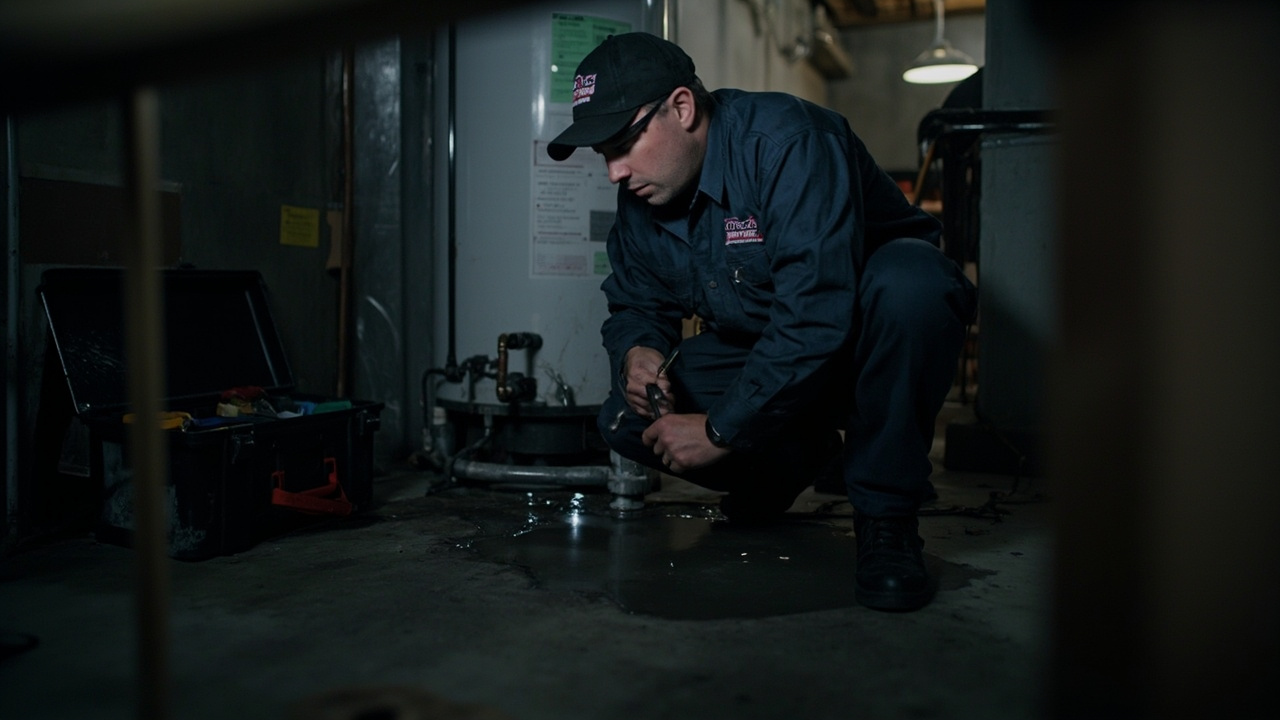
The first step is stopping active water damage. We shut off the supply line at the cold water inlet valve and drain the tank if necessary. If water is pooling, we extract it and assess structural damage to flooring and drywall. Speed matters because water migrates fast in D.C.'s older homes with wooden floor joists and plaster walls.

Next, we diagnose the failure mode. A leaking pressure relief valve indicates excessive system pressure or a faulty temperature-pressure relief mechanism. Rust-colored water means internal tank corrosion has breached the glass lining. No hot water with no leak points to a failed heating element in electric models or a malfunctioning gas valve and thermocouple in gas units.

We test electrical circuits, gas pressure, vent draft, and water pressure. We measure incoming water temperature because D.C. water enters homes at 50 to 55 degrees in winter. Your heater works harder than units in warmer climates, which accelerates wear.

If the tank itself has failed, replacement is the only safe option. We do not patch corroded tanks or weld cracks. We install a new unit sized correctly for your household demand and plumbing configuration. If a component failed, we replace it with commercial-grade parts, not box-store equivalents.

We handle gas line connections, electrical hardwiring, code-compliant venting, and thermal expansion tanks as required by D.C. building codes. You get a functioning system before we leave, not a partial repair that fails again in 48 hours.

What Happens During Your Emergency Water Heater Call

Emergency Water Heater Repair in Washington, D.C. – Technicians Arrive Within the Hour
01

Immediate Dispatch and Arrival

You call our emergency line. We dispatch the nearest available technician immediately. Most response times in D.C. fall under 60 minutes, even during evening and weekend calls. Our technicians know the fastest routes through Capitol Hill, Georgetown, and Anacostia. They arrive prepared with diagnostic tools and common replacement parts already loaded. You get a text with technician name, photo, and estimated arrival time.
02

Damage Control and Diagnosis

The technician shuts off water and power or gas supply to the failed unit. We assess active leaks, check for gas odors, and inspect the venting system. Using thermal imaging and pressure gauges, we identify whether you need component repair or full tank replacement. We explain findings in plain terms and provide upfront pricing before starting work. You decide whether to repair or replace based on age, condition, and cost-effectiveness.
03

Repair or Replacement Completion

We complete the repair or install a new tank that meets D.C. building codes. This includes proper venting, gas line connections tested for leaks, correctly sized pressure relief valves, and thermal expansion tanks if required. We test the system, verify temperature settings, and check for leaks before cleanup. You have hot water restored within hours of your initial call, not days. We haul away old equipment and leave your space clean.

Why D.C. Residents Choose Us for Urgent Water Heater Service

Crestline Plumbing Washington DC operates 24 hours a day because water heater failures do not wait for business hours. We staff technicians around the clock, every day of the year. When a tank floods your basement at 2 a.m. on Sunday, you reach a dispatcher immediately, not a voicemail box.

Our technicians know D.C. building stock. Georgetown townhomes have different plumbing configurations than Navy Yard condos or Petworth row houses. We navigate tight basement access, work around century-old cast iron drain lines, and adapt installations to meet historic district requirements when necessary.

We carry inventory for both gas and electric water heaters in 30, 40, 50, and 75-gallon capacities. That means same day water heater fix service without waiting for parts orders. If you need a power-vented unit because your chimney liner is compromised, we have it on the truck.

D.C. requires licensed plumbers for gas line work and water heater installations. We pull permits when required and coordinate inspections. You do not risk code violations or insurance claim denials from unpermitted work.

We understand the urgency of water heater failure in this city. A family in a Cleveland Park home cannot function without hot water for showers, laundry, and dishwashing. A landlord with a broken water heater in a Columbia Heights rental faces tenant complaints and potential housing code violations. We treat every call as the emergency it is.

Our pricing remains consistent whether you call at noon on Wednesday or midnight on Saturday. No surge pricing, no hidden fees. You get the repair cost quoted upfront, and that is what you pay.

What to Expect When You Call for Emergency Repair

Rapid Response Time

We dispatch technicians immediately after your call. Most D.C. locations receive service within 60 minutes. Our technicians work from multiple staging points throughout the city to minimize drive time. You receive a text notification with technician details and arrival window. We do not ask you to wait until tomorrow or schedule a four-hour window next week. Emergency water heater repair means stopping the problem now, before it escalates into structural damage or complete loss of hot water service for days.

Thorough Diagnostic Assessment

Our technician inspects the entire water heating system, not just the obvious failure point. We check gas connections for leaks, test pressure relief valves, inspect vent piping for blockages or corrosion, and measure electrical voltage and amperage. We examine the tank for rust, test water pressure, and assess sediment buildup. This comprehensive approach identifies hidden problems that cause premature failure. You receive a clear explanation of what failed, why it failed, and what you need to prevent recurrence. No guesswork, no vague recommendations.

Complete Functional Restoration

We do not leave until your hot water is restored and the system operates safely. Whether we replace a heating element or install a new 50-gallon tank, we test water temperature, check for leaks at all connections, and verify proper venting and combustion if you have a gas unit. We adjust temperature settings to your preference and explain the new controls if we installed a replacement unit. You get hot water the same day, not a promise that someone will return later to finish the job.

Post-Repair Support and Maintenance

We provide clear maintenance guidance to extend your water heater's lifespan. This includes instructions for flushing sediment from the tank annually, testing the pressure relief valve, and recognizing early warning signs of failure. If we installed a new unit, we explain how to use the temperature controls and what sounds indicate normal operation versus emerging problems. You receive documentation of all work completed, parts installed, and warranty information. We remain available for follow-up questions and can schedule preventive maintenance to catch problems before they become emergencies.

Frequently Asked Questions

You Have Questions,
We Have Answers

Is a broken water heater an emergency? +

Yes, a broken water heater can be an emergency depending on the failure type. Active leaks flooding your basement or crawl space require immediate action to prevent structural damage and mold growth. Gas water heaters with unusual smells, loud popping, or pilot light issues pose fire and carbon monoxide risks. In Washington, D.C.'s older housing stock, a failed heater can also freeze nearby pipes during winter cold snaps. If you have no hot water but no active leak or safety hazard, it's urgent but not life-threatening. Call a licensed plumber immediately for leaks, gas odors, or electrical sparking.

How to temporarily fix a water heater? +

Turn off the water supply valve at the cold water inlet pipe on top of the tank. This stops further leaking. For gas units, turn the gas control dial to "pilot" or "off." For electric units, flip the dedicated breaker. If you hear hissing or smell gas, evacuate and call the fire department immediately. Place towels or a bucket under active drips to protect flooring. Do not attempt to drain the tank without professional guidance, as residual pressure can cause injury. These steps buy you time until a technician arrives, but temporary fixes are not substitutes for professional repair.

Who do you call when your hot water heater isn't working? +

Call a licensed plumbing contractor immediately. Water heaters involve pressurized water, gas lines, or high-voltage electricity, so you need a qualified technician, not a handyman. In Washington, D.C., 24/7 emergency plumbing services can dispatch a technician within hours. If you smell gas, evacuate and call Washington Gas or the fire department first. If the issue is electrical and sparking, shut off the breaker and call an electrician or plumber with electrical expertise. Avoid DIY troubleshooting beyond shutting off water and power. Professional diagnosis prevents safety hazards and costly mistakes.

What is the first thing to check when there is no hot water? +

Check the pilot light on gas water heaters or the circuit breaker on electric units. A blown pilot light or tripped breaker is the most common culprit. If the pilot won't stay lit, the thermocouple may have failed. For electric units, press the reset button on the upper thermostat. Check the temperature setting, it should be 120-140 degrees. In Washington, D.C.'s row homes, check that no one accidentally turned off the dedicated gas valve or breaker during recent work. If these basic checks reveal nothing, the heating element, thermostat, or gas valve has likely failed and requires professional replacement.

How long can they leave you with no hot water? +

There is no legal maximum timeframe in Washington, D.C. for landlords to restore hot water, but it must be done within a reasonable period, typically 24-48 hours. Hot water is considered essential for health and sanitation under D.C. housing codes. If your landlord delays, document the issue with photos and written notice. Contact the D.C. Department of Consumer and Regulatory Affairs to file a complaint. For homeowners, you control the timeline. Emergency plumbing services can often restore hot water the same day. Prolonged cold water exposure increases health risks, especially for children and elderly residents.

What is considered a maintenance emergency? +

A maintenance emergency involves immediate health, safety, or property damage risks. For water heaters, this includes active leaks flooding living spaces, gas leaks, electrical sparking, or complete loss of hot water in winter. In Washington, D.C., where temperatures drop below freezing, no hot water can lead to frozen pipes and burst lines. Mold growth from water damage starts within 24-48 hours, making leaks urgent. Non-emergencies include minor temperature fluctuations or slow recovery times. If you face property damage, safety hazards, or total service loss, treat it as an emergency and call a plumber immediately.

How to fix a hot water heater without replacing it? +

Repair is possible if the tank itself is intact and leak-free. Common fixes include replacing the heating element, thermostat, pressure relief valve, anode rod, or dip tube. Gas units may need a new thermocouple, pilot assembly, or gas control valve. Electric units often require thermostat or element replacement. A qualified plumber can diagnose the issue and determine if repair is cost-effective. In Washington, D.C.'s older homes, water heaters over 10 years old with sediment buildup may need flushing and component replacement. However, tank corrosion, cracks, or repeated failures signal the need for full replacement.

How long can a water heater leak before it bursts? +

There is no fixed timeline. A slow drip from a pressure relief valve or drain valve may persist for days or weeks before worsening. A corroded tank bottom can rupture suddenly without warning, flooding your home in minutes. Washington, D.C.'s hard water accelerates corrosion, shortening the window between first leak and catastrophic failure. If you see water pooling around the base, rust stains, or hear hissing, assume failure is imminent. Shut off the water supply immediately and call an emergency plumber. Delaying repair risks flooding, structural damage, and mold growth. Never ignore even minor leaks.

Can you still use water if the water heater is broken? +

Yes, you can use cold water for toilets, sinks, and other fixtures. The water heater only heats water, it does not supply it. However, avoid using hot water taps if the heater is leaking or malfunctioning, as this can worsen the problem. For gas leaks or electrical issues, shut off the unit entirely. In Washington, D.C. row homes with shared walls, a burst water heater can flood neighboring units, so isolate the problem immediately. Cold water remains safe for drinking and washing, but prolonged lack of hot water creates sanitation challenges. Call a plumber quickly to restore full service.

Is it cheaper to repair or replace a water heater? +

Repair costs $150-$600 for most component failures, while replacement runs $1,200-$3,500 depending on tank size and fuel type. Repair makes sense if the unit is under 8 years old, still under warranty, and the issue is isolated. Replace if the tank is over 10 years old, shows rust or corrosion, or requires repeated repairs. Washington, D.C.'s hard water shortens heater lifespan, often making replacement smarter for aging units. A plumber can assess cost-effectiveness based on the unit's age, condition, and repair history. Investing in a new, efficient model often pays off in reduced utility bills.

How D.C.'s Hard Water and Aging Infrastructure Accelerate Water Heater Failure

Washington, D.C. water comes from the Potomac River and is treated at the Washington Aqueduct facilities. While safe to drink, it contains elevated levels of calcium, magnesium, and mineral sediment. These minerals precipitate out when water is heated, forming rock-hard deposits inside your tank. Over time, this sediment layer insulates the heating element from the water, forcing the element to overheat and fail. It also corrodes the tank bottom where sediment settles. In D.C., this process happens faster than in soft-water regions. Urgent hot water heater service often involves replacing tanks that failed prematurely because sediment was never flushed out during routine maintenance.

Many D.C. homes were built between 1900 and 1950, then renovated in the 1990s and early 2000s. That means thousands of water heaters installed 20 years ago are now failing simultaneously. We see this pattern in neighborhoods like Shaw, Mount Pleasant, and Brookland. Add in the fact that D.C. building codes now require thermal expansion tanks and upgraded venting on replacements, and you need a 24/7 water heater plumber who knows current code requirements and can install compliant systems during emergency calls. Choosing a local team means working with technicians who understand D.C. permit processes and can complete installations that pass inspection the first time.
Plumbing Services in The Washington DC Area

Our service area is conveniently located to provide fast and efficient plumbing solutions to residents and businesses throughout the Washington DC area. We are dedicated to ensuring that no matter where you are, a trusted and reliable plumber is just a call away. Our map provides a visual representation of our service coverage, helping you to quickly and easily locate our trusted team.

Address:
Crestline Plumbing Washington DC, 1140 3rd St NE, Washington, DC, 20002

Additional Services We Offer

Our news updates

Latest Articles & News from The Blogs

Deciding Between a Tankless or Storage Tank Water Heater for Your Growing Family in Fort Davis Choosing the right water…

Deciding Between a Tankless or Storage Tank Water Heater for Your Growing Family in Fort Davis

Deciding Between a Tankless or Storage Tank Water Heater for Your Growing Family in Fort Davis Choosing the right water…

The Challenges of Adding a Sink to Your Kitchen Island in a Brentwood Rowhome

The Challenges of Adding a Sink to Your Kitchen Island in a Brentwood Rowhome Adding a sink to your kitchen…

How to Choose Between a Vertical and Horizontal Grease Interceptor for Your Navy Yard Restaurant

How to Choose Between a Vertical and Horizontal Grease Interceptor for Your Navy Yard Restaurant Running a restaurant in Navy…

Contact Us

Your water heater emergency will not resolve itself. Call (771) 223-8111 now for immediate dispatch. We answer 24/7, arrive fast, and restore hot water the same day. Stop the damage and get your life back to normal.