Menu

Drain Cleaning & Rooter Service in Washington, D.C. – Fast Response for Residential and Commercial Blockages

Professional drain cleaning and sewer rooter service backed by high-pressure hydro jetting and video camera inspection technology to clear even the toughest clogs in D.C.'s aging cast iron and clay sewer systems.

Slider Image 1
Slider Image 2
Slider Image 3
Slider Image 4
Slider Image 5
Slider Image 7
Slider Image 8
Slider Image 9
Slider Image 10
Slider Image 11

Why Washington, D.C. Drains Fail More Often Than You Think

Washington, D.C. sits on Piedmont clay soil that shifts with seasonal moisture changes. That movement stresses underground sewer lines, especially the older clay and cast iron pipes still common in Georgetown, Capitol Hill, and Dupont Circle. Add in the city's mature tree canopy, and you have aggressive root intrusion into lateral lines searching for moisture during our humid summers.

The result is chronic slow drains, recurring backups, and sewer gas odors that no amount of store-bought drain cleaner will fix. When roots penetrate a joint in a clay sewer line under your rowhouse, you need professional drain cleaning with mechanical cutting tools designed to slice through fibrous blockages without damaging the pipe.

Most D.C. homeowners wait too long. A slow drain in the basement bathroom becomes a full backup during a dinner party. A gurgling kitchen sink turns into a sewer overflow in the crawl space. These are not DIY problems. Clogged drain clearing requires diagnostic equipment like sewer cameras to identify the exact location and cause of the blockage, whether it is roots, grease buildup, or a collapsed section of pipe.

Commercial properties face even higher stakes. A blocked floor drain in a Foggy Bottom restaurant or a backed-up restroom in a K Street office building means lost revenue and health code violations. Sewer rooter service is not optional when your business depends on functional plumbing. The difference between a two-hour fix and a two-day shutdown often comes down to calling a plumbing snake service that understands the urgency.

Why Washington, D.C. Drains Fail More Often Than You Think
How We Clear Drains the Right Way in D.C.

How We Clear Drains the Right Way in D.C.

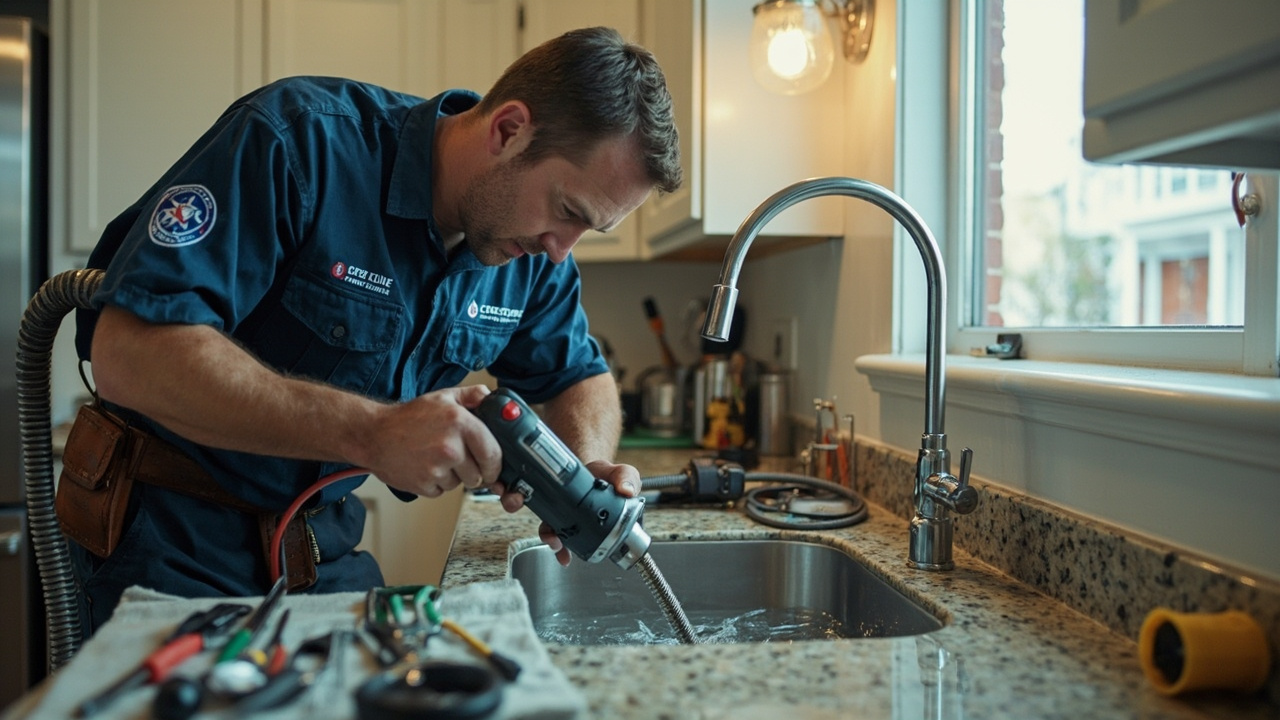
Crestline Plumbing Washington DC does not guess. We start every clogged drain clearing job with a video camera inspection to map the problem. A flexible camera head travels through your drain line, transmitting real-time footage to a monitor. We see exactly what is blocking the pipe, whether it is roots, grease, foreign objects, or structural damage like offset joints or bellied sections caused by soil settlement.

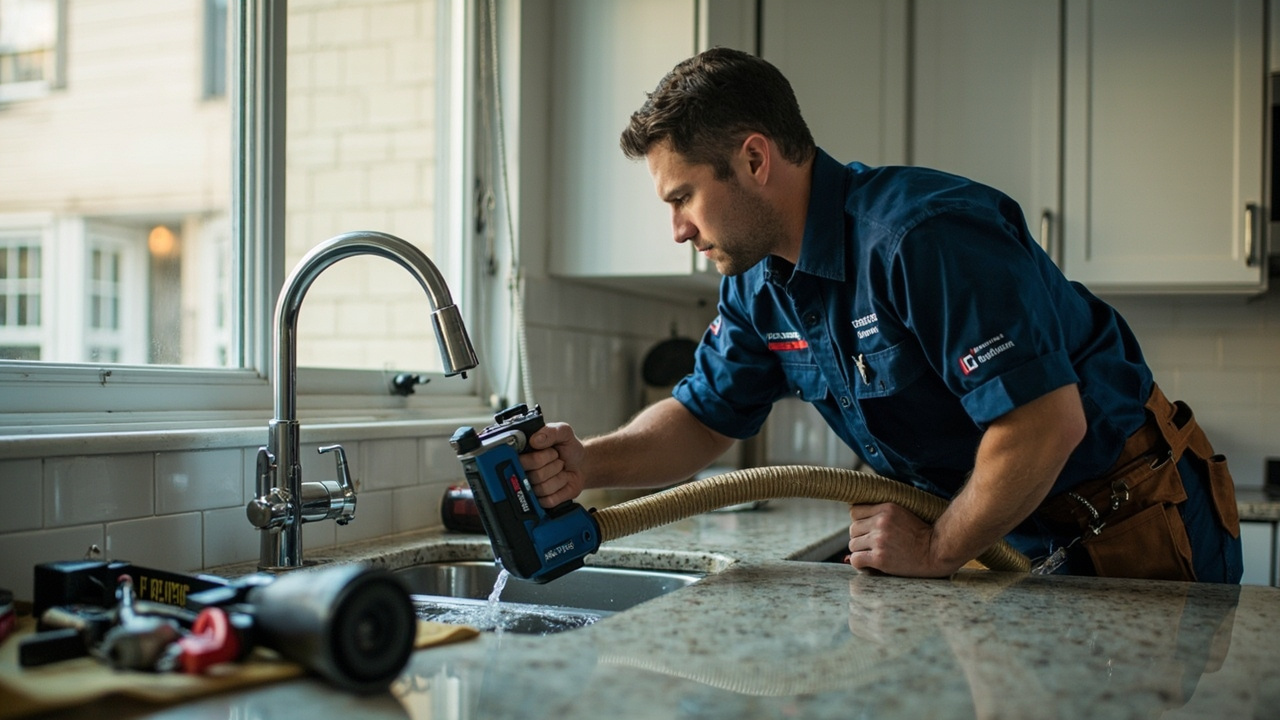
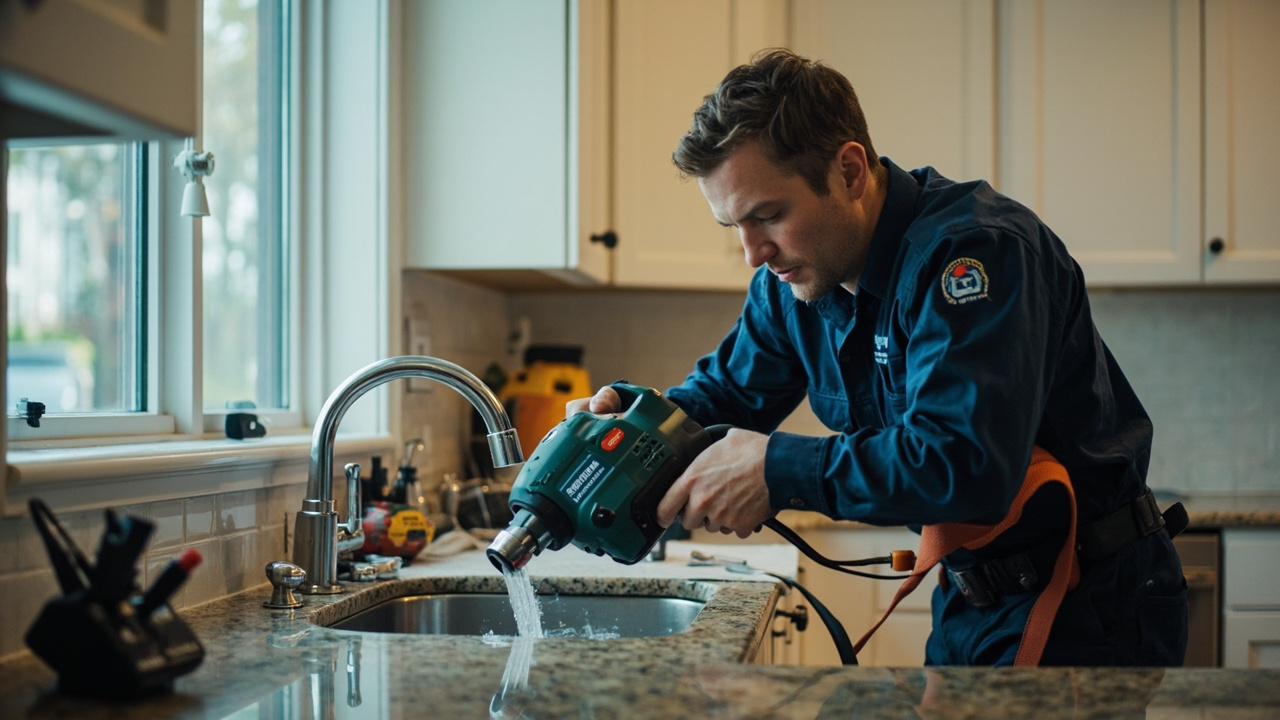
Once we identify the blockage, we match the tool to the problem. For root intrusion, we use a sectional drain machine with cutting blades sized to your pipe diameter. These blades shear roots flush with the pipe wall without gouging the interior surface. For grease buildup in commercial kitchens, we deploy high-pressure hydro jetting at up to 4,000 PSI to scour the pipe clean and restore full flow capacity.

Hydro jetting is not just a rooter service. It is preventive maintenance. The pressurized water stream removes scale, soap scum, and biofilm that narrows your drain over time. We angle the nozzle to blast debris downstream into the municipal sewer main, leaving your lateral line as clean as the day it was installed.

For older clay or cast iron systems, we adjust our approach. Aggressive jetting can damage deteriorated pipes, so we use lower pressure and rely on mechanical augers for the bulk of the work. We document everything with before-and-after camera footage so you see the results and understand the condition of your sewer line.

This diagnostic process matters in a city where building codes and infrastructure vary by neighborhood. A Victorian rowhouse in Logan Circle has different plumbing challenges than a mid-century apartment building in Cleveland Park. We adjust our sewer line cleaning methods based on what we find underground.

What Happens When You Call for Drain Cleaning

Drain Cleaning & Rooter Service in Washington, D.C. – Fast Response for Residential and Commercial Blockages
01

Arrival and Assessment

Our technician arrives with a fully stocked service vehicle containing cameras, augers, and hydro jetting equipment. We locate your main cleanout, usually near the foundation or in the basement, and begin the camera inspection. This step takes 15 to 30 minutes and gives us a complete picture of your drain system before we start cutting or jetting.
02

Clearing the Blockage

We select the appropriate tool based on the camera findings. For roots, we run a cable-driven cutting head through the line in multiple passes, increasing blade size as we open the pipe. For grease or debris, we set up the hydro jetter and flush the line until water flows freely. Most residential clogs clear within an hour.
03

Verification and Documentation

After clearing the blockage, we run the camera again to confirm full restoration of flow and check for underlying pipe damage. You receive a digital copy of the inspection footage and a written report detailing what we found, what we did, and any recommended follow-up. This documentation is useful for insurance claims or future property transactions.

Why D.C. Properties Need Local Drain Experts

Washington, D.C. enforces strict plumbing codes through the Department of Consumer and Regulatory Affairs. Any work involving your building sewer requires familiarity with local inspection protocols and permit requirements. Crestline Plumbing Washington DC operates within these regulations and understands the permitting process for sewer line repairs that extend beyond simple drain cleaning.

Our familiarity with D.C.'s infrastructure gives us an edge. We know that many properties in Shaw and Columbia Heights still have shared sewer laterals serving multiple units. We know that the Washington Aqueduct supplies some of the hardest water in the region, which accelerates mineral buildup in drain lines. We know that the District's combined sewer system means heavy rain events can cause backflow into basement drains if your backwater valve is not functioning.

This local knowledge translates into faster diagnosis and better solutions. When a client in Adams Morgan calls about a backed-up floor drain, we check for street-level sewer surcharge before assuming the blockage is in their lateral. When a Capitol Hill homeowner reports recurring kitchen sink clogs, we ask about the age of their cast iron stack because corrosion and scaling are common failure modes in pre-1950s plumbing.

We also understand the urgency that comes with living in a densely populated city where a sewer backup affects not just your household but potentially your neighbors. Response time matters. We prioritize emergency calls and maintain evening and weekend availability because a clogged drain does not wait for business hours.

Trust is built on results. Our technicians carry the diagnostic tools to solve problems correctly the first time, and we communicate clearly about what we find underground. You get honest assessments, not upsells.

What to Expect When You Hire Us for Drain Cleaning

Response Time and Availability

We dispatch technicians within two hours for emergency calls in the D.C. metro area. For scheduled drain cleaning appointments, we offer same-day and next-day service depending on demand. Our trucks are equipped with the tools needed for 95 percent of residential and commercial drain blockages, which means we complete most jobs in a single visit. You will receive a call when the technician is en route, and we provide a two-hour arrival window to minimize disruption to your day.

Diagnostic Process and Transparency

Every drain cleaning job begins with a camera inspection unless the blockage is immediately accessible and obvious. The camera footage is displayed on a monitor so you see exactly what we see. We explain the problem in plain language, outline the clearing method we will use, and provide an upfront cost estimate before starting work. If we discover structural damage like cracks, offsets, or collapses, we discuss your options for repair or replacement and provide a separate estimate for that scope of work.

Quality of the Final Outcome

Our goal is full restoration of drain flow, not a temporary patch. After clearing the blockage, we test the line by running water and observing drainage speed. We verify results with a follow-up camera pass to confirm the pipe is clear from your cleanout to the municipal connection. You receive before-and-after footage that documents the condition of your sewer line. This level of documentation is especially valuable for commercial clients who need records for health inspections or property management reporting.

Preventive Maintenance Plans

For properties with recurring drain issues, we offer scheduled maintenance plans that include annual or semi-annual camera inspections and hydro jetting. This proactive approach is cost-effective for older buildings with root-prone sewer lines or commercial kitchens with heavy grease loads. Regular cleaning prevents emergency backups and extends the life of your drain system. We keep service records on file and send reminders when your next scheduled cleaning is due.

Frequently Asked Questions

You Have Questions,
We Have Answers

What is the average cost of drain cleaning? +

Drain cleaning costs in Washington, D.C. vary based on the severity and location of the blockage. A simple sink or tub clog typically runs less than complex mainline stoppages. Accessibility matters. Older homes in neighborhoods like Capitol Hill often have outdated cast iron pipes that require camera inspection, which adds to the price. Root intrusion from mature street trees common across the District can increase costs. Emergency after-hours service costs more than scheduled appointments. The best approach is getting an upfront estimate after a plumber assesses your specific situation. Avoid flat-rate quotes without diagnostics.

How much does it cost to clean your drain? +

The cost to clean your drain depends on what you are dealing with. A basic stoppage in a bathroom sink costs less than hydro jetting a sewer lateral clogged with grease buildup. Washington, D.C. homes built before 1950 frequently have clay tile or Orangeburg pipes that collapse or offset, requiring more intensive clearing methods. If roots from oak or sycamore trees have infiltrated your line, expect camera inspection and potentially rooter service. Distance from the cleanout and depth of the clog impact pricing. Get a diagnostic inspection first before authorizing work.

Why do plumbers say not to use drain cleaner? +

Plumbers warn against chemical drain cleaners because they damage pipes and create hazardous conditions. These products generate heat that can crack older cast iron or PVC joints common in Washington, D.C. homes. The chemicals sit in your line, corroding metal and weakening seals. If the clog does not clear, you now have caustic water sitting in the pipe, creating a dangerous situation when a plumber opens the line. Chemical cleaners also harm the Potomac River watershed when flushed into the municipal system. Mechanical clearing is safer and more effective.

How much should it cost to clear a clogged drain? +

Clearing a clogged drain should cost based on complexity, not arbitrary pricing. A straightforward kitchen sink blockage costs less than a main sewer line stoppage under your basement floor. Washington, D.C. properties with basements below grade or homes in flood-prone areas near the Anacostia River may have additional access challenges. If your clog requires camera inspection, cable augering, or hydro jetting, costs increase accordingly. Beware of companies quoting prices before diagnosing the problem. Legitimate plumbers assess the situation first, then provide transparent pricing before starting work.

Is professional drain cleaning worth it? +

Professional drain cleaning is worth it when done correctly. A skilled plumber does not just punch through the clog. They diagnose why it happened, clear the entire blockage, and camera inspect the line to identify underlying issues like root intrusion, pipe corrosion, or bellied sections. Washington, D.C. homes face unique challenges including shifting clay soil, mature tree roots, and aging infrastructure. Chemical store products provide temporary relief but often worsen the problem. Professional cleaning extends pipe life, identifies problems before they become emergencies, and protects your property from water damage.

Does homeowners insurance cover sewer line repair? +

Homeowners insurance typically does not cover sewer line repair unless the damage resulted from a covered peril like a fallen tree. Standard policies exclude maintenance issues, gradual deterioration, and root intrusion. If your clay tile sewer line in your Shaw or Dupont Circle home collapses from age, you pay out of pocket. DC Water offers a Sewer Lateral Program that may provide assistance for qualifying repairs. Some homeowners purchase separate sewer line insurance riders. Read your policy carefully. Most drain cleaning and rooter work falls under homeowner responsibility, not insurance coverage.

What does Roto Rooter charge for drain cleaning? +

Roto Rooter pricing varies by location and specific job requirements. In Washington, D.C., you should compare multiple licensed plumbers rather than rely on national chain pricing. Local companies understand District-specific challenges like permit requirements, historic district regulations, and the aging infrastructure throughout neighborhoods from Georgetown to Anacostia. National franchises often charge premium rates for brand recognition. Get itemized estimates from at least two local plumbers who can provide references from properties similar to yours. Focus on value and expertise, not just the lowest bid.

Why is drain cleaning so expensive? +

Drain cleaning costs reflect specialized equipment, training, and liability. Professional plumbers invest in cable machines, hydro jetters, camera inspection systems, and locating equipment. Washington, D.C. licensing requirements, insurance, and vehicle costs add overhead. Accessing sewer lines in rowhouses or homes with finished basements requires more labor. Root intrusion from street trees, corroded cast iron pipes, and bellied clay tile lines common across the District demand expertise. Emergency calls disrupt schedules and require after-hours staffing. You pay for immediate problem resolution and protection against sewage backup damage that could cost thousands.

What are the signs of a blocked drain? +

Blocked drains show specific warning signs before complete failure. Multiple fixtures draining slowly indicates a main line issue, common in Washington, D.C. homes with combined systems. Gurgling sounds from toilets when you run water suggest venting problems or partial blockages. Water backing up in your basement floor drain signals a serious mainline clog. Foul sewage odors point to trapped waste or broken vent pipes. Toilet water levels rising and falling indicate pressure changes from blockages. If you notice these signs, call a plumber immediately before raw sewage backs into your home.

How can I tell if the clog is deep? +

Deep clogs show different symptoms than shallow blockages. If only one fixture drains slowly, the clog sits in that branch line. When multiple fixtures back up, especially on lower floors, the blockage sits deep in your main sewer line or lateral. Plunging provides no relief with deep clogs. Water backs up in unexpected places, like your shower when you flush the toilet. In Washington, D.C. homes with basements, floor drain backups indicate mainline problems. Camera inspection pinpoints exact depth and location. Deep clogs often require professional cable augering or hydro jetting.

How D.C.'s Aging Sewer Infrastructure Affects Your Drain System

Much of Washington, D.C.'s residential plumbing dates to the early 20th century, when builders installed clay tile sewer laterals and cast iron drain stacks. These materials deteriorate over time. Clay tiles crack and separate at the joints, creating entry points for tree roots. Cast iron corrodes from the inside out, leaving rough, pitted surfaces that snag debris and slow drainage. Neighborhoods like Georgetown, Foggy Bottom, and Kalorama have some of the oldest housing stock in the city, which means higher rates of sewer line failure and recurring drain blockages. Professional drain cleaning becomes a regular necessity, not a one-time fix.

D.C. also operates a combined sewer system in many areas, where stormwater and sanitary waste share the same pipes. During heavy rain, the system can become overwhelmed, causing backups into basement drains if your property lacks proper backflow prevention. Crestline Plumbing Washington DC understands these local conditions and tailors our sewer rooter service to account for both blockages within your lateral and external pressure from the municipal system. We inspect backwater valves, test sump pumps, and provide recommendations to protect your property from combined sewer overflows.
Plumbing Services in The Washington DC Area

Our service area is conveniently located to provide fast and efficient plumbing solutions to residents and businesses throughout the Washington DC area. We are dedicated to ensuring that no matter where you are, a trusted and reliable plumber is just a call away. Our map provides a visual representation of our service coverage, helping you to quickly and easily locate our trusted team.

Address:
Crestline Plumbing Washington DC, 1140 3rd St NE, Washington, DC, 20002

Additional Services We Offer

Our news updates

Latest Articles & News from The Blogs

Deciding Between a Tankless or Storage Tank Water Heater for Your Growing Family in Fort Davis Choosing the right water…

Deciding Between a Tankless or Storage Tank Water Heater for Your Growing Family in Fort Davis

Deciding Between a Tankless or Storage Tank Water Heater for Your Growing Family in Fort Davis Choosing the right water…

The Challenges of Adding a Sink to Your Kitchen Island in a Brentwood Rowhome

The Challenges of Adding a Sink to Your Kitchen Island in a Brentwood Rowhome Adding a sink to your kitchen…

How to Choose Between a Vertical and Horizontal Grease Interceptor for Your Navy Yard Restaurant

How to Choose Between a Vertical and Horizontal Grease Interceptor for Your Navy Yard Restaurant Running a restaurant in Navy…

Contact Us

Call Crestline Plumbing Washington DC at (771) 223-8111 for fast, effective drain cleaning and sewer rooter service. We arrive equipped to diagnose and clear your blockage in one visit.