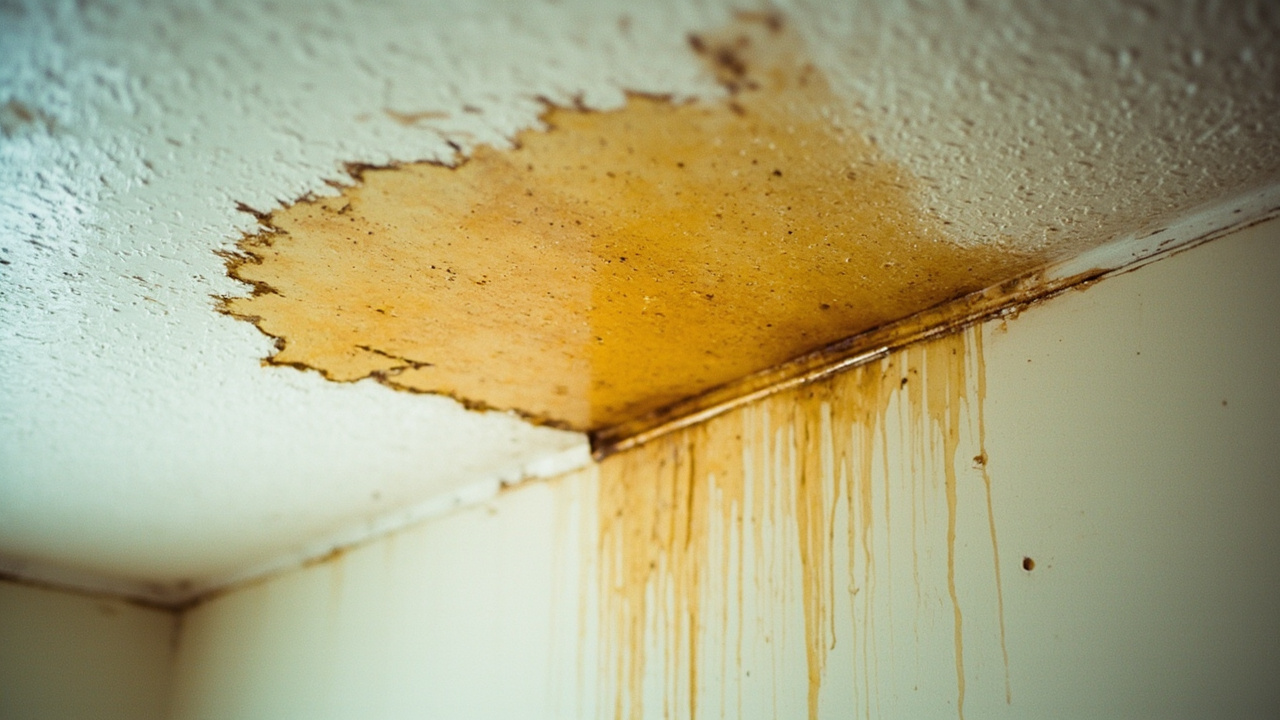
More than 60% of the housing stock in the District was built before 1960. That means cast iron drain lines, galvanized steel supply pipes, and outdated venting systems are common. These materials degrade over decades. Cast iron rusts from the inside out, creating slow leaks that don't announce themselves until brown spots appear on your ceiling. Galvanized steel corrodes and restricts water flow, causing pressure spikes that crack soldered joints in copper branch lines. The District's moderately aggressive water chemistry accelerates this process. If you live in a pre-1960 row home and notice yellow water marks spreading across your walls, the failure is often decades in the making.
Local plumbers who work in Washington, D.C. every day understand the quirks of this housing stock. We know where builders cut corners in 1940s construction. We know which neighborhoods have shallow sewer laterals that freeze during cold snaps. We know the row home plumbing configurations in Capitol Hill differ from the garden apartments in Cleveland Park. That knowledge saves you time and money. A plumber who's unfamiliar with the District will spend hours diagnosing what we identify in 20 minutes. When you have an active leak causing water stains, speed matters. Local experience is the difference between a quick fix and a drawn-out investigation that racks up billable hours.