Menu

Overflowing Toilet Repair in Washington, D.C. – Fast Emergency Response When Minutes Matter

When your toilet overflows, water damage spreads fast. Crestline Plumbing Washington DC dispatches licensed plumbers to your location within the hour, stopping flooding and preventing costly structural damage to your home.

Slider Image 1
Slider Image 2
Slider Image 3
Slider Image 4
Slider Image 5
Slider Image 7
Slider Image 8
Slider Image 9
Slider Image 10
Slider Image 11

Why Toilet Overflows Cause Serious Damage in Washington, D.C. Homes

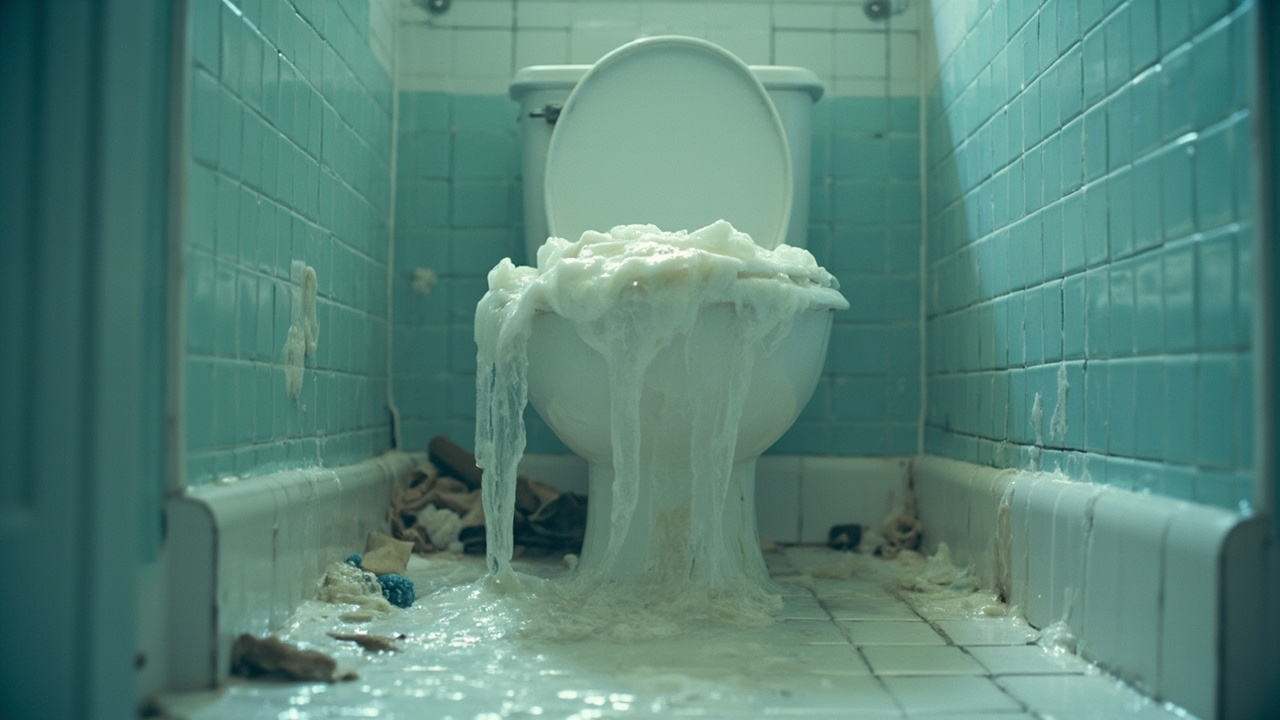
An overflowing toilet dumps gallons of water onto your floor every minute it runs. In Washington, D.C., where most homes sit on expansive clay soil, that water seeps through flooring and can destabilize foundation supports. The District's older housing stock, particularly in neighborhoods like Capitol Hill and Georgetown, features original hardwood floors and plaster walls that absorb water like a sponge.

You need an emergency toilet repair service that understands the urgency. Water from an overflowing toilet contains waste and bacteria. It soaks into subfloors, wicks up drywall, and creates mold growth within 24 to 48 hours. The humid summers in Washington, D.C. accelerate this process.

A toilet flooding repair situation demands immediate action. The longer contaminated water sits, the more you pay in restoration costs. Baseboards warp. Tile grout breaks down. Ceiling damage appears in rooms below. What starts as a simple clog becomes a multi-room disaster.

Common causes include flushed objects that lodge in the trap, failing flapper valves that prevent the tank from stopping the fill cycle, and main sewer line blockages that back up through the lowest fixture. An overflowing toilet plumber can diagnose the root cause and stop the water flow, but only if you call immediately. Every minute counts when water is actively flooding your bathroom.

Why Toilet Overflows Cause Serious Damage in Washington, D.C. Homes
How We Stop Toilet Overflows and Prevent Repeat Flooding

How We Stop Toilet Overflows and Prevent Repeat Flooding

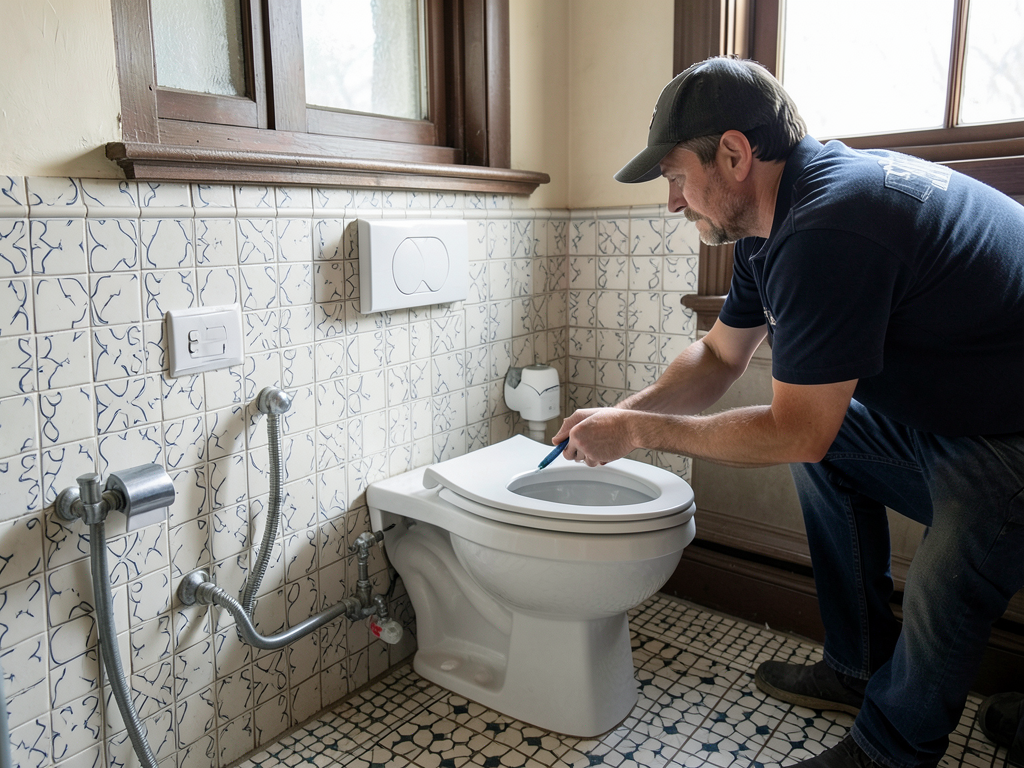
Our urgent toilet overflow service starts with immediate water shutoff. We locate the angle stop valve behind your toilet or shut off the main water line if needed. This stops active flooding while we assess the cause.

Next, we inspect the toilet's internal components. A failed fill valve or flapper creates continuous overflow. We check the float height and adjust or replace faulty parts. If the toilet bowl overflows when flushed, the blockage sits in the trap, closet bend, or drainline.

We use a closet auger to clear trap obstructions. This tool reaches past the bowl's internal trap without damaging the porcelain. For deeper blockages in the 3-inch closet bend or 4-inch drainline, we deploy a powered drain snake with a retrieval head. This removes objects like hygiene products, toys, or excessive paper that standard plunging cannot dislodge.

If multiple fixtures back up simultaneously, the blockage likely sits in your main sewer line. We perform a camera inspection to locate the obstruction. Tree roots from the District's mature oaks and maples often infiltrate older clay sewer pipes. We clear these with a hydro jet or root cutter, depending on the severity.

After clearing the blockage, we test flush cycles to confirm proper drainage. We check the wax ring seal for leaks and inspect the floor for water damage. If subfloor moisture is present, we document it and recommend immediate drying to prevent mold growth.

What Happens During Your Emergency Toilet Repair Call

Overflowing Toilet Repair in Washington, D.C. – Fast Emergency Response When Minutes Matter
01

Immediate Dispatch and Arrival

When you call our emergency clogged toilet repair line, we dispatch a fully stocked service vehicle to your Washington, D.C. address. Our plumbers carry closet augers, replacement fill valves, flappers, wax rings, and powered drain equipment. You receive an estimated arrival time and direct contact with your assigned technician. We arrive prepared to stop the overflow and complete repairs on the first visit.
02

Damage Control and Diagnosis

The plumber shuts off water flow, then removes standing water using a wet vacuum. We inspect the toilet mechanism, test the fill valve and flapper, and clear visible blockages. If the toilet bowl drains slowly or backs up when flushed, we snake the drainline. For multi-fixture backups, we camera inspect your sewer line to locate the obstruction point and determine the appropriate clearing method.
03

Repair Completion and Testing

After clearing blockages and replacing faulty components, we run multiple test flushes to confirm proper drainage and tank function. We check for leaks at the wax ring and water supply connection. You receive documentation of all work performed, including photos of any sewer line obstructions found. We explain what caused the overflow and how to prevent future incidents through proper use and maintenance.

Why Washington, D.C. Residents Trust Our Emergency Plumbing Response

Crestline Plumbing Washington DC operates 24 hours a day because toilet overflows do not wait for business hours. We maintain service vehicles throughout the District, allowing rapid response to neighborhoods from Shaw to Foggy Bottom to Navy Yard.

Our plumbers know the plumbing systems common to Washington, D.C. housing. Row homes built in the early 1900s often have shared sewer laterals and cast iron drain stacks prone to corrosion. Newer construction in areas like NoMa uses PVC drainlines but still faces blockages from improper disposal habits. We have cleared thousands of toilet overflows across every neighborhood in the District.

We carry diagnostic equipment other companies skip. Our camera inspection systems identify exactly where blockages occur in your sewer line. This prevents unnecessary excavation and allows targeted repairs. When we find root intrusion or pipe damage, we provide clear documentation and repair options.

You receive transparent pricing before work begins. Emergency toilet repair service calls include the diagnostic inspection. If we clear a simple blockage, you pay one rate. If we discover a failed wax ring or broken flange, we quote that repair separately. No surprise charges appear after the work is complete.

We also understand the stress of a flooding toilet. Our plumbers explain what they find in plain language. You learn what caused the overflow, what we did to fix it, and what warning signs to watch for in the future. This education helps you avoid repeat emergencies and maintains your plumbing system's longevity.

What You Can Expect From Our Toilet Overflow Service

Emergency Response Time

We dispatch a plumber to your Washington, D.C. address within 60 minutes of your call during standard hours and within 90 minutes for overnight emergencies. You receive a phone call when the technician is en route with an updated arrival time. Our trucks carry all standard repair parts and drain clearing equipment, which means we complete most overflowing toilet repairs on the first visit without waiting for parts orders or return trips.

Thorough Inspection Process

The plumber inspects your toilet's fill valve, flapper, flush valve, and overflow tube for mechanical failures. We test water pressure and check for partial clogs that cause slow drainage. If your toilet overflows only when specific fixtures drain, we inspect your vent stack for blockages. For recurring overflows or multiple fixture backups, we perform a sewer camera inspection to identify root intrusion, pipe sagging, or main line obstructions that cause repeated problems.

Complete Problem Resolution

You get a toilet that flushes properly and drains completely without overflow risk. We test the repair multiple times before leaving your property. If we replace internal components, you receive manufacturer documentation on the parts installed. For sewer line clearing, you receive camera footage showing the blockage before and after removal. We clean the work area and remove any water-damaged materials we disturb during the repair process.

Preventive Guidance and Follow-Up

After completing your emergency clogged toilet repair, we explain what caused the overflow and how to prevent it. You learn proper flushing habits, warning signs of developing clogs, and when to call for maintenance. If we find conditions that could cause future problems, like a deteriorating wax ring or corroded closet flange, we document these and provide repair recommendations. We follow up within 48 hours to confirm your toilet is functioning properly and answer any questions about the repair.

Frequently Asked Questions

You Have Questions,
We Have Answers

How do you fix a toilet that overflows? +

Stop the water first. Turn off the supply valve at the base of the toilet immediately. If water keeps rising, remove the tank lid and push the flapper valve down to stop flow. Use a plunger with firm, steady pressure. If that fails, a closet auger can break through deeper blockages. Do not keep flushing. In Washington, D.C., aging cast iron drain lines common in older neighborhoods can complicate clogs. If plunging fails within five minutes, call a plumber. Overflow water contains waste and bacteria. Clean up quickly and call for 24/7 emergency service.

Does a gurgling toilet mean a broken sewer line? +

Not always, but it can signal trouble. A gurgling toilet means trapped air in your drain system. This happens when a blockage or venting issue prevents proper airflow. In Washington, D.C., tree roots infiltrate older clay sewer laterals, especially near Capitol Hill and Dupont Circle. These roots create partial blockages that cause gurgling. A broken sewer line is one possibility, but so are clogged vents or localized drain blockages. If multiple fixtures gurgle or drain slowly, suspect a main line problem. Get a camera inspection to confirm the cause before the line fails completely.

Why is my toilet overflowing but not clogged? +

Your toilet bowl is clear, but the main drain line is not. The blockage sits downstream, often in the sewer lateral or main stack. When you flush, water cannot exit fast enough and backs up into the bowl. In Washington, D.C., homes built before 1980 often have inadequate venting or corroded galvanized pipes. Foreign objects, grease buildup, or root intrusion in the lateral create this scenario. You may also have a vent stack blockage preventing proper drainage. This requires professional diagnosis. Do not ignore it. The next flush could trigger a full overflow and water damage.

Should I call a plumber for a gurgling toilet? +

Yes. Gurgling is an early warning sign, not a minor quirk. It means your drain system has air pressure problems caused by blockages, vent issues, or sewer line damage. A plumber can camera-inspect your lines and identify the exact cause. In Washington, D.C., older homes near Rock Creek Park and Georgetown often have compromised clay pipes vulnerable to root infiltration. Waiting turns a simple fix into an emergency repair or basement backup. If you notice gurgling plus slow drains or sewage odors, call immediately. Prevent catastrophic failure. Get 24/7 emergency plumbing service now.

How long will a clogged toilet eventually unclog itself? +

Do not wait. A clogged toilet will not unclog itself in any reasonable timeframe. Organic waste may break down over days or weeks, but foreign objects, wipes, or hygiene products will never dissolve. Meanwhile, you risk another flush causing an overflow and water damage to your floors, subfloors, and ceilings below. In Washington, D.C., humidity accelerates mold growth after water events. You have hours, not days, to act. Use a plunger or call a plumber immediately. Delaying creates health hazards and expensive restoration costs. Get emergency service if plunging fails within five minutes.

What are two things you should never flush down a toilet? +

Never flush wipes or feminine hygiene products. Even products labeled flushable do not break down in sewer systems. They snag on pipe joints, roots, and rough spots inside aging cast iron or clay lines common in Washington, D.C. These items create blockages that cause backups and overflows. Wipes bind together into massive clogs requiring hydro-jetting or mechanical removal. Tampons and pads expand and block drain lines completely. Stick to waste and toilet paper only. Everything else goes in the trash. Protect your plumbing and avoid emergency service calls and water damage.

Should I plunge a gurgling toilet? +

No. Plunging a gurgling toilet rarely helps and can make things worse. Gurgling signals a venting or main line issue, not a bowl blockage. Aggressive plunging may push a partial blockage deeper into your drain system or damage the wax ring seal. In Washington, D.C., homes with older plumbing need careful diagnosis first. If the gurgling coincides with slow drainage or sewage smells, you need a camera inspection, not a plunger. Call a plumber to identify whether you have a clogged vent, root intrusion, or broken sewer lateral. Fix the root cause, not the symptom.

What are four signs that your sewer line is broken? +

Watch for these four signs. First, multiple drains back up simultaneously, especially in your basement. Second, sewage odors appear in your yard or near your foundation. Third, lush patches of grass grow above your sewer line from nutrient-rich leakage. Fourth, gurgling toilets and slow drains persist despite clearing individual fixtures. In Washington, D.C., aging clay sewer laterals crack from soil shifting and freeze-thaw cycles. Tree roots from oaks and maples exploit these cracks. If you see these signs, get a camera inspection immediately. A broken sewer line requires excavation or trenchless repair before total failure.

Why is my toilet gurgling but not clogged? +

Your toilet is gurgling because air is trapped in your drain system. This happens when a blockage downstream prevents proper venting. Water rushing past the obstruction creates negative pressure, pulling air through the toilet trap and causing the gurgle. In Washington, D.C., older homes often have inadequate vent stacks or blockages from nesting animals. You may also have a partial main line blockage from grease, roots, or foreign objects. Even without a visible clog, the system is compromised. Get a professional inspection. Gurgling precedes backups and overflows. Address it now before emergency damage occurs.

Should I plunge an overflowing toilet? +

Yes, but only after stopping the water flow. Turn off the supply valve first. If water is actively overflowing, do not plunge yet. Wait for the bowl level to drop, then plunge with firm, controlled pressure. Use a flange plunger designed for toilets. Create a tight seal and push down steadily. In Washington, D.C., panic plunging often splashes contaminated water onto floors and walls, requiring professional cleaning. If plunging fails after five attempts, stop. You risk pushing the blockage deeper or damaging the wax seal. Call for 24/7 emergency plumbing service immediately.

How Washington, D.C.'s Aging Sewer Infrastructure Affects Toilet Overflow Risks

Much of Washington, D.C.'s sewer system was installed between 1890 and 1950, using clay tile or cast iron pipes that crack and separate over time. The District's mature tree canopy, while beautiful, sends roots searching for water into these aging sewer laterals. Combined with ground movement from the expansive clay soil that underlies most of the city, these factors create frequent sewer line blockages that manifest as toilet overflows. An overflowing toilet plumber familiar with D.C.'s infrastructure can quickly determine whether your overflow stems from a fixture problem or a main line obstruction requiring different clearing methods.

DC Water enforces strict regulations about sewer lateral maintenance, making homeowners responsible for the line from their foundation to the main. When you experience toilet flooding repair needs, choosing a plumber who understands local code requirements ensures compliant repairs. We document all sewer line work with camera footage and maintain records that prove proper maintenance if DC Water investigates backup claims. Our familiarity with the District's permit requirements also streamlines any repairs that require excavation or sewer lateral replacement in public space.
Plumbing Services in The Washington DC Area

Our service area is conveniently located to provide fast and efficient plumbing solutions to residents and businesses throughout the Washington DC area. We are dedicated to ensuring that no matter where you are, a trusted and reliable plumber is just a call away. Our map provides a visual representation of our service coverage, helping you to quickly and easily locate our trusted team.

Address:
Crestline Plumbing Washington DC, 1140 3rd St NE, Washington, DC, 20002

Additional Services We Offer

Our news updates

Latest Articles & News from The Blogs

Deciding Between a Tankless or Storage Tank Water Heater for Your Growing Family in Fort Davis Choosing the right water…

Deciding Between a Tankless or Storage Tank Water Heater for Your Growing Family in Fort Davis

Deciding Between a Tankless or Storage Tank Water Heater for Your Growing Family in Fort Davis Choosing the right water…

The Challenges of Adding a Sink to Your Kitchen Island in a Brentwood Rowhome

The Challenges of Adding a Sink to Your Kitchen Island in a Brentwood Rowhome Adding a sink to your kitchen…

How to Choose Between a Vertical and Horizontal Grease Interceptor for Your Navy Yard Restaurant

How to Choose Between a Vertical and Horizontal Grease Interceptor for Your Navy Yard Restaurant Running a restaurant in Navy…

Contact Us

Water spreads fast. Call Crestline Plumbing Washington DC at (771) 223-8111 right now for emergency toilet repair service. We dispatch immediately, stop the flooding, and repair the problem today.