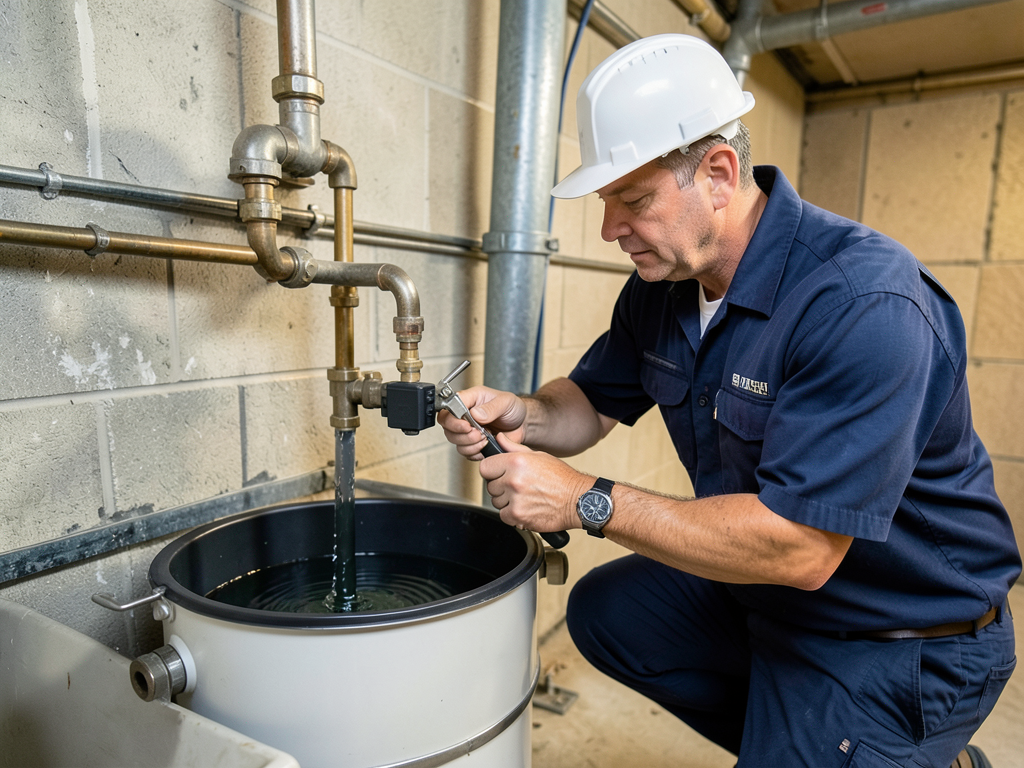
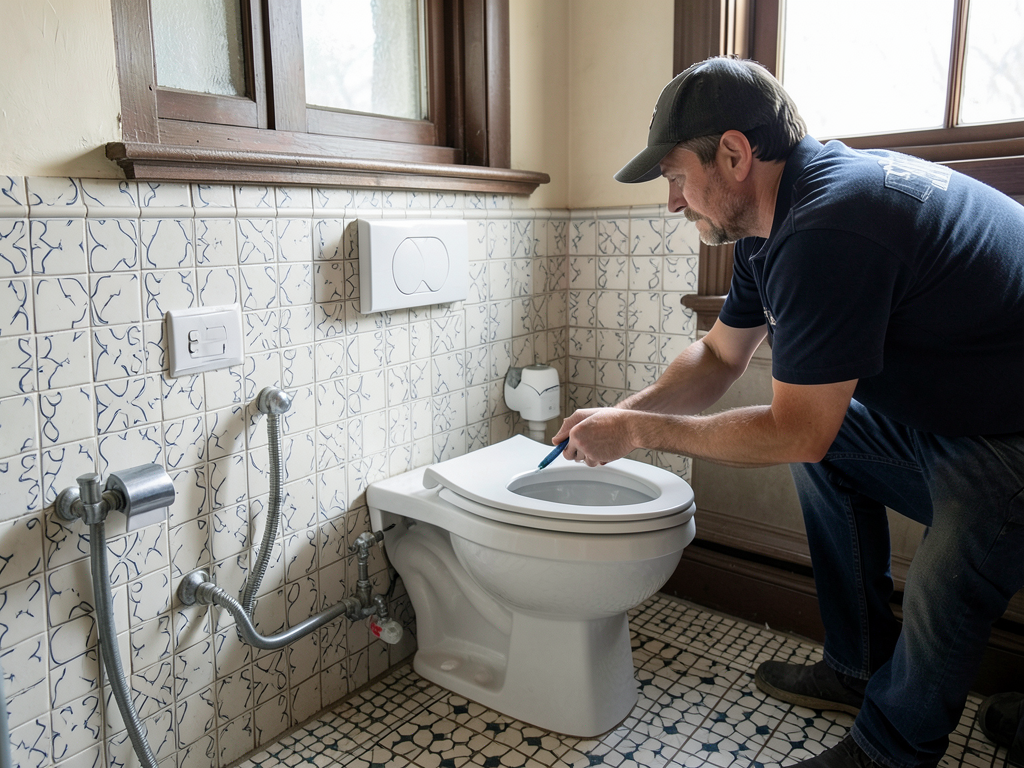
Washington, D.C. has one of the oldest urban gas distribution networks in the country. Many homes east of Rock Creek Park and south of Florida Avenue were connected to manufactured gas systems in the early 1900s, then converted to natural gas in the mid-20th century. That means your gas line could be 70 years old or more, constructed from materials that were never intended for long-term natural gas service. Galvanized steel corrodes from both sides. The exterior rusts from moisture infiltration. The interior degrades from sulfur compounds in the gas itself. You cannot see this happening until the pipe fails. Combine that with the District's clay soil, which swells when wet and shrinks when dry, and you have a recipe for joint separation and slow leaks. The Potomac River basin's high water table also accelerates corrosion in below-grade gas piping, especially in neighborhoods near the Anacostia River. A gas line inspection is not optional here. It is a safety requirement that protects your property and everyone in it.
Crestline Plumbing Washington DC has worked in every ward of the District. We know the permitting process at DCRA. We know which inspectors prefer threaded black steel over CSST and how to justify exceptions when historic preservation rules limit routing options. We understand that gas work in D.C. is scrutinized more carefully than in surrounding jurisdictions because the stakes are higher. A gas explosion in a densely populated area like Petworth or Brookland can affect dozens of families. That is why we do not cut corners. Every gas piping installation we complete meets or exceeds NFPA 54 and D.C. Municipal Regulations Title 12. Every gas leak repair is documented and tested. You are not just hiring a plumber. You are hiring a team that treats your safety as a federal-level responsibility.