

Menu

Understanding Backflow Testing in Washington, D.C. – Protect Your Water Supply with Expert Annual Certification and Compliance Resources

Get clear answers on backflow prevention assembly testing, inspection requirements, and DC Water compliance deadlines to keep your property's potable water safe and avoid costly violations.

Slider Image 1
Slider Image 2
Slider Image 3
Slider Image 4
Slider Image 5
Slider Image 7
Slider Image 8
Slider Image 9
Slider Image 10
Slider Image 11

Why Washington, D.C. Property Owners Need to Know Backflow Testing Requirements

Washington, D.C.'s aging water infrastructure and strict municipal regulations make backflow prevention a critical safety issue for both residential and commercial properties. DC Water mandates annual backflow certification for properties with irrigation systems, fire suppression equipment, and commercial kitchens to prevent contaminated water from reversing flow into the public drinking supply.

The Potomac River and Rock Creek water sources feed the city's supply, making cross-connection control vital to protecting thousands of residents. When backflow occurs, chemicals from lawn fertilizers, bacteria from irrigation systems, or industrial contaminants can siphon backward into clean water lines during pressure drops or main breaks.

Properties in Capitol Hill, Georgetown, and Dupont Circle with older plumbing systems face higher risks due to outdated cross-connection points. Many building owners discover compliance gaps only when DC Water sends violation notices with penalty deadlines.

Understanding backflow device testing procedures helps you stay ahead of annual backflow certification deadlines and avoid disruption to your water service. The District requires specific documentation from certified testers, detailed reports on backflow preventer inspection findings, and immediate repairs for failed assemblies.

Water backflow testing requirements differ based on property type and hazard level. Commercial buildings with boilers, cooling towers, or chemical injection systems need more frequent testing than residential properties with basic irrigation backflow preventers. Knowing which category applies to your property determines your compliance timeline and testing frequency.

The consequences of ignoring these regulations extend beyond fines. Contaminated water poses serious health risks to building occupants and neighbors connected to the same water main.

Why Washington, D.C. Property Owners Need to Know Backflow Testing Requirements
What Happens During Backflow Prevention Assembly Testing

What Happens During Backflow Prevention Assembly Testing

Backflow prevention assembly testing follows precise protocols established by the American Water Works Association and enforced by DC Water. Certified testers use calibrated differential pressure gauges to measure the performance of check valves, relief valves, and air gaps within your backflow preventer.

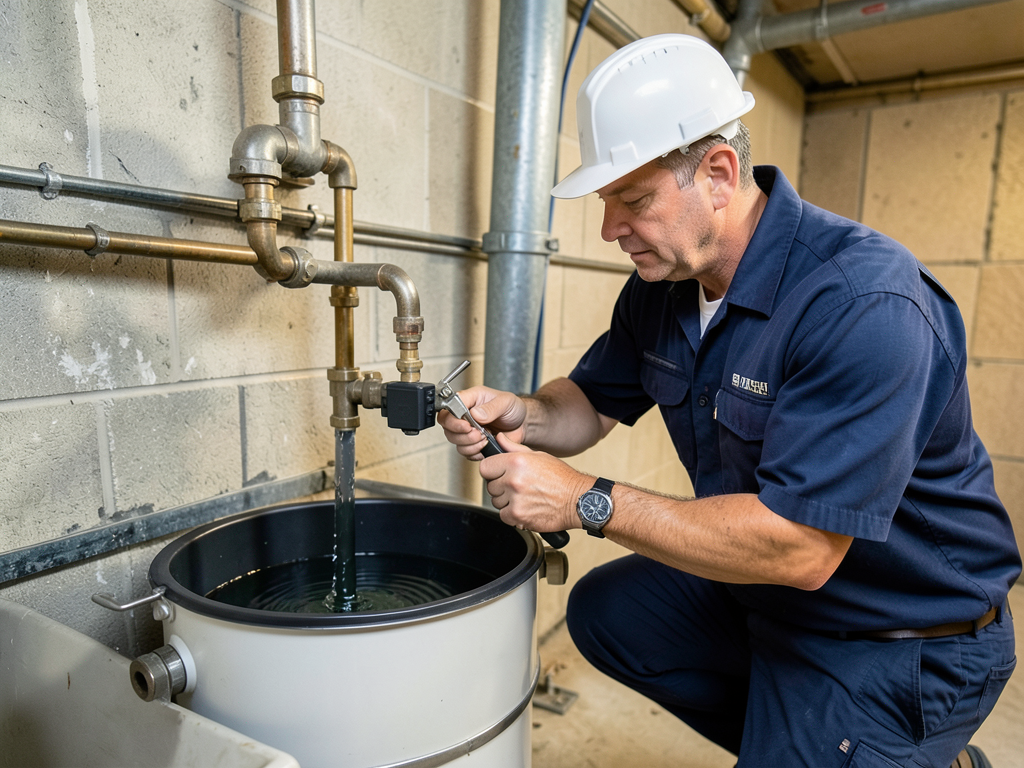
The process begins with isolating the assembly from the water system and attaching test cocks to specific ports on the device. For reduced pressure zone assemblies, the most common type in Washington, D.C. commercial buildings, testers measure the pressure differential across two check valves and verify the relief valve opens at the correct pressure point.

Double check valve assemblies, typically found in residential irrigation systems, require testing both check valves for tightness and proper closure. The tester creates backpressure to simulate reverse flow conditions and measures whether the valves hold against the designed specifications.

Each component must meet manufacturer tolerances, usually within 1 to 2 PSI of the rated pressure. Failed components trigger immediate repair requirements before DC Water accepts the test report. Common failure points include worn valve seats, debris buildup in the check valve springs, or corroded relief valve mechanisms.

Documentation includes the serial number of the backflow preventer, test gauge calibration date, and detailed pressure readings for each valve component. DC Water requires this information in their online reporting system within 10 days of testing completion.

Pressure vacuum breaker assemblies, common in residential hose bibs and lawn irrigation, need both spring tension testing and air inlet valve verification. The spring must open the air inlet when supply pressure drops to prevent vacuum siphonage from pulling contaminated water backward through the system.

Crestline Plumbing Washington DC performs these tests using state-certified equipment and submits results directly to DC Water's compliance database.

How Backflow Testing Works from Start to Finish

Understanding Backflow Testing in Washington, D.C. – Protect Your Water Supply with Expert Annual Certification and Compliance Resources
01

Locating Your Assembly

The tester identifies all backflow prevention assemblies on your property by reviewing building plans and locating devices at water entry points, irrigation lines, and fire suppression connections. Many Washington, D.C. properties have multiple assemblies that require separate testing. Each device gets tagged with its location and serial number for DC Water reporting. Older buildings sometimes have unregistered assemblies that need documentation updates.
02

Conducting Pressure Tests

Using calibrated gauge equipment, the tester measures forward and reverse pressure across all valve components. The process takes 15 to 30 minutes per assembly depending on complexity. Double check assemblies need two separate tests. Reduced pressure assemblies require four distinct pressure measurements. Any reading outside manufacturer specifications indicates valve wear or contamination. Failed assemblies require immediate component replacement or full device swap before retesting.
03

Filing Compliance Reports

After successful testing, the certified tester submits detailed results to DC Water's backflow prevention database with all required assembly information, test readings, and repair notes. You receive copies of the official test report showing your compliance status and next annual deadline. This documentation protects you during property transactions and insurance reviews. DC Water sends confirmation once they process the filing, clearing any outstanding violation notices on your account.

Why Local Expertise Matters for D.C. Backflow Compliance

Navigating DC Water's specific reporting requirements and compliance deadlines demands familiarity with the District's unique regulatory framework. Washington, D.C. uses different documentation standards than surrounding Maryland and Virginia jurisdictions, and testers certified in neighboring areas cannot submit valid reports for D.C. properties.

The city's backflow prevention ordinance, updated in 2018, requires property owners to maintain current contact information in the DC Water database and respond to testing notices within 30 days. Missing these deadlines triggers escalating penalties starting at $250 and increasing with each violation period. Properties in chronic non-compliance face water service disconnection until testing compliance resumes.

Georgetown's historic district properties often have complex plumbing configurations with multiple cross-connection points that require specialized assessment. Buildings converted from residential to commercial use need backflow assembly upgrades that match current occupancy and water usage patterns. A restaurant moving into a former rowhouse needs different protection than the original residential setup provided.

Crestline Plumbing Washington DC maintains direct access to DC Water's compliance portal and understands the specific assembly types approved for different hazard classifications in the District. We know which manufacturers DC Water accepts for replacement parts and how to expedite emergency retesting when assemblies fail during annual certification.

Our testers carry certification from the American Backflow Prevention Association and maintain the liability insurance DC Water requires for approved testing companies. We track your testing deadlines and send advance reminders so you never miss compliance windows.

Local building code knowledge helps us identify when plumbing modifications trigger new backflow installation requirements. Adding a commercial dishwasher, installing a lawn irrigation system, or connecting equipment with chemical injectors all create cross-connection points that need protection assemblies before DC Water approves the work.

What You Can Expect from Professional Backflow Testing

Same-Day Scheduling Availability

Most backflow prevention assembly testing appointments take less than one hour for standard residential properties with single assemblies. Commercial buildings with multiple devices need two to four hours depending on system complexity. We schedule testing around your business operations to minimize disruption and can perform work during off-hours for 24-hour facilities. Emergency retesting for failed assemblies happens within 24 hours after replacement parts arrive. Rush service accommodates DC Water violation notices with immediate deadlines. You receive advance confirmation of the testing window with arrival time estimates.

Detailed Assembly Evaluation

Before testing begins, the technician inspects the backflow preventer for visible damage, corrosion, or signs of tampering that affect performance. We verify the assembly matches DC Water records and check that isolation valves operate correctly for proper testing setup. The evaluation includes photographing the device serial number and installation configuration for documentation purposes. Any concerns about assembly age or wear get noted in the preliminary assessment. We explain test procedures and answer questions about how the device protects your water supply. The inspection takes 10 to 15 minutes before actual pressure testing starts.

Certified Pass Documentation

Successful test completion generates an official report with all pressure readings, gauge calibration certification, and tester credentials that DC Water requires for compliance acceptance. You receive both paper and electronic copies for your records before we leave the property. The report includes the next annual testing deadline and notes any maintenance recommendations to extend assembly life. We submit the documentation directly to DC Water's online portal within 48 hours and provide you with the confirmation number. This immediate filing prevents any gap in your compliance status and clears pending violations from your account.

Ongoing Compliance Tracking

After initial testing, we maintain your assembly information in our service database and send reminder notices 60 days before your next annual deadline. This proactive approach prevents last-minute scheduling conflicts and compliance lapses that trigger penalties. If DC Water changes reporting requirements or updates approved assembly lists, we notify affected customers about needed modifications. Properties with multiple assemblies on different testing schedules receive consolidated reminders to simplify compliance management. We also track gauge calibration cycles to ensure all testing equipment meets certification standards when your next inspection date arrives.

Frequently Asked Questions

You Have Questions,
We Have Answers

How does backflow testing work? +

Backflow testing measures whether your backflow preventer stops contaminated water from reversing flow into the clean water supply. A certified tester attaches gauges to test cocks on the device and simulates pressure changes. The tester checks if internal check valves seal properly and if the relief valve opens at the correct pressure. The process takes 15 to 30 minutes. In Washington, D.C., annual testing is mandatory for commercial properties and homes with irrigation systems. DC Water requires documentation proving your device passed. Failed devices must be repaired or replaced immediately to protect public health and maintain compliance.

What are the basics of backflow preventer? +

A backflow preventer is a mechanical valve that protects your drinking water from contamination. It allows water to flow in one direction while blocking reverse flow caused by back pressure or back siphonage. The device contains internal check valves, springs, and a relief valve. When pressure drops in the main supply line, the preventer stops dirty water from flowing backward. Washington, D.C. requires backflow preventers on properties with irrigation systems, fire suppression systems, or commercial water connections. The device installs directly on your water line. Annual testing by a certified technician ensures it works correctly and meets DC Water standards.

Do all plumbers do backflow testing? +

No. Backflow testing requires specific certification beyond a standard plumbing license. Testers must complete specialized training and pass a certification exam approved by Washington, D.C. authorities. Not all plumbers pursue this certification. The tester must understand hydraulics, pressure differentials, and device-specific testing procedures. They need calibrated gauges and proper documentation protocols. In Washington, D.C., only certified backflow testers can submit passing test results to DC Water. When you need testing, verify the technician holds current certification. Many plumbing companies employ certified testers, but always confirm credentials before scheduling. Unlicensed testing results will be rejected by the city.

What does it mean to fail a backflow test? +

Failing a backflow test means your device cannot prevent contaminated water from entering the clean water supply. The check valves may not seal completely, allowing reverse flow. The relief valve might not open at the correct pressure. Internal components could be worn, clogged, or damaged. In Washington, D.C., a failed test requires immediate repair or replacement. You cannot continue operating the system until the device passes retesting. DC Water requires documentation of the repairs and a passing test result. Operating with a failed backflow preventer risks public health violations and potential fines. Address failures quickly to restore compliance.

Is backflow testing hard? +

Backflow testing itself is straightforward for certified professionals but requires specific knowledge and equipment. The physical testing process takes 15 to 30 minutes once you understand the procedures. The challenge lies in understanding hydraulic principles, interpreting pressure gauge readings, and knowing device-specific protocols. Washington, D.C. requires testers to complete approved certification courses covering these topics. The exam tests your knowledge of backflow principles, testing procedures, and local code requirements. For property owners, testing is simple. You hire a certified tester who handles everything. For aspiring testers, certification requires study and practice but is achievable with proper training and commitment.

How many questions are on the backflow test? +

The backflow certification exam typically contains 100 to 150 questions, though this varies by testing organization. Washington, D.C. accepts certifications from recognized organizations like ASSE International or ABPA. Exams cover hydraulics, cross-connection control, device types, testing procedures, and local regulations. You must score 70 percent or higher to pass most exams. Questions include multiple choice, true or false, and scenario-based problems. The exam takes two to four hours. Some organizations offer open-book exams while others are closed-book. Study materials are available through certification providers. Many candidates attend prep courses before testing. Recertification is required every three years.

What are the 4 types of backflow preventers? +

The four main backflow preventer types are atmospheric vacuum breaker, pressure vacuum breaker, double check valve assembly, and reduced pressure zone device. Atmospheric vacuum breakers are the simplest and protect against back siphonage only. Pressure vacuum breakers also guard against back siphonage and can handle continuous pressure. Double check valve assemblies use two check valves to prevent both back siphonage and back pressure. Reduced pressure zone devices offer the highest protection with two check valves and a relief valve between them. Washington, D.C. mandates specific types based on hazard level. Commercial properties and irrigation systems typically need RPZ or double check devices.

What are the signs of a bad backflow valve? +

Signs of a failing backflow valve include water discoloration, unusual tastes or odors, and visible leaks from the relief valve. You might notice reduced water pressure or hear hissing sounds near the device. Water pooling around the backflow preventer indicates the relief valve is discharging. In Washington, D.C., frequent false discharges suggest internal component failure. Rusty or corroded exterior housing points to aging that may affect internal parts. If your irrigation system shows inconsistent pressure or if you notice water hammer, the check valves may not be seating properly. Schedule immediate testing if you observe any symptoms. Annual testing catches most failures before symptoms appear.

What is the difference between PVB and RPZ? +

PVB stands for pressure vacuum breaker while RPZ means reduced pressure zone device. The key difference is protection level. PVBs protect against back siphonage only and must install above all downstream piping. They are simpler and less expensive but cannot handle back pressure. RPZ devices protect against both back siphonage and back pressure. They include a relief valve that discharges if pressure drops, preventing contamination. Washington, D.C. requires RPZ devices for higher hazard applications like commercial properties or fire systems. PVBs work for residential irrigation systems where back pressure is not a concern. RPZ devices cost more but offer superior protection.

How much to charge to test a backflow? +

Backflow testing costs in Washington, D.C. vary based on device type, accessibility, and property location. Simple residential devices cost less to test than complex commercial assemblies. Factors affecting price include the number of devices, travel distance, and urgency. Annual testing is typically more affordable than emergency service calls. Many companies offer discounts for multiple devices tested during one visit. DC Water requires annual testing, so budget for this recurring expense. Repair costs are separate if your device fails. Get quotes from certified testers in the area. Prices reflect the tester's certification, equipment calibration costs, and liability insurance requirements mandated in Washington, D.C.

How D.C.'s Water Infrastructure Age Affects Backflow Testing Needs

Washington, D.C.'s water distribution system includes cast iron mains installed in the 1800s alongside modern PVC lines, creating pressure fluctuations that increase backflow risk throughout the network. When DC Water performs emergency main repairs or hydrant flushing in neighborhoods like Shaw or Columbia Heights, the sudden pressure changes can trigger vacuum conditions that pull contaminated water backward through unprotected cross-connections. The city's ongoing infrastructure replacement program causes temporary pressure variations as crews switch service between old and new mains. These conditions make properly functioning backflow prevention assemblies critical for every property connected to the municipal supply, not optional equipment.

DC Water's backflow prevention program enforces stricter standards than most U.S. cities due to the concentration of government facilities, hospitals, and high-occupancy buildings sharing the municipal water grid. The regulatory framework requires property owners to use only assemblies from DC Water's approved manufacturer list and limits which testing companies can submit valid compliance reports. Crestline Plumbing Washington DC maintains the specific certifications and insurance coverage the District mandates, ensuring your test results satisfy DC Water's documentation requirements. Our direct experience with local inspectors and compliance officers helps resolve issues faster when questions arise about your testing history or assembly configurations.
Plumbing Services in The Washington DC Area

Our service area is conveniently located to provide fast and efficient plumbing solutions to residents and businesses throughout the Washington DC area. We are dedicated to ensuring that no matter where you are, a trusted and reliable plumber is just a call away. Our map provides a visual representation of our service coverage, helping you to quickly and easily locate our trusted team.

Address:
Crestline Plumbing Washington DC, 1140 3rd St NE, Washington, DC, 20002

Additional Services We Offer

Our news updates

Latest Articles & News from The Blogs

Deciding Between a Tankless or Storage Tank Water Heater for Your Growing Family in Fort Davis Choosing the right water…

Deciding Between a Tankless or Storage Tank Water Heater for Your Growing Family in Fort Davis

Deciding Between a Tankless or Storage Tank Water Heater for Your Growing Family in Fort Davis Choosing the right water…

The Challenges of Adding a Sink to Your Kitchen Island in a Brentwood Rowhome

The Challenges of Adding a Sink to Your Kitchen Island in a Brentwood Rowhome Adding a sink to your kitchen…

How to Choose Between a Vertical and Horizontal Grease Interceptor for Your Navy Yard Restaurant

How to Choose Between a Vertical and Horizontal Grease Interceptor for Your Navy Yard Restaurant Running a restaurant in Navy…

Contact Us

Avoid DC Water penalties and protect your property's water quality with certified backflow prevention assembly testing. Call Crestline Plumbing Washington DC at (771) 223-8111 to book your compliance inspection. We handle all reporting and documentation to keep you in good standing.