Menu

Severe Clog & Backup Removal in Washington, D.C. – Same-Day Emergency Response to Stop Sewage Damage Now

When sewage backs up into your Georgetown rowhouse or Capitol Hill basement, every minute counts. Crestline Plumbing Washington DC dispatches certified technicians within the hour to clear severe drain blockages, extract contaminated water, and restore safe drainage before structural damage spreads.

Slider Image 1
Slider Image 2
Slider Image 3
Slider Image 4
Slider Image 5
Slider Image 7
Slider Image 8
Slider Image 9
Slider Image 10
Slider Image 11

Why Severe Backups Hit Washington, D.C. Properties Harder

You smell it before you see it. Raw sewage pooling in your basement. Water backing up through floor drains. Toilets gurgling and refusing to flush. This is not a minor inconvenience. This is a plumbing emergency that threatens your health and your property value.

Washington, D.C.'s aging sewer infrastructure makes severe clogs dangerously common. Many neighborhoods east of Rock Creek Park still rely on combined sewer systems built before 1950. During heavy rainstorms, stormwater overwhelms these lines and forces sewage back through your private lateral. Even newer systems in Northwest D.C. face trouble. Tree roots from the city's 150,000 street trees infiltrate clay pipe joints, creating massive blockages that collapse entire drain lines.

The clay soil beneath Capitol Hill and Foggy Bottom shifts with seasonal moisture changes. When the ground contracts during dry summers, it cracks old terracotta sewer laterals. When winter freeze-thaw cycles hit, those cracks widen. Grease, wipes, and debris accumulate at the fracture points until water stops moving entirely.

You need emergency drain cleaning services that understand how D.C.'s geology and infrastructure create these disasters. Main sewer line clog repair cannot wait until Monday morning. Sewage backup removal must happen now, before E. coli and fecal coliform bacteria contaminate your living space. Severe drain blockage clearing requires commercial-grade equipment and technicians who have cleared hundreds of D.C. laterals. Hydro jetting services become the only solution when conventional snaking fails to remove compacted root masses and hardened grease deposits.

Stop the damage. Stop the smell. Call for help.

Why Severe Backups Hit Washington, D.C. Properties Harder
How We Clear Severe Clogs When Others Fail

How We Clear Severe Clogs When Others Fail

We do not guess. We do not waste time with inadequate tools. We diagnose the exact location and cause of your blockage, then deploy the right equipment to eliminate it completely.

Our process begins with camera inspection. We feed a waterproof video snake through your cleanout access or through the affected drain. The live feed shows us whether you are dealing with root intrusion, pipe collapse, grease accumulation, or foreign object obstruction. We measure the exact distance from the insertion point to the blockage. This precision matters when your main line runs 60 feet from your house to the D.C. Water connection at the property line.

For root-choked lines, we use sectional cable machines with rotating cutting heads. These devices chew through fibrous root masses that wrap around pipe interiors like steel wool. For grease clogs and mineral scale buildup, we deploy trailer-mounted hydro jetting units that blast water at 3,500 PSI through specialized nozzles. The forward jets pulverize the obstruction while rear jets scour the pipe walls clean. This removes 100% of the buildup, not just enough to restore minimal flow.

When we encounter collapsed pipe sections or offset joints, we stop clearance work and pivot to repair recommendations. Forcing water through a broken line will flood your yard or basement. We show you the camera footage, explain your options, and give you the information you need to make the right decision.

After clearance, we run the camera again. You see the clear pipe. You see water flowing freely. You know the job is complete because we prove it on video.

What Happens When You Call for Emergency Backup Removal

Severe Clog & Backup Removal in Washington, D.C. – Same-Day Emergency Response to Stop Sewage Damage Now
01

Immediate Dispatch and Assessment

You call our emergency line. We gather your address and symptom details. A technician leaves for your property within 45 minutes, equipped with inspection cameras, cable machines, and extraction pumps. Upon arrival, we locate your main cleanout, assess the severity of the backup, and determine whether the blockage sits in your private lateral or the city main. This diagnostic phase takes 15 minutes and prevents wasted effort on the wrong section of pipe.
02

Blockage Clearance and Extraction

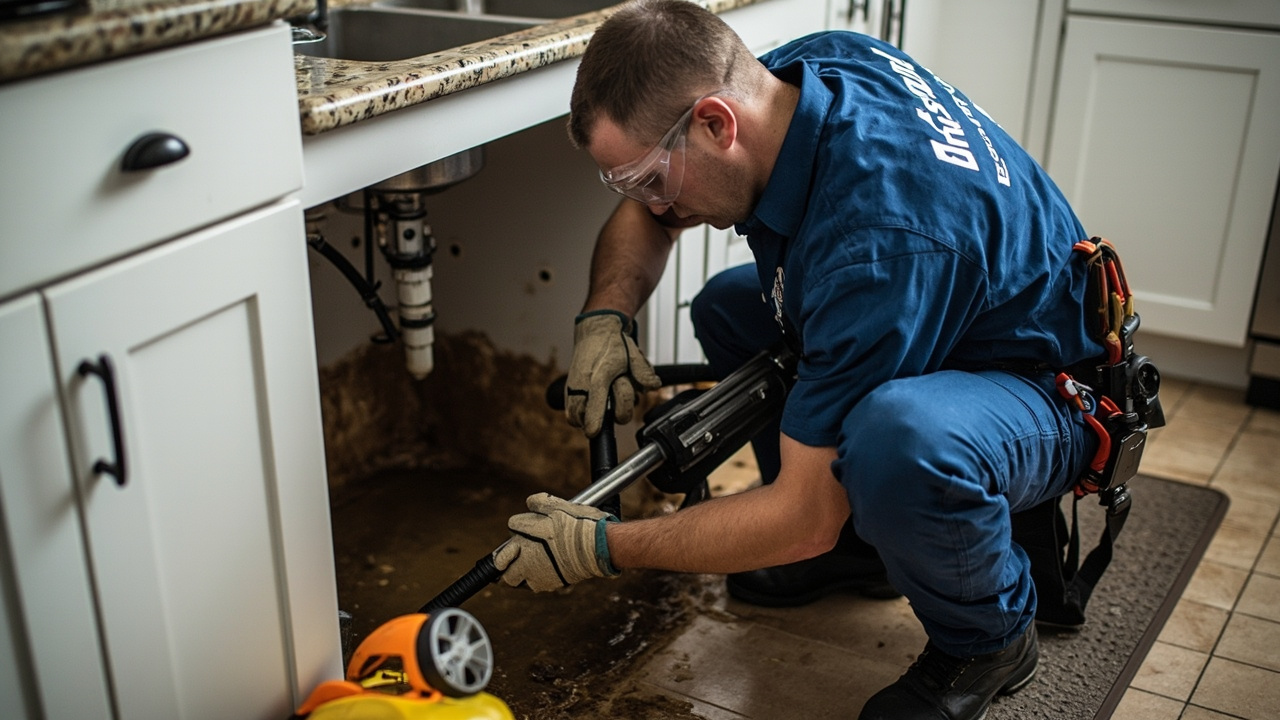
We deploy the appropriate clearance tool based on camera findings. Mechanical cable cutters for roots. Hydro jetting for grease and scale. High-volume pumps extract standing sewage from basins, crawl spaces, and floor drains. We work methodically from the blockage point back toward your house, ensuring complete removal of debris. If multiple fixtures are affected, we clear each branch line feeding into your main stack. You regain full drainage capacity.
03

Verification and Prevention Planning

We run the camera through the cleared line a second time. You watch the monitor as we document clean pipe walls and free-flowing water. We explain what caused the failure and what you can do to prevent recurrence. For chronic root problems, we discuss copper sulfate treatments or pipe lining options. For grease accumulation, we recommend enzyme maintenance products. You receive a dated service report with camera stills showing before and after conditions.

Why D.C. Property Owners Trust Crestline Plumbing for Crisis Response

When sewage floods your basement at 2 a.m., you need a plumber who answers the phone and arrives prepared. Crestline Plumbing Washington DC operates 24-hour emergency dispatch because D.C.'s plumbing infrastructure does not fail on a convenient schedule.

We know this city's pipe systems. We have cleared clogs in Dupont Circle rowhouses with 1920s cast iron stacks. We have hydro jetted grease blockages in Adams Morgan restaurant laterals. We have replaced collapsed terracotta lines in Anacostia properties where the original sewer connection predates the Clean Water Act. This experience means we recognize patterns. We know that properties near Broad Branch Road face constant root intrusion from willow oaks. We know that buildings in Shaw with shared laterals need camera inspection before clearance work to avoid pushing debris into a neighbor's line.

Our trucks carry extraction pumps, cable machines up to 100 feet in length, and portable jetting units. We stock replacement wax rings, closet flanges, and backflow preventers. When we arrive, we have the tools to finish the job during the first visit. No return trips to the supply house while sewage sits in your basement.

We follow D.C. Water specifications for lateral repairs. We pull permits when work extends beyond simple clearance. We coordinate with the District Department of Energy and Environment when we suspect your backup originates from a defective city main. We handle the paperwork so you can focus on cleanup and restoration.

You are choosing technicians who have resolved these exact problems in your neighborhood hundreds of times. We understand the urgency. We respect your property. We solve the problem.

What to Expect During Emergency Clog and Backup Service

Response Time and Availability

We dispatch emergency crews 24 hours per day, seven days per week, including federal holidays. When you call our emergency line at (771) 223-8111, you speak with a technician within three rings. We collect your address, symptom description, and access information. A fully equipped service vehicle leaves for your property within 45 minutes in most cases. For active sewage backups threatening living spaces, we prioritize arrival and aim for 30-minute response times in central D.C. neighborhoods. We text you our technician's name, photo, and estimated arrival time so you know exactly when help arrives.

Diagnostic Process and Inspection

We start every severe clog job with camera inspection unless active flooding requires immediate extraction. Our waterproof inspection cameras transmit live video to a tablet screen you can watch in real time. We narrate what we see as the camera travels through your drain line. You see the root mass, the grease accumulation, the collapsed pipe section, or the foreign object causing the blockage. We measure the exact distance from the cleanout to the obstruction and determine whether the problem sits in your building drain, your private lateral, or the city main. This diagnostic phase takes 10 to 20 minutes and prevents misdiagnosis.

Clearance Results and Performance

You regain full drainage capacity. Toilets flush normally. Sinks drain at proper speed. Floor drains accept water without backup. We verify clearance by running water through all affected fixtures while monitoring flow at the cleanout. For hydro jetting jobs, we show you the camera footage of clean pipe walls with no remaining debris. For mechanical cable jobs, we extract the cutting head and show you the root material or grease buildup we removed. Your drains work the way they did when the system was new. You receive a dated service report documenting the blockage location, clearance method, and final inspection results.

Prevention Guidance and Follow-Up

We explain what caused your backup and how to prevent it from happening again. For root intrusion, we discuss mechanical root barriers or chemical treatments that slow regrowth. For grease clogs in kitchen lines, we recommend enzyme-based maintenance products that digest organic buildup. For aging pipe systems, we explain your replacement options and provide cost estimates for permanent solutions. If your camera inspection revealed early-stage problems that do not yet require emergency action, we document those findings and suggest a monitoring schedule. You leave with a clear action plan and the information you need to protect your property long-term.

Frequently Asked Questions

You Have Questions,
We Have Answers

How do you unblock a badly blocked sewer pipe? +

A badly blocked sewer pipe requires professional equipment. Licensed plumbers use motorized drain snakes or hydro-jetting systems to break through obstructions. Hydro-jetting blasts high-pressure water through the line, cutting tree roots, grease buildup, and debris. For Washington, D.C. homes with older clay pipes, a camera inspection identifies exact blockage locations and pipe condition before clearing. Never use chemical drain cleaners on sewer lines. They corrode pipes and fail on severe blockages. If multiple drains back up simultaneously or you smell sewer gas, shut off water use immediately and call emergency plumbing services. Time matters to prevent sewage flooding your basement.

How much does it cost for a plumber to remove a clog? +

Clog removal costs vary based on severity and location. Simple sink or toilet clogs typically run less than complex main line blockages. Factors affecting price include time of service, access difficulty, equipment needed, and whether camera inspection is required. Emergency calls outside normal business hours cost more but prevent extensive water damage. Washington, D.C. homes with aging cast iron or clay sewer laterals often face higher costs due to root intrusion or collapsed pipes. Get an upfront estimate before work begins. Reputable plumbers explain what they find and quote prices before proceeding. Avoid companies that quote over the phone without inspecting the problem.

What is considered a severe clog? +

A severe clog causes multiple drains to back up simultaneously, not just one fixture. You will notice toilets gurgling when you run sinks, slow drainage throughout your home, or sewage backing up through floor drains. These symptoms indicate a main sewer line obstruction, not a simple fixture clog. In Washington, D.C., severe clogs often result from tree root infiltration into aging clay pipes or decades of grease buildup in cast iron laterals. Sewage odors, wet spots in your yard above the sewer line, or standing water near the cleanout also signal severe blockages requiring immediate professional intervention.

How to unclog a severely clogged drain? +

Stop using all water immediately. Running faucets or flushing toilets worsens backups and risks sewage flooding. Locate your main sewer cleanout, usually a white or black PVC cap in your basement or yard. If accessible, remove the cap to relieve pressure, but stand back. Sewage may spray out. Do not attempt DIY snaking on severe clogs. You risk damaging pipes or pushing the blockage deeper. Call a licensed plumber with hydro-jetting equipment and camera inspection tools. Washington, D.C. row homes and older properties need careful handling due to shared walls and aged infrastructure. Professionals clear the line safely and identify underlying causes.

How much does it cost to clear a blockage? +

Clearing a blockage depends on location and severity. Minor fixture clogs cost significantly less than main line obstructions requiring hydro-jetting or excavation. Emergency service, camera inspection, root cutting, and pipe repair add to base clearing costs. Washington, D.C. properties with shallow sewer laterals or proximity to mature street trees face higher expenses when root removal becomes necessary. The cleanout location also affects price. Difficult access points or lack of existing cleanouts increase labor time. Request a detailed estimate covering inspection, clearing method, and any necessary follow-up work. Preventive maintenance costs less than emergency repairs after sewage floods your home.

Can you clear a main sewer line clog yourself? +

No. Main sewer line clogs require professional equipment and expertise. Rental drain snakes lack the power to cut through tree roots, grease masses, or collapsed pipe sections. You risk damaging pipes, getting injured by sewage exposure, or pushing blockages deeper where they become harder to clear. Washington, D.C. homes often have aging clay or cast iron sewer laterals prone to cracks and root intrusion. Without camera inspection, you cannot see what caused the clog or whether pipes need repair. Licensed plumbers carry proper safety gear, liability insurance, and hydro-jetting systems that thoroughly clean lines. Attempting DIY sewer work often creates bigger, costlier problems.

How much to unclog a main sewer line? +

Main sewer line clearing costs depend on blockage severity, pipe condition, and required equipment. Hydro-jetting typically costs more than basic snaking but provides superior results for grease and root buildup. Camera inspection adds expense but identifies hidden damage preventing future backups. Washington, D.C. properties with deep sewer laterals or difficult access points face higher labor costs. Tree root infiltration requires specialized cutting heads and may need multiple treatments. If pipes are collapsed or severely damaged, excavation and replacement increase total costs significantly. Emergency service outside business hours carries premium rates. Get written estimates covering inspection, clearing method, and potential complications before authorizing work.

How long does it take a plumber to unclog a main sewer line? +

Simple main line clogs take one to three hours to clear with proper equipment. Complex blockages involving extensive tree roots, hardened grease buildup, or pipe damage require longer. Camera inspection adds 30 to 60 minutes but provides critical information about pipe condition and blockage location. Hydro-jetting thoroughly scours pipes but takes longer than basic snaking. Washington, D.C. row homes with shared sewer laterals or limited cleanout access may extend service time. If excavation becomes necessary for collapsed pipes, the job extends to days. Emergency plumbers prioritize restoring function quickly, then schedule follow-up repairs if needed. Response time matters more than clearing time when sewage threatens your home.

How much to unblock a sewer drain? +

Sewer drain unblocking costs vary based on blockage location, severity, and required equipment. Main line obstructions cost more than branch line clogs due to complexity and equipment needs. Hydro-jetting provides thorough cleaning but costs more than cable snaking. Camera inspection helps diagnose root causes and pipe damage. Washington, D.C. homes with aging infrastructure often need root cutting or pipe repair beyond basic clearing. Emergency calls outside normal hours carry premium rates but prevent sewage damage. Cleanout accessibility affects labor time and cost. Properties lacking cleanouts need installation before clearing, adding expense. Request itemized estimates covering inspection, clearing method, and any recommended repairs before authorizing work.

Does homeowners insurance cover sewer clogs? +

Most homeowners policies exclude sewer line maintenance and blockages caused by tree roots, grease buildup, or normal wear. Insurance covers sudden, accidental damage like a vehicle hitting your cleanout, but not gradual deterioration or neglect. Washington, D.C. homeowners should review their policy exclusions carefully. Some insurers offer optional sewer backup coverage endorsements protecting against sewage damage inside your home. This add-on typically covers cleanup and restoration but not the actual pipe repair. Service line protection plans from utility companies or third-party providers cover clearing and repair costs. Document maintenance records and camera inspections to support claims if coverage applies.

How D.C.'s Combined Sewer System Creates Backup Emergencies During Storm Events

Washington, D.C. operates one of the oldest combined sewer systems in the country. In neighborhoods like Capitol Hill, Georgetown, and Shaw, your sanitary waste shares the same pipes with stormwater runoff. When thunderstorms dump two inches of rain in an hour, the system cannot handle the volume. Pressure builds in the collection network and forces sewage back through the lowest drain openings in your home. Basement floor drains become eruption points. This problem intensifies during summer storm season when D.C. averages four to six high-intensity rainfall events per month. Severe drain blockage clearing becomes critical because any restriction in your private lateral reduces the system's ability to relieve pressure. Main sewer line clog repair prevents your home from becoming the path of least resistance when the combined system overflows.

Crestline Plumbing Washington DC maintains relationships with D.C. Water's emergency response coordinators. When your backup stems from a city main blockage or capacity failure, we know who to call and how to document the incident for potential reimbursement claims. We understand the District's requirements for private lateral maintenance and can show you whether your backup qualifies as a city responsibility or a property owner obligation. This local knowledge protects you from paying for repairs that the municipality should cover. We have cleared emergency drain blockages in every D.C. ward and know which neighborhoods face chronic infrastructure problems. You are hiring technicians who understand how this city's unique plumbing challenges affect your specific property.
Plumbing Services in The Washington DC Area

Our service area is conveniently located to provide fast and efficient plumbing solutions to residents and businesses throughout the Washington DC area. We are dedicated to ensuring that no matter where you are, a trusted and reliable plumber is just a call away. Our map provides a visual representation of our service coverage, helping you to quickly and easily locate our trusted team.

Address:
Crestline Plumbing Washington DC, 1140 3rd St NE, Washington, DC, 20002

Additional Services We Offer

Our news updates

Latest Articles & News from The Blogs

Deciding Between a Tankless or Storage Tank Water Heater for Your Growing Family in Fort Davis Choosing the right water…

Deciding Between a Tankless or Storage Tank Water Heater for Your Growing Family in Fort Davis

Deciding Between a Tankless or Storage Tank Water Heater for Your Growing Family in Fort Davis Choosing the right water…

The Challenges of Adding a Sink to Your Kitchen Island in a Brentwood Rowhome

The Challenges of Adding a Sink to Your Kitchen Island in a Brentwood Rowhome Adding a sink to your kitchen…

How to Choose Between a Vertical and Horizontal Grease Interceptor for Your Navy Yard Restaurant

How to Choose Between a Vertical and Horizontal Grease Interceptor for Your Navy Yard Restaurant Running a restaurant in Navy…

Contact Us

Sewage backups cause permanent damage every hour you wait. Call Crestline Plumbing Washington DC at (771) 223-8111 for immediate dispatch. Our emergency crews respond within 45 minutes with commercial-grade clearance equipment. We stop the backup, extract contaminated water, and restore safe drainage tonight.