
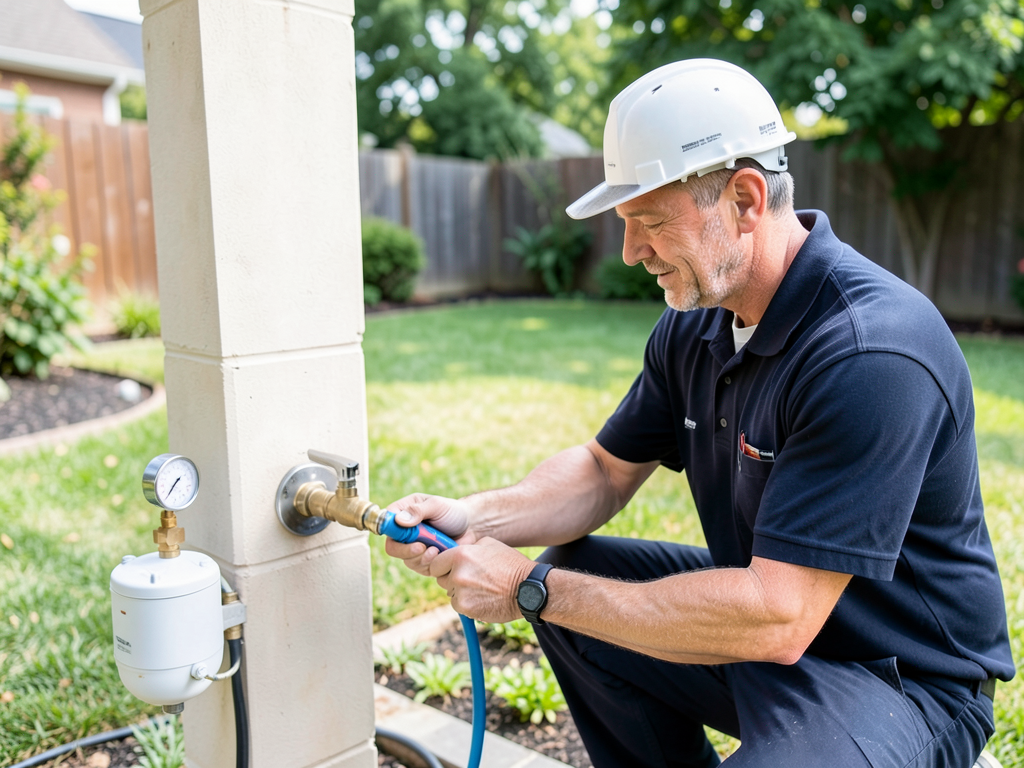
Everything you need to know about installing an outdoor shower in your Palisades backyard
Installing an outdoor shower in your Palisades backyard requires careful planning around DC’s unique climate, plumbing codes, and property layouts. The Mid-Atlantic freeze-thaw cycle means any outdoor plumbing must be designed to survive temperatures that can swing from 100°F in summer to 10°F in winter. This guide covers everything from frost-proof valves to drainage compliance with DC Water regulations. DC Water regulations.
Before you buy fixtures, understand that Palisades homes often sit on sloped terrain near the Potomac River. That slope affects drainage and may require a dry well or French drain to handle gray water. DC’s building code requires outdoor showers to drain into the sewer system or a dedicated drainage field—not just onto your lawn. You’ll also need a pressure-balancing mixing valve to prevent scalding when DC’s water pressure fluctuates. DC Historic Preservation guidelines.
DC Plumbing Codes & Permitting for Outdoor Fixtures
DC’s Department of Buildings requires a plumbing permit for any new outdoor water fixture. The code mandates that all outdoor showers have a vacuum breaker or backflow preventer to stop contaminated water from entering your home’s supply. For Palisades properties, this often means installing a reduced pressure zone (RPZ) assembly if the shower is within 5 feet of your home’s foundation. Common Plumbing Problems in Historic Capitol Hill Rowhouses (and How We Fix Them).
DC Water’s cross-connection control policy requires testing of backflow devices annually. The inspector will check for proper drainage slope—at least 1/4 inch per foot toward the sewer tie-in. In historic districts like nearby Foxhall Crescent, you may need HPRB approval before trenching for new supply lines. Emergency Water Shut-Off Service.
Winterization: Protecting Your Outdoor Plumbing from DC Freezes
DC’s freeze line averages 30 inches deep, but Palisades’ clay soil can heave pipes even above that depth. The only reliable protection is a frost-free hose bib with an internal shut-off valve located inside your home’s conditioned space. Look for models with a 12-inch frost-free stem minimum.
Before the first freeze, you must shut off the indoor valve and open the outdoor fixture to drain residual water. Leaving even a cup of water in the line can rupture PEX or copper when it expands. Some Palisades homeowners install a small electric heat cable for exposed supply lines near the river bluff where wind chill is worse.
Types of Outdoor Showers We Install (Wall-Mounted vs. Freestanding)
Wall-mounted showers tie into your home’s existing hot and cold supply, making them ideal for Palisades homes with basements or crawl spaces. The plumber can tap into the nearest bathroom or kitchen line, but you’ll need to insulate the new supply pipes to prevent condensation in DC’s humid summers. Who to Call When You Need an Emergency Plumber in Georgetown Right Away.
Freestanding showers use a garden hose connection and are easier to install but only provide cold water unless you add a solar or tankless heater. For year-round use in Palisades, a wall-mounted system with a pressure-balancing valve and freeze-proof design is the better investment. The mixing valve prevents sudden temperature swings when DC Water’s supply pressure changes. Choosing the Best Tankless Water Heater for Your Small Washington DC Condo.
Why Professional Installation Matters for DC Water Compliance
DIY outdoor shower kits often ignore DC’s strict drainage requirements. Gray water from showers must either tie into your home’s sewer lateral or drain into an approved dry well at least 10 feet from your foundation. Dumping shower water onto permeable surfaces near the Potomac floodplain can violate EPA stormwater regulations.
A licensed DC plumber will calculate your shower’s drainage load based on fixture gallons-per-minute rating. For a typical 2.5 GPM showerhead used 15 minutes daily, that’s 37 gallons of wastewater needing proper disposal. The plumber will also ensure your new supply line meets DC Water’s minimum pressure requirement of 35 psi.
Our Process: From Design to First Rinse
- Site Assessment
We evaluate your yard’s slope, soil type, and proximity to property lines. Palisades’ clay soil may require gravel backfill around drainage pipes to prevent clogging.
- Permit Acquisition
We pull the required DC plumbing permit and submit plans showing backflow preventer location and drainage tie-in point.
- Supply Line Installation
We trench to required depth, install insulated PEX or copper lines, and mount the frost-free valve with interior shut-off access.
- Drainage Setup
We install either a direct sewer tie-in with proper trap or a dry well system sized for your shower’s flow rate.
- Fixture Mounting
We mount the shower unit, connect the mixing valve, and test for leaks at all joints and connections.
- Final Inspection
We schedule a DOB inspection to verify code compliance before you use the shower.
Comparing Outdoor Shower Materials for DC Weather
| Material | Pros | Cons | Best For |
|---|---|---|---|
| Stainless Steel 316 | Corrosion-resistant, withstands freeze-thaw | Higher cost | Year-round use near river |
| Brass | Durable, classic appearance | Develops patina | Traditional Palisades homes |
| Copper | Natural antimicrobial properties | Expensive, requires polishing | High-end installations |
| PVC (cold only) | Low cost, easy installation | Not for hot water, less durable | Seasonal use only |
Common Mistakes to Avoid in Palisades
- Installing supply lines above the frost line—DC code requires 30 inches minimum depth
- Draining directly onto lawn—violates DC Water’s gray water regulations
- Using standard sillcocks instead of frost-free models—guarantees burst pipes
- Skipping the mixing valve—DC’s pressure fluctuations can cause scalding
- Ignoring HPRB rules in historic districts—can result in costly rework
Energy Considerations for Hot Water
If you want hot water, you have three options. The simplest is a tankless electric heater mounted near the shower, but Palisades homes often have limited electrical capacity. A solar thermal panel works well in DC’s sunny climate but requires roof access and freeze protection. The third option is running a dedicated hot water line from your home’s water heater, though this increases installation cost and complexity.
For Palisades’ climate, a thermostatic mixing valve is essential regardless of heating method. It maintains consistent output temperature even when your home’s water heater cycles or when DC Water’s supply temperature changes seasonally.
Maintenance Schedule for Outdoor Showers
Seasonal maintenance prevents most outdoor shower failures. In fall, shut off the interior valve and open outdoor fixtures to drain lines. Check the mixing valve for mineral buildup—DC’s water is moderately hard. Inspect drainage pipes for clogs before spring rains. Test the backflow preventer annually as required by DC Water. Emergency Sump Pump Failure.
Every 2-3 years, check the fixture’s O-rings and washers, which degrade faster in outdoor conditions. If you notice reduced flow, it may indicate a frozen pipe that cracked but hasn’t leaked yet. That’s when you need immediate professional inspection.
Cost Factors for Palisades Installations
Installation costs vary based on your home’s plumbing layout and yard conditions. A simple cold-water setup with existing drainage might cost $1,500-2,500. Adding hot water, freeze-proof design, and proper drainage can push costs to $3,500-5,000. Historic district requirements or difficult trenching through tree roots can add $1,000-2,000.
Permits typically cost $150-300 in DC. Backflow preventer testing runs $75-150 annually. Factor in $200-400 for winterization services if you won’t handle it yourself.
Frequently Asked Questions
Can I install an outdoor shower myself in DC?
DIY installation is possible but risky. DC requires permits for outdoor plumbing, and incorrect drainage can violate EPA stormwater rules. Without proper freeze protection, you’ll likely face burst pipes the first winter.
How deep should outdoor shower supply lines be buried in Palisades?
DC code requires a minimum of 30 inches below grade to protect from freezing. In Palisades’ clay soil, consider 36 inches for extra protection against frost heave.
Do I need a permit for an outdoor shower in DC?
Yes. DC’s Department of Buildings requires a plumbing permit for any new outdoor water fixture. The permit ensures proper backflow prevention and drainage compliance.
What’s the best way to heat water for an outdoor shower in DC?
For Palisades’ climate, a thermostatic mixing valve with either a tankless electric heater or a dedicated hot water line provides the most reliable hot water. Solar options work but require freeze protection.
Ready to Install Your Outdoor Shower?
Call (771) 223-8111 today to schedule your site assessment. We’ll evaluate your Palisades property’s specific needs, handle all permitting, and ensure your outdoor shower meets DC’s strict plumbing codes. Don’t wait until winter—freeze damage from improper installation can cost thousands to repair.
Pick up the phone and call (771) 223-8111 before the next storm hits. Our licensed DC plumbers understand the unique challenges of Palisades properties and will install your outdoor shower right the first time.
{
“@context”: “https://schema.org”,
“@type”: “BlogPosting”,
“headline”: “Everything you need to know about installing an outdoor shower in your Palisades backyard”,
“description”: “Learn how to install an outdoor shower in your Palisades backyard. DC-specific plumbing codes, winterization, and drainage solutions from local experts.”,
“wordCount”: 1426,
“datePublished”: “2026-06-10T11:35:00.000Z”,
“dateModified”: “2026-06-10T11:35:00.000Z”,
“inLanguage”: “en-US”,
“mainEntityOfPage”: {
“@type”: “WebPage”,
“@id”: “https://crestlineplumbingwashingtondc.com”
},
“publisher”: {
“@type”: “LocalBusiness”,
“name”: “Crestline Plumbing Washington DC”,
“url”: “https://crestlineplumbingwashingtondc.com”
},
“author”: {
“@type”: “Organization”,
“name”: “Crestline Plumbing Washington DC”,
“url”: “https://crestlineplumbingwashingtondc.com”
},
“image”: {
“@type”: “ImageObject”,
“url”: “https://crestlineplumbingwashingtondc.com/wp-content/uploads/2026/03/everything-you-need-to-know-about-installing-an-ou-1.png”
}
}
{
“@context”: “https://schema.org”,
“@type”: “Plumber”,
“name”: “Crestline Plumbing Washington DC”,
“url”: “https://crestlineplumbingwashingtondc.com”,
“address”: {
“@type”: “PostalAddress”,
“addressLocality”: “Washington DC”
},
“areaServed”: {
“@type”: “City”,
“name”: “Washington DC”
}
}
{
“@context”: “https://schema.org”,
“@type”: “FAQPage”,
“mainEntity”: [
{
“@type”: “Question”,
“name”: “Can I install an outdoor shower myself in DC?”,
“acceptedAnswer”: {
“@type”: “Answer”,
“text”: “DIY installation is possible but risky. DC requires permits for outdoor plumbing, and incorrect drainage can violate EPA stormwater rules. Without proper freeze protection, you’ll likely face burst pipes the first winter.”
}
},
{
“@type”: “Question”,
“name”: “How deep should outdoor shower supply lines be buried in Palisades?”,
“acceptedAnswer”: {
“@type”: “Answer”,
“text”: “DC code requires a minimum of 30 inches below grade to protect from freezing. In Palisades’ clay soil, consider 36 inches for extra protection against frost heave.”
}
},
{
“@type”: “Question”,
“name”: “Do I need a permit for an outdoor shower in DC?”,
“acceptedAnswer”: {
“@type”: “Answer”,
“text”: “Yes. DC’s Department of Buildings requires a plumbing permit for any new outdoor water fixture. The permit ensures proper backflow prevention and drainage compliance.”
}
},
{
“@type”: “Question”,
“name”: “What’s the best way to heat water for an outdoor shower in DC?”,
“acceptedAnswer”: {
“@type”: “Answer”,
“text”: “For Palisades’ climate, a thermostatic mixing valve with either a tankless electric heater or a dedicated hot water line provides the most reliable hot water. Solar options work but require freeze protection.”
}
},
{
“@type”: “Question”,
“name”: “Ready to Install Your Outdoor Shower?”,
“acceptedAnswer”: {
“@type”: “Answer”,
“text”: “Call (771) 223-8111 today to schedule your site assessment. We’ll evaluate your Palisades property’s specific needs, handle all permitting, and ensure your outdoor shower meets DC’s strict plumbing codes. Don’t wait until winter—freeze damage from improper installation can cost thousands to repair.”
}
}
]
}
{
“@context”: “https://schema.org”,
“@type”: “HowTo”,
“name”: “Outdoor Shower Installation Process”,
“step”: [
{
“@type”: “HowToStep”,
“position”: 1,
“name”: “Site Assessment”,
“text”: “We evaluate your yard’s slope, soil type, and proximity to property lines. Palisades’ clay soil may require gravel backfill around drainage pipes to prevent clogging.”
},
{
“@type”: “HowToStep”,
“position”: 2,
“name”: “Permit Acquisition”,
“text”: “We pull the required DC plumbing permit and submit plans showing backflow preventer location and drainage tie-in point.”
},
{
“@type”: “HowToStep”,
“position”: 3,
“name”: “Supply Line Installation”,
“text”: “We trench to required depth, install insulated PEX or copper lines, and mount the frost-free valve with interior shut-off access.”
},
{
“@type”: “HowToStep”,
“position”: 4,
“name”: “Drainage Setup”,
“text”: “We install either a direct sewer tie-in with proper trap or a dry well system sized for your shower’s flow rate.”
},
{
“@type”: “HowToStep”,
“position”: 5,
“name”: “Fixture Mounting”,
“text”: “We mount the shower unit, connect the mixing valve, and test for leaks at all joints and connections.”
},
{
“@type”: “HowToStep”,
“position”: 6,
“name”: “Final Inspection”,
“text”: “We schedule a DOB inspection to verify code compliance before you use the shower.”
}
],
“image”: “https://crestlineplumbingwashingtondc.com/wp-content/uploads/2026/03/everything-you-need-to-know-about-installing-an-ou-1.png”
}
{
“@context”: “https://schema.org”,
“@type”: “BreadcrumbList”,
“itemListElement”: [
{
“@type”: “ListItem”,
“position”: 1,
“name”: “Home”,
“item”: “https://crestlineplumbingwashingtondc.com”
},
{
“@type”: “ListItem”,
“position”: 2,
“name”: “Blog”,
“item”: “https://crestlineplumbingwashingtondc.com/blog”
},
{
“@type”: “ListItem”,
“position”: 3,
“name”: “Everything you need to know about installing an outdoor shower in your Palisades backyard”
}
]
}
{
“@context”: “https://schema.org”,
“@type”: “Service”,
“serviceType”: “Plumbing”,
“provider”: {
“@type”: “LocalBusiness”,
“name”: “Crestline Plumbing Washington DC”,
“url”: “https://crestlineplumbingwashingtondc.com”
},
“areaServed”: {
“@type”: “City”,
“name”: “Washington DC”
},
“description”: “Learn how to install an outdoor shower in your Palisades backyard. DC-specific plumbing codes, winterization, and drainage solutions from local experts.”
}