


Washington, D.C.'s plumbing infrastructure faces pressure from multiple angles. The District sits on clay soil that shifts with moisture changes, putting stress on underground pipes and creating opportunities for root intrusion in neighborhoods like Capitol Hill and Shaw. Historic row houses in Georgetown and Dupont Circle often contain outdated galvanized pipes and cast iron drains that corrode from the inside out.
D.C.'s humid summers and freeze-thaw winters create expansion and contraction cycles that weaken pipe joints and fixtures. When winter temperatures drop below freezing, exposed pipes in crawl spaces and exterior walls risk bursting if not properly insulated. The Potomac River's proximity creates high water tables in low-lying areas near the waterfront, making basement flooding a constant concern during heavy rains.
Many D.C. buildings were constructed before modern plumbing codes existed. These older systems struggle to handle today's water usage demands. Shared walls in row houses mean a leak in one unit can damage multiple properties. The District's aging municipal water mains also create pressure fluctuations that stress home plumbing systems. Add in hard water deposits from the region's mineral-rich groundwater, and you have a perfect storm of plumbing problems that require experienced local contractors who understand these specific challenges.
Crestline Plumbing Washington DC operates differently than national chains that treat every service call like a transaction. Our plumbers live and work in the District, so we understand the unique plumbing problems that affect D.C. properties. We have fixed thousands of burst pipes in historic row houses, cleared tree roots from century-old sewer lines, and replaced corroded galvanized pipes in buildings from every era of the city's development.
Our response time matters when water is pouring into your basement or a broken pipe is flooding your kitchen. We dispatch trucks from multiple locations across the District to reach you fast. Most repairs happen the same day you call because our vehicles carry extensive parts inventory for D.C.'s most common plumbing systems. You won't wait days for a special order part while water damage spreads through your walls.
We price every job upfront before work begins. No hidden fees, no surprise charges after we finish. You approve the cost, then we complete the repair. This transparency builds trust with property owners who have been burned by contractors who lowball estimates then inflate bills.
Our plumbing contractors hold D.C. master plumber licenses and complete ongoing training on new techniques and materials. We follow current District plumbing codes and pull permits when required. This protects your property value and ensures insurance coverage if you ever file a claim. When we complete a job, it passes inspection the first time.

Plumbing emergencies don't wait for business hours. Our emergency plumbers answer calls 24/7 and dispatch trucks immediately across all D.C. neighborhoods. When you have a burst pipe flooding your basement or a backed-up sewer line, we arrive fast to stop the damage and begin repairs.

You know the exact cost before we start work. Our plumbers diagnose the problem, explain your options, and provide a firm price that covers parts and labor. No hourly rates that climb while you watch. No surprise charges when the job finishes. You approve the price, then we complete the repair.
Every plumber on our team holds a valid D.C. master plumber license and carries proper insurance. We follow District plumbing codes, pull required permits, and guarantee our work passes inspection. This protects your property investment and ensures repairs meet standards for insurance coverage and resale value.
Our plumbers work exclusively in Washington, D.C., so we know the plumbing systems in your neighborhood. We have repaired pipes in Georgetown's historic row houses, replaced fixtures in Capitol Hill apartments, and cleared drain lines in Columbia Heights buildings. This local experience means faster diagnosis and better solutions for D.C.-specific problems.
Crestline Plumbing Washington DC handles every type of plumbing repair, installation, and maintenance service that D.C. property owners need. From emergency leak repairs that prevent water damage to complete repiping projects that replace failing infrastructure, our plumbing contractors have the skills and equipment to solve any problem.
We structure our services around the real needs of District residents. Emergency repairs stop active problems like burst pipes, clogged drains, and water heater failures. Planned installations upgrade outdated systems with modern fixtures, efficient water heaters, and reliable piping. Preventive maintenance catches small issues before they become expensive emergencies.
Our service vehicles carry extensive parts inventory for immediate repairs. We stock replacement parts for common D.C. plumbing fixtures, pipe fittings for various materials and sizes, and components for major water heater brands. This preparation means we complete most repairs in a single visit without scheduling return trips.
Whether you need a simple faucet replacement or a complex sewer line repair, our plumbing repair services deliver the same quality workmanship and attention to detail. We treat your property with respect, protect your floors and furnishings during work, and clean up thoroughly when we finish.
Burst pipes, backed-up sewers, and water heater failures create immediate damage that spreads by the minute. Our emergency plumbers respond 24/7 to stop leaks, clear blockages, and restore your plumbing system. We arrive with the tools and parts needed to complete repairs immediately, protecting your property from water damage and getting your plumbing back online. Emergency service is available every day of the year across all D.C. neighborhoods.
Upgrading your plumbing system improves efficiency and prevents future problems. We install new water heaters, modern fixtures, garbage disposals, and complete repiping for homes with failing galvanized or polybutylene pipes. Our plumbing contractors follow D.C. building codes, pull required permits, and guarantee all installations pass inspection. Whether you're renovating a historic row house or updating an older apartment building, we have the expertise to install systems correctly.
Clogged drains and slow-flowing fixtures signal blockages in your pipes. Our drain cleaning service uses professional equipment including cable augers and hydro-jetting systems to clear stubborn clogs from kitchen sinks, bathroom drains, and main sewer lines. We also offer video camera inspection to diagnose root intrusion, pipe damage, and hidden blockages. Regular drain maintenance prevents backups and extends the life of your plumbing system in D.C.'s challenging soil conditions.
Washington, D.C.'s combination of aging infrastructure, challenging soil conditions, and climate extremes creates specific plumbing problems that affect properties throughout the District. Historic neighborhoods contain plumbing systems installed decades before modern codes existed. The clay soil common across D.C. shifts with moisture changes, stressing underground pipes and creating entry points for tree roots. Freeze-thaw cycles during winter months cause pipes to expand and contract, weakening joints and fittings.
Understanding these common problems helps property owners recognize warning signs before minor issues become major damage. Slow drains, water pressure changes, unusual sounds, and unexplained water bills all signal developing problems. The key is addressing issues early, when repairs are simpler and less expensive. Our professional plumbers diagnose the root cause rather than just treating symptoms, preventing recurring problems that waste your money and damage your property.
Corroded galvanized pipes, frozen water lines, and high water pressure cause pipes to burst or develop leaks. D.C.'s freeze-thaw cycles stress exposed pipes in crawl spaces and exterior walls. Even small leaks waste thousands of gallons annually and cause hidden water damage behind walls. Our plumbers locate leaks quickly and repair or replace damaged sections before damage spreads through your property.
Tree roots infiltrate older clay sewer pipes searching for water and nutrients. Grease buildup, hair accumulation, and foreign objects create blockages in drain lines. When main sewer lines clog, wastewater backs up into basement drains and lower-level fixtures. Our drain cleaning equipment clears blockages completely and we use video inspection to identify root intrusion or pipe damage requiring repair.
Water heaters typically last 8-12 years before internal corrosion causes leaks or heating elements fail. D.C.'s hard water accelerates sediment buildup that reduces efficiency and shortens lifespan. A failed water heater floods your basement and leaves you without hot water for showers, dishes, and laundry. We replace water heaters quickly and help you choose the right size and type for your household needs.
Corroded pipes, mineral deposits, hidden leaks, and faulty pressure regulators all reduce water pressure. In historic D.C. homes, galvanized pipes narrow from decades of internal corrosion. Low pressure affects shower performance, appliance function, and daily convenience. Our plumbers diagnose the cause and recommend solutions from cleaning aerators to replacing corroded supply lines throughout your property.
From your first phone call to the final cleanup, Crestline Plumbing Washington DC delivers a professional experience focused on solving your plumbing problem quickly and correctly. We understand that plumbing emergencies create stress and disruption. Our goal is to remove that stress by communicating clearly, arriving on time, and completing quality repairs that last.
When you call our office, a real person answers and gathers information about your plumbing problem. We ask questions to understand the situation and dispatch the right equipment and parts. For emergencies, we provide an estimated arrival time and keep you updated if conditions change. For scheduled appointments, we call ahead when our plumber is on the way.
Our plumbing contractors arrive in clearly marked trucks with your needed tools and common parts already on board. We protect your floors with drop cloths, wear shoe covers inside your home, and treat your property with respect. After diagnosing the problem, we explain what's wrong in plain language, outline your repair options, and provide upfront pricing before starting work. You make the final decision about how to proceed.
We explain plumbing problems in straightforward terms without confusing jargon. You'll understand what's wrong, why it happened, and what needs to happen to fix it. Our plumbers answer your questions patiently and provide honest recommendations about repair versus replacement. We never pressure you into unnecessary services. All pricing is discussed and approved before we begin work, so you control the decision and the budget.
Your home or business is your most valuable asset. We protect it during repairs by using drop cloths, wearing shoe covers, and working carefully around your belongings. We arrive within the scheduled time window and work efficiently to complete repairs quickly without cutting corners. If we need to access walls, floors, or ceilings, we minimize damage and explain what restoration will be needed afterward.
We guarantee our repair work and stand behind the parts we install. If a problem develops with our work, we return to make it right at no additional charge. Before we leave, we test the repair thoroughly, clean our work area, and walk you through what we did. We also provide recommendations for preventing future problems and maintenance tips to extend the life of your plumbing system.
We've streamlined our repair process to solve your plumbing problem quickly while maintaining quality standards. Every job follows the same basic steps to ensure nothing gets missed and you receive consistent professional service.
Our plumber arrives and evaluates your plumbing problem using professional diagnostic tools. We explain what's wrong, what caused it, and what repair options you have. You receive a firm price quote that covers parts and labor with no hidden fees. Once you approve the price and repair plan, we begin work immediately. For emergency situations, we focus on stopping active damage first, then provide options for permanent repairs.
We complete the approved repair using quality parts and proper techniques. Our plumbers follow D.C. plumbing codes and manufacturer specifications for all installations. We work efficiently but never rush jobs or take shortcuts. If we encounter unexpected complications like additional damage or code violations, we stop and discuss options with you before proceeding. You stay informed and in control of decisions throughout the repair.
After completing repairs, we test everything thoroughly to confirm the problem is solved. We check for leaks, verify water pressure, and ensure fixtures operate correctly. We clean our work area, remove all debris and old parts, and leave your property as clean as we found it. Before leaving, we walk you through the completed work, answer any remaining questions, and provide maintenance recommendations to prevent future problems.
Washington, D.C. plumbing work is governed by the District's adoption of the International Plumbing Code with local amendments specific to the region's infrastructure and climate challenges. These codes protect public health by ensuring proper waste disposal, clean water delivery, and safe gas connections. They also protect property values by requiring quality materials and installation methods that pass inspection.
Licensed master plumbers must pull permits for most plumbing work beyond simple fixture replacements. Permit requirements apply to water heater installations, repiping projects, sewer line repairs, and gas line work. The District's Department of Consumer and Regulatory Affairs conducts inspections to verify code compliance. Unpermitted work can void insurance coverage, complicate property sales, and expose homeowners to liability if problems develop.
Material selection matters for longevity in D.C.'s challenging conditions. Copper pipe remains the gold standard for water supply lines, resisting corrosion and lasting 50 years or more. PEX flexible piping has gained acceptance for its freeze resistance and ease of installation in tight spaces. For drain lines, PVC plastic has largely replaced cast iron in new construction, though many older homes still have functioning cast iron stacks that can be repaired rather than replaced.
Proper venting is critical for drain function but often overlooked. Every plumbing fixture needs proper venting to allow air into drain lines as water flows out. Without adequate venting, drains gurgle, empty slowly, and lose their trap seals, allowing sewer gases into living spaces. D.C.'s dense row house construction makes venting challenging, requiring creative solutions that comply with code requirements for stack sizing and placement.
Water pressure regulation protects your plumbing system and appliances. The District's water mains deliver pressure between 50-80 PSI, but localized variations occur. Pressure above 80 PSI stresses pipes, fittings, and appliance connections, causing premature failures. Professional plumbers install pressure-reducing valves when needed and size them correctly for household demand. Regular pressure testing identifies problems before they cause damage.
The District requires permits for water heater replacements, repiping projects, sewer line repairs, gas line work, and most installations beyond simple fixture swaps. Licensed plumbers pull permits, schedule inspections, and ensure work complies with current International Plumbing Code standards as adopted by D.C. Unpermitted work risks insurance denial, sale complications, and safety hazards that affect your property value.
Plumbing repair costs depend on problem complexity, material selection, access difficulty, and permit requirements. Emergency repairs cost more than scheduled work due to immediate response and after-hours service. Repiping projects vary based on home size, pipe material choice, and wall access. Sewer line repairs depend on depth, length, and whether excavation or trenchless methods are used. Quality materials cost more upfront but last longer and prevent recurring problems.
Simple repairs like fixture replacements or drain cleaning take 1-2 hours. Water heater installations require 2-4 hours including permit processing and inspection scheduling. Repiping projects span multiple days depending on home size and access difficulty. Sewer line repairs take 1-3 days based on repair method and excavation needs. Emergency repairs prioritize stopping active damage within hours, with permanent solutions following permit approval and inspection scheduling.
D.C. requires master plumber licenses for anyone performing plumbing work for compensation. Licensed plumbers pass trade exams, demonstrate experience, and maintain continuing education. They also carry liability insurance and workers compensation coverage protecting property owners from accidents and damage claims. Always verify license status through the District's Department of Consumer and Regulatory Affairs before hiring plumbing contractors for your property.
Professional overview of plumbing services in Washington, D.C. covering emergency repairs, common problems affecting District properties, and what to expect when hiring licensed plumbing contractors. Explains D.C.-specific challenges including aging infrastructure, soil conditions, and climate factors that impact residential plumbing systems. Details the repair process, code requirements, and how to choose qualified plumbers for your property needs.
Crestline Plumbing Washington DC serves every neighborhood across the District of Columbia, from historic Georgetown to rapidly developing Navy Yard. Our plumbers respond to service calls in Capitol Hill's row houses, where century-old plumbing systems often need emergency repairs when galvanized pipes finally corrode through. We work extensively in Dupont Circle and Logan Circle, where dense urban construction creates unique challenges for sewer line access and repair.
The Columbia Heights and Petworth neighborhoods see frequent calls for drain cleaning and water heater replacements in older apartment buildings undergoing renovation. These areas contain a mix of original plumbing infrastructure and modern updates, requiring plumbers who understand both systems. Our trucks regularly serve Shaw and U Street properties, where basement flooding from overwhelmed storm drains during heavy rains creates ongoing challenges for property owners near the low-lying areas close to Rock Creek.
Georgetown's historic district presents specialized plumbing needs due to preservation requirements and limited street access. We have extensive experience navigating these constraints while performing necessary repairs and upgrades that meet modern code standards without compromising historic character. The narrow streets and shared walls of Georgetown row houses require careful coordination and protection of neighboring properties during plumbing work.
East of the Anacostia River, our plumbers serve Congress Heights, Anacostia, and the rapidly developing areas near the new soccer stadium. These neighborhoods often face infrastructure challenges related to aging municipal water mains and sewer systems. We work closely with D.C. Water to coordinate repairs where private plumbing systems connect to public infrastructure.
The Penn Quarter and Downtown areas include numerous commercial properties requiring specialized plumbing services for restaurants, hotels, and office buildings. Our commercial plumbing expertise extends to backflow prevention, grease trap maintenance, and high-capacity water heater systems. We understand the unique demands of hospitality and food service plumbing.
Whether your property sits near the National Mall, along the Potomac waterfront, in the residential neighborhoods of Northwest D.C., or anywhere else in the District, our local plumbers know your area and respond quickly when you need emergency repairs or scheduled service.
Older DC row houses often share water lines or have undersized pipes from the street connection. When neighbors use water simultaneously, the limited supply gets divided among multiple households. Galvanized pipes common in these homes also narrow over time due to mineral buildup and corrosion. This restricts flow significantly. The problem worsens during morning and evening hours when everyone showers or runs appliances. Upgrading your main water line and replacing corroded galvanized pipes with copper or PEX restores proper pressure. A plumber should test your pressure and inspect your pipe diameter.
Replacing galvanized pipes in Capitol Hill homes involves several factors that affect pricing. The home's size, number of bathrooms, pipe accessibility, and whether walls need opening all influence the project scope. Most row houses require three to five days of work. Plumbers must remove old pipes from walls and floors, then install new copper or PEX lines. The job includes reconnecting all fixtures and restoring wall surfaces. Your plumber should provide a detailed estimate after inspecting your home's layout and existing plumbing conditions. Many homeowners complete this work in phases to spread expenses.
Yes. Washington DC requires a plumbing permit for water heater replacement. You must file with the Department of Consumer and Regulatory Affairs before starting work. Licensed plumbers typically handle permit applications as part of their service. The permit ensures your installation meets DC building codes for safety, venting, and proper connections. Inspectors verify the work follows regulations for gas lines, electrical connections, temperature and pressure relief valves, and earthquake strapping. Skipping permits risks fines and complications when selling your home. Most permits get approved within a few business days.
Older DC row houses often share water lines or have undersized pipes from the street connection. When neighbors use water simultaneously, the limited supply gets divided among multiple households. Galvanized pipes common in these homes also narrow over time due to mineral buildup and corrosion. This restricts flow significantly. The problem worsens during morning and evening hours when everyone showers or runs appliances. Upgrading your main water line and replacing corroded galvanized pipes with copper or PEX restores proper pressure. A plumber should test your pressure and inspect your pipe diameter.
Replacing galvanized pipes in Capitol Hill homes involves several factors that affect pricing. The home's size, number of bathrooms, pipe accessibility, and whether walls need opening all influence the project scope. Most row houses require three to five days of work. Plumbers must remove old pipes from walls and floors, then install new copper or PEX lines. The job includes reconnecting all fixtures and restoring wall surfaces. Your plumber should provide a detailed estimate after inspecting your home's layout and existing plumbing conditions. Many homeowners complete this work in phases to spread expenses.
Yes. Washington DC requires a plumbing permit for water heater replacement. You must file with the Department of Consumer and Regulatory Affairs before starting work. Licensed plumbers typically handle permit applications as part of their service. The permit ensures your installation meets DC building codes for safety, venting, and proper connections. Inspectors verify the work follows regulations for gas lines, electrical connections, temperature and pressure relief valves, and earthquake strapping. Skipping permits risks fines and complications when selling your home. Most permits get approved within a few business days.
High-rise condos near Dupont Circle face unique pressure challenges. Buildings rely on pump systems to push water to upper floors. When pumps malfunction or age, pressure drops noticeably. Clogged aerators and partially closed shut-off valves at individual units also restrict flow. Sometimes the building's main pressure regulator fails or requires adjustment. Shared plumbing among many units means heavy simultaneous usage depletes supply. Contact your building management first, as this often indicates a building-wide system problem. If only your unit experiences issues, check fixture aerators and your unit's shut-off valves.
Sewer line replacement in DC typically takes three to seven days depending on several conditions. The line length, depth, accessibility, and whether crews encounter rock or dense clay affects timeline. DC's heavy clay soil requires proper excavation equipment and sometimes longer digging periods. Crews must coordinate with DC Water for permits and inspections. Weather delays work during heavy rain. The process includes excavating the trench, removing old pipe, installing new sewer line, backfilling, compacting soil, and restoring landscaping or pavement. Complex projects near mature trees or under driveways take longer.
Most Georgetown townhouses accommodate tankless water heaters with some modifications. Your existing plumbing needs evaluation for adequate gas line size or electrical capacity. Tankless units require specific venting configurations that differ from traditional tank heaters. Gas models need larger diameter gas lines to supply enough fuel for instant heating. Electric models demand significant amperage and possible electrical panel upgrades. Georgetown's historic building restrictions sometimes limit exterior venting options. A plumber must assess your current setup, available space, and fuel source to determine necessary modifications. Proper installation ensures optimal performance and efficiency.
Shut off electricity to your basement immediately to prevent electrocution hazards. Stop water flow if the source is plumbing related. Move valuables and furniture to higher ground if safe to do so. Do not enter standing water deeper than a few inches. Document damage with photos for insurance claims. Contact a plumber to identify the water source and make repairs. Use pumps or wet vacuums to remove water once safe. Run dehumidifiers and fans to dry the space completely. This prevents mold growth within 24 to 48 hours. Address foundation cracks that allowed water entry.
Prevent frozen pipes by maintaining heat above 55 degrees throughout your home. Open cabinet doors under sinks to let warm air reach pipes against exterior walls. Let faucets drip slightly during extreme cold, as moving water resists freezing. Insulate exposed pipes in crawl spaces, attics, and unheated areas with foam sleeves. Seal air leaks where pipes run through walls or floors. Disconnect and drain outdoor hoses. Shut off and drain exterior faucets. Know your main water shut-off location for emergencies. Older DC homes with poor insulation need extra attention to vulnerable pipes.
A running toilet wastes hundreds of gallons daily and stems from several fixable issues. The flapper valve at the tank bottom often deteriorates, allowing water to leak into the bowl continuously. The fill valve sometimes fails to shut off properly. The float height might need adjustment. Mineral deposits on valve components prevent proper sealing. Chain tangles or incorrect length stop the flapper from closing completely. Most repairs require simple replacement parts from hardware stores. Turn off the water supply, flush to empty the tank, and inspect these components. Replace worn flappers and fill valves for immediate improvement.
Property owners own and maintain the water line from the street connection to their house. This includes the section under the sidewalk and your yard. DC Water owns and maintains the main water line in the street and the connection point at the property line. When your private line leaks or breaks, you pay for repairs. You need permits for work affecting public space. DC Water repairs main line issues at no charge to you. Review your homeowner's insurance policy, as some plans cover emergency water line repairs. Determine the leak location before calling for service.
High-rise condos near Dupont Circle face unique pressure challenges. Buildings rely on pump systems to push water to upper floors. When pumps malfunction or age, pressure drops noticeably. Clogged aerators and partially closed shut-off valves at individual units also restrict flow. Sometimes the building's main pressure regulator fails or requires adjustment. Shared plumbing among many units means heavy simultaneous usage depletes supply. Contact your building management first, as this often indicates a building-wide system problem. If only your unit experiences issues, check fixture aerators and your unit's shut-off valves.
Sewer line replacement in DC typically takes three to seven days depending on several conditions. The line length, depth, accessibility, and whether crews encounter rock or dense clay affects timeline. DC's heavy clay soil requires proper excavation equipment and sometimes longer digging periods. Crews must coordinate with DC Water for permits and inspections. Weather delays work during heavy rain. The process includes excavating the trench, removing old pipe, installing new sewer line, backfilling, compacting soil, and restoring landscaping or pavement. Complex projects near mature trees or under driveways take longer.
Most Georgetown townhouses accommodate tankless water heaters with some modifications. Your existing plumbing needs evaluation for adequate gas line size or electrical capacity. Tankless units require specific venting configurations that differ from traditional tank heaters. Gas models need larger diameter gas lines to supply enough fuel for instant heating. Electric models demand significant amperage and possible electrical panel upgrades. Georgetown's historic building restrictions sometimes limit exterior venting options. A plumber must assess your current setup, available space, and fuel source to determine necessary modifications. Proper installation ensures optimal performance and efficiency.
Shut off electricity to your basement immediately to prevent electrocution hazards. Stop water flow if the source is plumbing related. Move valuables and furniture to higher ground if safe to do so. Do not enter standing water deeper than a few inches. Document damage with photos for insurance claims. Contact a plumber to identify the water source and make repairs. Use pumps or wet vacuums to remove water once safe. Run dehumidifiers and fans to dry the space completely. This prevents mold growth within 24 to 48 hours. Address foundation cracks that allowed water entry.
Prevent frozen pipes by maintaining heat above 55 degrees throughout your home. Open cabinet doors under sinks to let warm air reach pipes against exterior walls. Let faucets drip slightly during extreme cold, as moving water resists freezing. Insulate exposed pipes in crawl spaces, attics, and unheated areas with foam sleeves. Seal air leaks where pipes run through walls or floors. Disconnect and drain outdoor hoses. Shut off and drain exterior faucets. Know your main water shut-off location for emergencies. Older DC homes with poor insulation need extra attention to vulnerable pipes.
A running toilet wastes hundreds of gallons daily and stems from several fixable issues. The flapper valve at the tank bottom often deteriorates, allowing water to leak into the bowl continuously. The fill valve sometimes fails to shut off properly. The float height might need adjustment. Mineral deposits on valve components prevent proper sealing. Chain tangles or incorrect length stop the flapper from closing completely. Most repairs require simple replacement parts from hardware stores. Turn off the water supply, flush to empty the tank, and inspect these components. Replace worn flappers and fill valves for immediate improvement.
Property owners own and maintain the water line from the street connection to their house. This includes the section under the sidewalk and your yard. DC Water owns and maintains the main water line in the street and the connection point at the property line. When your private line leaks or breaks, you pay for repairs. You need permits for work affecting public space. DC Water repairs main line issues at no charge to you. Review your homeowner's insurance policy, as some plans cover emergency water line repairs. Determine the leak location before calling for service.
Our service area is conveniently located to provide fast and efficient plumbing solutions to residents and businesses throughout the Washington DC area. We are dedicated to ensuring that no matter where you are, a trusted and reliable plumber is just a call away. Our map provides a visual representation of our service coverage, helping you to quickly and easily locate our trusted team.
Address:
Washington, D.C., DC, 20001
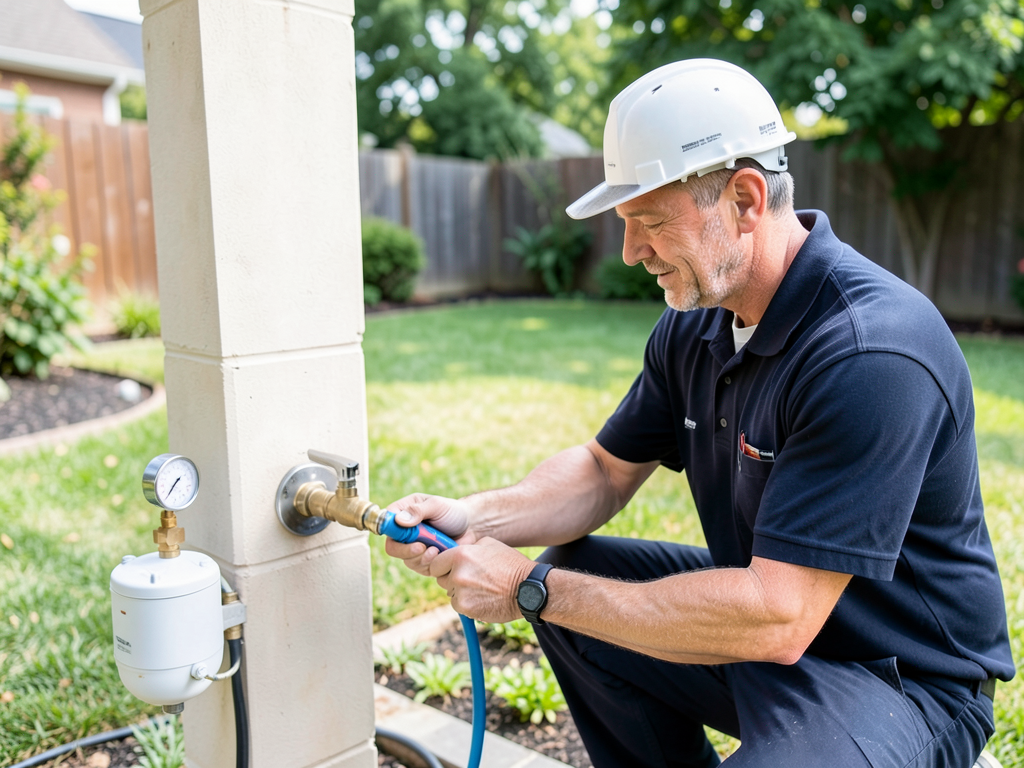
Everything you need to know about installing an outdoor shower in your Palisades backyard Installing an outdoor shower in your Palisades backyard requires careful planning around DC's unique climate, plumbing codes, and property layouts. The…
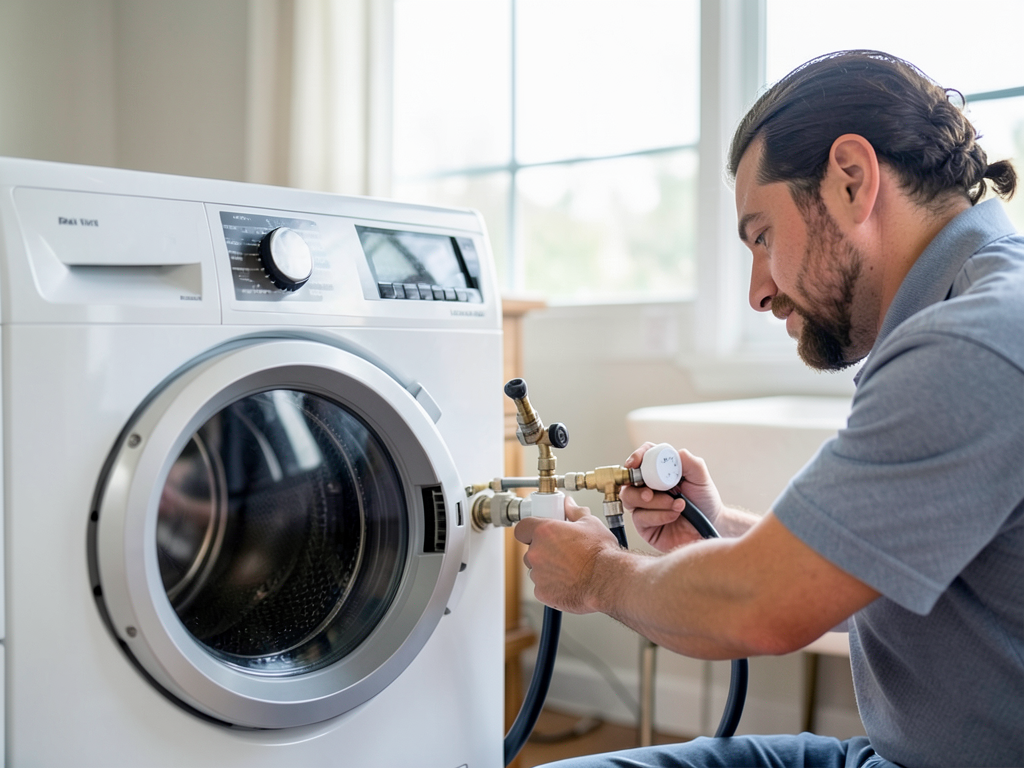
Living in a second floor apartment in Park View comes with unique plumbing challenges that…
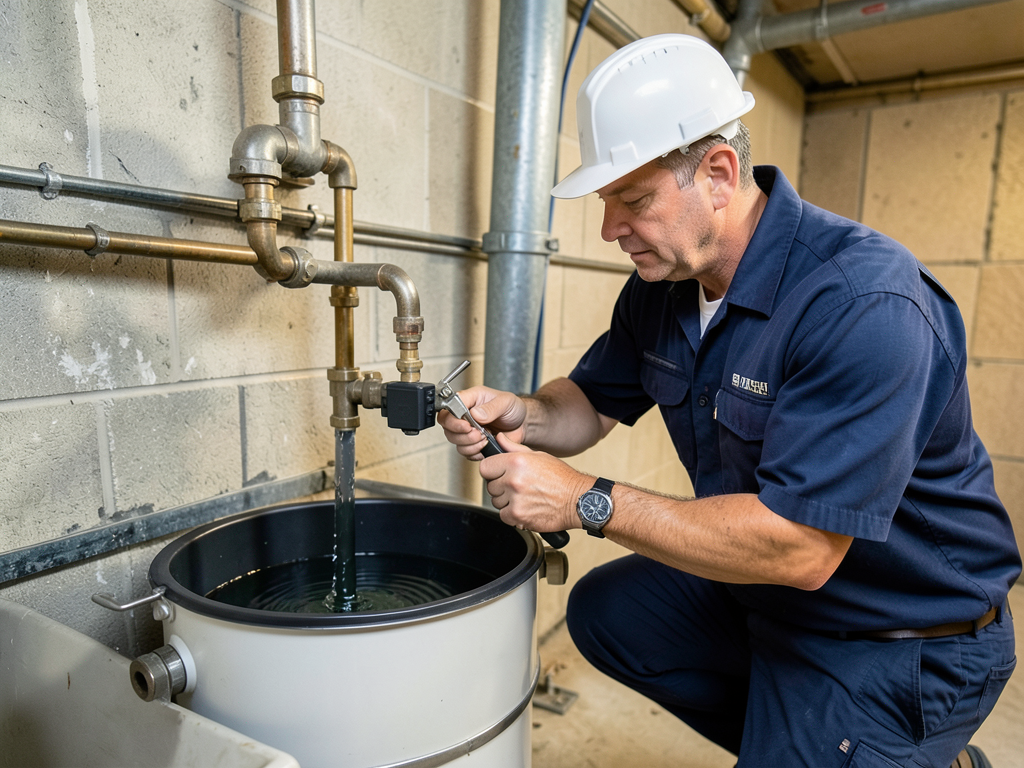
Why water is pooling around your furnace in Michigan Park and how to fix it…
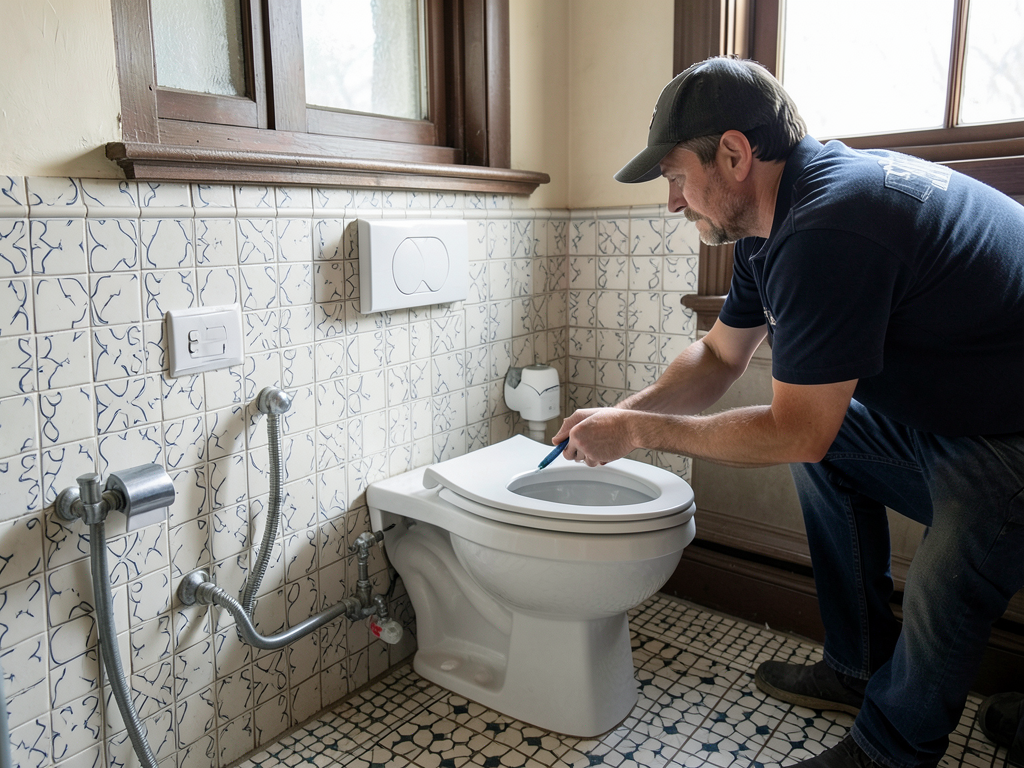
Why dual flush toilets are the smartest upgrade for busy households in Woodley Park Dual…
Don't let plumbing problems cause expensive water damage to your D.C. property. Our professional plumbers respond fast across the District with the parts and equipment needed to complete repairs today. Call (771) 223-8111 now for same-day emergency service or to schedule an appointment.