Menu

Benefits of Water Softeners in Washington, D.C. – Protect Your Plumbing and Appliances from Mineral Damage

Discover the advantages of water softening systems for D.C. homes, from extending appliance lifespan to eliminating stubborn scale buildup on fixtures and pipes throughout your property.

Slider Image 1
Slider Image 2
Slider Image 3
Slider Image 4
Slider Image 5
Slider Image 7
Slider Image 8
Slider Image 9
Slider Image 10
Slider Image 11

Why Washington, D.C. Water Creates Problems for Your Home

Washington, D.C. pulls its municipal water from the Potomac River, and depending on your neighborhood, you may receive harder water than you realize. The Potomac watershed runs through limestone-rich geology upstream in Maryland and Virginia, which means dissolved calcium and magnesium make their way into your tap. Homes in Georgetown, Capitol Hill, and neighborhoods east of Rock Creek Park frequently show visible scale on faucet aerators, showerheads, and glass shower doors.

Hard water does not just create cosmetic issues. The mineral deposits accumulate inside your water heater, reducing efficiency and shortening tank life. You will see higher energy bills as your heater struggles to warm water through layers of scale. Dishwashers and washing machines suffer similar fates. Soap does not lather properly in hard water, so you use more detergent and still get streaky dishes and stiff laundry.

The advantages of soft water extend beyond appliance protection. Softened water reduces soap scum in bathrooms, makes hair and skin feel cleaner, and prevents that chalky residue on glassware. The reasons to install a water softener in D.C. are practical and financial. Replacing a water heater costs thousands. Replacing corroded faucet cartridges and clogged aerators adds up quickly. The pros of water softeners include measurable cost savings over time and less maintenance on every water-using fixture in your home. Hard water treatment benefits start immediately once the system is operational, and you will notice the difference in water feel and cleaning power within days.

Why Washington, D.C. Water Creates Problems for Your Home
How Water Softening Systems Remove Hardness Minerals

How Water Softening Systems Remove Hardness Minerals

A water softener uses an ion exchange process to remove calcium and magnesium from your water supply. The system consists of a mineral tank filled with resin beads and a brine tank that holds salt. As hard water flows through the mineral tank, the resin beads attract and trap the hardness minerals. Sodium ions from the salt are released into the water in exchange, which is why softened water has a slightly higher sodium content.

The resin beads eventually become saturated with calcium and magnesium. When this happens, the system enters a regeneration cycle. Brine solution from the salt tank flushes through the mineral tank, washing away the accumulated minerals and recharging the resin beads with fresh sodium ions. The waste water drains away, and the system returns to normal operation. Modern softeners regenerate automatically based on water usage or a timed schedule.

Installation requires connecting the softener to your main water line after the meter and before the water heater. This ensures all water entering your plumbing system is treated. A bypass valve allows you to divert water around the softener if needed for maintenance. You will need a drain line for regeneration discharge and an electrical outlet for the control valve. Some homeowners choose to leave outdoor hose bibs unsoftened to avoid wasting soft water on landscaping.

Sizing the system correctly matters. A four-person household typically needs a softener rated for 32,000 to 48,000 grains of hardness removal capacity. D.C. water hardness varies, but testing your supply helps determine the right size. Undersized units regenerate too frequently, wasting salt and water. Oversized units cost more upfront without added benefit.

What Installing a Water Softener in Your D.C. Home Looks Like

Benefits of Water Softeners in Washington, D.C. – Protect Your Plumbing and Appliances from Mineral Damage
01

Water Testing and Analysis

We test your water supply to measure hardness levels in grains per gallon and check for iron or manganese, which require specialized filtration. D.C. water quality varies by neighborhood due to different distribution lines and pipe materials. Testing determines the correct softener capacity and regeneration settings for your specific supply. We also evaluate available space, drain access, and electrical connections to recommend the best installation location.
02

System Installation and Plumbing

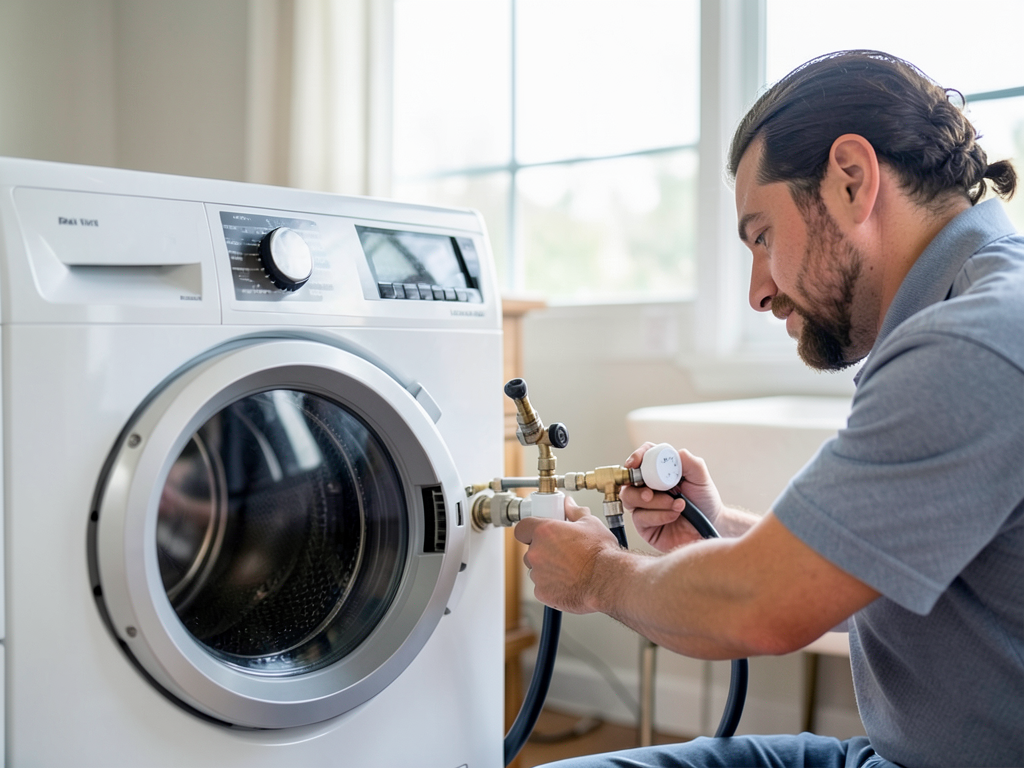
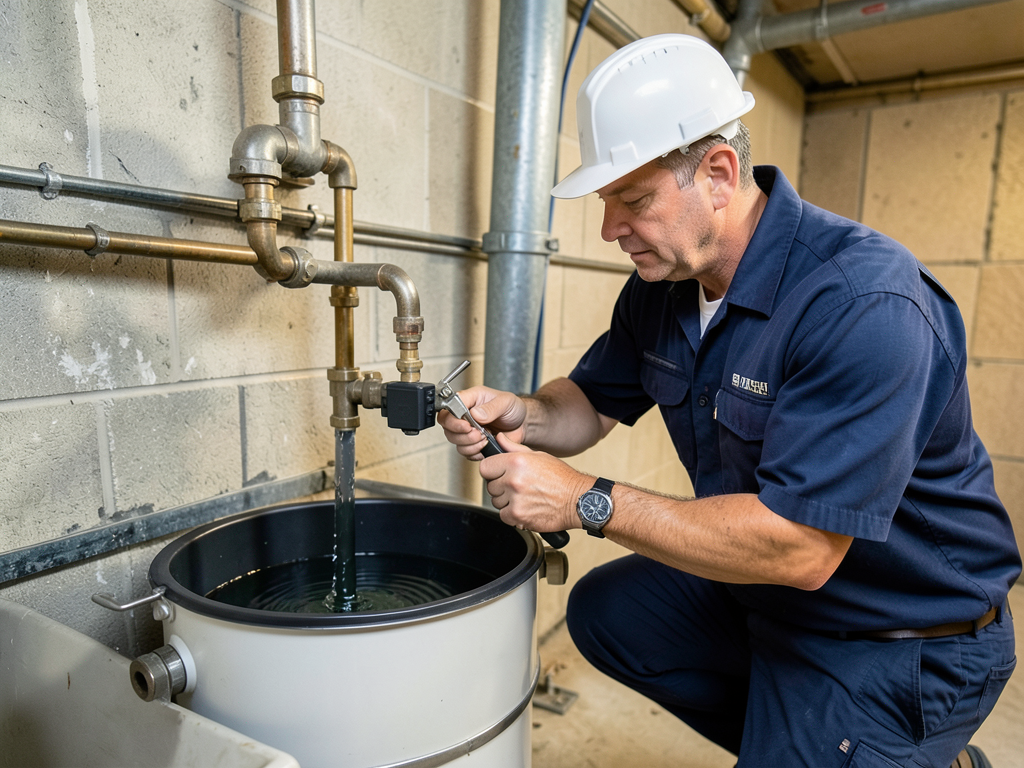
The softener is plumbed into your main water line with shut-off valves and a bypass loop for future maintenance. We install the brine tank nearby with adequate clearance for salt refills. Drain tubing connects to your floor drain or standpipe, and the control valve is wired to power. We pressure-test all connections and program the regeneration cycle based on your household size and water hardness. The installation takes three to five hours for a standard setup in an accessible basement or utility room.
03

System Activation and Education

We load the brine tank with softener salt, initiate the first regeneration cycle, and confirm proper operation. You will learn how to add salt, monitor salt levels, and recognize when regeneration occurs. We test the softened water output to verify hardness removal and adjust settings if needed. You receive documentation on maintenance schedules and what to watch for. Ongoing care is minimal but includes monthly salt checks and annual resin bed cleaning for optimal performance.

Why D.C. Homeowners Choose Crestline Plumbing Washington DC for Water Softener Service

Plumbing in Washington, D.C. is regulated under the D.C. Construction Codes, specifically the D.C. Plumbing Code, which requires permits for certain installations and backflow prevention on water treatment equipment. We handle permitting when required and ensure installations meet code for discharge, venting, and cross-connection control. Many older D.C. homes, particularly rowhouses in neighborhoods like Shaw and Columbia Heights, have tight mechanical spaces and galvanized supply lines. We adapt installations to work within these constraints without compromising performance.

Our technicians are familiar with the mix of water pressure zones across the city. Areas near Reservoir Road in upper Northwest have higher pressure than low-lying sections near the Anacostia River. Pressure affects softener efficiency and regeneration cycles. We adjust settings accordingly. We also understand the unique challenges of historic properties in districts like Capitol Hill, where aesthetic concerns and structural limitations require creative routing of drain and supply lines.

The advantages of working with local professionals extend beyond installation. We stock replacement parts for common softener brands and can respond quickly when regeneration cycles fail or brine tanks overflow. D.C. water chemistry can change seasonally as the Potomac flow varies, affecting how your softener performs. We monitor these shifts and adjust programming during routine maintenance visits. You get a team that understands your water supply, your home's plumbing infrastructure, and the specific code requirements that apply to your neighborhood. That level of familiarity reduces installation time, prevents code violations, and ensures your system operates efficiently from day one.

What to Expect When You Install a Water Softener

Installation Timeline and Scheduling

Most residential water softener installations take three to five hours from start to finish. We schedule appointments with arrival windows to minimize disruption to your day. If your home requires additional plumbing modifications, such as relocating shut-off valves or upgrading drain lines, the timeline extends accordingly. We assess your setup during the initial consultation and provide an accurate time estimate. Your water supply will be shut off during installation, typically for one to two hours. We complete the work in a single visit unless structural modifications are needed. Emergency softener repairs or replacements can often be handled within 24 hours.

Pre-Installation Consultation and Water Testing

The process starts with a water test to measure hardness, iron, pH, and total dissolved solids. We collect a sample from your main supply line and analyze it on-site or send it to a lab for detailed results. Test results determine the softener size, resin type, and regeneration frequency your home requires. We inspect your mechanical room or basement to confirm adequate space, drainage, and electrical access. You receive a detailed quote that includes equipment, installation labor, and any necessary plumbing modifications. We explain how the system will integrate with your existing plumbing and what changes you will notice in water quality.

Water Quality Improvement and Performance

Softened water delivers immediate results. Soap lathers more easily, dishes dry without spots, and showerheads stop clogging. Your water heater operates more efficiently as scale buildup ceases. Appliances like dishwashers and washing machines use less detergent and experience fewer mechanical failures. Skin and hair feel softer after bathing, and you will stop seeing white residue on faucets and fixtures. The advantages of water softening systems become evident within the first week. Energy bills typically decrease as your water heater no longer struggles to heat through mineral layers. Over time, you will replace fewer faucet cartridges and shower valves.

Maintenance Requirements and System Longevity

Water softeners require minimal maintenance when properly installed. You will add salt to the brine tank every four to eight weeks depending on water usage and hardness levels. We recommend checking salt levels monthly and keeping the tank at least half full. Annual maintenance includes inspecting the brine tank for salt bridging, cleaning the resin bed with a specialized cleaner, and testing the control valve for proper operation. The resin bed lasts 10 to 15 years with proper care. Control valves and seals may need replacement after seven to 10 years. We offer maintenance plans that include annual inspections, resin cleaning, and priority service for repairs.

Frequently Asked Questions

You Have Questions,
We Have Answers

What are the downsides of a water softener? +

Water softeners add sodium to your water through the ion exchange process, which may not suit people on low-sodium diets. They require regular salt refills and periodic maintenance to function properly. Softeners waste water during the regeneration cycle, which can increase your utility bills. The initial installation cost ranges from moderate to high, depending on system size and home plumbing complexity. In Washington, D.C., where older homes have galvanized pipes, you need professional assessment to prevent compatibility issues. Softened water can also feel slippery on skin, which some residents find unpleasant.

Does water softener have health benefits? +

Water softeners reduce scale buildup in pipes and appliances, which indirectly benefits health by ensuring clean water delivery. Softened water helps skin and hair by reducing mineral residue that causes dryness and irritation. People with eczema or sensitive skin often notice improvement after installation. The removal of calcium and magnesium reduces soap scum, making hygiene products more effective. For Washington, D.C. residents dealing with moderately hard water from the Potomac River, softeners can ease skin conditions aggravated by mineral deposits. Softened water does not remove contaminants like lead or chlorine, so additional filtration may be necessary for complete health protection.

Is it healthier to drink hard or soft water? +

Hard water provides beneficial minerals like calcium and magnesium that support bone health and cardiovascular function. Soft water contains higher sodium levels from the ion exchange process, which may concern people monitoring sodium intake. For drinking purposes, hard water is generally healthier unless sodium restrictions apply. Many Washington, D.C. residents install a bypass line at their kitchen sink to keep drinking water hard while softening water for appliances and bathing. The choice depends on your health profile and water hardness level. If you have hypertension or kidney issues, consult your doctor before switching to softened drinking water.

Who should not drink softened water? +

People on sodium-restricted diets should avoid drinking softened water because the ion exchange process adds sodium chloride. Infants and those with heart disease, hypertension, or kidney problems need to limit sodium intake and should use unsoftened water for drinking and cooking. Pregnant women managing blood pressure should also exercise caution. In Washington, D.C., where water hardness is moderate, the sodium added is proportional to mineral content removed. Installing a reverse osmosis system at the kitchen tap or keeping one hard water line for consumption solves this issue. Always consult your physician if you have health conditions affected by sodium.

Why are states banning water softeners? +

Some states restrict salt-based water softeners because the discharge from regeneration cycles can harm wastewater treatment plants and local ecosystems. High sodium levels in treated wastewater make it difficult to reuse for irrigation or release into rivers. California and Texas have specific regulations in certain municipalities, though bans are not widespread. Washington, D.C. does not currently ban water softeners, but D.C. Water encourages efficient systems to reduce environmental impact. The Potomac River watershed is sensitive to salt contamination. Alternatives like salt-free conditioners or potassium chloride can address environmental concerns while still reducing scale buildup in your plumbing.

How long does a 40 lb bag of water softener salt last? +

A 40 lb bag of water softener salt lasts one to two months for an average household, depending on water hardness and daily usage. Washington, D.C. water hardness ranges from 3 to 8 grains per gallon, which is moderately hard. Larger families using more water will deplete salt faster. High-efficiency softeners use less salt per regeneration cycle, extending bag life. Your system settings, brine tank size, and regeneration frequency all impact consumption. Check your brine tank monthly to prevent salt bridges or mushing. During summer months when outdoor watering increases, you may need refills more frequently to maintain soft water throughout your home.

How Potomac River Water Quality Affects Hard Water Treatment Benefits in D.C.

The Potomac River supplies roughly 75 percent of Washington, D.C.'s drinking water through the Washington Aqueduct system. The river flows through limestone bedrock in Maryland and Virginia, dissolving calcium and magnesium carbonates into the water. Hardness levels fluctuate seasonally based on rainfall and river flow rates. During dry summer months, mineral concentrations increase as less dilution occurs. Homes in Northwest D.C., particularly above the fall line near Tenleytown and Forest Hills, often experience harder water than properties in Southeast near the Anacostia confluence. The advantages of soft water become more pronounced in these high-hardness zones, where scale buildup accelerates and appliance damage occurs faster. Testing your specific supply is the only way to know exactly what you are dealing with.

D.C. plumbing professionals understand how local infrastructure affects water quality. Many rowhouses in historic neighborhoods still have original galvanized steel supply lines, which corrode faster when exposed to hard water. The combination of mineral deposits and pipe corrosion creates water flow restrictions and premature failures. Crestline Plumbing Washington DC has worked in every D.C. ward and knows which neighborhoods face the most severe hard water issues. We stay current with D.C. Water and Sewer Authority water quality reports and adjust our recommendations based on distribution zone data. Choosing a local plumber who understands these variables ensures you get the right system sized correctly for your specific address.
Plumbing Services in The Washington DC Area

Our service area is conveniently located to provide fast and efficient plumbing solutions to residents and businesses throughout the Washington DC area. We are dedicated to ensuring that no matter where you are, a trusted and reliable plumber is just a call away. Our map provides a visual representation of our service coverage, helping you to quickly and easily locate our trusted team.

Address:
Crestline Plumbing Washington DC, 1140 3rd St NE, Washington, DC, 20002

Additional Services We Offer

Our news updates

Latest Articles & News from The Blogs

Deciding Between a Tankless or Storage Tank Water Heater for Your Growing Family in Fort Davis Choosing the right water…

Deciding Between a Tankless or Storage Tank Water Heater for Your Growing Family in Fort Davis

Deciding Between a Tankless or Storage Tank Water Heater for Your Growing Family in Fort Davis Choosing the right water…

The Challenges of Adding a Sink to Your Kitchen Island in a Brentwood Rowhome

The Challenges of Adding a Sink to Your Kitchen Island in a Brentwood Rowhome Adding a sink to your kitchen…

How to Choose Between a Vertical and Horizontal Grease Interceptor for Your Navy Yard Restaurant

How to Choose Between a Vertical and Horizontal Grease Interceptor for Your Navy Yard Restaurant Running a restaurant in Navy…

Contact Us

Stop dealing with scale buildup and inefficient appliances. Call Crestline Plumbing Washington DC at (771) 223-8111 to schedule your water test and consultation. We will analyze your supply, recommend the right system, and install it correctly the first time.