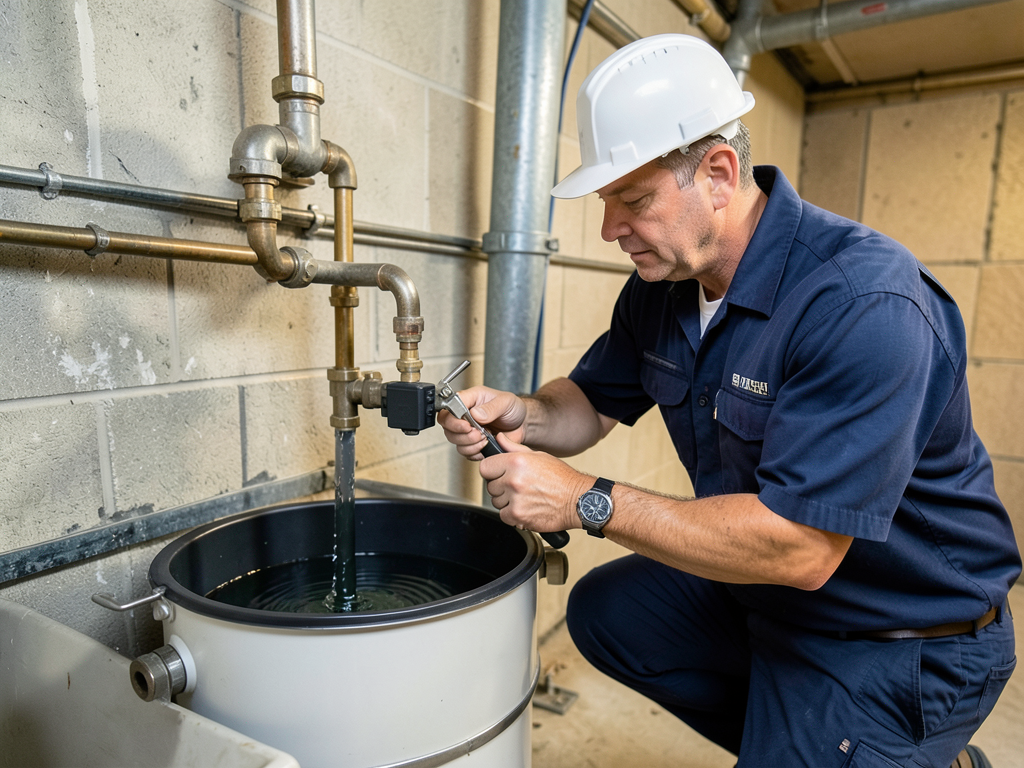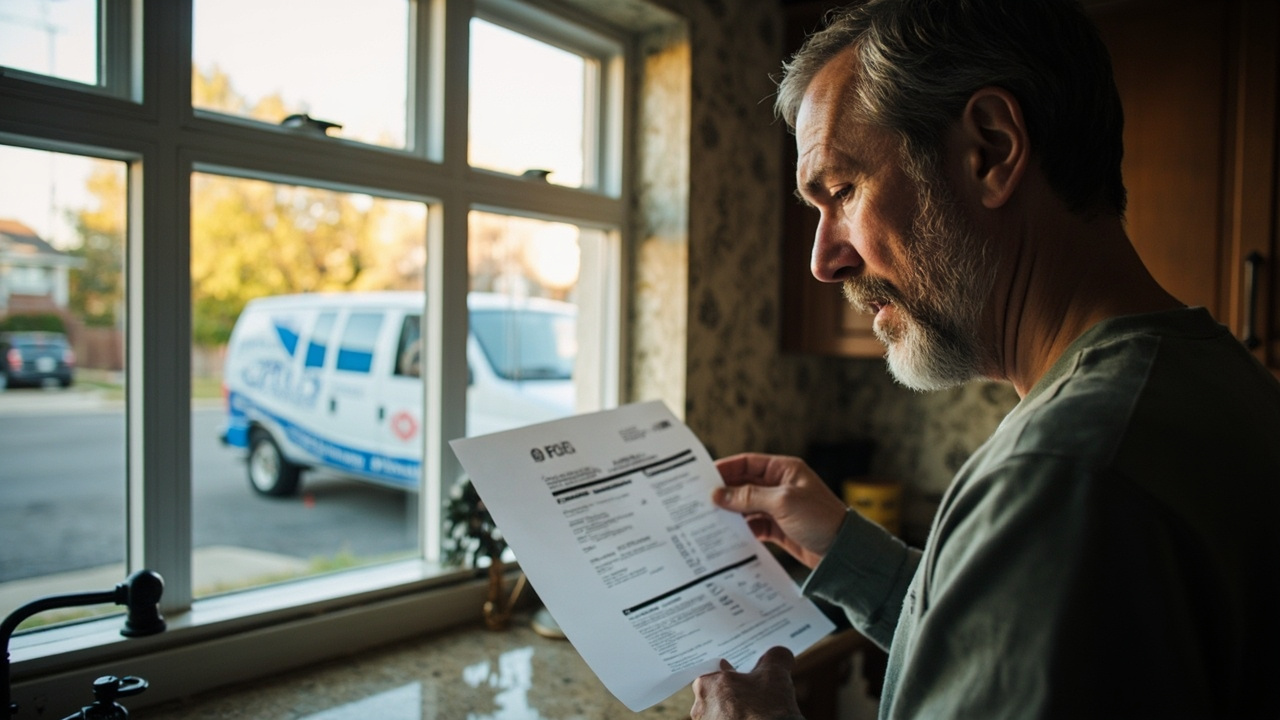

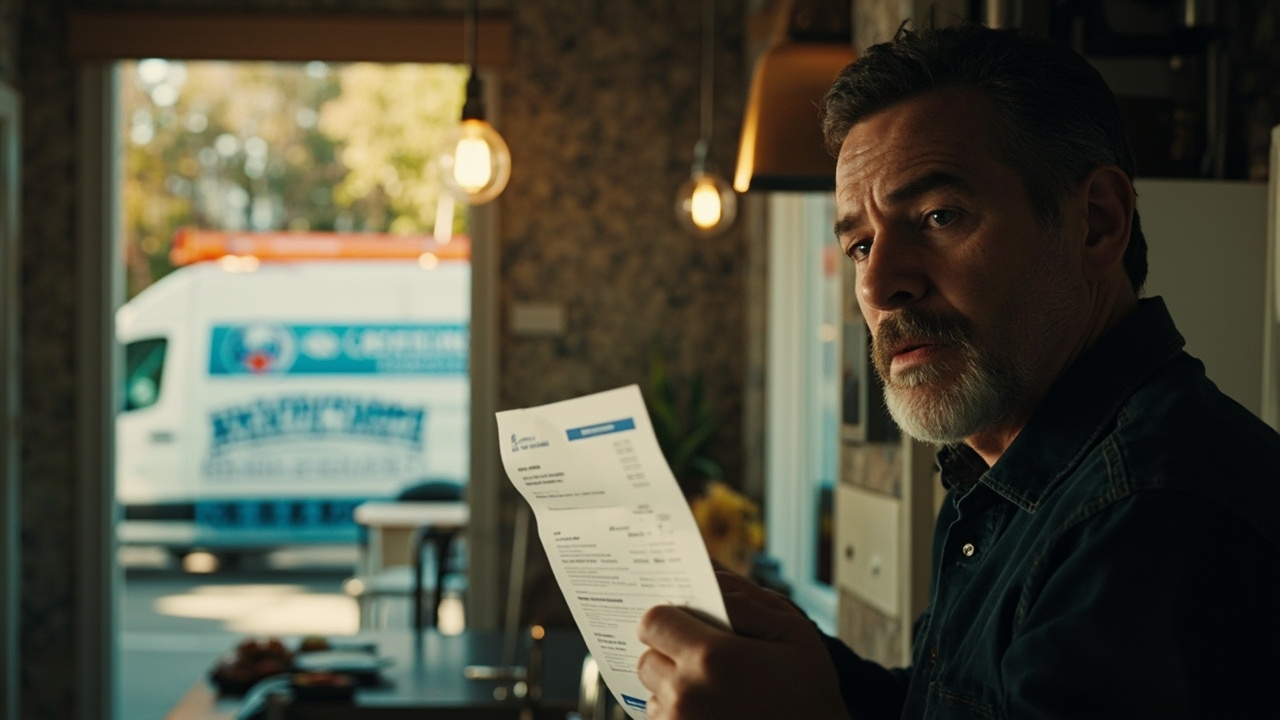
Washington, D.C. has more than 1,300 miles of water mains, many installed before World War II. Neighborhoods like Capitol Hill, Georgetown, and Brookland still rely on cast iron and galvanized steel pipes that corrode internally, creating rough surfaces that trap sediment and reduce flow. When these mains experience pressure fluctuations from municipal repairs or seasonal demand spikes, the stress transfers to your home's lateral service line. A corroded joint cracks. A fitting loosens. Water escapes into the ground, and your meter keeps running. In areas with expansive clay soil, like Anacostia and Congress Heights, ground movement from wet and dry cycles shifts pipes, breaking seals and creating slow leaks that cause a sudden spike in water bill months after the initial damage occurs.
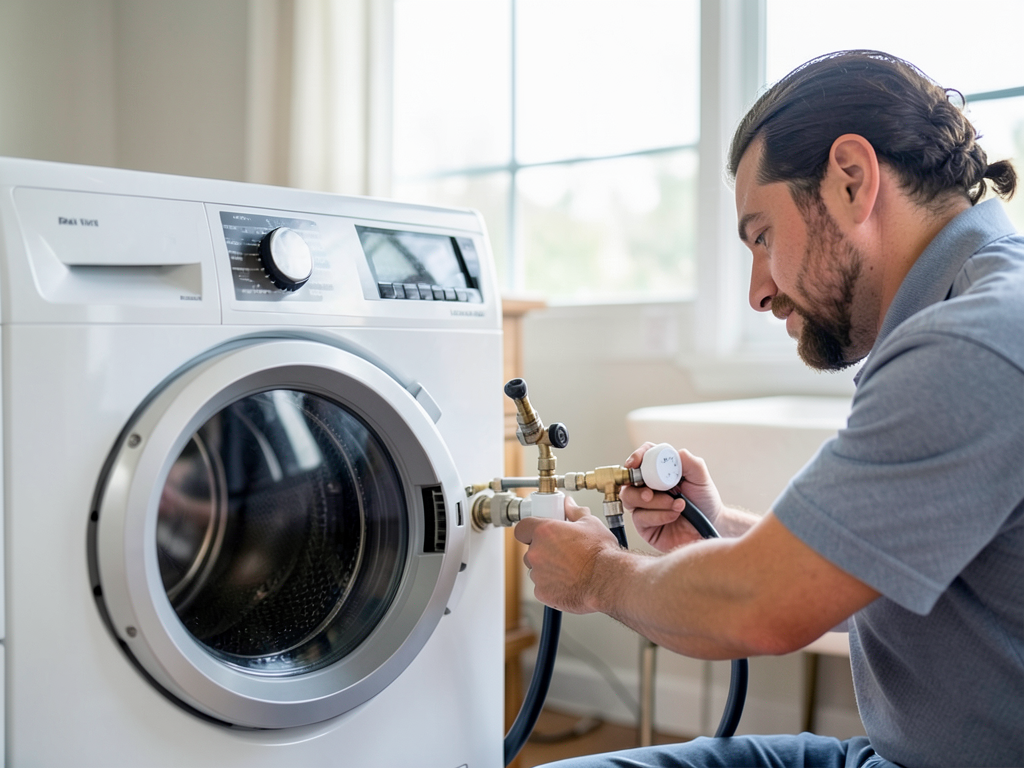
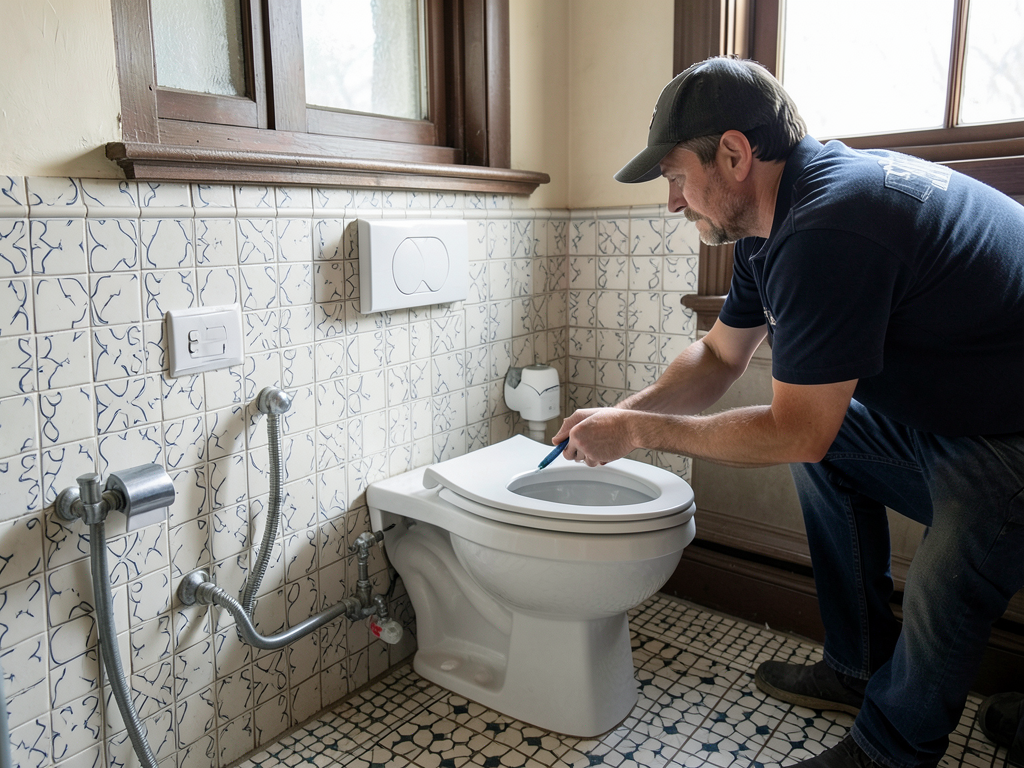
DC Water's chloramine disinfection process, while effective at preventing bacterial growth, accelerates the degradation of rubber seals in toilets, faucets, and appliance hoses. This is a known issue in the District, yet many plumbers outside the area do not account for it when diagnosing excessive water usage. We do. We know which fixtures fail first and how to inspect them properly. Our familiarity with DC-specific building codes, backflow prevention requirements, and lead service line replacement protocols means we catch issues that generalist contractors miss. When you hire Crestline Plumbing Washington DC, you hire someone who knows this city's water infrastructure as well as the engineers who designed it.