Menu

Discolored or Rusty Water in Washington, D.C. – Expert Diagnosis and Permanent Fixes

Our plumbers identify the exact cause of your brown tap water, rusty colored water, or yellow water from faucet and repair the underlying issue to restore clean, safe water throughout your home.

Slider Image 1
Slider Image 2
Slider Image 3
Slider Image 4
Slider Image 5
Slider Image 7
Slider Image 8
Slider Image 9
Slider Image 10
Slider Image 11

Why Your Water Suddenly Turned Brown in Washington, D.C.

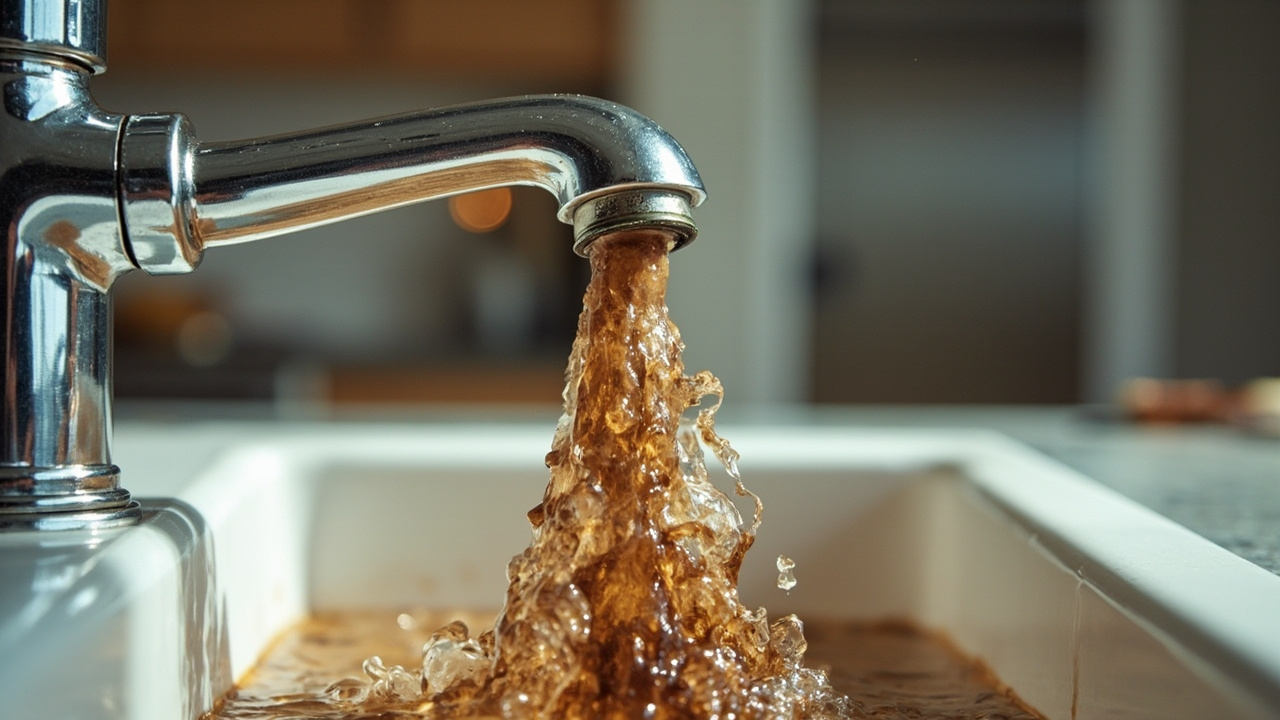
You turn on the faucet and see reddish water from pipes or discolored hot water flowing into your sink. It looks like rust, smells metallic, and makes you question whether it's safe to drink or bathe in.

Washington, D.C.'s aging water infrastructure compounds this problem. Many homes in Capitol Hill, Georgetown, and Columbia Heights still have galvanized steel pipes installed before 1960. These pipes corrode from the inside out, releasing iron oxide into your water supply. The District's own water mains date back decades, and routine maintenance work or pressure fluctuations can stir up sediment that travels directly into your home.

Brown tap water often appears first thing in the morning or after you return from vacation because rust particles settle in stagnant pipes. Yellow water from faucet typically signals advanced corrosion or a failing water heater anode rod. If only your hot water is discolored, the problem sits in your tank. If both hot and cold run rusty colored water, you're dealing with corroded supply lines.

Water quality in D.C. fluctuates seasonally. Heavy rains overwhelm the combined sewer system, and the resulting pressure changes can loosen decades of buildup in underground mains. What flows into your home is a mix of rust, manganese, and sediment. This isn't just an aesthetic problem. Prolonged exposure to high iron concentrations stains fixtures, damages appliances, and creates an environment where bacteria thrive.

The water might clear after running for a few minutes, but that doesn't mean the issue resolved itself. It means the rust moved downstream or settled back into your pipes.

Why Your Water Suddenly Turned Brown in Washington, D.C.
How We Diagnose and Fix Discolored Water at the Source

How We Diagnose and Fix Discolored Water at the Source

We don't guess. We test your water at multiple fixtures, compare hot and cold lines, and inspect your entire plumbing system to pinpoint where the contamination originates.

Our first step is isolating the problem. We run water from every faucet, shower, and hose bib in your home. If only one fixture produces rusty colored water, the issue is localized to that branch line or fixture. If every tap runs discolored, we check the main supply line and water heater. We use a TDS meter to measure total dissolved solids and confirm whether you're seeing iron, manganese, or sediment.

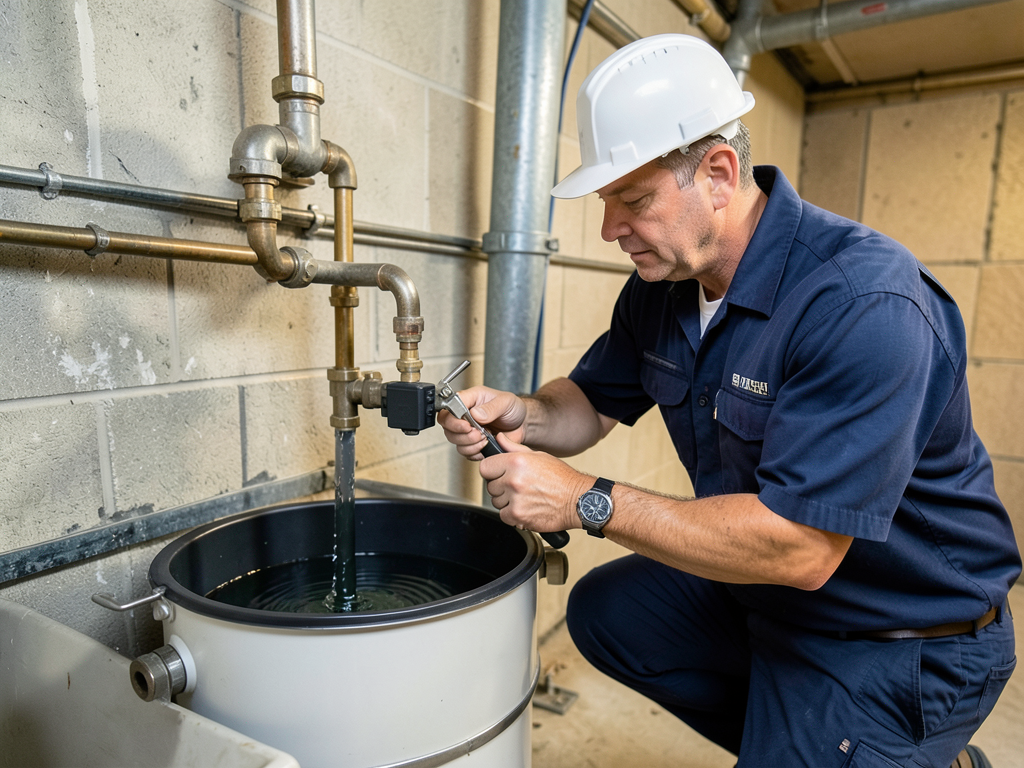
For water heater issues, we drain the tank and inspect the anode rod. This sacrificial component attracts corrosive elements to protect the tank lining. When it disintegrates, rust forms on the tank walls and mixes with your hot water. We replace the anode rod and flush the tank until the discharge runs clear. If the tank itself is corroded beyond repair, we recommend replacement before a catastrophic leak floods your basement.

When the problem stems from galvanized pipes, we perform a camera inspection to assess the interior diameter. Decades of corrosion can reduce a three-quarter-inch pipe to a quarter-inch opening. That restriction causes low water pressure, frequent clogs, and continuous rust contamination. We repipe affected sections with copper or PEX, which resist corrosion and last 50-plus years.

If the discoloration traces back to the municipal supply, we install a whole-house sediment filter and oxidizing filter to remove iron before it enters your plumbing. This approach protects your appliances, eliminates staining, and ensures every tap delivers clean water.

We don't stop until your water runs clear and stays clear.

What Happens During Your Water Quality Inspection

Discolored or Rusty Water in Washington, D.C. – Expert Diagnosis and Permanent Fixes
01

Water Testing and Isolation

We test water at every fixture to determine if the discoloration is localized or systemic. Cold water isolated to one tap suggests a corroded fixture. Discolored hot water across all taps points to the water heater. Brown water from both hot and cold lines indicates supply line corrosion or municipal sediment intrusion.
02

System Inspection and Diagnosis

We inspect your water heater, shutoff valves, and visible piping for signs of corrosion or sediment buildup. Camera inspections reveal the internal condition of galvanized pipes. We test for iron, manganese, and sediment concentrations to identify the contaminant. This step tells us whether you need a repair, a component replacement, or a full repipe.
03

Repair and Water Restoration

We execute the fix based on our findings. That might mean flushing your water heater, replacing corroded pipes, or installing filtration equipment. We flush your system until the water runs clear, then retest to confirm contamination is eliminated. You get documentation of the work and guidance on preventing future issues.

Why Washington, D.C. Homeowners Trust Crestline Plumbing Washington DC for Water Quality Issues

Discolored water is a symptom, not a diagnosis. Too many plumbers flush your lines, collect a service fee, and leave without addressing the underlying cause. We treat the root problem because we know Washington, D.C.'s plumbing challenges intimately.

We've worked in row houses in Shaw where galvanized pipes installed in the 1940s finally gave out. We've repiped Dupont Circle condos where low water pressure and rusty water signaled total system failure. We've serviced Victorian homes in Capitol Hill where original cast iron waste lines corroded through and contaminated the potable water supply. Every neighborhood in the District has unique infrastructure challenges, and we've seen them all.

D.C. Water performs routine maintenance on the distribution system, but those necessary repairs often stir up sediment that travels into your home. We know how to distinguish between a temporary municipal issue and a chronic problem in your house. We communicate directly with D.C. Water when needed to confirm whether the issue originates at the street level.

Our technicians carry water testing equipment on every truck. We don't schedule follow-up appointments just to run a simple test. We diagnose the issue on the first visit and provide you with a clear explanation of what's wrong, what it takes to fix it, and what happens if you delay the repair.

We also understand that discolored water creates anxiety. You don't know if it's safe to cook, shower, or give your kids a glass of water. We prioritize these calls because we know how disruptive they are to daily life. Our goal is same-day diagnosis and rapid resolution so you can use your water without hesitation.

What to Expect When You Call Us About Rusty Water

Fast Response and Same-Day Service

We prioritize water quality calls because we know you can't wait days for clean water. Most appointments happen the same day you call. Our technician arrives with testing equipment and diagnostic tools to identify the problem immediately. We don't schedule multiple visits for issues we can diagnose on the spot. If the fix is straightforward, like a water heater flush or anode rod replacement, we complete it during the initial appointment.

Thorough Water Quality Assessment

We test your water at multiple points in your home to isolate the contamination source. You get a clear explanation of what we found, why it's happening, and what it takes to fix it. We don't upsell unnecessary services. If your issue is temporary and caused by municipal maintenance, we tell you. If it's chronic and caused by corroded pipes, we show you the evidence and walk you through your options.

Clean Water Guaranteed

We don't consider the job complete until your water runs clear and stays clear. After repairs, we flush your system thoroughly and retest to confirm contamination is eliminated. If we replace piping, you get durable materials that resist corrosion for decades. If we install filtration, you get equipment sized correctly for your home's water usage and contaminant levels. The result is water you can trust.

Ongoing Support and Maintenance Guidance

We provide clear guidance on maintaining your plumbing system to prevent future discoloration. That includes water heater flushing schedules, anode rod replacement intervals, and filtration maintenance. If you have galvanized pipes, we help you plan for eventual replacement before a failure causes water damage. We're available if discoloration returns or if you have questions about your water quality.

Frequently Asked Questions

You Have Questions,
We Have Answers

Is discolored water safe to drink? +

It depends on the cause. Discolored water from sediment stirred up during DC Water's infrastructure work or a temporary main break is usually not harmful, just unappealing. However, rusty water from corroded pipes inside your home can contain elevated iron, manganese, and other metals. While small amounts of iron are not acutely toxic, prolonged exposure may pose health risks. Brown or yellow water that persists after running taps for several minutes signals a plumbing issue requiring immediate attention. Never assume discolored water is safe. Contact a licensed plumber to inspect your pipes and water heater.

How to tell if water is rusty? +

Rusty water appears brown, orange, yellow, or reddish when you turn on the tap. You may notice the discoloration immediately or after running water for a minute. The water can also smell metallic or earthy. Rust particles may settle at the bottom of a glass if you let it sit. In Washington, D.C. homes with aging galvanized steel or iron pipes, rust occurs when corrosion breaks down the pipe lining. The discoloration is often worse in the morning after water sits overnight. If only your hot water is rusty, the water heater likely has sediment buildup or a corroded anode rod.

What does discolored water mean? +

Discolored water signals disturbed sediment, corroded pipes, or contamination in your plumbing system. Brown or yellow hues typically indicate rust from iron pipes or water heater corrosion. Green or blue water suggests copper pipe corrosion, often caused by low pH levels. Black water points to manganese or decomposing rubber gaskets. In older D.C. neighborhoods like Capitol Hill or Georgetown, aging cast iron and galvanized steel pipes are common culprits. External causes include DC Water main breaks, nearby hydrant flushing, or construction. If discoloration persists after running cold water for five minutes, your home's plumbing needs professional inspection.

Is it safe to drink rusty tap water? +

No. Rusty tap water contains dissolved iron and other metals leached from corroded pipes. While trace iron is not immediately dangerous, chronic consumption can cause stomach upset, staining of fixtures, and potential long-term health concerns. Rust particles also harbor bacteria like iron bacteria or Legionella, which thrive in corroded pipe environments. In Washington, D.C., where many homes have older plumbing, rusty water often signals advanced pipe deterioration requiring urgent replacement. Do not drink, cook with, or bathe in persistently rusty water. Run cold water until it clears, then contact a plumber to assess your system and water heater.

How D.C.'s Aging Infrastructure Creates Chronic Water Discoloration

Washington, D.C. relies on a water distribution system that includes pipes installed before World War II. Galvanized steel and unlined cast iron mains corrode over time, shedding rust and sediment into the water supply. When D.C. Water performs repairs or adjusts pressure to meet demand, those disturbances loosen decades of buildup. The result is yellow water from faucet, brown tap water, or reddish water from pipes that flows directly into homes across the District. Even if your home's plumbing is relatively new, you're vulnerable to contamination from upstream infrastructure.

We've worked throughout Adams Morgan, Petworth, Anacostia, and every neighborhood in between. We understand D.C.'s unique plumbing landscape because we service it every day. When you hire a local plumber who knows the District's infrastructure history, you get faster diagnosis and solutions tailored to the specific challenges of your area. We know which neighborhoods have the oldest pipes, which areas experience the most pressure fluctuations, and how to fix problems that out-of-town contractors misdiagnose.
Plumbing Services in The Washington DC Area

Our service area is conveniently located to provide fast and efficient plumbing solutions to residents and businesses throughout the Washington DC area. We are dedicated to ensuring that no matter where you are, a trusted and reliable plumber is just a call away. Our map provides a visual representation of our service coverage, helping you to quickly and easily locate our trusted team.

Address:
Crestline Plumbing Washington DC, 1140 3rd St NE, Washington, DC, 20002

Additional Services We Offer

Our news updates

Latest Articles & News from The Blogs

Deciding Between a Tankless or Storage Tank Water Heater for Your Growing Family in Fort Davis Choosing the right water…

Deciding Between a Tankless or Storage Tank Water Heater for Your Growing Family in Fort Davis

Deciding Between a Tankless or Storage Tank Water Heater for Your Growing Family in Fort Davis Choosing the right water…

The Challenges of Adding a Sink to Your Kitchen Island in a Brentwood Rowhome

The Challenges of Adding a Sink to Your Kitchen Island in a Brentwood Rowhome Adding a sink to your kitchen…

How to Choose Between a Vertical and Horizontal Grease Interceptor for Your Navy Yard Restaurant

How to Choose Between a Vertical and Horizontal Grease Interceptor for Your Navy Yard Restaurant Running a restaurant in Navy…

Contact Us

If you're seeing discolored or rusty water, don't wait for the problem to worsen. Call Crestline Plumbing Washington DC at (771) 223-8111 for same-day diagnosis and expert repair. We'll identify the source and restore clean, safe water to your home.