
The Difference Between a Main Sewer Clog and a Simple Sink Backup
When multiple drains in your home start acting up at the same time it can be hard to tell if you are dealing with a simple clog or a major sewer line emergency. Understanding the difference is critical because a main sewer line clog can lead to sewage backing up into your home causing thousands of dollars in damage and serious health risks. In Washington DC where many homes have aging clay or cast iron sewer lines knowing the warning signs can save you from a plumbing disaster. DC Department of Transportation.
Immediate Red Flags: Is Your Main Line Clogged?
Several symptoms indicate a main sewer line problem rather than a localized drain issue. If you notice any of these happening at the same time you likely have a main line clog:. Read more about Why You Should Consider a Sewer Backwater Valve for Your Low-Lying Home in Benning.
- Multiple fixtures backing up simultaneously – When flushing the toilet causes water to back up into the shower or tub that is a classic sign of a main line blockage.
- Gurgling sounds from drains – Strange noises coming from toilets sinks or floor drains when other fixtures are used often indicate trapped air in the sewer line.
- Sewage odors in the basement or yard – A foul smell near floor drains or outside cleanout caps suggests sewage is not flowing properly through your main line.
- Water backing up in unusual places – If running the washing machine causes the toilet to overflow that is a main line issue.
Main Line vs Secondary Clog: How to Tell the Difference
The key difference between a main sewer line clog and a simple sink backup is the scope of the problem. A localized clog affects only one fixture or one area of your home. A main line clog affects your entire drainage system.. Read more about Who is responsible for sewer line repairs in front of your Trinidad home?.
Main Line Clog Symptoms:
- Multiple fixtures backing up at once
- Problems occurring in different areas of the house simultaneously
- Sewage coming up through floor drains or basement toilets
- Issues with both upper and lower level fixtures
Simple Sink Backup Symptoms:
- Only one fixture is affected
- The problem is isolated to a specific room or area
- Plunging or using a drain snake temporarily fixes the issue
- No gurgling sounds from other drains
Common Causes of Sewer Failure in Washington DC
DC’s unique infrastructure creates specific challenges for sewer systems. Many homes in neighborhoods like Capitol Hill and Georgetown were built before 1950 and still have original clay sewer pipes. These pipes are particularly vulnerable to tree root intrusion which is the most common cause of main line clogs in the District. Common Plumbing Problems in Historic Capitol Hill Rowhouses (and How We Fix Them).
Tree Root Intrusion: DC’s mature tree canopy while beautiful creates ongoing problems for sewer lines. Species like oak maple and poplar send roots searching for water sources. These roots can penetrate clay pipes through joints or cracks creating blockages that grow larger over time. The DC Department of Transportation reports that root intrusion accounts for approximately 40% of sewer line failures in the District.
Combined Sewer System Issues: Parts of DC still operate on a combined sewer system where stormwater and sewage flow through the same pipes. During heavy rain events these systems can become overwhelmed causing backups even if your personal line is clear. The District’s Combined Sewer System affects about 30% of the city particularly in older neighborhoods.
Material Degradation: Many DC homes have cast iron or clay pipes that deteriorate over time. Cast iron corrodes from the inside out creating rough surfaces that catch debris. Clay pipes become brittle and crack. The average lifespan of these materials is 50-75 years and many DC homes are approaching or exceeding that age.
Improper Flushing Habits: Flushable wipes paper towels and feminine hygiene products do not break down like toilet paper. These items accumulate in main lines especially at pipe bends and connections. DC Water reports that non-dispersible items cause approximately 25% of sewer blockages in the District.
The Danger of Ignoring Symptoms
A main sewer line clog is not just an inconvenience it is a serious health hazard. Raw sewage contains harmful bacteria including E. coli salmonella and hepatitis A. When sewage backs up into your home it creates an immediate contamination risk to your family. EPA water damage estimates.
Health Risks: Exposure to sewage can cause gastrointestinal illness skin infections and respiratory problems. The CDC warns that sewage backup contamination requires professional remediation to ensure all harmful pathogens are eliminated.
Property Damage: Sewage water is classified as Category 3 water damage the most severe classification. It can destroy flooring drywall and personal belongings. The EPA estimates that a single sewage backup incident can cause $10000 to $50000 in property damage depending on the extent and duration.
Foundation Issues: In DC’s clay-heavy soil a broken sewer line can cause soil erosion beneath your foundation. This can lead to settling cracking and structural damage that is far more expensive to repair than the original plumbing issue.
Professional Diagnosis: Sewer Camera Inspections
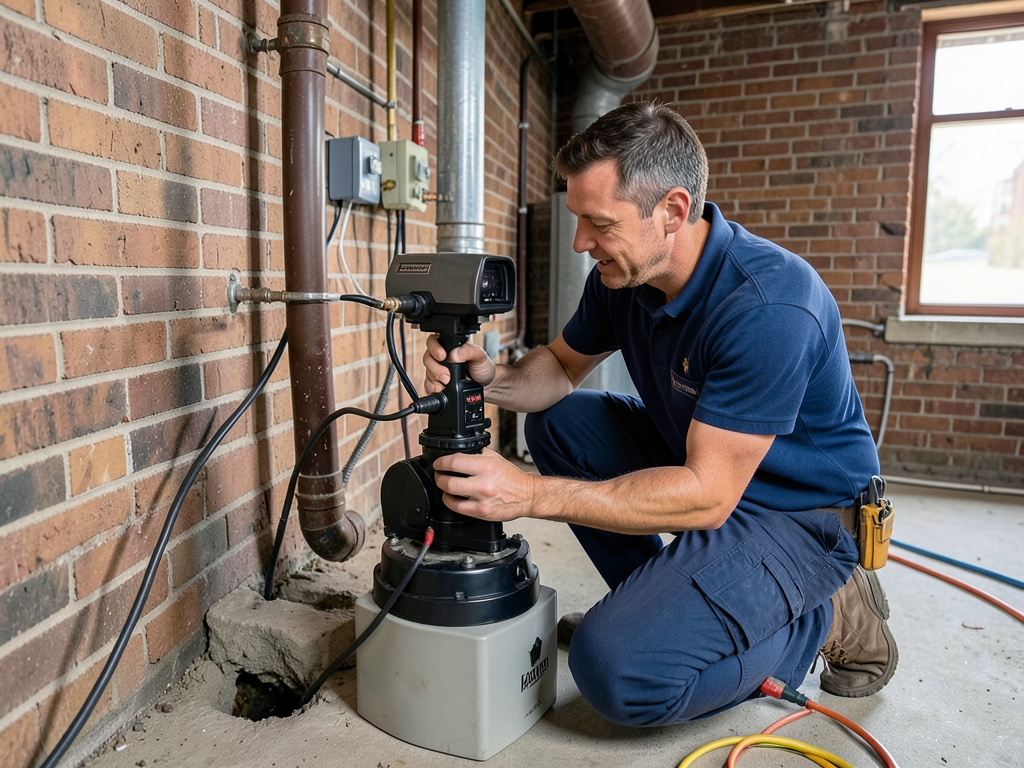
When you call a professional plumber to diagnose a main line issue they will typically start with a sewer camera inspection. This involves inserting a waterproof camera attached to a flexible cable into your sewer line through an access point. Who to Call When You Need an Emergency Plumber in Georgetown Right Away.
The camera transmits real-time video to a monitor allowing the plumber to see exactly what is causing the blockage. They can identify tree roots pipe breaks grease buildup or foreign objects. The camera also shows the precise location and depth of the problem which is crucial for planning repairs.
Modern sewer cameras can detect pipe material measure pipe diameter and even estimate the age of the pipes based on their condition. This diagnostic tool eliminates guesswork and ensures you only pay for necessary repairs.. Read more about Dealing with a shared sewer line when your neighbor has a clog in LeDroit Park.
Emergency Steps: What to Do Before the Plumber Arrives
If you suspect a main sewer line clog take these immediate steps to minimize damage:
- Stop Using Water Immediately
Do not flush toilets run sinks or use any water fixtures. Continuing to use water will only make the backup worse.
- Locate Your Main Water Shut-off Valve
Find the main water shut-off valve typically located where the main water line enters your home. Turn it clockwise to shut off all water to your house.
- Check for an Outdoor Cleanout
Many DC homes have an outdoor sewer cleanout cap usually a white or black pipe with a threaded cap near the foundation. If you can safely access it try removing the cap to relieve pressure. Safely Installing New Gas Lines for Your DC Kitchen Remodel.
- Protect Your Belongings
Move valuable items away from affected areas. Sewage can destroy furniture electronics and personal items within minutes.
- Ventilate the Area
Open windows to reduce sewage odors and prevent gas buildup. Do not use fans that might spread contamination.
DC Water Responsibility vs Homeowner Responsibility
In Washington DC the property line determines who is responsible for sewer line repairs. DC Water maintains the public sewer mains but homeowners are responsible for the sewer lateral from their property to the main line connection.
This means if the blockage is in your private line you will need to hire a plumber. If the problem is in the public main DC Water will handle it. However you should still call a plumber first to determine where the blockage is located.
Trenchless Sewer Repair Options
Modern trenchless technology allows plumbers to repair or replace sewer lines without digging up your yard. Two main methods are available:
- Pipe Lining: A flexible tube coated with epoxy is inserted into the damaged pipe and inflated. Once the epoxy cures you have a new pipe within the old one.
- Pipe Bursting: A cone-shaped bursting head breaks apart the old pipe while simultaneously pulling a new pipe into place.
These methods are particularly valuable in DC where historic preservation rules often prohibit extensive excavation in established neighborhoods.
Preventing Future Sewer Line Problems
After resolving a main line clog take steps to prevent future issues:
- Schedule Regular Inspections: Have your sewer line inspected every 2-3 years especially if you have older pipes or large trees near your sewer line.
- Be Careful What You Flush: Only flush toilet paper and human waste. Even flushable wipes should go in the trash.
- Install a Backwater Valve: This one-way valve prevents sewage from backing up into your home during heavy rain or main line blockages.
- Consider Root Treatment: Annual root treatment can prevent tree roots from entering your pipes.
When to Call for Emergency Service
Call an emergency plumber immediately if you experience: Emergency Sump Pump Failure.
- Multiple fixtures backing up simultaneously
- Raw sewage coming up through drains or toilets
- Sewer odors accompanied by visible backup
- Water damage spreading rapidly
Time is critical with sewer backups. The longer sewage sits in your home the more damage it causes and the greater the health risk becomes.
Frequently Asked Questions
How much does it cost to fix a main sewer line clog?
Costs vary widely depending on the cause and repair method. Simple snaking might cost $200-$400 while trenchless repair can range from $3000 to $7000. Full excavation and replacement can exceed $10000. Most plumbers offer free estimates to diagnose the specific issue.
Can I use chemical drain cleaners for a main line clog?
No. Chemical drain cleaners are ineffective for main line clogs and can damage your pipes especially older clay or cast iron pipes common in DC. They also create hazardous conditions for plumbers who may need to work on the line later.
How long does a sewer camera inspection take?
A typical sewer camera inspection takes 30-60 minutes. The plumber will insert the camera navigate to the blockage and provide real-time feedback on what they are seeing. Many inspections include a recorded video you can keep for your records.
Will my homeowner’s insurance cover sewer line repairs?
Standard policies typically do not cover sewer line repairs unless the damage was caused by a covered peril like a tree falling on the line. However they often do cover damage to your home caused by a sewer backup if you have the proper endorsement. Check your policy or call your agent to confirm coverage.
How can I find my sewer cleanout if I do not know where it is?
Cleanouts are typically located near the foundation often in flower beds or along the path where your sewer line would run to the street. If you cannot find it a plumber can locate it using specialized equipment. In older DC homes cleanouts may be inside the house often in the basement. Don’t Let Your Basement Flood—Expert Sump Pump Repair and Maintenance in Northwest DC.
Is a gurgling toilet always a sign of a main line clog?
Not always. A single gurgling toilet might indicate a localized vent stack issue or a clog in that specific branch line. However if multiple fixtures are gurgling or if plunging does not resolve the issue it is likely a main line problem.
What is the difference between hydro-jetting and snaking?
Snaking uses a cable with a cutting head to break through blockages while hydro-jetting uses high-pressure water up to 4000 PSI to scour the entire pipe diameter clean. Hydro-jetting is more effective for grease buildup and root intrusion but costs more than snaking.
How often should I have my sewer line inspected?
If you have older pipes or large trees near your sewer line inspect every 2-3 years. For newer homes with PVC pipes and no nearby trees every 5 years may be sufficient. Regular inspections can catch problems early when they are less expensive to fix.
Call (771) 223-8111 today to schedule your inspection. Do not wait until a small problem becomes a major emergency. Our licensed plumbers can diagnose your issue and provide upfront pricing for any necessary repairs.
Pick up the phone and call (771) 223-8111 before the next storm hits. DC’s aging infrastructure and combined sewer systems make sewer backups a real threat to homeowners. We are available 24/7 for emergency service and can often provide same-day inspections for urgent situations. For more information, visit CDC guidelines on sewage backup.
{
“@context”: “https://schema.org”,
“@type”: “BlogPosting”,
“headline”: “The Difference Between a Main Sewer Clog and a Simple Sink Backup”,
“description”: “Learn to identify main sewer line clogs vs. simple sink backups in Washington DC. Get expert tips on prevention, emergency steps, and local repair options.”,
“wordCount”: 2041,
“datePublished”: “2026-05-28T07:56:00.000Z”,
“dateModified”: “2026-05-28T07:56:00.000Z”,
“inLanguage”: “en-US”,
“mainEntityOfPage”: {
“@type”: “WebPage”,
“@id”: “https://crestlineplumbingwashingtondc.com”
},
“publisher”: {
“@type”: “LocalBusiness”,
“name”: “Crestline Plumbing Washington DC”,
“url”: “https://crestlineplumbingwashingtondc.com”
},
“author”: {
“@type”: “Organization”,
“name”: “Crestline Plumbing Washington DC”,
“url”: “https://crestlineplumbingwashingtondc.com”
},
“image”: {
“@type”: “ImageObject”,
“url”: “https://crestlineplumbingwashingtondc.com/wp-content/uploads/2026/03/the-difference-between-a-main-sewer-clog-and-a-sim-1.png”
}
}
{
“@context”: “https://schema.org”,
“@type”: “Plumber”,
“name”: “Crestline Plumbing Washington DC”,
“url”: “https://crestlineplumbingwashingtondc.com”,
“address”: {
“@type”: “PostalAddress”,
“addressLocality”: “Washington DC”
},
“areaServed”: {
“@type”: “City”,
“name”: “Washington DC”
}
}
{
“@context”: “https://schema.org”,
“@type”: “FAQPage”,
“mainEntity”: [
{
“@type”: “Question”,
“name”: “Immediate Red Flags: Is Your Main Line Clogged?”,
“acceptedAnswer”: {
“@type”: “Answer”,
“text”: “Several symptoms indicate a main sewer line problem rather than a localized drain issue. If you notice any of these happening at the same time you likely have a main line clog:”
}
},
{
“@type”: “Question”,
“name”: “How much does it cost to fix a main sewer line clog?”,
“acceptedAnswer”: {
“@type”: “Answer”,
“text”: “Costs vary widely depending on the cause and repair method. Simple snaking might cost $200-$400 while trenchless repair can range from $3000 to $7000. Full excavation and replacement can exceed $10000. Most plumbers offer free estimates to diagnose the specific issue.”
}
},
{
“@type”: “Question”,
“name”: “Can I use chemical drain cleaners for a main line clog?”,
“acceptedAnswer”: {
“@type”: “Answer”,
“text”: “No. Chemical drain cleaners are ineffective for main line clogs and can damage your pipes especially older clay or cast iron pipes common in DC. They also create hazardous conditions for plumbers who may need to work on the line later.”
}
},
{
“@type”: “Question”,
“name”: “How long does a sewer camera inspection take?”,
“acceptedAnswer”: {
“@type”: “Answer”,
“text”: “A typical sewer camera inspection takes 30-60 minutes. The plumber will insert the camera navigate to the blockage and provide real-time feedback on what they are seeing. Many inspections include a recorded video you can keep for your records.”
}
},
{
“@type”: “Question”,
“name”: “Will my homeowner’s insurance cover sewer line repairs?”,
“acceptedAnswer”: {
“@type”: “Answer”,
“text”: “Standard policies typically do not cover sewer line repairs unless the damage was caused by a covered peril like a tree falling on the line. However they often do cover damage to your home caused by a sewer backup if you have the proper endorsement. Check your policy or call your agent to confirm coverage.”
}
},
{
“@type”: “Question”,
“name”: “How can I find my sewer cleanout if I do not know where it is?”,
“acceptedAnswer”: {
“@type”: “Answer”,
“text”: “Cleanouts are typically located near the foundation often in flower beds or along the path where your sewer line would run to the street. If you cannot find it a plumber can locate it using specialized equipment. In older DC homes cleanouts may be inside the house often in the basement. Don’t Let Your Basement Flood—Expert Sump Pump Repair and Maintenance in Northwest DC.”
}
},
{
“@type”: “Question”,
“name”: “Is a gurgling toilet always a sign of a main line clog?”,
“acceptedAnswer”: {
“@type”: “Answer”,
“text”: “Not always. A single gurgling toilet might indicate a localized vent stack issue or a clog in that specific branch line. However if multiple fixtures are gurgling or if plunging does not resolve the issue it is likely a main line problem.”
}
},
{
“@type”: “Question”,
“name”: “What is the difference between hydro-jetting and snaking?”,
“acceptedAnswer”: {
“@type”: “Answer”,
“text”: “Snaking uses a cable with a cutting head to break through blockages while hydro-jetting uses high-pressure water up to 4000 PSI to scour the entire pipe diameter clean. Hydro-jetting is more effective for grease buildup and root intrusion but costs more than snaking.”
}
},
{
“@type”: “Question”,
“name”: “How often should I have my sewer line inspected?”,
“acceptedAnswer”: {
“@type”: “Answer”,
“text”: “If you have older pipes or large trees near your sewer line inspect every 2-3 years. For newer homes with PVC pipes and no nearby trees every 5 years may be sufficient. Regular inspections can catch problems early when they are less expensive to fix.”
}
}
]
}
{
“@context”: “https://schema.org”,
“@type”: “HowTo”,
“name”: “Emergency Sewer Backup Steps”,
“step”: [
{
“@type”: “HowToStep”,
“position”: 1,
“name”: “Stop Using Water Immediately”,
“text”: “Do not flush toilets run sinks or use any water fixtures. Continuing to use water will only make the backup worse.”
},
{
“@type”: “HowToStep”,
“position”: 2,
“name”: “Locate Your Main Water Shut-off Valve”,
“text”: “Find the main water shut-off valve typically located where the main water line enters your home. Turn it clockwise to shut off all water to your house.”
},
{
“@type”: “HowToStep”,
“position”: 3,
“name”: “Check for an Outdoor Cleanout”,
“text”: “Many DC homes have an outdoor sewer cleanout cap usually a white or black pipe with a threaded cap near the foundation. If you can safely access it try removing the cap to relieve pressure. Safely Installing New Gas Lines for Your DC Kitchen Remodel.”
},
{
“@type”: “HowToStep”,
“position”: 4,
“name”: “Protect Your Belongings”,
“text”: “Move valuable items away from affected areas. Sewage can destroy furniture electronics and personal items within minutes.”
},
{
“@type”: “HowToStep”,
“position”: 5,
“name”: “Ventilate the Area”,
“text”: “Open windows to reduce sewage odors and prevent gas buildup. Do not use fans that might spread contamination.”
}
],
“image”: “https://crestlineplumbingwashingtondc.com/wp-content/uploads/2026/03/the-difference-between-a-main-sewer-clog-and-a-sim-1.png”
}
{
“@context”: “https://schema.org”,
“@type”: “BreadcrumbList”,
“itemListElement”: [
{
“@type”: “ListItem”,
“position”: 1,
“name”: “Home”,
“item”: “https://crestlineplumbingwashingtondc.com”
},
{
“@type”: “ListItem”,
“position”: 2,
“name”: “Blog”,
“item”: “https://crestlineplumbingwashingtondc.com/blog”
},
{
“@type”: “ListItem”,
“position”: 3,
“name”: “The Difference Between a Main Sewer Clog and a Simple Sink Backup”
}
]
}
{
“@context”: “https://schema.org”,
“@type”: “Service”,
“serviceType”: “Plumbing”,
“provider”: {
“@type”: “LocalBusiness”,
“name”: “Crestline Plumbing Washington DC”,
“url”: “https://crestlineplumbingwashingtondc.com”
},
“areaServed”: {
“@type”: “City”,
“name”: “Washington DC”
},
“description”: “Learn to identify main sewer line clogs vs. simple sink backups in Washington DC. Get expert tips on prevention, emergency steps, and local repair options.”
}