
Why You Should Consider a Sewer Backwater Valve for Your Low-Lying Home in Benning
Living in Benning means dealing with Washington DC’s unique drainage challenges. When heavy rains overwhelm the city’s combined sewer system, sewage can back up through your basement drains. A backwater valve is a simple mechanical device that stops this from happening by allowing water to exit but preventing sewage from entering your home. DC Water Clean Rivers Project.
The DC Department of Energy and Environment reports that Benning sits in a low-lying area where stormwater runoff collects quickly during summer thunderstorms. Combined with the neighborhood’s aging sewer infrastructure, this creates a perfect storm for basement flooding. Installing a backwater valve now could save you thousands in cleanup costs and protect your home’s foundation. DC Department of Energy and Environment flood resources.
Call (771) 223-8111 today to schedule your inspection and learn if your Benning home qualifies for DC Water’s rebate program.
How the DC Combined Sewer System Affects Benning Homes
Benning’s sewer problems stem from Washington DC’s combined sewer system, where stormwater and sewage flow through the same pipes. During heavy rainfall, these pipes can fill beyond capacity, causing what engineers call Combined Sewer Overflow (CSO).. Read more about Dealing with a shared sewer line when your neighbor has a clog in LeDroit Park.
The District’s Clean Rivers Project has been working to address this issue since 2005, but many older neighborhoods like Benning still rely on the original combined system. When these pipes back up, the lowest point in your plumbing system becomes the entry point for sewage. Common Plumbing Problems in Historic Capitol Hill Rowhouses (and How We Fix Them).
DC Water’s CSO Control Plan identifies Benning as one of the areas most vulnerable to basement backups during major storm events. The neighborhood’s proximity to the Anacostia River and its relatively flat topography mean water has nowhere to go when the system is overwhelmed. Don’t Let Your Basement Flood—Expert Sump Pump Repair and Maintenance in Northwest DC.
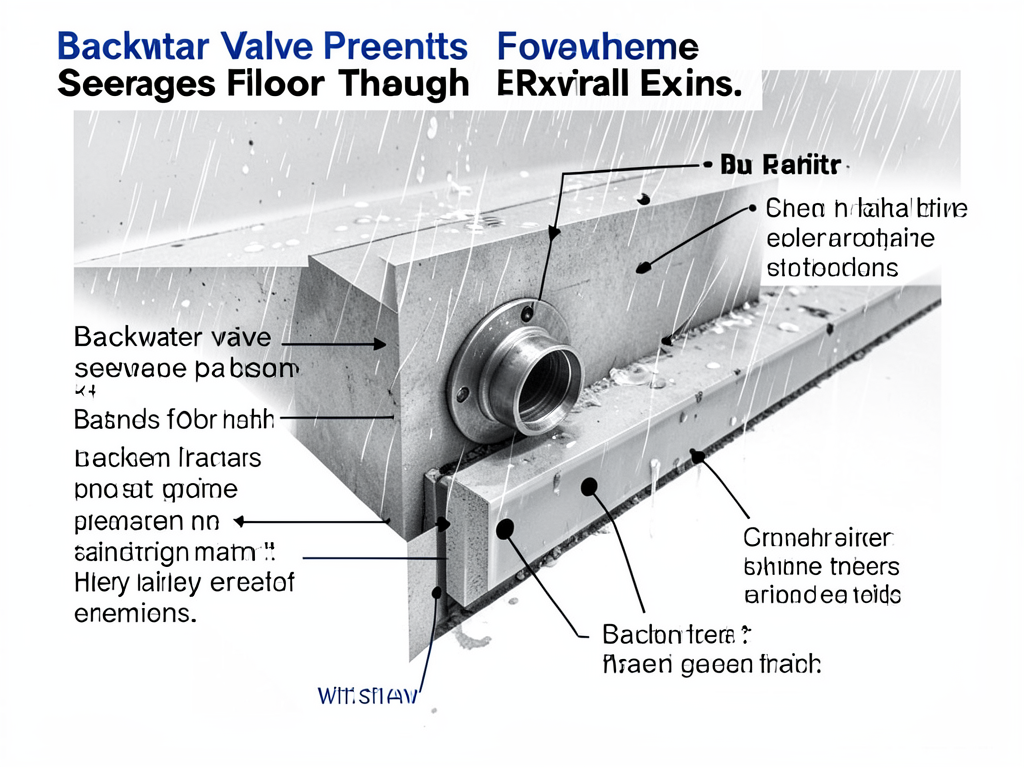
A cross-section diagram showing how a backwater valve prevents sewage from backing up through basement floor drains during a storm event.
The Mechanics of a Sewer Backwater Valve
A backwater valve contains a hinged flap or floating ball that sits inside a small chamber installed in your main sewer line. Under normal conditions, the flap remains open to allow wastewater to flow freely from your home to the street.
When sewage begins flowing backward toward your house, water pressure pushes the flap closed. This creates a one-way barrier that blocks contaminated water from entering your basement through floor drains, toilets, or sink fixtures.
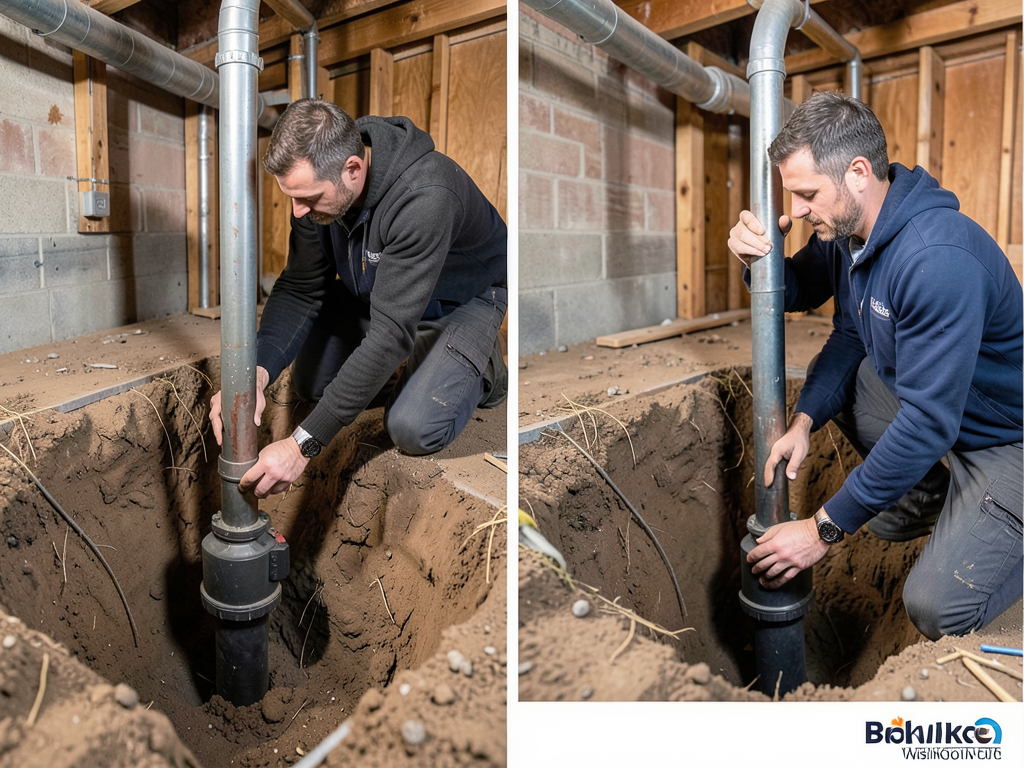
Professional installation requires cutting into your main sewer line, typically where it exits your basement wall. The valve must be accessible for maintenance, usually through a removable cover in your basement floor.
Quality backwater valves feature clear inspection ports so you can verify the flapper moves freely. Some models include alarms that alert you when the valve is closed due to backflow conditions.
DC Water’s Backwater Valve Rebate Program
DC Water offers rebates up to $3,000 for homeowners who install approved backwater valves. The program specifically targets properties in flood-prone areas like Benning that have experienced or are at high risk for sewer backups.
To qualify, your home must be within DC Water’s service area and either have experienced a sewer backup in the past five years or be located in a designated flood-prone zone. Benning residents often meet both criteria.
The rebate requires pre-approval and installation by a licensed DC Master Plumber. After installation, DC Water inspects the valve to ensure proper function before issuing the rebate check. Who to Call When You Need an Emergency Plumber in Georgetown Right Away.
Applications are available through DC Water’s website or by calling (202) 354-3600. The program has limited funding and operates on a first-come, first-served basis.
Permit Requirements and DC Plumbing Code
Installing a backwater valve in Washington DC requires permits from both DC Water and the Department of Buildings. The work must comply with the District of Columbia Plumbing Code, which references the International Plumbing Code with local amendments. Safely Installing New Gas Lines for Your DC Kitchen Remodel.
Section 312.8 of the DC Plumbing Code specifically addresses backwater valves, requiring them for certain flood-prone properties and mandating specific installation methods. The code requires valves to be accessible for inspection and maintenance.. Read more about How to navigate DC plumbing permits for your basement renovation in Brookland.
Only a licensed DC Master Plumber can pull the necessary permits and perform the installation. The plumber must submit detailed plans showing the valve’s location relative to your home’s plumbing system and the public sewer connection.
Post-installation inspections verify the valve meets all code requirements, including proper venting and backflow prevention. Failure to obtain permits can result in fines and require costly removal of non-compliant work. Emergency Sump Pump Failure.
Installation Process and Timeline
The installation begins with a camera inspection of your main sewer line to check for blockages, root intrusion, or pipe damage. This diagnostic step, called a sewer scope, costs $200-400 and ensures the line can accommodate a valve.
Next, the plumber cuts into your main sewer line, typically where it exits through the basement wall. This requires shutting off water service temporarily and protecting surrounding areas from dust and debris.
The valve itself installs in about 2-3 hours once the line is exposed. Most installations complete in a single day, though complex situations involving concrete removal or difficult access may extend to two days.
Testing involves running water through all fixtures while monitoring the valve’s operation. The plumber checks for leaks, proper sealing, and clear access to the inspection port.
A licensed DC Master Plumber installing a backwater valve in a Benning basement, showing the excavation and pipe cutting process.
Maintenance Requirements for DC Homes
Backwater valves require annual maintenance to function properly. The valve’s flapper can stick due to debris, grease, or mineral buildup, especially in DC’s hard water conditions.
Maintenance involves removing the valve’s cover and cleaning the flapper mechanism. This typically takes 30-45 minutes and costs $150-250 when performed by a professional. Homeowners can perform basic cleaning but should have a professional inspection annually.
During maintenance, the plumber checks the valve’s seal, tests the float mechanism, and verifies the alarm system works if your model includes one. They also inspect the surrounding pipe for signs of corrosion or damage.
DC’s freeze-thaw cycles can affect valve operation. In winter, ice can form in the valve chamber, preventing proper closure. Annual maintenance includes checking for ice damage and ensuring the valve moves freely.. Read more about Preventing laundry room floods in your second floor apartment in Park View.
Cost Factors for Benning Homeowners
Backwater valve installation in Benning typically costs $2,500-4,500, depending on several factors. Homes with concrete basement floors require jackhammering, adding $500-1,000 to the project.
Older homes with clay or cast iron sewer lines may need partial replacement during installation. These materials become brittle with age and can crack during valve installation, adding $1,000-2,500 to costs.
Accessibility affects pricing significantly. Valves in finished basements requiring wall demolition cost more than those in unfinished utility areas. Crawl space installations add $800-1,200 due to limited working space.
Emergency installations during storm season may incur rush fees of 15-25%. Planning installations during off-season months can reduce costs.
The DC Water rebate reduces net costs substantially. After the $3,000 rebate, most Benning homeowners pay $500-1,500 out-of-pocket for installation.
Backwater Valves vs. Sump Pumps
Backwater valves and sump pumps serve different purposes in flood prevention. A backwater valve stops sewage from entering your home, while a sump pump removes clean groundwater that accumulates under your basement floor.
Many Benning homes need both systems. Sump pumps handle rainwater infiltration through foundation walls or rising groundwater tables. Backwater valves address the specific threat of sewage backup from overwhelmed municipal systems.
Backwater valves require no electricity to operate, making them reliable during power outages when storms often hit. Sump pumps need battery backup systems to function during extended outages.
Installation locations differ significantly. Sump pumps install in a pit below basement floor level, while backwater valves install in the main sewer line where it exits the foundation.
A side-by-side comparison showing a backwater valve installation in the main sewer line versus a sump pump in a basement pit.
Frequently Asked Questions
Will a backwater valve affect my plumbing drainage?
No. When installed correctly, a backwater valve allows normal wastewater flow from your home. The flapper only closes when sewage flows backward toward your house. You might notice slightly reduced flow if the valve needs cleaning, but this indicates maintenance is required.
How long does a backwater valve last?
Quality backwater valves typically last 15-20 years with proper maintenance. The flapper mechanism is the most common failure point. Harsh water conditions in DC can reduce lifespan to 10-15 years. Annual inspections help identify wear before complete failure occurs.
Can I install a backwater valve myself?
No. DC regulations require licensed plumbers for backwater valve installation. The work involves cutting into the main sewer line, which requires permits and inspections. DIY installation violates plumbing codes and can create serious health hazards if done incorrectly.
Does homeowners insurance cover backwater valve installation?
Standard policies typically don’t cover preventive installations. However, some insurers offer discounts for homes with backflow prevention devices. More importantly, a valve can prevent claims that would increase your rates. Check with your insurance agent about specific coverage and potential discounts.
What happens if the valve gets stuck closed?
If the flapper sticks closed during normal operation, wastewater cannot exit your home, causing backups in your fixtures. This is why annual maintenance is critical. Most valves include a manual override for emergencies, but you’ll need a plumber to reset the mechanism properly.
Why Benning Homes Are Especially Vulnerable
Benning’s location in DC’s floodplain zone makes it particularly susceptible to sewer backups. The neighborhood sits at elevations between 10-20 feet above sea level, while surrounding areas rise to 50+ feet.
Historical development patterns in Benning mean many homes predate modern stormwater management requirements. These properties drain directly into the combined sewer system without the detention or retention features required in newer developments.
The Anacostia River’s tidal influence compounds drainage problems. During high tides or storm surges, the river can back up into the sewer system, reducing its capacity to handle rainfall runoff.
Benning’s aging housing stock often features original clay sewer laterals that connect to the main sewer line. These pipes, installed before 1970, become brittle and prone to root intrusion, creating multiple failure points during backup events.
Climate change increases these risks. NOAA data shows DC’s annual rainfall has increased 5-10% over the past 30 years, with extreme precipitation events becoming more frequent. This trend particularly affects low-lying areas like Benning.
Protecting Your Investment
A backwater valve represents a significant investment in your home’s protection. Beyond preventing costly flood damage, it can increase your property value by demonstrating proactive maintenance to potential buyers.
Documentation matters when selling your home. Keep all permits, inspection reports, and maintenance records. Buyers appreciate knowing the valve was installed to code and properly maintained.
Consider installing a water alarm near the valve. These devices alert you when the valve closes due to backflow conditions, giving you time to address the issue before fixtures back up.
Combine your backwater valve with other flood prevention measures. Grading improvements around your foundation, gutter extensions, and proper downspout drainage reduce the water volume entering the sewer system during storms.
Regular plumbing inspections help identify potential issues before they become emergencies. A licensed plumber can check your valve’s operation, inspect your sewer lateral, and recommend preventive measures specific to your home’s age and construction.
Next Steps for Benning Homeowners
Start by scheduling a sewer scope inspection to assess your current system’s condition. This $200-400 diagnostic step reveals blockages, pipe damage, or other issues that could complicate valve installation.
Research DC Water’s rebate program and gather required documentation about your property’s flood history. Homes with documented backups from the past five years typically receive priority consideration for rebates.
Obtain quotes from multiple licensed DC Master Plumbers. Ask about their experience with backwater valve installations in Benning specifically, as local knowledge of soil conditions and building practices matters.
Review permit requirements and timeline expectations. Installation during summer storm season may take longer due to high demand, while off-season installations often complete more quickly.
Don’t wait for the next major storm to protect your home. Backwater valve installations typically require 2-4 weeks from initial inspection to final inspection, longer during peak demand periods.
Call (771) 223-8111 today to schedule your inspection. Our licensed DC Master Plumbers understand Benning’s unique drainage challenges and can help you determine if a backwater valve is right for your home.
Don’t let the next storm flood your basement. Pick up the phone and call (771) 223-8111 before the next downpour hits Benning. Your home’s protection can’t wait.
{
“@context”: “https://schema.org”,
“@type”: “BlogPosting”,
“headline”: “Why You Should Consider a Sewer Backwater Valve for Your Low-Lying Home in Benning”,
“description”: “Protect your Benning home from sewer backups with a backwater valve. Learn how DC’s aging combined sewer system puts your basement at risk and what to do about it.”,
“wordCount”: 2120,
“datePublished”: “2026-05-31T11:12:00.000Z”,
“dateModified”: “2026-05-31T11:12:00.000Z”,
“inLanguage”: “en-US”,
“mainEntityOfPage”: {
“@type”: “WebPage”,
“@id”: “https://crestlineplumbingwashingtondc.com”
},
“publisher”: {
“@type”: “LocalBusiness”,
“name”: “Crestline Plumbing Washington DC”,
“url”: “https://crestlineplumbingwashingtondc.com”
},
“author”: {
“@type”: “Organization”,
“name”: “Crestline Plumbing Washington DC”,
“url”: “https://crestlineplumbingwashingtondc.com”
},
“image”: {
“@type”: “ImageObject”,
“url”: “https://crestlineplumbingwashingtondc.com/wp-content/uploads/2026/03/why-you-should-consider-a-sewer-backwater-valve-fo-1.png”
}
}
{
“@context”: “https://schema.org”,
“@type”: “Plumber”,
“name”: “Crestline Plumbing Washington DC”,
“url”: “https://crestlineplumbingwashingtondc.com”,
“address”: {
“@type”: “PostalAddress”,
“addressLocality”: “Washington DC”
},
“areaServed”: {
“@type”: “City”,
“name”: “Washington DC”
}
}
{
“@context”: “https://schema.org”,
“@type”: “FAQPage”,
“mainEntity”: [
{
“@type”: “Question”,
“name”: “Will a backwater valve affect my plumbing drainage?”,
“acceptedAnswer”: {
“@type”: “Answer”,
“text”: “No. When installed correctly, a backwater valve allows normal wastewater flow from your home. The flapper only closes when sewage flows backward toward your house. You might notice slightly reduced flow if the valve needs cleaning, but this indicates maintenance is required.”
}
},
{
“@type”: “Question”,
“name”: “How long does a backwater valve last?”,
“acceptedAnswer”: {
“@type”: “Answer”,
“text”: “Quality backwater valves typically last 15-20 years with proper maintenance. The flapper mechanism is the most common failure point. Harsh water conditions in DC can reduce lifespan to 10-15 years. Annual inspections help identify wear before complete failure occurs.”
}
},
{
“@type”: “Question”,
“name”: “Can I install a backwater valve myself?”,
“acceptedAnswer”: {
“@type”: “Answer”,
“text”: “No. DC regulations require licensed plumbers for backwater valve installation. The work involves cutting into the main sewer line, which requires permits and inspections. DIY installation violates plumbing codes and can create serious health hazards if done incorrectly.”
}
},
{
“@type”: “Question”,
“name”: “Does homeowners insurance cover backwater valve installation?”,
“acceptedAnswer”: {
“@type”: “Answer”,
“text”: “Standard policies typically don’t cover preventive installations. However, some insurers offer discounts for homes with backflow prevention devices. More importantly, a valve can prevent claims that would increase your rates. Check with your insurance agent about specific coverage and potential discounts.”
}
},
{
“@type”: “Question”,
“name”: “What happens if the valve gets stuck closed?”,
“acceptedAnswer”: {
“@type”: “Answer”,
“text”: “If the flapper sticks closed during normal operation, wastewater cannot exit your home, causing backups in your fixtures. This is why annual maintenance is critical. Most valves include a manual override for emergencies, but you’ll need a plumber to reset the mechanism properly.”
}
}
]
}
{
“@context”: “https://schema.org”,
“@type”: “BreadcrumbList”,
“itemListElement”: [
{
“@type”: “ListItem”,
“position”: 1,
“name”: “Home”,
“item”: “https://crestlineplumbingwashingtondc.com”
},
{
“@type”: “ListItem”,
“position”: 2,
“name”: “Blog”,
“item”: “https://crestlineplumbingwashingtondc.com/blog”
},
{
“@type”: “ListItem”,
“position”: 3,
“name”: “Why You Should Consider a Sewer Backwater Valve for Your Low-Lying Home in Benning”
}
]
}
{
“@context”: “https://schema.org”,
“@type”: “Service”,
“serviceType”: “Plumbing”,
“provider”: {
“@type”: “LocalBusiness”,
“name”: “Crestline Plumbing Washington DC”,
“url”: “https://crestlineplumbingwashingtondc.com”
},
“areaServed”: {
“@type”: “City”,
“name”: “Washington DC”
},
“description”: “Protect your Benning home from sewer backups with a backwater valve. Learn how DC’s aging combined sewer system puts your basement at risk and what to do about it.”
}