
Dealing with a shared sewer line when your neighbor has a clog in LeDroit Park
When sewage backs up into your basement in LeDroit Park, panic sets in fast. But before you call a plumber, you need to know: is the clog in your line, or is your neighbor’s blockage causing your mess? In DC’s historic row house neighborhoods, shared sewer laterals are common, and figuring out who pays for repairs can get complicated fast. DC Water emergency services.
DC Water (the District of Columbia Water and Sewer Authority) defines the property line as the dividing point between public and private responsibility. If the clog is in your lateral (the pipe from your house to the property line), you pay. If it’s in the public main or the shared section past the property line, DC Water covers it. But in LeDroit Park’s dense, historic blocks, those property lines can be tricky to locate without professional inspection. DC Department of Consumer and Regulatory Affairs.
The first step is to stop using water immediately. Every flush or sink drain could make the backup worse. Next, call DC Water’s 24-hour emergency line at 202-612-3400. They can send a technician to locate the blockage and determine if it’s in the public system. If they confirm the issue is in your private lateral, you’ll need a licensed DC plumber to handle repairs. Who to Call When You Need an Emergency Plumber in Georgetown Right Away.
Communication with your neighbor matters. If you share a common stack (typical in LeDroit Park’s rowhouses), their clog could be backing up into your home. Document everything: take photos of the backup, note the time and date, and keep all correspondence. This protects you if the dispute escalates. Common Plumbing Problems in Historic Capitol Hill Rowhouses (and How We Fix Them).
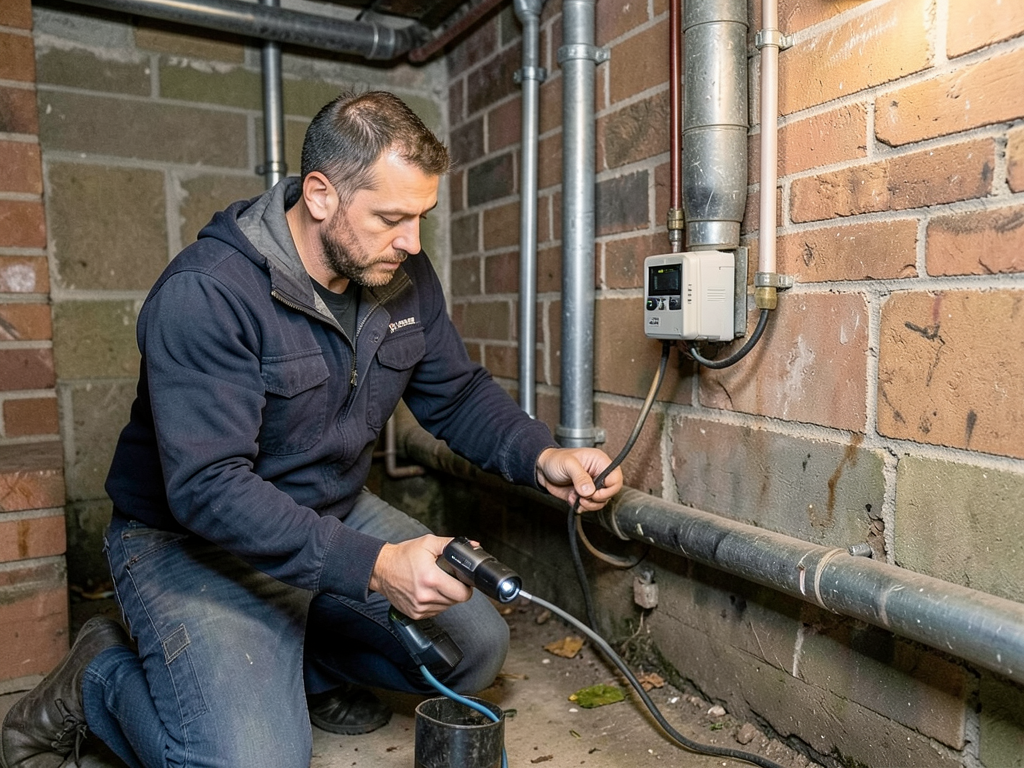
LeDroit Park’s aging clay pipes are especially vulnerable to tree root intrusion and ground shifting. The neighborhood’s mix of mature trees and historic infrastructure means shared lines here often fail at the joints where pipes connect. A CCTV camera inspection can show exactly where the blockage is and whether tree roots or collapsed pipe is to blame.
Cost-sharing agreements between neighbors can prevent legal battles. Some LeDroit Park homeowners have successfully split repair costs when both benefit from a fixed shared line. Get any agreement in writing, and consider having both parties sign before work begins.
DC’s plumbing code (DCMR Title 12E) requires permits for sewer lateral repairs. A licensed plumber will pull the necessary permits and ensure work meets District standards. Skipping permits can lead to fines and failed inspections later.
Insurance coverage varies. Standard homeowners policies often exclude sewer backups unless you’ve added specific coverage. Check your policy and ask your insurer about sewer backup riders. Some policies cover damage but not the repair of the pipe itself.
Prevention helps. Annual sewer line cleaning can prevent major clogs, especially in older neighborhoods. Installing a backwater valve can stop sewage from flowing back into your home during a neighbor’s blockage. Safely Installing New Gas Lines for Your DC Kitchen Remodel.
If you’re facing a shared sewer line emergency in LeDroit Park, don’t guess about responsibility. Call DC Water first, then document everything. When you need repairs, call (771) 223-8111 for fast, professional service that knows DC’s unique plumbing challenges. Emergency Sump Pump Failure.
Understanding shared sewer laterals in DC row house neighborhoods
LeDroit Park’s historic character means many homes share plumbing infrastructure. Unlike modern subdivisions with separate connections, these older systems often combine multiple homes’ waste into single laterals. This design saves space and cost but creates shared responsibility headaches when problems arise.
Property lines in DC don’t always align with what you see above ground. A plumber using ground-penetrating radar or CCTV inspection can locate the exact point where your responsibility ends and the public system begins. This matters because costs can differ by thousands of dollars depending on where the blockage sits.
Common signs of a shared line problem include multiple homes experiencing backups simultaneously, sewage surfacing in yards where laterals run close to the surface, or recurring clogs despite regular cleaning. These symptoms suggest the issue is in the shared section rather than individual laterals.
LeDroit Park’s soil composition adds another layer of complexity. The area’s clay-heavy soil retains moisture and can cause ground shifting that damages pipe joints. Combined with mature tree roots seeking water sources, this creates perfect conditions for shared line failures.
DC Water’s Service Line Warranty Program offers some homeowners payment plans for emergency repairs, but eligibility depends on income and the specific location of the problem. Check their website or call their customer service to see if you qualify for assistance.
Legal easements often exist on properties with shared laterals. These documents, usually recorded with the DC Recorder of Deeds, grant neighbors the right to access your property for maintenance. Understanding your easement rights can prevent disputes during emergency repairs.
Professional inspection is non-negotiable. A plumber with DC experience will know to check for combined sewer connections, which are common in older neighborhoods. These systems mix stormwater and sewage, making backups more likely during heavy rain.
Modern trenchless repair methods can fix shared lines with minimal digging, preserving historic landscapes and reducing costs. However, these methods require precise location data that only professional inspection can provide.
Communication protocols matter. When scheduling repairs that affect multiple homes, coordinate access times and share inspection results. This transparency prevents misunderstandings and ensures everyone understands the scope of work.
DC’s Department of Consumer and Regulatory Affairs (DCRA) oversees plumbing permits and can mediate disputes between neighbors about shared infrastructure. Keep their contact information handy if negotiations break down.
Preventive maintenance agreements between neighbors can distribute costs fairly while preventing emergencies. These agreements typically include annual inspections and shared payment for routine cleaning.
Understanding your specific situation requires professional assessment. Call (771) 223-8111 for a thorough inspection that will clarify responsibility and outline your repair options.
DC Water’s responsibility boundaries and the property line rule
DC Water uses the property line as the definitive boundary for sewer responsibility. Everything from your home to the property line is your responsibility. Beyond that point, DC Water maintains the public system. This rule sounds simple but gets complicated in LeDroit Park’s dense urban fabric.
The 2-foot rule from the property line is critical. If a blockage occurs within 2 feet of your property line, DC Water may still cover it as a public system issue. This buffer exists because property lines aren’t always precisely marked underground.
Multi-family rowhouses in LeDroit Park often share vertical stacks that serve multiple units. These stacks can extend across property lines, creating shared responsibility even when individual laterals are clear. A CCTV inspection will reveal these complex connections.
Public space permits are required for any work in the public right-of-way. DC Water issues these permits, and your plumber must obtain them before starting repairs that extend beyond your property line. Working without permits can result in stop-work orders and additional costs.
The District’s combined sewer system affects responsibility in certain areas. During heavy rain, these systems can back up, causing problems that aren’t related to individual clogs. DC Water maintains these combined systems, but the timing of backups can make it seem like a neighbor’s issue.
Service line replacement programs exist but have specific eligibility requirements. DC Water’s program covers some emergency repairs for qualifying homeowners, but shared lines between neighbors may not qualify if only one party meets the income requirements.
Documentation from DC Water carries legal weight. If their technician determines the blockage is in the public system, this written finding can protect you from neighbor disputes about responsibility.
Emergency response times vary. DC Water’s 24-hour emergency line prioritizes public health threats, so severe backups get faster response than minor issues. Understanding this hierarchy helps set realistic expectations during emergencies.
Cost allocation becomes complex when repairs benefit multiple properties. Some homeowners negotiate cost-sharing agreements based on the percentage of pipe each property uses, while others split costs evenly. Legal counsel can help structure fair agreements.
Insurance claims involving shared lines require coordination. Your insurer may need documentation from DC Water and your neighbors before processing claims for damage caused by shared system failures.
Long-term solutions often involve system upgrades. Replacing shared clay pipes with modern materials can prevent future failures but requires agreement from all affected property owners.
Professional assessment eliminates guesswork. Call (771) 223-8111 for inspection services that will clarify DC Water’s role in your specific situation.
Legal easements and homeowner agreements for shared plumbing
Easement documents recorded with the DC Recorder of Deeds establish legal rights for shared plumbing maintenance. These documents often date back to when homes were built and specify who can access what areas for repairs. Reviewing these documents before emergencies arise can prevent conflicts.
Verbal agreements between neighbors rarely hold up in disputes. Written agreements should specify cost-sharing formulas, maintenance schedules, and access rights. Include provisions for what happens if one party wants to sell their property.
DC’s common law recognizes the right to lateral support, meaning you can’t excavate in ways that damage your neighbor’s foundation. This principle affects where and how shared line repairs can be performed, especially in LeDroit Park’s closely spaced row houses.
Homeowner association documents (if applicable) may contain provisions about shared infrastructure. Even if you’re not in a formal HOA, some LeDroit Park blocks have informal agreements about maintaining common utilities.
Insurance companies often require documentation of shared responsibility agreements before processing claims. Without written agreements, they may deny claims or force litigation between neighbors to determine liability.
DC’s Department of Consumer and Regulatory Affairs can mediate disputes about shared infrastructure, but they won’t make cost decisions. Their role is to ensure repairs meet code and that all parties have proper permits.
Property deeds sometimes contain references to shared utilities that aren’t obvious from surface observation. Title searches can reveal these hidden connections before you purchase a home or begin renovations.
Cost-sharing calculators help neighbors determine fair contributions based on property size, usage patterns, and benefit received. Some plumbers offer these tools as part of their assessment services.
Emergency situations require quick decisions. Having pre-negotiated agreements in place means you won’t waste precious time arguing about money while sewage backs up into your home.
Legal counsel familiar with DC real estate law can review proposed agreements and ensure they comply with District regulations. This small upfront investment can prevent costly disputes later.
Documentation should include inspection results, repair proposals, and payment schedules. Photos and video from CCTV inspections provide objective evidence of problems and proposed solutions.
Professional mediation services specialize in neighbor disputes about shared infrastructure. These neutral third parties can help craft agreements that satisfy all parties while ensuring necessary repairs get completed.
Clear communication prevents most disputes. Call (771) 223-8111 for inspection services that include detailed documentation you can share with neighbors.
Common signs of shared sewer line failure in historic DC neighborhoods
Multiple homes experiencing simultaneous backups often indicates a shared line problem rather than individual failures. When your neighbor’s toilet won’t flush and yours backs up at the same time, the issue likely sits in the common section of pipe.
Sewage surfacing in yards where laterals run close to the surface suggests joint failure in shared pipes. LeDroit Park’s older clay pipes often separate at the joints, allowing sewage to escape before reaching the main line.
Gurgling sounds in multiple drains when one fixture is used indicate air trapped in the system. This symptom suggests partial blockages in shared lines that affect the entire system’s ventilation.
Foul odors emanating from floor drains or cleanouts point to sewer gas escaping through cracks in shared pipes. These odors often intensify during temperature changes when pipe materials expand and contract.
Slow drainage across multiple homes that worsens during rain suggests combined sewer issues. LeDroit Park’s older areas may still have combined systems where stormwater and sewage share pipes.
Recurring clogs despite regular cleaning indicate structural problems rather than simple blockages. Tree roots invading shared lines or pipe collapse requires more than routine snaking to fix.
Water backing up in unexpected fixtures when using others reveals complex system interconnections. For example, running your washing machine might cause your neighbor’s shower to back up if you share a common stack.
Foundation cracks near where laterals exit buildings can indicate soil erosion from leaking shared pipes. This damage worsens over time and can compromise structural integrity if left unaddressed.
Mold growth in basements of multiple adjacent homes suggests chronic moisture problems from shared line failures. This health hazard requires immediate professional assessment. Don’t Let Your Basement Flood—Expert Sump Pump Repair and Maintenance in Northwest DC.
Increased rodent activity near sewer cleanouts can indicate breaches in shared pipes. Rodents often enter through pipe cracks and can spread throughout connected systems.
Professional inspection using CCTV cameras reveals problems invisible to homeowners. These cameras show pipe condition, blockage locations, and structural damage with precision.
Ground-penetrating radar can locate pipes without excavation, showing exactly where shared lines run between properties. This technology prevents accidental damage during repairs.
Early detection prevents emergencies. Call (771) 223-8111 for comprehensive inspection services that identify shared line problems before they cause major damage.
Steps to take when a dispute arises with a neighbor
Document everything immediately. Take photos of backups, note times and dates, and keep all communication with neighbors. This documentation becomes crucial if disputes escalate to legal proceedings.
Stop using water to prevent further damage. Every flush or drain use could worsen the backup, potentially increasing repair costs and liability for all parties involved.
Call DC Water’s emergency line first. Their technicians can determine if the problem is in the public system, which removes uncertainty about responsibility and can prevent neighbor disputes.
Share inspection results with all affected neighbors. Professional CCTV footage showing exactly where blockages occur provides objective evidence that can prevent disagreements about responsibility.
Propose cost-sharing based on objective factors like property size or historical usage patterns. Avoid emotional arguments and focus on fair, data-driven solutions.
Consider professional mediation if direct negotiation fails. Neutral third parties can help craft agreements that satisfy all parties while ensuring necessary repairs get completed.
Review any existing easement documents before making decisions. These legal documents may already specify rights and responsibilities for shared infrastructure maintenance.
Check your insurance policies for coverage details. Some policies cover damage from shared line failures, while others exclude these situations entirely.
Document all repair proposals and get multiple quotes. This transparency helps neighbors understand costs and prevents accusations of overcharging or unnecessary work.
Agree on a timeline for repairs to prevent the situation from dragging on. Set deadlines for decisions and establish consequences for missed deadlines.
Consider temporary solutions while negotiating permanent repairs. Portable pumps or temporary bypass systems can provide relief while neighbors work out long-term arrangements.
Keep communication professional and focused on solutions rather than blame. Personal attacks escalate conflicts and make resolution more difficult.
Put all agreements in writing, even for simple cost-sharing arrangements. Written agreements prevent misunderstandings and provide legal protection if disputes arise later.
Know when to involve authorities. If negotiations completely break down, DC’s Department of Consumer and Regulatory Affairs can provide guidance on rights and responsibilities.
Professional assistance can prevent disputes from escalating. Call (771) 223-8111 for inspection services that include detailed documentation for all parties.
Frequently Asked Questions
How do I know if my sewer line is shared with my neighbor?
Professional CCTV inspection reveals shared line connections. Signs include simultaneous backups in multiple homes, gurgling sounds in several drains, and sewage surfacing in yards where laterals run between properties. Homes built before 1950 in LeDroit Park are most likely to have shared systems.
Who pays for repairs on a shared sewer line in DC?
Responsibility depends on where the blockage occurs. If it’s in your lateral (from your home to the property line), you pay. If it’s in the shared section or public main, costs may be shared or covered by DC Water. Professional inspection determines the exact location and responsibility.
Can I force my neighbor to pay for shared sewer repairs?
You cannot force payment without legal proceedings, but written agreements and documentation of shared usage can support cost-sharing requests. DC’s mediation services can help resolve disputes, and small claims court is an option for amounts under $10,000.
How long does DC Water take to respond to sewer emergencies?
DC Water’s 24-hour emergency line prioritizes public health threats. Severe backups affecting multiple homes or causing health hazards get response within 2-4 hours. Minor issues may take 24-48 hours. Call 202-612-3400 for emergency service.
What permits are required for shared sewer line repairs in DC?
DC Water issues public space permits for work beyond property lines. The Department of Consumer and Regulatory Affairs requires plumbing permits for all sewer repairs. Your licensed plumber should handle permit applications, but verify they’ve obtained all necessary approvals before work begins.
{
“@context”: “https://schema.org”,
“@type”: “BlogPosting”,
“headline”: “Dealing with a shared sewer line when your neighbor has a clog in LeDroit Park”,
“description”: “Confused about who fixes a shared sewer line in LeDroit Park? Learn DC Water’s rules, your rights, and how to handle neighbor disputes fast.”,
“wordCount”: 2828,
“datePublished”: “2026-06-04T12:04:00.000Z”,
“dateModified”: “2026-06-04T12:04:00.000Z”,
“inLanguage”: “en-US”,
“mainEntityOfPage”: {
“@type”: “WebPage”,
“@id”: “https://crestlineplumbingwashingtondc.com”
},
“publisher”: {
“@type”: “LocalBusiness”,
“name”: “Crestline Plumbing Washington DC”,
“url”: “https://crestlineplumbingwashingtondc.com”
},
“author”: {
“@type”: “Organization”,
“name”: “Crestline Plumbing Washington DC”,
“url”: “https://crestlineplumbingwashingtondc.com”
},
“image”: {
“@type”: “ImageObject”,
“url”: “https://crestlineplumbingwashingtondc.com/wp-content/uploads/2026/03/dealing-with-a-shared-sewer-line-when-your-neighbo-1.png”
}
}
{
“@context”: “https://schema.org”,
“@type”: “Plumber”,
“name”: “Crestline Plumbing Washington DC”,
“url”: “https://crestlineplumbingwashingtondc.com”,
“address”: {
“@type”: “PostalAddress”,
“addressLocality”: “Washington DC”
},
“areaServed”: {
“@type”: “City”,
“name”: “Washington DC”
}
}
{
“@context”: “https://schema.org”,
“@type”: “FAQPage”,
“mainEntity”: [
{
“@type”: “Question”,
“name”: “How do I know if my sewer line is shared with my neighbor?”,
“acceptedAnswer”: {
“@type”: “Answer”,
“text”: “Professional CCTV inspection reveals shared line connections. Signs include simultaneous backups in multiple homes, gurgling sounds in several drains, and sewage surfacing in yards where laterals run between properties. Homes built before 1950 in LeDroit Park are most likely to have shared systems.”
}
},
{
“@type”: “Question”,
“name”: “Who pays for repairs on a shared sewer line in DC?”,
“acceptedAnswer”: {
“@type”: “Answer”,
“text”: “Responsibility depends on where the blockage occurs. If it’s in your lateral (from your home to the property line), you pay. If it’s in the shared section or public main, costs may be shared or covered by DC Water. Professional inspection determines the exact location and responsibility.”
}
},
{
“@type”: “Question”,
“name”: “Can I force my neighbor to pay for shared sewer repairs?”,
“acceptedAnswer”: {
“@type”: “Answer”,
“text”: “You cannot force payment without legal proceedings, but written agreements and documentation of shared usage can support cost-sharing requests. DC’s mediation services can help resolve disputes, and small claims court is an option for amounts under $10,000.”
}
},
{
“@type”: “Question”,
“name”: “How long does DC Water take to respond to sewer emergencies?”,
“acceptedAnswer”: {
“@type”: “Answer”,
“text”: “DC Water’s 24-hour emergency line prioritizes public health threats. Severe backups affecting multiple homes or causing health hazards get response within 2-4 hours. Minor issues may take 24-48 hours. Call 202-612-3400 for emergency service.”
}
},
{
“@type”: “Question”,
“name”: “What permits are required for shared sewer line repairs in DC?”,
“acceptedAnswer”: {
“@type”: “Answer”,
“text”: “DC Water issues public space permits for work beyond property lines. The Department of Consumer and Regulatory Affairs requires plumbing permits for all sewer repairs. Your licensed plumber should handle permit applications, but verify they’ve obtained all necessary approvals before work begins.”
}
}
]
}
{
“@context”: “https://schema.org”,
“@type”: “BreadcrumbList”,
“itemListElement”: [
{
“@type”: “ListItem”,
“position”: 1,
“name”: “Home”,
“item”: “https://crestlineplumbingwashingtondc.com”
},
{
“@type”: “ListItem”,
“position”: 2,
“name”: “Blog”,
“item”: “https://crestlineplumbingwashingtondc.com/blog”
},
{
“@type”: “ListItem”,
“position”: 3,
“name”: “Dealing with a shared sewer line when your neighbor has a clog in LeDroit Park”
}
]
}
{
“@context”: “https://schema.org”,
“@type”: “Service”,
“serviceType”: “Plumbing”,
“provider”: {
“@type”: “LocalBusiness”,
“name”: “Crestline Plumbing Washington DC”,
“url”: “https://crestlineplumbingwashingtondc.com”
},
“areaServed”: {
“@type”: “City”,
“name”: “Washington DC”
},
“description”: “Confused about who fixes a shared sewer line in LeDroit Park? Learn DC Water’s rules, your rights, and how to handle neighbor disputes fast.”
}