
Living in a second floor apartment in Park View comes with unique plumbing challenges that many residents overlook until disaster strikes. The combination of aging infrastructure, high-rise building plumbing systems, and the concentrated risk of water damage on upper floors creates a perfect storm for potential laundry room floods. In 2026, Washington DC continues to see an uptick in water damage claims from multi-unit dwellings, with laundry room failures accounting for nearly 40% of all preventable incidents in buildings over three stories tall. DC Water.
The stakes are higher when you’re above the ground floor. A burst washing machine hose on the second floor doesn’t just damage your unit—it cascades through ceilings, walls, and electrical systems, affecting neighbors below and potentially causing tens of thousands in damages. The good news? Most laundry room floods are entirely preventable with the right knowledge and equipment. This guide breaks down exactly what Park View residents need to know to protect their homes from water damage.
Understanding the unique risks of Park View apartment plumbing
Park View’s mix of early 20th century apartment buildings and newer constructions presents distinct challenges. Many buildings constructed before the 1980s feature original galvanized steel supply lines that have corroded over decades. These pipes develop internal rust buildup that reduces water pressure and creates weak points prone to sudden failure. The neighborhood’s elevation changes also mean that water pressure in multi-story buildings can vary dramatically between floors, with second floor units often experiencing pressure spikes that stress washing machine connections. Emergency Sump Pump Failure.
According to the District of Columbia Water and Sewer Authority (DC Water), the average water pressure in Park View ranges from 45 to 85 PSI, with seasonal fluctuations that can push pressure above 90 PSI during summer months when demand is highest. This variability directly impacts the lifespan of washing machine hoses and connections. The International Plumbing Code (IPC) Section 604.8 requires pressure-reducing valves when supply pressure exceeds 80 PSI, but many older Park View buildings haven’t been updated to meet this standard. District of Columbia Construction Codes.
Beyond the plumbing infrastructure, the layout of second floor laundry rooms in Park View apartments often creates additional risks. Many units feature stacked washer-dryer combinations installed in closets without proper drainage systems. These installations typically lack the floor pans and secondary drains that would contain a minor leak before it becomes a major flood. The confined spaces also make it difficult to spot early warning signs like moisture accumulation or hose bulging. Common Plumbing Problems in Historic Capitol Hill Rowhouses (and How We Fix Them).
The financial impact of a laundry room flood extends beyond immediate water damage. Insurance claims for second floor laundry failures in DC typically range from $8,000 to $25,000, depending on the extent of damage to flooring, drywall, and personal property. Many standard renters insurance policies exclude water damage from appliance failure, leaving residents financially vulnerable. Understanding these risks is the first step toward effective prevention.
Essential prevention systems for Park View laundry rooms
Installing the right prevention systems can reduce your flood risk by over 90%. The most effective approach combines multiple layers of protection, starting with the most basic upgrade: replacing standard rubber washing machine hoses with reinforced stainless steel braided hoses. These hoses cost between $20 and $40 per pair and feature a braided stainless steel outer layer that prevents the catastrophic bursting common with rubber hoses. The rubber inner tube is protected from UV damage, kinking, and pressure fluctuations that cause failure. Safely Installing New Gas Lines for Your DC Kitchen Remodel.
Beyond hose replacement, automatic water shut-off valves represent the gold standard in laundry room flood prevention. These systems, such as the Watts IntelliFlow or FloodStop, install directly on the hot and cold water supply lines and use sensors to detect leaks. When moisture is detected, the valve immediately cuts off water supply to the washing machine. Some advanced models connect to smartphone apps, sending instant alerts when leaks occur. Installation typically requires a licensed plumber and costs between $250 and $450, but the investment pays for itself by preventing even a single major flood. Who to Call When You Need an Emergency Plumber in Georgetown Right Away.
Floor protection systems form the third critical layer. A properly installed washing machine drain pan catches minor leaks and overflows before they reach flooring or ceilings below. The pan should be at least 2 inches larger than the washing machine footprint on all sides and connected to a proper drain line. For Park View apartments where floor drains may not be available, secondary containment systems with built-in alarms provide an alternative. These systems use water sensors around the base of the washing machine to trigger audible alarms when moisture is detected.
Smart home integration takes prevention to the next level. Modern leak detection systems can integrate with home automation platforms, automatically shutting off main water supply when leaks are detected anywhere in the apartment. Some systems also monitor water usage patterns, identifying abnormal consumption that might indicate a slow leak before visible damage occurs. While these comprehensive systems represent a larger upfront investment of $500 to $1,200, they provide peace of mind and can reduce insurance premiums in some cases.
The final piece of prevention involves proper installation and maintenance. Washing machines should be installed with adequate clearance around water connections for inspection. Hoses should be replaced every 3-5 years regardless of visible condition, as internal deterioration often occurs without external signs. The space behind the washing machine should be accessible for regular inspection of connections and hoses. These simple maintenance steps, combined with the right prevention systems, create a comprehensive defense against laundry room floods.
DC building code requirements for laundry room installations
The District of Columbia enforces strict plumbing codes that directly impact laundry room safety. The 2021 District of Columbia Construction Codes, based on the International Plumbing Code with local amendments, require specific safety measures for washing machine installations. Section 2903.6 mandates that washing machine outlets in dwelling units include a floor drain or an approved automatic clothes washer drain pan connected to an indirect waste pipe. This requirement applies to all new installations and major renovations.
Water pressure regulations under DC Code 12-401 require pressure-reducing valves when supply pressure exceeds 80 PSI. Many Park View buildings, particularly those with aging infrastructure, operate at pressures between 85 and 95 PSI. Without proper pressure regulation, the constant stress on washing machine hoses and connections significantly increases failure risk. A licensed plumber must test water pressure and install appropriate pressure-reducing valves to bring pressure within safe operating ranges.
Ventilation requirements under Section 1503.4 of the DC Mechanical Code also impact laundry room safety. Proper ventilation prevents moisture buildup that can lead to mold growth and structural damage. Closets containing washing machines must have either a louvered door or adequate ventilation openings to ensure proper air circulation. Inadequate ventilation not only violates code but creates conditions that accelerate hose deterioration and hide early signs of moisture problems.
Electrical requirements under the National Electrical Code (NEC) Article 422.16 affect laundry room installations. Washing machine receptacles must be GFCI-protected and installed within 6 feet of the intended appliance location. Many older Park View apartments lack proper GFCI protection, creating both code violations and safety hazards. Upgrading to code-compliant electrical installations often reveals underlying plumbing issues that need addressing.
Permit requirements vary based on the scope of work. Simple hose replacement typically doesn’t require permits, but installing new drain lines, pressure-reducing valves, or automatic shut-off systems usually does. The District of Columbia Department of Buildings (DOB) requires permits for most plumbing modifications that alter existing systems. Working with a licensed plumber ensures all installations meet current code requirements and pass necessary inspections.
Understanding these code requirements helps residents identify whether their laundry room installations meet safety standards. Many Park View apartments contain non-compliant installations that increase flood risk. Professional inspections can identify code violations and recommend corrective actions that not only prevent floods but also ensure legal compliance and insurance coverage eligibility.
Monthly maintenance checklist for laundry room safety
Regular maintenance significantly extends the life of laundry room components and helps identify potential problems before they cause floods. A simple monthly inspection routine takes less than 15 minutes but can prevent thousands in damage. Start by visually inspecting washing machine hoses for signs of wear. Look for bulges, cracks, discoloration, or moisture around connection points. Even small leaks indicate impending hose failure and require immediate attention.
Check water connections for tightness and signs of corrosion. Use a flashlight to examine the space behind the washing machine where connections enter the wall. Moisture here often indicates slow leaks that can cause extensive damage before becoming visible elsewhere. Feel along supply lines for soft spots or unusual flexibility that might indicate internal deterioration. These tactile inspections often reveal problems that visual checks miss.
Test automatic shut-off valves monthly by activating their test functions. Most systems have manual test buttons that simulate leak conditions to verify proper operation. If your system connects to a smartphone app, check for error messages or low battery warnings. Replace batteries in wireless sensors annually, even if they haven’t reached their rated lifespan. Battery failure during an actual leak renders the protection system useless.
Clean washing machine drain filters and inspect drain lines for blockages. Slow drainage often precedes complete clogs that can cause overflows. Remove and clean the washing machine’s drain pump filter if accessible—this simple step prevents many common drainage issues. Check that floor drain covers are clear and that drain lines flow freely. Pour a small amount of water into floor drains to verify they’re functioning properly.
Verify that water pressure remains within safe operating ranges. Many hardware stores sell inexpensive pressure gauges that attach to outdoor hose bibs. Test pressure during different times of day, as pressure can vary significantly. If pressure consistently exceeds 80 PSI, contact a plumber to install or adjust pressure-reducing valves. High water pressure is responsible for premature hose failure in many Park View apartments.
Document your maintenance inspections with photos or notes. This record helps identify developing problems and provides valuable information if you need to file insurance claims. Some residents create simple maintenance logs that track hose replacement dates, pressure readings, and any repairs performed. This documentation also proves valuable when selling your apartment or filing warranty claims.
Schedule professional inspections annually, even if you perform regular maintenance. Licensed plumbers can identify issues that homeowners miss, such as improper venting, code violations, or developing pipe corrosion. These inspections typically cost $100 to $200 but can prevent floods that would cost thousands to repair. Many plumbers offer maintenance agreements that include annual inspections at discounted rates.
Emergency response: What to do when a leak starts
Even with the best prevention systems, leaks can still occur. Knowing how to respond quickly can mean the difference between a minor spill and major flood damage. The first step is always locating and shutting off the water supply. In most Park View apartments, individual unit shut-off valves are located near the water heater or in utility closets. If you can’t find the local shut-off, you may need to turn off the building’s main water supply, typically located in the basement. Don’t Let Your Basement Flood—Expert Sump Pump Repair and Maintenance in Northwest DC.
Time is critical when responding to washing machine leaks. Water can spread through flooring and walls within minutes, causing damage that escalates rapidly. Keep a water leak response kit readily accessible, including a flashlight, towels, a wet-dry vacuum, and the contact information for emergency plumbing services. The kit should also include rubber gloves and non-slip shoes, as water on tile or hardwood floors creates slip hazards.
Document the damage immediately with photos and videos. This documentation proves invaluable for insurance claims and helps identify the leak source for repair technicians. Take wide-angle shots showing the extent of water spread, then close-ups of specific damage areas. If possible, photograph the washing machine and surrounding area before moving anything. This documentation should be done before beginning cleanup efforts.
Begin water removal as soon as the leak is controlled. Use towels to soak up standing water, then follow with a wet-dry vacuum for larger volumes. Remove wet items from the affected area to prevent staining and further damage. Lift furniture legs onto aluminum foil or plastic containers to prevent water wicking into wood finishes. Open windows and use fans to promote air circulation and drying.
Contact emergency plumbing services immediately after controlling the immediate situation. Many Park View plumbing companies offer 24/7 emergency response, with typical arrival times under two hours. When calling, provide specific details about the leak source, your location, and any steps you’ve already taken. This information helps technicians bring appropriate equipment and materials for repairs.
Notify building management or your homeowners association as soon as possible. Multi-unit buildings often have specific protocols for water damage incidents, including notification requirements for units below yours. Some buildings maintain emergency response teams or have relationships with restoration companies that can begin mitigation work immediately. Failing to notify building management promptly can complicate insurance claims and violate lease agreements.
Follow up with professional water damage assessment even for seemingly minor leaks. Water can penetrate subflooring, wall cavities, and ceiling spaces without visible signs. Professional moisture meters can detect hidden water that leads to mold growth within 24-48 hours. Many restoration companies offer free inspections that can identify hidden damage before it becomes a major problem requiring extensive repairs.
Insurance considerations for laundry room protection
Understanding your insurance coverage is crucial for laundry room flood protection. Many Park View residents assume their standard renters or homeowners insurance covers all water damage, but coverage varies significantly between policies. Most standard policies cover sudden and accidental water discharge from appliances, but exclude damage from gradual leaks or lack of maintenance. This distinction becomes critical when filing claims for laundry room floods.
Review your policy’s water damage coverage limits and deductibles. Some policies cap water damage coverage at $10,000 or less, while flood damage from upper floor units can easily exceed $25,000. Consider purchasing additional water damage coverage or a separate flood insurance policy if your building is in a high-risk area. Premiums for enhanced coverage typically range from $100 to $300 annually but provide crucial protection against catastrophic losses.
Document all prevention system installations and maintenance activities. Insurance companies often offer premium discounts for homes with certified flood prevention systems. Keep receipts for automatic shut-off valves, reinforced hoses, and professional inspections. Some insurers require documentation of these installations to honor claims related to appliance failures. This documentation also proves valuable when demonstrating due diligence in preventing foreseeable damage.
Understand your responsibilities under your lease or condo association agreements. Many Park View buildings require residents to carry specific minimum insurance coverage and name the building as an additional insured party. Failure to maintain required coverage can result in fines or liability for damages to common areas and other units. Review these requirements annually as insurance needs and building policies may change.
Consider installing monitored leak detection systems that integrate with insurance company programs. Some insurers partner with smart home security companies to offer discounted monitoring services and premium reductions. These systems provide 24/7 professional monitoring and can automatically notify both you and your insurance company when leaks occur. The integration often results in faster claim processing and may cover monitoring service costs through premium savings.
Maintain an inventory of valuable items in your laundry room and surrounding areas. Store this inventory in cloud storage or off-site to ensure accessibility after a flood. Include photos, purchase dates, and estimated values for items like washing machines, dryers, and stored belongings. This documentation speeds up insurance claims and helps ensure you receive appropriate compensation for losses.
Work with insurance agents who understand Park View’s unique housing characteristics. Multi-unit buildings present complex liability scenarios that general insurance agents may not fully grasp. Agents familiar with DC’s rental market can recommend appropriate coverage levels and identify potential gaps in your protection. They can also advise on specific prevention measures that might qualify for premium discounts or improved coverage terms.
Cost-benefit analysis of prevention vs. repair
Investing in laundry room flood prevention systems requires upfront costs, but the financial analysis strongly favors prevention over repair. A comprehensive prevention system including reinforced hoses, automatic shut-off valves, floor protection, and professional installation typically costs between $600 and $1,200. In contrast, the average insurance claim for a second floor laundry room flood ranges from $8,000 to $25,000, not including potential liability for damages to units below.
The payback period for prevention systems is remarkably short. If a comprehensive system prevents even a single minor flood that would have caused $3,000 in damage, the investment pays for itself. More importantly, prevention systems protect against catastrophic failures that could result in total losses exceeding $50,000 when accounting for structural repairs, mold remediation, and temporary housing costs during repairs.
Consider the non-financial costs of laundry room floods. Water damage often requires residents to vacate their apartments for weeks or months during repairs. The disruption to daily life, loss of personal belongings, and stress of dealing with insurance claims and contractors can be overwhelming. Prevention systems provide peace of mind that’s difficult to quantify but valuable for quality of life in your Park View home.
Energy efficiency improvements often accompany flood prevention upgrades. Modern washing machine hoses and connections reduce water waste from minor leaks that might otherwise go unnoticed. Pressure-regulating valves not only prevent hose failures but also reduce water consumption by maintaining optimal pressure levels. These efficiency gains can reduce utility costs by $50 to $100 annually, further improving the return on prevention investments.
Property value considerations also favor prevention investments. Apartments with documented flood prevention systems and recent plumbing upgrades often command higher resale values and rent more quickly. Prospective buyers and tenants view these systems as valuable features that reduce future maintenance concerns. Some Park View buildings now require proof of prevention system installation before approving unit sales or long-term leases.
Insurance premium reductions can offset prevention system costs over time. Many insurers offer 5-15% discounts for homes with certified leak detection and automatic shut-off systems. These discounts typically range from $50 to $200 annually, meaning a $1,000 prevention system could pay for itself through insurance savings within 5-10 years, even before considering damage prevention benefits.
The environmental impact of prevention systems also deserves consideration. Floods waste thousands of gallons of water and often require extensive use of industrial drying equipment and chemical treatments for mold remediation. By preventing floods, these systems reduce water waste and the environmental footprint of repair activities. For environmentally conscious Park View residents, this benefit aligns with broader sustainability goals.
Smart home integration for modern flood protection
Smart home technology has revolutionized laundry room flood protection, offering capabilities that were unavailable even five years ago. Modern systems integrate leak sensors, automatic shut-off valves, and monitoring platforms into comprehensive protection networks. These systems can detect leaks within seconds, shut off water supply automatically, and alert homeowners through smartphone apps before significant damage occurs.
Leading smart leak detection systems like Phyn Plus, Flo by Moen, and LeakSmart use advanced algorithms to distinguish between normal water usage and potential leaks. These systems monitor water pressure, flow rates, and temperature to identify anomalies that indicate problems. When unusual patterns are detected, the system can automatically shut off water supply and send detailed alerts showing exactly where and when the issue occurred.
Integration with broader smart home platforms enhances protection capabilities. Systems can connect with security cameras to provide visual verification of leaks, integrate with smart speakers for voice alerts, and connect with emergency services for automatic dispatch when severe leaks are detected. Some platforms also integrate with weather services to increase monitoring sensitivity during periods of high risk, such as when residents are traveling or during seasonal weather events common to Washington DC.
Professional monitoring services add another layer of protection for Park View residents who travel frequently or own multiple properties. These services provide 24/7 monitoring by trained professionals who can verify alerts, contact emergency services, and coordinate with building management when leaks occur. While monitoring services typically cost $20 to $50 monthly, they provide invaluable protection for residents who might not see smartphone alerts for hours or days.
Data analytics capabilities in modern systems help identify developing problems before they cause floods. By tracking water usage patterns over time, these systems can identify gradual changes that indicate deteriorating hoses, failing valves, or developing pipe corrosion. This predictive capability allows for proactive maintenance that prevents failures rather than just responding to them after damage occurs.
Installation considerations for smart systems vary based on building characteristics. Some systems require professional installation to integrate with existing plumbing and electrical systems, while others offer DIY options for simpler configurations. Building management approval may be required for systems that affect building-wide water supply or require network connectivity through building infrastructure. Professional installers familiar with Park View’s building codes can navigate these requirements efficiently.
Cost considerations for smart systems have become increasingly favorable as technology has matured. Basic smart leak detection kits start around $200, while comprehensive systems with automatic shut-off capabilities range from $500 to $1,500 installed. These costs continue to decline as competition increases and technology improves. When combined with potential insurance discounts and the cost of preventing even a single major flood, smart systems represent compelling investments for Park View residents.
Frequently Asked Questions
How often should washing machine hoses be replaced?
Washing machine hoses should be replaced every 3-5 years regardless of visible condition. Internal deterioration often occurs without external signs, and the failure rate increases significantly after the third year of service. Replace hoses immediately if you notice any bulging, cracking, or moisture around connection points.
Can I install automatic shut-off valves myself?
While some homeowners successfully install basic shut-off valves, professional installation is strongly recommended. These systems involve cutting into water supply lines and ensuring proper sensor placement. Professional installation ensures code compliance, proper function, and often includes warranties that might be voided by DIY installation.
Will flood prevention systems affect my water pressure?
Quality flood prevention systems are designed to maintain normal water pressure when functioning properly. Some systems include pressure monitoring as part of their leak detection capabilities. If you notice pressure changes after installation, contact the installer to verify proper system function and adjustment.
Are floor drain pans really necessary in apartments?
Yes, floor drain pans are essential for laundry room flood prevention in apartments. Building codes require them for new installations, and they provide critical protection even in existing units. The relatively small investment in a drain pan can prevent thousands in damage from minor overflows or hose failures.
How do I know if my building has high water pressure?
High water pressure often manifests as noisy pipes, spitting faucets when first turned on, or premature appliance failures. You can test pressure with an inexpensive gauge from a hardware store. If pressure consistently exceeds 80 PSI, pressure-reducing valves are required by DC code and should be installed by a licensed plumber.
What should I do if I discover a leak at night?
First, immediately shut off the water supply to your washing machine using the local shut-off valves. If you can’t locate these valves or the leak is severe, turn off the building’s main water supply. Then contact emergency plumbing services that offer 24/7 response. Document the damage with photos before beginning cleanup.
Will prevention systems work if I’m on vacation?
Modern smart leak detection systems continue working when you’re away and can send alerts to your smartphone anywhere in the world. Some systems also offer professional monitoring services that provide backup protection by contacting you or emergency services if you don’t respond to alerts within a specified timeframe.
Are there any tax benefits for installing flood prevention systems?
While there aren’t specific federal tax credits for residential flood prevention systems, some energy efficiency improvements that accompany these installations might qualify for tax benefits. Additionally, some local jurisdictions offer rebates for water conservation measures. Check with DC Water and your tax advisor for current incentive programs.
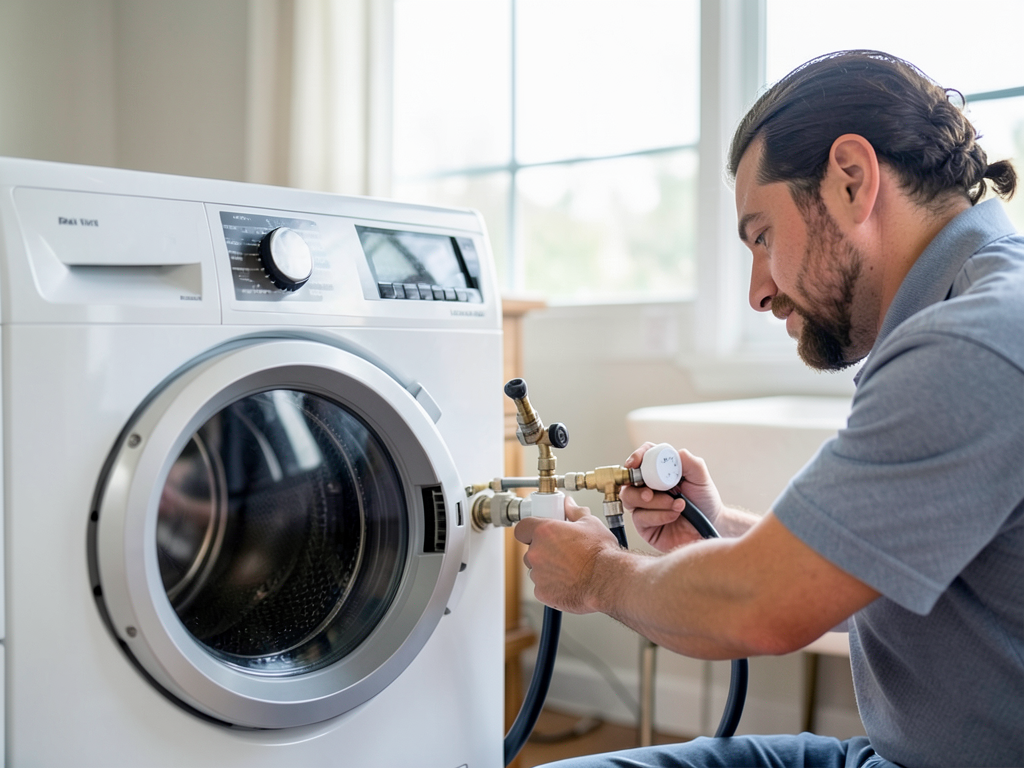
Diagram showing the installation of an automatic shut-off valve system on washing machine supply lines, including sensor placement and valve operation during leak detection.
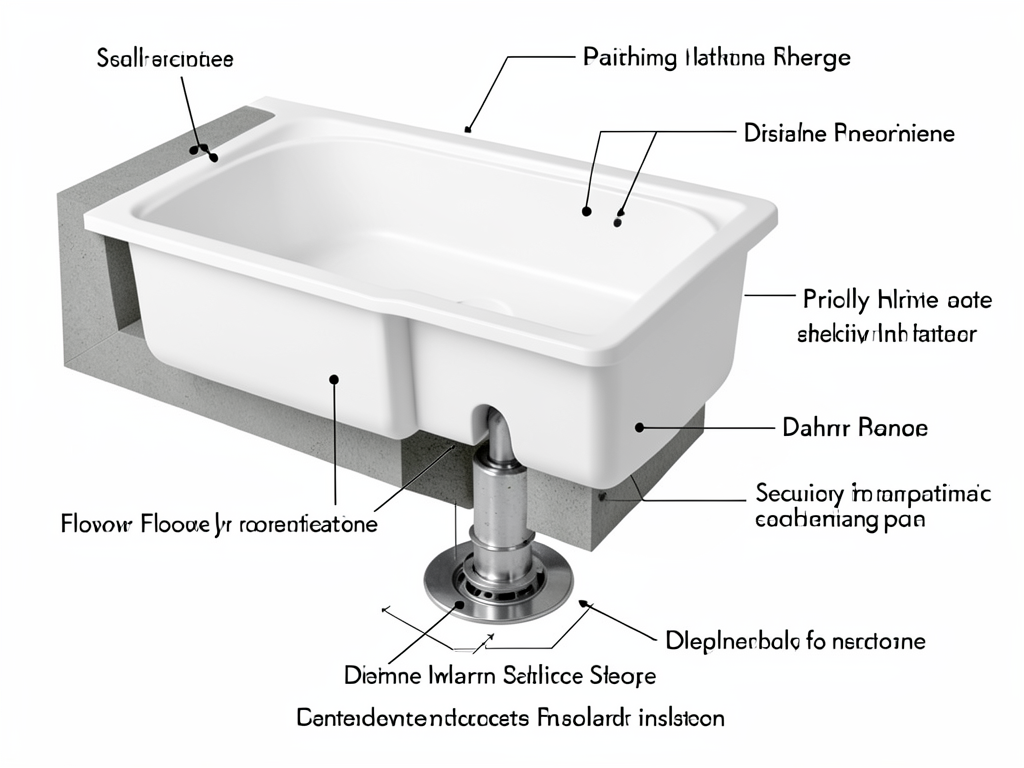
Cross-section illustration of a properly installed washing machine drain pan with integrated floor drain connection and secondary containment features.
Photo of a smart home leak detection panel showing real-time monitoring of multiple sensors throughout an apartment, including washing machine area, water heater, and under-sink locations.
Protecting your Park View apartment from laundry room floods requires understanding the unique risks of multi-story living and investing in appropriate prevention systems. The combination of aging infrastructure, high water pressure, and the concentrated damage potential of upper floor units makes flood prevention essential rather than optional. By implementing the strategies outlined in this guide—from basic hose replacement to comprehensive smart home integration—you can reduce your flood risk by over 90% while potentially saving thousands in repair costs.
The peace of mind that comes from knowing your home is protected is invaluable, but the financial protection is equally compelling. Prevention systems typically pay for themselves by avoiding even a single minor flood, while also providing insurance premium discounts and improving your property’s value. Whether you’re a long-time Park View resident or new to the neighborhood, taking action now to protect your laundry room is one of the smartest investments you can make in your home’s safety and your financial security.
Don’t wait for a flood to discover your vulnerabilities. Call (771) 223-8111 today to schedule a professional laundry room safety inspection. Our experienced technicians can identify potential problems, recommend appropriate prevention systems, and ensure all installations meet DC building codes. Protect your Park View home before the next disaster strikes—pick up the phone and call (771) 223-8111 before the next storm hits.
{
“@context”: “https://schema.org”,
“@type”: “BlogPosting”,
“headline”: “Preventing laundry room floods in your second floor apartment in Park View”,
“description”: “Protect your Park View second floor apartment from laundry room floods with expert prevention tips. Learn about automatic shut-off valves, flood pans, and smart leak detection systems.”,
“wordCount”: 4332,
“datePublished”: “2026-06-09T13:27:00.000Z”,
“dateModified”: “2026-06-09T13:27:00.000Z”,
“inLanguage”: “en-US”,
“mainEntityOfPage”: {
“@type”: “WebPage”,
“@id”: “https://crestlineplumbingwashingtondc.com”
},
“publisher”: {
“@type”: “LocalBusiness”,
“name”: “Crestline Plumbing Washington DC”,
“url”: “https://crestlineplumbingwashingtondc.com”
},
“author”: {
“@type”: “Organization”,
“name”: “Crestline Plumbing Washington DC”,
“url”: “https://crestlineplumbingwashingtondc.com”
},
“image”: {
“@type”: “ImageObject”,
“url”: “https://crestlineplumbingwashingtondc.com/wp-content/uploads/2026/03/preventing-laundry-room-floods-in-your-second-floo-1.png”
}
}
{
“@context”: “https://schema.org”,
“@type”: “Plumber”,
“name”: “Crestline Plumbing Washington DC”,
“url”: “https://crestlineplumbingwashingtondc.com”,
“address”: {
“@type”: “PostalAddress”,
“addressLocality”: “Washington DC”
},
“areaServed”: {
“@type”: “City”,
“name”: “Washington DC”
}
}
{
“@context”: “https://schema.org”,
“@type”: “FAQPage”,
“mainEntity”: [
{
“@type”: “Question”,
“name”: “How often should washing machine hoses be replaced?”,
“acceptedAnswer”: {
“@type”: “Answer”,
“text”: “Washing machine hoses should be replaced every 3-5 years regardless of visible condition. Internal deterioration often occurs without external signs, and the failure rate increases significantly after the third year of service. Replace hoses immediately if you notice any bulging, cracking, or moisture around connection points.”
}
},
{
“@type”: “Question”,
“name”: “Can I install automatic shut-off valves myself?”,
“acceptedAnswer”: {
“@type”: “Answer”,
“text”: “While some homeowners successfully install basic shut-off valves, professional installation is strongly recommended. These systems involve cutting into water supply lines and ensuring proper sensor placement. Professional installation ensures code compliance, proper function, and often includes warranties that might be voided by DIY installation.”
}
},
{
“@type”: “Question”,
“name”: “Will flood prevention systems affect my water pressure?”,
“acceptedAnswer”: {
“@type”: “Answer”,
“text”: “Quality flood prevention systems are designed to maintain normal water pressure when functioning properly. Some systems include pressure monitoring as part of their leak detection capabilities. If you notice pressure changes after installation, contact the installer to verify proper system function and adjustment.”
}
},
{
“@type”: “Question”,
“name”: “Are floor drain pans really necessary in apartments?”,
“acceptedAnswer”: {
“@type”: “Answer”,
“text”: “Yes, floor drain pans are essential for laundry room flood prevention in apartments. Building codes require them for new installations, and they provide critical protection even in existing units. The relatively small investment in a drain pan can prevent thousands in damage from minor overflows or hose failures.”
}
},
{
“@type”: “Question”,
“name”: “How do I know if my building has high water pressure?”,
“acceptedAnswer”: {
“@type”: “Answer”,
“text”: “High water pressure often manifests as noisy pipes, spitting faucets when first turned on, or premature appliance failures. You can test pressure with an inexpensive gauge from a hardware store. If pressure consistently exceeds 80 PSI, pressure-reducing valves are required by DC code and should be installed by a licensed plumber.”
}
},
{
“@type”: “Question”,
“name”: “What should I do if I discover a leak at night?”,
“acceptedAnswer”: {
“@type”: “Answer”,
“text”: “First, immediately shut off the water supply to your washing machine using the local shut-off valves. If you can’t locate these valves or the leak is severe, turn off the building’s main water supply. Then contact emergency plumbing services that offer 24/7 response. Document the damage with photos before beginning cleanup.”
}
},
{
“@type”: “Question”,
“name”: “Will prevention systems work if I’m on vacation?”,
“acceptedAnswer”: {
“@type”: “Answer”,
“text”: “Modern smart leak detection systems continue working when you’re away and can send alerts to your smartphone anywhere in the world. Some systems also offer professional monitoring services that provide backup protection by contacting you or emergency services if you don’t respond to alerts within a specified timeframe.”
}
},
{
“@type”: “Question”,
“name”: “Are there any tax benefits for installing flood prevention systems?”,
“acceptedAnswer”: {
“@type”: “Answer”,
“text”: “While there aren’t specific federal tax credits for residential flood prevention systems, some energy efficiency improvements that accompany these installations might qualify for tax benefits. Additionally, some local jurisdictions offer rebates for water conservation measures. Check with DC Water and your tax advisor for current incentive programs.”
}
}
]
}
{
“@context”: “https://schema.org”,
“@type”: “BreadcrumbList”,
“itemListElement”: [
{
“@type”: “ListItem”,
“position”: 1,
“name”: “Home”,
“item”: “https://crestlineplumbingwashingtondc.com”
},
{
“@type”: “ListItem”,
“position”: 2,
“name”: “Blog”,
“item”: “https://crestlineplumbingwashingtondc.com/blog”
},
{
“@type”: “ListItem”,
“position”: 3,
“name”: “Preventing laundry room floods in your second floor apartment in Park View”
}
]
}
{
“@context”: “https://schema.org”,
“@type”: “Service”,
“serviceType”: “Plumbing”,
“provider”: {
“@type”: “LocalBusiness”,
“name”: “Crestline Plumbing Washington DC”,
“url”: “https://crestlineplumbingwashingtondc.com”
},
“areaServed”: {
“@type”: “City”,
“name”: “Washington DC”
},
“description”: “Protect your Park View second floor apartment from laundry room floods with expert prevention tips. Learn about automatic shut-off valves, flood pans, and smart leak detection systems.”
}