
Living in Trinidad means dealing with DC’s unique sewer system layout. When a backup happens in your basement or a foul smell rises from your drains, the first question isn’t just ‘what’s wrong?’ but ‘who pays for this?’ The answer depends on exactly where the problem sits relative to your property line. DC Water.
DC Water owns and maintains the public sewer main under the street. As a homeowner, you own the sewer lateral that connects your house to that main. But the split isn’t always obvious. In most of Trinidad, the property line runs roughly from the front of your house to the edge of the public right-of-way, which can extend several feet into what looks like ‘your’ front yard. If the break or blockage is between your house and that property line, it’s your responsibility. If it’s in the main under the street, DC Water handles it. Emergency Water Shut-Off Service.
Confusing? You’re not alone. Many Trinidad residents have faced surprise repair bills because they assumed the city would cover it. The good news is that DC Water offers a Service Line Protection Program (SLPP) that can help with repair costs if you enroll before a failure occurs. And if you’re dealing with an active backup right now, DC Water will send an inspector to determine whether the clog is in your lateral or the public main—at no cost to you. Emergency Sump Pump Failure.
Understanding DC’s ‘Upper Lateral’ vs. ‘Lower Lateral’ Rules
DC’s sewer repair responsibility hinges on a simple geographic rule: everything from your house to the property line is yours. This includes the pipe under your front yard, sidewalk, and even part of the tree belt if you have one. The pipe from the property line to the main in the street is DC Water’s unless a specific failure in that section is caused by a problem that originated in your lateral.. Read more about Dealing with a shared sewer line when your neighbor has a clog in LeDroit Park.
The ‘cleanout’ pipe near your foundation is the key diagnostic point. If a plumber runs a camera and finds a blockage between the cleanout and the main, that’s your pipe. If the blockage is between the cleanout and your house, that’s also yours. Only if the blockage is in the main under the street does DC Water step in. Who to Call When You Need an Emergency Plumber in Georgetown Right Away.
DC Water’s regulations are spelled out in the District of Columbia Municipal Regulations (DCMR) Title 21, which governs all public works and utilities. The code is dense, but the takeaway is clear: homeowners are responsible for maintaining their sewer laterals in good working order, just like they maintain their roofs or HVAC systems. District of Columbia Municipal Regulations.
Common Causes of Sewer Failure in Trinidad Homes
Trinidad’s mix of historic rowhomes and newer infill buildings means a variety of pipe materials and ages. Many homes still have original clay or cast-iron laterals that are 50 to 80 years old. These materials are prone to cracking from ground shifting, especially after heavy rain or freeze-thaw cycles common in DC’s climate. Common Plumbing Problems in Historic Capitol Hill Rowhouses (and How We Fix Them).
Tree root intrusion is another frequent culprit. Mature trees along Morse Street and Trinidad Avenue send roots deep in search of water, and old clay joints are no match for aggressive growth. Once roots enter a pipe, they trap debris and create stubborn blockages that can cause sewage to back up into your home.
Ground shifting is exacerbated by DC’s clay-heavy soil, which expands when wet and contracts when dry. This movement puts stress on buried pipes, leading to offsets, cracks, and eventual collapse. If you’ve noticed slow drains or gurgling sounds in multiple fixtures, these could be early warning signs of a lateral problem.
DC Water’s Repair Credit and Assistance Programs
DC Water offers several programs to help homeowners manage repair costs. The Service Line Protection Program (SLPP) is a voluntary insurance-like plan that covers up to $6,000 per incident for repairs to your water and sewer lines. Enrollment is inexpensive—around $8 per month—and can save you thousands if a major failure occurs.
For low-income residents, DC Water has a Customer Assistance Program that can provide grants or low-interest loans for essential repairs. You must apply and meet income guidelines, but it’s worth exploring if a repair bill would be a financial hardship.
If you’re unsure whether your lateral is failing, DC Water will send a technician to inspect the public main at no charge. If they determine the blockage is in the main, they’ll clear it. If it’s in your lateral, they’ll advise you to contact a licensed plumber. This free diagnostic step can prevent you from paying for unnecessary repairs.
Steps to Take When You Suspect a Main Line Break
- Stop Using Water Immediately
Running sinks, toilets, or laundry can make a backup worse. Shut off the main water valve if you can’t stop the flow.
- Check for Multiple Fixture Issues
If more than one drain is slow or gurgling, the problem is likely in the lateral, not a single fixture.
- Call DC Water’s Emergency Line
Dial 202-612-3400. They’ll send an inspector to determine if the public main is blocked.
- Document the Damage
Take photos of any water or sewage in your home. This helps with insurance claims later.
- Contact a Licensed DC Plumber
If DC Water says the issue is in your lateral, get a camera inspection to locate the exact problem.
Contacting DC Water for an Inspection
DC Water’s emergency response team is available 24/7. When you call, be ready to describe the symptoms: slow drains, gurgling toilets, sewage smells, or visible backups. They’ll ask for your address and may request your account number, which is on your water bill.
The inspector will use a specialized probe to test the main line. If they find a blockage in the public main, they’ll clear it on the spot. If the main is clear, they’ll inform you that the issue is in your lateral and advise you to call a plumber. This step is crucial because it establishes whether DC Water or you are responsible for the repair.
Keep in mind that DC Water’s inspection is only for the public main. They won’t inspect your lateral unless there’s a confirmed issue in the main that they can fix. That’s why the next step—hiring a plumber—is often necessary.
Hiring a Licensed DC Plumber for Camera Inspections
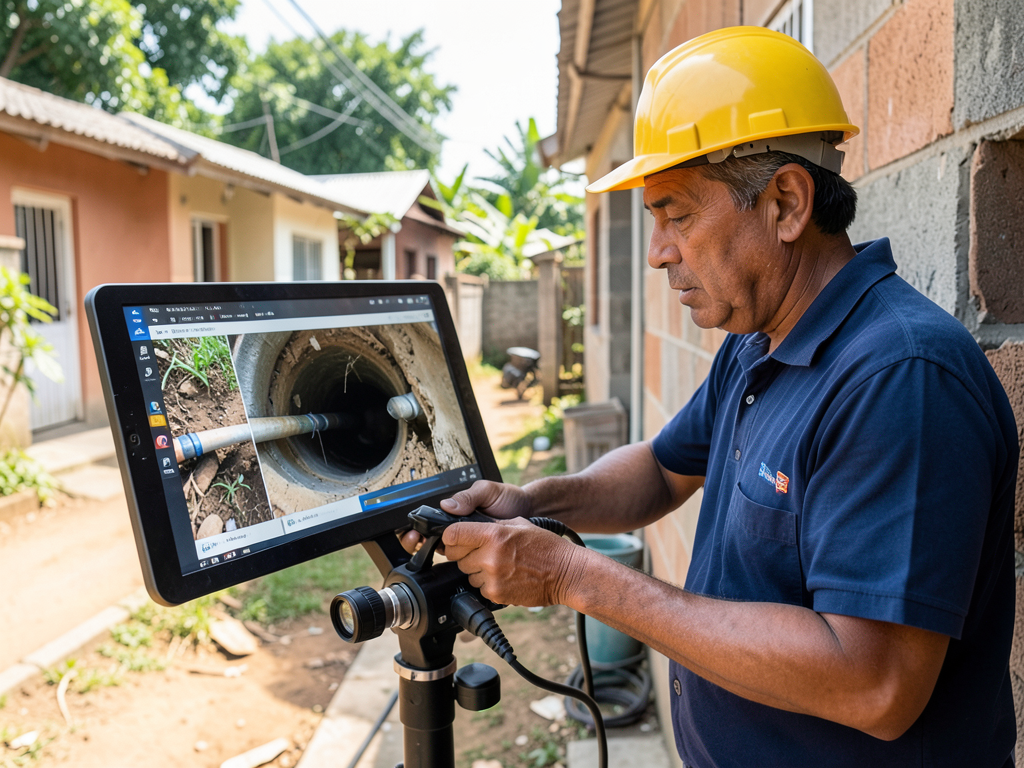
Once DC Water confirms the problem is in your lateral, a licensed DC plumber can run a camera through the line to pinpoint the exact location and nature of the damage. This diagnostic step is essential because it tells you whether you need a simple cleanout, a spot repair, or a full lateral replacement.
Camera inspections cost between $300 and $500 in DC, depending on the length of the line and the complexity of the access. The plumber will provide a video recording and a report showing the pipe’s condition, any cracks, offsets, or root intrusions, and the recommended repair method.
Look for a plumber with a valid DC Plumbing License (license number should be on their truck and paperwork). Ask if they’re familiar with DC Water’s lateral regulations and whether they can help with permit applications if excavation is needed. Some plumbers also work directly with DC Water’s SLPP administrators if you’re enrolled.
Cost Expectations for Sewer Repairs in DC
Repair costs vary widely based on the damage and repair method. A simple cleanout for minor root intrusion might cost $500 to $1,000. Spot repairs for small cracks or offsets range from $1,500 to $3,000. Full lateral replacements using traditional trenching can run $5,000 to $10,000, while trenchless methods like pipe bursting or lining often cost 20% to 30% more but save your landscaping and sidewalk.
DC Water’s SLPP can cover up to $6,000 per incident, which helps with many common repairs. However, if your repair exceeds that amount, you’ll be responsible for the difference. Always get a written estimate before work begins, and ask if the plumber can bill DC Water directly if you’re enrolled in SLPP.
Historic Trinidad homes may face additional complications. If your lateral runs under a shared driveway or through a narrow alley, permits from the District Department of Transportation (DDOT) may be required before excavation. These permits add time and cost but are mandatory for any work in public space.
Preventing Future Sewer Problems in Trinidad
Preventive maintenance is the best way to avoid surprise repair bills. Have your lateral inspected every 5 to 7 years with a camera, especially if your home is over 50 years old. This can catch small issues before they become emergencies.
Be mindful of what goes down your drains. Grease, wipes, and feminine products can accumulate in old pipes and create stubborn blockages. Even ‘flushable’ wipes don’t break down like toilet paper and are a common cause of lateral clogs.
If you have large trees near your sewer line, consider root treatment every few years. Plumbers can apply foaming root killers that inhibit growth without harming the tree. This is far cheaper than excavating to remove roots after they’ve caused a break.
Finally, consider enrolling in DC Water’s SLPP if you haven’t already. For less than the cost of a single dinner out each month, you can protect yourself from a $5,000 to $10,000 repair bill. It’s one of the smartest investments a DC homeowner can make.
When to Call a Professional Immediately
Don’t wait if you notice sewage backing up into your home, multiple drains gurgling, or a persistent sewage smell in your basement or yard. These are signs of a serious blockage that can cause extensive water damage and health hazards. Don’t Let Your Basement Flood—Expert Sump Pump Repair and Maintenance in Northwest DC.
Also call right away if you see soggy spots in your front yard that smell like sewage, or if your drains are slow but plunging doesn’t help. These symptoms often indicate a break in the lateral that’s allowing sewage to escape into the soil.
Time matters. The longer sewage sits in your home, the more damage it causes to floors, walls, and personal belongings. Mold can start growing within 24 to 48 hours in a damp environment. If you’re in doubt, it’s better to call a professional for a quick inspection than to risk a small problem becoming a major disaster.
Remember, DC Water’s emergency line is 202-612-3400 and is available 24/7. If you’re in Trinidad and facing a sewer emergency, that’s your first call. After that, a licensed DC plumber can help you navigate the repair process and get your home back to normal.
Frequently Asked Questions
Who is responsible for the sewer line from my house to the street in DC?
As a homeowner in DC, you are responsible for the sewer lateral from your house to the property line. DC Water maintains the public main under the street. The exact property line can extend into what looks like your front yard, so check before assuming the city will pay.
How do I know if the blockage is in my lateral or the public main?
Call DC Water at 202-612-3400. They’ll send an inspector to test the public main at no cost. If the main is clear, the issue is in your lateral and you’ll need a licensed plumber to inspect it with a camera.
What is DC Water’s Service Line Protection Program?
SLPP is a voluntary plan that covers up to $6,000 per incident for repairs to your water and sewer lines. It costs about $8 per month and can save you thousands if a major failure occurs. Enrollment is required before a problem happens.
Do I need a permit to repair my sewer lateral in Trinidad?
If the repair involves digging in public space like the sidewalk or tree belt, you’ll need a permit from DDOT. Your plumber can usually handle the permit application. Repairs entirely within your private property typically don’t require a city permit.
How much does a sewer camera inspection cost in DC?
A camera inspection in DC typically costs between $300 and $500. It shows the exact location and nature of any damage, helping you decide between a simple cleanout, spot repair, or full replacement.
Call (771) 223-8111 Today to Schedule Your Inspection
Don’t let a sewer problem turn into a disaster. If you’re in Trinidad and suspect a blockage or break in your lateral, call (771) 223-8111 now. Our licensed DC plumbers can perform a camera inspection, diagnose the issue, and get you on the path to a quick, professional repair. We’re familiar with DC Water regulations, can help with permits, and offer upfront pricing so you know exactly what to expect. Pick up the phone and call (771) 223-8111 before the next storm hits.
{
“@context”: “https://schema.org”,
“@type”: “BlogPosting”,
“headline”: “Who is responsible for sewer line repairs in front of your Trinidad home?”,
“description”: “Confused about who pays for sewer repairs in front of your DC home? Learn where DC Water’s responsibility ends and yours begins, plus how to avoid costly mistakes.”,
“wordCount”: 2139,
“datePublished”: “2026-06-01T15:18:00.000Z”,
“dateModified”: “2026-06-01T15:18:00.000Z”,
“inLanguage”: “en-US”,
“mainEntityOfPage”: {
“@type”: “WebPage”,
“@id”: “https://crestlineplumbingwashingtondc.com”
},
“publisher”: {
“@type”: “LocalBusiness”,
“name”: “Crestline Plumbing Washington DC”,
“url”: “https://crestlineplumbingwashingtondc.com”
},
“author”: {
“@type”: “Organization”,
“name”: “Crestline Plumbing Washington DC”,
“url”: “https://crestlineplumbingwashingtondc.com”
},
“image”: {
“@type”: “ImageObject”,
“url”: “https://crestlineplumbingwashingtondc.com/wp-content/uploads/2026/03/who-is-responsible-for-sewer-line-repairs-in-front-1.png”
}
}
{
“@context”: “https://schema.org”,
“@type”: “Plumber”,
“name”: “Crestline Plumbing Washington DC”,
“url”: “https://crestlineplumbingwashingtondc.com”,
“address”: {
“@type”: “PostalAddress”,
“addressLocality”: “Washington DC”
},
“areaServed”: {
“@type”: “City”,
“name”: “Washington DC”
}
}
{
“@context”: “https://schema.org”,
“@type”: “FAQPage”,
“mainEntity”: [
{
“@type”: “Question”,
“name”: “Who is responsible for the sewer line from my house to the street in DC?”,
“acceptedAnswer”: {
“@type”: “Answer”,
“text”: “As a homeowner in DC, you are responsible for the sewer lateral from your house to the property line. DC Water maintains the public main under the street. The exact property line can extend into what looks like your front yard, so check before assuming the city will pay.”
}
},
{
“@type”: “Question”,
“name”: “How do I know if the blockage is in my lateral or the public main?”,
“acceptedAnswer”: {
“@type”: “Answer”,
“text”: “Call DC Water at 202-612-3400. They’ll send an inspector to test the public main at no cost. If the main is clear, the issue is in your lateral and you’ll need a licensed plumber to inspect it with a camera.”
}
},
{
“@type”: “Question”,
“name”: “What is DC Water’s Service Line Protection Program?”,
“acceptedAnswer”: {
“@type”: “Answer”,
“text”: “SLPP is a voluntary plan that covers up to $6,000 per incident for repairs to your water and sewer lines. It costs about $8 per month and can save you thousands if a major failure occurs. Enrollment is required before a problem happens.”
}
},
{
“@type”: “Question”,
“name”: “Do I need a permit to repair my sewer lateral in Trinidad?”,
“acceptedAnswer”: {
“@type”: “Answer”,
“text”: “If the repair involves digging in public space like the sidewalk or tree belt, you’ll need a permit from DDOT. Your plumber can usually handle the permit application. Repairs entirely within your private property typically don’t require a city permit.”
}
},
{
“@type”: “Question”,
“name”: “How much does a sewer camera inspection cost in DC?”,
“acceptedAnswer”: {
“@type”: “Answer”,
“text”: “A camera inspection in DC typically costs between $300 and $500. It shows the exact location and nature of any damage, helping you decide between a simple cleanout, spot repair, or full replacement.”
}
}
]
}
{
“@context”: “https://schema.org”,
“@type”: “HowTo”,
“name”: “How to Handle a Suspected Sewer Line Break”,
“step”: [
{
“@type”: “HowToStep”,
“position”: 1,
“name”: “Stop Using Water Immediately”,
“text”: “Running sinks, toilets, or laundry can make a backup worse. Shut off the main water valve if you can’t stop the flow.”
},
{
“@type”: “HowToStep”,
“position”: 2,
“name”: “Check for Multiple Fixture Issues”,
“text”: “If more than one drain is slow or gurgling, the problem is likely in the lateral, not a single fixture.”
},
{
“@type”: “HowToStep”,
“position”: 3,
“name”: “Call DC Water’s Emergency Line”,
“text”: “Dial 202-612-3400. They’ll send an inspector to determine if the public main is blocked.”
},
{
“@type”: “HowToStep”,
“position”: 4,
“name”: “Document the Damage”,
“text”: “Take photos of any water or sewage in your home. This helps with insurance claims later.”
},
{
“@type”: “HowToStep”,
“position”: 5,
“name”: “Contact a Licensed DC Plumber”,
“text”: “If DC Water says the issue is in your lateral, get a camera inspection to locate the exact problem.”
}
],
“image”: “https://crestlineplumbingwashingtondc.com/wp-content/uploads/2026/03/who-is-responsible-for-sewer-line-repairs-in-front-1.png”
}
{
“@context”: “https://schema.org”,
“@type”: “BreadcrumbList”,
“itemListElement”: [
{
“@type”: “ListItem”,
“position”: 1,
“name”: “Home”,
“item”: “https://crestlineplumbingwashingtondc.com”
},
{
“@type”: “ListItem”,
“position”: 2,
“name”: “Blog”,
“item”: “https://crestlineplumbingwashingtondc.com/blog”
},
{
“@type”: “ListItem”,
“position”: 3,
“name”: “Who is responsible for sewer line repairs in front of your Trinidad home?”
}
]
}
{
“@context”: “https://schema.org”,
“@type”: “Service”,
“serviceType”: “Plumbing”,
“provider”: {
“@type”: “LocalBusiness”,
“name”: “Crestline Plumbing Washington DC”,
“url”: “https://crestlineplumbingwashingtondc.com”
},
“areaServed”: {
“@type”: “City”,
“name”: “Washington DC”
},
“description”: “Confused about who pays for sewer repairs in front of your DC home? Learn where DC Water’s responsibility ends and yours begins, plus how to avoid costly mistakes.”
}