
How to Tell if Your Historic Bloomingdale Home Still Has Lead Service Lines
If you live in a historic Bloomingdale home built before 1950, there’s a good chance your drinking water passes through lead pipes. Lead service lines can leach harmful metals into your water, especially when the water sits in the pipes overnight or during extended periods of non-use. The good news is that DC Water’s Lead Free DC program offers financial assistance to replace these dangerous pipes, and you can take simple steps today to find out if your home is affected.. Read more about Why the Water Pressure in Your Palisades Home Feels Weak (and How We Can Boost It).
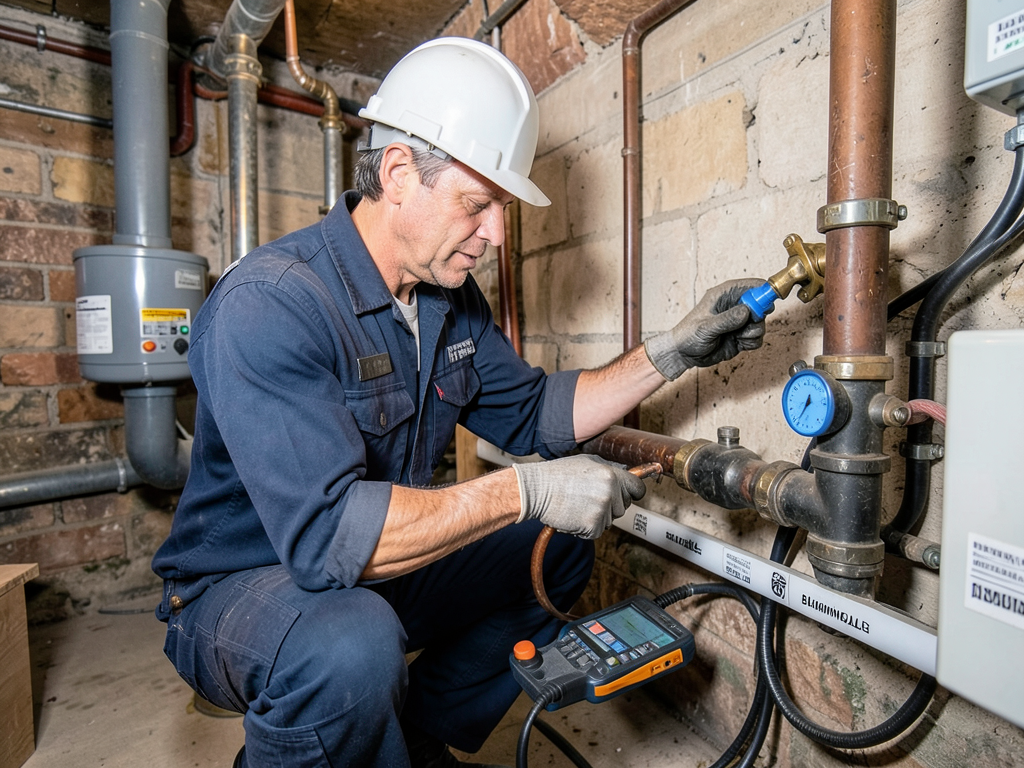
Lead pipes look dull gray, feel soft when scratched with a screwdriver, and leave a shiny mark on the metal. You’ll typically find them in the basement where the water line enters your home, or you can check the service line in your front yard. A licensed plumber can perform a professional inspection using specialized tools to confirm the pipe material without digging up your property. Who to Call When You Need an Emergency Plumber in Georgetown Right Away.
Lead exposure is especially dangerous for children and pregnant women, potentially causing developmental delays, learning difficulties, and other serious health problems. Even low levels of lead can affect adults, causing high blood pressure and kidney issues over time. The Centers for Disease Control and Prevention states there is no safe level of lead exposure. Centers for Disease Control and Prevention.
DC Water maintains a digital service line map that shows which properties likely have lead pipes based on historical records. You can enter your address to see if your home is in a high-risk area. However, this map isn’t always 100% accurate since records from the early 1900s can be incomplete or incorrect.
If you discover lead pipes in your Bloomingdale home, you have options. DC Water’s Lead Pipe Replacement Assistance Program (LPRAP) can cover 50% to 100% of replacement costs depending on your income level and property type. The program requires both the public side (from the street to your property line) and private side (from your property line to your home) to be replaced simultaneously to be effective.
Replacing lead service lines typically takes 1-3 days once permits are approved. The process involves excavating the old pipes, installing new copper or PEX piping, and restoring your yard. Modern materials like Type K copper or PEX-A are now standard for water service lines in DC, offering decades of reliable service without the health risks of lead. Safely Installing New Gas Lines for Your DC Kitchen Remodel.
Don’t wait to find out if your home has lead pipes. Call (771) 223-8111 today to schedule a professional inspection. Our licensed plumbers can identify your pipe material, explain your replacement options, and help you navigate DC Water’s assistance programs. Protect your family’s health with a simple phone call.. Read more about Why You Need a Sewer Camera Inspection Before Buying a Home in Friendship Heights.
Common Signs Your Bloomingdale Home May Have Lead Service Lines
Lead pipes have distinct characteristics that make them identifiable to trained professionals. Understanding what to look for can help you determine if your historic Bloomingdale home needs inspection.
Visual inspection is your first step. Lead pipes appear dull gray and don’t shine like copper or galvanized steel. When you gently scratch the surface with a screwdriver or coin, lead leaves a shiny, silver mark that quickly dulls. This soft metal can be easily marked or dented with moderate pressure.. Read more about PEX vs Copper Piping for Your Next Whole-Home Repipe in Chevy Chase DC.
Age is a major indicator. Homes built in Bloomingdale between 1880 and 1950 are most likely to have lead service lines, as this was a common practice before health concerns were widely recognized. The neighborhood’s historic character means many homes retain their original plumbing infrastructure. Common Plumbing Problems in Historic Capitol Hill Rowhouses (and How We Fix Them).
Connection types also provide clues. Lead pipes often connect to copper or galvanized pipes using a “wiped joint” – a bulbous, hand-soldered connection that looks different from modern compression fittings. These joints appear as smooth, rounded connections without visible threads or compression nuts.
Location matters too. Service lines in older Bloomingdale homes typically enter through the basement floor near the front of the house, following the path from the street water main. If you see gray, soft metal pipes in this area, they warrant closer inspection. Don’t Let Your Basement Flood—Expert Sump Pump Repair and Maintenance in Northwest DC.
Water quality changes can indicate lead contamination. If your water develops a metallic taste, appears cloudy, or causes blue-green stains on fixtures, these could be signs of pipe deterioration. However, lead itself is odorless and colorless, so these symptoms don’t confirm lead presence but suggest pipe issues.
Professional testing provides definitive answers. A plumber can use X-ray fluorescence (XRF) analyzers or take small samples for laboratory analysis. These methods cost between $150-300 but give you absolute certainty about your pipe material.. Read more about Deciding Between Point-of-Use and Whole-House Water Filtration for Your H Street Apartment.
DC Water also offers free lead testing kits to residents. You can request a kit online or by phone, collect water samples from your tap, and mail them to a certified laboratory. Results typically arrive within 2-3 weeks and show lead levels in parts per billion.
Don’t assume your pipes are safe just because your water tastes fine. Lead dissolves slowly and can accumulate to dangerous levels without obvious warning signs. Call (771) 223-8111 to schedule a professional inspection before health problems develop.
DC Water’s Lead Free DC Program: What Homeowners Need to Know
DC Water’s Lead Free DC initiative represents one of the most comprehensive lead pipe replacement programs in the nation. Understanding how this program works can save you thousands of dollars and protect your family’s health.
The Lead Pipe Replacement Assistance Program (LPRAP) provides financial assistance for replacing both public and private lead service lines. The program covers 50% of replacement costs for most homeowners, with additional subsidies available for income-qualified residents. Some low-income households may qualify for 100% coverage.
Income qualifications follow Department of Housing and Urban Development (HUD) guidelines. For a family of four in 2026, annual income below $94,500 may qualify for enhanced assistance. Single homeowners and seniors often qualify at higher income thresholds due to reduced household size.
The program requires coordinated replacement of both public and private sides of the service line. DC Water replaces the public portion (from the water main to your property line) while homeowners handle the private portion (from the property line to your home). This coordination ensures the replacement is effective and prevents lead contamination from the public side.
Permit requirements come through DC Water and the Department of Energy and Environment (DOEE). Your licensed plumber handles permit applications, but understanding the timeline helps you plan. Permits typically take 2-4 weeks to approve, and replacement work must follow specific protocols to maintain water service during construction.
Property eligibility depends on several factors. Homes must be within DC Water’s service area, and the property must have a confirmed lead service line. DC Water’s digital map provides initial screening, but physical inspection is required for program enrollment.
Timeline expectations vary by season and contractor availability. Summer months see higher demand, potentially extending wait times to 8-12 weeks from application to completion. Winter replacements may face weather delays but often have shorter wait times due to reduced demand.
Cost factors beyond program assistance include private plumbing contractor fees, restoration of landscaping or pavement, and any necessary upgrades to meet current code requirements. While the program covers pipe replacement, homeowners are responsible for restoring driveways, sidewalks, or landscaping disturbed during excavation.. Read more about Expert Plumbing Support for Your Shaw Neighborhood Home Renovation.
Property value impacts can be significant. Homes with confirmed lead pipe replacement often see improved marketability and may avoid future disclosure requirements. Some buyers actively seek properties with updated plumbing infrastructure, viewing it as a valuable upgrade.. Read more about Common Radiator Plumbing Issues in Older Kalorama Estates and How to Solve Them.
Documentation requirements include proof of ownership, income verification for subsidy qualification, and authorization for DC Water to access the public right-of-way. Your plumber can help gather these documents and submit complete applications to avoid processing delays.
Don’t let cost concerns prevent you from addressing lead pipes. Call (771) 223-8111 to learn about your specific situation and how the Lead Free DC program can make replacement affordable. Every month you wait is another month of potential lead exposure for your family.
Step-by-Step Guide to Identifying Lead Pipes in Your Basement
Identifying lead pipes in your Bloomingdale home requires careful observation and simple tools. Follow this step-by-step process to check your plumbing without causing damage or creating safety hazards.
Step 1: Locate the main water line entry point. In most Bloomingdale row homes, the water service line enters through the basement floor near the front of the house, typically within 5-10 feet of the front foundation wall. Look for a 1-inch to 1.5-inch diameter pipe emerging from the concrete floor or running along the basement wall.
Step 2: Examine the pipe material and appearance. Lead pipes appear dull gray and lack the shiny copper color or silver galvanized steel appearance. They often have a soft, almost waxy look to their surface. The pipe should be straight and rigid, not flexible like PEX tubing.
Step 3: Perform the scratch test safely. Use a flathead screwdriver to gently scratch an inconspicuous area of the pipe. Lead will leave a shiny, silver mark that quickly dulls to gray. The metal should feel soft – you can make a visible mark with moderate pressure. Never use excessive force that could damage the pipe.
Step 4: Check pipe connections and joints. Lead pipes often connect to other materials using wiped joints – bulbous, hand-soldered connections that look different from modern compression fittings. These joints appear as smooth, rounded connections without visible threads or nuts.
Step 5: Look for manufacturer markings or stamps. Some lead pipes have raised letters or numbers indicating the manufacturer or casting date. These markings often appear as raised text along the pipe length and can help confirm the pipe’s age and origin.
Step 6: Check for corrosion patterns. Lead develops a white or gray powdery oxidation on its surface over time. This corrosion looks different from the rust on steel pipes or the green patina on copper. Heavy corrosion may indicate advanced pipe deterioration.
Step 7: Assess pipe flexibility. Lead is softer than other common pipe materials. If you can gently press the pipe and see it flex slightly under moderate thumb pressure, this suggests lead composition. However, be extremely careful not to damage the pipe or create leaks.
Step 8: Document your findings. Take clear photos of the pipe, connections, and any markings. Note the pipe’s location, diameter, and any visible identification. This information helps plumbers provide accurate estimates and determines if your pipes qualify for replacement programs.
Step 9: Consider professional verification. If you’re unsure about your assessment or if the pipes are in difficult-to-access locations, schedule a professional inspection. Plumbers use specialized tools like magnetic locators and XRF analyzers to confirm pipe material without destructive testing.
Step 10: Test your water quality. Even if you don’t find visible lead pipes, consider having your water tested for lead content. Some homes have lead solder joints or brass fixtures that can contribute to lead exposure. DC Water offers free testing kits to residents concerned about water quality.
Safety note: Never attempt to remove or extensively modify lead pipes yourself. Lead dust and particles pose serious health risks. If you confirm lead pipes, contact a licensed professional for proper handling and replacement procedures.
Still unsure about your plumbing? Call (771) 223-8111 for a professional inspection. Our experienced plumbers can quickly identify your pipe material and recommend the safest course of action for your Bloomingdale home.
Comparing Replacement Materials: Copper vs. PEX for Your Service Line
Once you’ve identified lead pipes in your Bloomingdale home, you’ll need to choose replacement materials. Both copper and PEX offer advantages for water service lines, and understanding their differences helps you make the best choice for your property.
Copper piping has served as the gold standard for water service lines for over a century. Type K copper, the thickest grade used for underground service lines, offers exceptional durability with a 50-70 year lifespan. Its natural resistance to UV damage and ability to withstand high temperatures make it ideal for DC’s climate extremes.
Installation characteristics favor copper in certain situations. The rigid nature of copper pipes means they won’t sag or shift over time, maintaining consistent slope for proper drainage. Copper’s rigidity also provides better protection against underground root intrusion and soil movement, particularly important in Bloomingdale’s older properties with mature tree root systems.
Cost considerations show copper typically runs $15-25 per linear foot installed, including excavation and restoration. While more expensive upfront than PEX, copper’s longevity often provides better long-term value. The material’s recyclability also appeals to environmentally conscious homeowners concerned about sustainability.
PEX (cross-linked polyethylene) has gained popularity for water service lines over the past decade. This flexible tubing costs $8-15 per linear foot installed and offers several installation advantages. PEX’s flexibility allows it to bend around obstacles without joints, reducing potential leak points and speeding installation time.
Freeze resistance makes PEX particularly attractive for Bloomingdale’s older homes. The material expands slightly when frozen without cracking, then returns to shape when thawed. This characteristic can prevent costly burst pipe repairs during severe winter weather, though proper insulation remains important.
Corrosion resistance provides another PEX advantage. Unlike metal pipes, PEX won’t corrode from soil chemistry or develop pinhole leaks over time. This makes it ideal for properties with acidic soil conditions or high mineral content in the water supply.
Installation methods differ significantly between materials. Copper requires careful measuring, cutting, and soldering of joints, while PEX uses compression fittings that don’t require open flame. This makes PEX installation faster and often less disruptive to surrounding landscaping or structures.
Code compliance varies by jurisdiction. DC Water accepts both materials for service line replacement, but local building codes may have specific requirements. Type K copper remains the preferred choice for main water service lines in many historic districts, while PEX gains acceptance for secondary lines and retrofits.
Water quality considerations affect material choice. Copper can slightly increase water alkalinity, potentially affecting taste for sensitive individuals. PEX doesn’t affect water chemistry but may allow minimal oxygen permeation over decades, potentially affecting closed-loop heating systems if the service line also serves heating functions.
Environmental impact differs between options. Copper mining and processing require significant energy but produce highly recyclable material. PEX manufacturing uses less energy but creates plastic waste that’s harder to recycle. Both materials offer decades of service, reducing replacement frequency compared to lead pipes.
Property characteristics influence optimal material selection. Narrow lots with limited excavation space often favor PEX’s flexibility, while properties with extensive landscaping might benefit from copper’s durability against root intrusion. Your plumber can assess site-specific factors to recommend the best choice.
Ready to replace your lead service line? Call (771) 223-8111 to discuss material options for your specific Bloomingdale property. We’ll help you choose the right solution for your home, budget, and long-term needs.
The Replacement Process: What to Expect During Lead Pipe Removal
Understanding the lead service line replacement process helps you prepare for the temporary disruption and ensures a smooth project from start to finish. Here’s what happens during a typical replacement in a historic Bloomingdale home.
Initial site assessment begins with your licensed plumber evaluating the existing pipe configuration, access points, and potential obstacles. This inspection identifies whether trenchless or traditional excavation methods work best for your property. Factors like tree locations, pavement, and underground utilities influence the approach.
Permit acquisition follows the assessment. Your plumber submits applications to DC Water, the Department of Energy and Environment, and the Department of Transportation. This process typically takes 2-4 weeks, though expedited permits may be available for urgent health concerns. Your contractor handles all paperwork and coordinates inspections.
Utility location services mark underground lines before excavation begins. Washington Gas, Pepco, and telecommunications companies identify their infrastructure to prevent damage during digging. This step prevents service interruptions and potential safety hazards from damaged utility lines.
Water service shutdown occurs on replacement day. Your plumber isolates the affected section and shuts off water to your home, typically between 8-9 AM. Most homes have functioning shut-off valves, but older Bloomingdale properties might need valve replacement if existing ones fail or leak.
Excavation begins once utilities are marked and water is shut off. Traditional methods involve digging a trench from the street water main to your home’s basement. This process takes 4-8 hours depending on soil conditions, obstacles, and pipe depth. Bloomingdale’s clay soil can slow excavation compared to sandy soils.
Trenchless alternatives may be available for some properties. This method uses hydraulic bursting to break the old pipe while simultaneously pulling the new pipe through the space. Trenchless replacement reduces yard damage and completes in 2-3 hours, though it costs 20-30% more than traditional excavation.
Pipe removal follows excavation. Lead pipes require careful handling due to toxicity concerns. Your plumber cuts the old pipe into manageable sections and removes it from the trench. Proper disposal follows EPA guidelines for lead-containing materials, ensuring environmental protection.
New pipe installation begins immediately after removal. Your plumber measures and cuts replacement piping, whether copper or PEX, then installs it according to manufacturer specifications and local codes. Connections receive pressure testing to verify leak-free installation before backfilling.
Water service restoration occurs once installation passes inspection. Your plumber turns the water back on, typically by early afternoon. They check all fixtures for proper operation and address any air in the lines by running water through all taps until flow stabilizes.
Site restoration follows successful testing. Your plumber backfills the trench, compacts soil to prevent settling, and restores any disturbed landscaping or pavement. This work may extend into the next day for extensive restoration requirements.
Final inspection and documentation complete the process. DC Water or DOEE inspectors verify proper installation, and your plumber provides documentation of the work for your records. This documentation proves valuable for future property sales or permit applications.
Timeline expectations vary by project complexity. Simple replacements in accessible locations finish in one day, while projects involving pavement removal, tree roots, or coordination with multiple utilities may extend to 2-3 days. Your plumber provides specific timeline estimates during the planning phase.
Ready to start your replacement project? Call (771) 223-8111 to schedule your assessment. Our experienced team handles every aspect of lead service line replacement, from permits to final restoration, ensuring a smooth process with minimal disruption to your daily life.
Financial Assistance and Cost Considerations for DC Homeowners
Replacing lead service lines involves significant costs, but multiple financial assistance programs can make this essential health improvement affordable for DC homeowners. Understanding these options helps you budget effectively and access available support.
DC Water’s Lead Pipe Replacement Assistance Program (LPRAP) forms the foundation of financial support. The program covers 50% of replacement costs for most homeowners, with enhanced subsidies for income-qualified residents. Maximum benefits vary by property type and income level, potentially covering the entire replacement cost for qualifying low-income households.
Income qualification follows HUD guidelines adjusted for DC’s high cost of living. For a family of four in 2026, annual income below $94,500 may qualify for enhanced assistance. Single homeowners and seniors often qualify at higher income thresholds due to reduced household size. Your plumber can help determine your qualification status during initial consultation.
Property type affects benefit levels. Single-family homes typically receive standard benefits, while multi-unit properties may qualify for enhanced assistance due to serving more residents. Historic properties in designated districts might qualify for additional preservation grants through the DC Historic Preservation Office.
Cost breakdown shows typical replacement expenses. Professional removal and replacement of lead service lines costs $3,000-8,000 depending on pipe length, accessibility, and chosen materials. Additional expenses include permit fees ($200-500), restoration of landscaping or pavement ($500-3,000), and potential plumbing upgrades to meet current codes ($500-2,000).
Payment options extend beyond program assistance. Many plumbing contractors offer financing plans with 6-18 month terms, allowing you to spread costs over time. Some local credit unions provide home improvement loans with favorable terms for health and safety upgrades like lead pipe replacement.
Insurance considerations affect out-of-pocket costs. Standard homeowner’s insurance rarely covers lead pipe replacement since it’s considered a maintenance issue rather than sudden damage. However, some policies offer riders for plumbing upgrades, and replacement might prevent future claims related to pipe failures. Emergency Sump Pump Failure.
Property value impacts provide long-term financial benefits. Homes with confirmed lead pipe replacement often see improved marketability and may avoid future disclosure requirements. Some buyers actively seek properties with updated plumbing infrastructure, potentially increasing your home’s resale value by more than the replacement cost.
Timeline affects financing options. Applying for assistance programs takes 2-4 weeks, while contractor scheduling adds another 4-8 weeks during peak seasons. Planning ahead allows you to explore all financing options and potentially save for your portion of the costs.
DIY considerations rarely apply to lead pipe replacement. The health risks of handling lead pipes, permit requirements, and technical complexity make professional replacement essential. Attempting DIY removal could create lead dust hazards and violate local codes, potentially resulting in fines or required professional remediation.
Community resources extend beyond DC Water programs. Local non-profits sometimes offer emergency assistance for health-related home repairs, and some neighborhood associations provide information about bulk replacement programs or group discounts when multiple homes on a block need service.
Tax implications may apply to your replacement project. While lead pipe replacement doesn’t qualify for federal tax credits like some energy improvements, the work might be tax-deductible if recommended by a physician for specific health conditions. Consult a tax professional about your situation.
Ready to explore your financial options? Call (771) 223-8111 for a free consultation. We’ll help you understand available assistance programs and develop a plan that makes lead pipe replacement affordable for your Bloomingdale home.
Protecting Your Family During and After Lead Pipe Replacement
Lead pipe replacement involves temporary disruptions and potential exposure risks that require careful management. Understanding how to protect your family during this process ensures everyone stays safe throughout the project.
Pre-replacement preparation starts with establishing a safe zone around the work area. Keep children and pets away from the basement or yard where replacement occurs. Lead dust and debris pose serious health risks, especially to young children who might touch contaminated surfaces then put their hands in their mouths.
Water usage restrictions apply during replacement. Your plumber will shut off water service for several hours, typically 6-8 hours for most projects. Plan for this disruption by filling containers with drinking water beforehand, arranging alternative bathroom facilities if needed, and scheduling the work during convenient times.
Food preparation areas need protection from construction dust. Cover kitchen counters, dining tables, and food storage areas with plastic sheeting. Remove or cover dishes, utensils, and food items to prevent contamination from airborne particles generated during pipe removal.
Air quality management becomes important during demolition. Lead dust can become airborne during pipe cutting and removal. Your plumber should use dust containment systems, wet cutting methods, and HEPA air filtration to minimize airborne particles. Consider leaving the home during active demolition if anyone has respiratory sensitivities.
Personal protective equipment protects workers and residents. Professional plumbers wear respirators, gloves, and protective clothing when handling lead pipes. Ask about their safety protocols and whether you need to take any special precautions during the project.
Post-replacement flushing requirements ensure water safety. After new pipes install, your plumber will flush the system thoroughly to remove any debris or residual contamination. This process typically involves running water through all taps for 15-30 minutes and may need repetition over the first few days.
Water testing verifies system safety. Even with new pipes, testing confirms lead levels meet EPA standards of less than 15 parts per billion. Many plumbers include initial testing in their replacement services, but you can also request testing through DC Water’s free lead testing program.
Filter considerations affect immediate water use. While new pipes eliminate lead from the service line, older fixtures or solder joints might still contribute minimal lead. Using water filters certified to remove lead provides additional protection, especially for drinking and cooking water during the first few months after replacement.
Health monitoring benefits families with known lead exposure. If you’ve been using water from lead pipes, consider blood lead level testing for children and pregnant women. Local health departments offer testing services, and early detection allows for appropriate medical intervention if needed.
Documentation provides important records. Keep all permits, inspection reports, and water test results. These documents prove valuable for future property sales, permit applications, or if health concerns arise later. Some buyers specifically request documentation of lead pipe replacement.
Long-term maintenance ensures continued safety. While lead pipes are gone, your new plumbing system needs regular maintenance. Schedule annual inspections to check for leaks, corrosion, or other issues that could affect water quality or system performance.
Community awareness helps protect neighbors. If your replacement reveals lead pipes, inform nearby residents who might have similar infrastructure. Bloomingdale’s historic character means many homes share construction characteristics, and your experience could help others identify potential risks.
Emergency procedures prepare for unexpected issues. Keep contact information for your plumber, DC Water, and local health departments readily available. Know how to shut off your main water valve and what steps to take if you notice water quality changes after replacement.
Ready to start your replacement project safely? Call (771) 223-8111 to discuss our comprehensive safety protocols. We prioritize your family’s health throughout every step of the lead pipe replacement process.
Frequently Asked Questions
How can I tell if my Bloomingdale home has lead service lines?
Lead pipes appear dull gray and feel soft when scratched with a screwdriver. They often connect using wiped joints and may have raised manufacturer markings. Homes built before 1950 in Bloomingdale are most likely to have lead pipes. DC Water’s digital service line map can provide initial screening, but professional inspection confirms pipe material.
What does DC Water’s Lead Free DC program cover?
The Lead Pipe Replacement Assistance Program covers 50% of replacement costs for most homeowners, with additional subsidies for income-qualified residents. Some low-income households may qualify for 100% coverage. The program requires coordinated replacement of both public and private service line portions to be effective.
How long does lead pipe replacement take?
Most lead pipe replacements take 1-3 days once permits are approved. Water service is typically shut off for 6-8 hours during the actual replacement. Traditional excavation takes 4-8 hours, while trenchless methods can complete in 2-3 hours. Site restoration may extend the project by an additional day.
Is lead pipe replacement safe for my family during the project?
Professional plumbers use dust containment systems, wet cutting methods, and HEPA filtration to minimize lead exposure. Keep children and pets away from work areas, cover food preparation surfaces, and consider leaving during active demolition. Your plumber should provide specific safety protocols before starting work.
How much does lead pipe replacement cost without assistance?
Professional lead pipe replacement typically costs $3,000-8,000 depending on pipe length, accessibility, and chosen materials. Additional expenses include permit fees ($200-500) and restoration of landscaping or pavement ($500-3,000). DC Water’s assistance program can cover 50-100% of these costs for qualifying homeowners.
Can I replace just the part of the pipe on my property?
Partial replacement is not recommended and may not qualify for assistance programs. Lead can leach from the public side into your new pipes, making complete replacement necessary. DC Water requires coordinated replacement of both public and private portions for program participation.
How do I know if my water is safe after replacement?
Your plumber will flush the system thoroughly after installation and may include initial water testing. DC Water also offers free lead testing kits to residents. Water should test below 15 parts per billion to meet EPA standards. Using lead-certified water filters provides additional protection during the first few months.
What materials are used to replace lead pipes?
Most replacements use Type K copper or PEX tubing. Copper offers 50-70 year lifespan and excellent durability, while PEX provides flexibility and freeze resistance. Both materials meet current codes and provide safe, reliable water service. Your plumber can recommend the best option based on your property characteristics.
Do I need permits for lead pipe replacement?
Yes, lead pipe replacement requires permits from DC Water, the Department of Energy and Environment, and potentially the Department of Transportation. Professional plumbers handle permit applications and coordinate required inspections. The permit process typically takes 2-4 weeks before work can begin.
Will lead pipe replacement increase my property value?
Yes, confirmed lead pipe replacement often improves property marketability and may prevent future disclosure requirements. Some buyers actively seek homes with updated plumbing infrastructure. The improvement can potentially increase your home’s resale value by more than the replacement cost, making it a valuable investment.
How do I apply for DC Water’s assistance program?
Start by confirming lead pipes through DC Water’s digital map or professional inspection. Contact a licensed plumber familiar with the LPRAP program to assess your property and determine qualification. Your plumber will help gather required documentation and submit applications to DC Water for program enrollment.
What should I do if I find lead pipes in my home?
Don’t attempt DIY removal due to health risks. Contact a licensed plumber for professional assessment and discuss your options with DC Water’s Lead Free DC program. In the meantime, use only cold water for drinking and cooking, and let water run for 30 seconds before use if it’s been sitting in pipes for several hours.
Lead pipe replacement is essential for protecting your family’s health, and help is available. Call (771) 223-8111 today to schedule your inspection and learn about financial assistance programs that can make this critical upgrade affordable for your Bloomingdale home.
You may also find this helpful. Dealing with Persistent Sewer Smells in Your Brookland Basement or Bathroom.
You may also find this helpful. Keeping Your Vintage Boiler System Running Efficiently Throughout a DC Winter.
{
“@context”: “https://schema.org”,
“@type”: “BlogPosting”,
“headline”: “How to Tell if Your Historic Bloomingdale Home Still Has Lead Service Lines”,
“description”: “Learn how to identify lead pipes in your Bloomingdale home and protect your family. DC Water offers financial assistance. Call (771) 223-8111 for expert inspection.”,
“wordCount”: 4955,
“datePublished”: “2026-03-03T07:11:00.000Z”,
“dateModified”: “2026-03-03T07:11:00.000Z”,
“inLanguage”: “en-US”,
“mainEntityOfPage”: {
“@type”: “WebPage”,
“@id”: “https://crestlineplumbingwashingtondc.com”
},
“publisher”: {
“@type”: “LocalBusiness”,
“name”: “Crestline Plumbing Washington DC”,
“url”: “https://crestlineplumbingwashingtondc.com”
},
“author”: {
“@type”: “Organization”,
“name”: “Crestline Plumbing Washington DC”,
“url”: “https://crestlineplumbingwashingtondc.com”
},
“image”: {
“@type”: “ImageObject”,
“url”: “https://crestlineplumbingwashingtondc.com/wp-content/uploads/2026/03/how-to-tell-if-your-historic-bloomingdale-home-sti-1.png”
}
}
{
“@context”: “https://schema.org”,
“@type”: “Plumber”,
“name”: “Crestline Plumbing Washington DC”,
“url”: “https://crestlineplumbingwashingtondc.com”,
“address”: {
“@type”: “PostalAddress”,
“addressLocality”: “Washington DC”
},
“areaServed”: {
“@type”: “City”,
“name”: “Washington DC”
}
}
{
“@context”: “https://schema.org”,
“@type”: “FAQPage”,
“mainEntity”: [
{
“@type”: “Question”,
“name”: “How can I tell if my Bloomingdale home has lead service lines?”,
“acceptedAnswer”: {
“@type”: “Answer”,
“text”: “Lead pipes appear dull gray and feel soft when scratched with a screwdriver. They often connect using wiped joints and may have raised manufacturer markings. Homes built before 1950 in Bloomingdale are most likely to have lead pipes. DC Water’s digital service line map can provide initial screening, but professional inspection confirms pipe material.”
}
},
{
“@type”: “Question”,
“name”: “What does DC Water’s Lead Free DC program cover?”,
“acceptedAnswer”: {
“@type”: “Answer”,
“text”: “The Lead Pipe Replacement Assistance Program covers 50% of replacement costs for most homeowners, with additional subsidies for income-qualified residents. Some low-income households may qualify for 100% coverage. The program requires coordinated replacement of both public and private service line portions to be effective.”
}
},
{
“@type”: “Question”,
“name”: “How long does lead pipe replacement take?”,
“acceptedAnswer”: {
“@type”: “Answer”,
“text”: “Most lead pipe replacements take 1-3 days once permits are approved. Water service is typically shut off for 6-8 hours during the actual replacement. Traditional excavation takes 4-8 hours, while trenchless methods can complete in 2-3 hours. Site restoration may extend the project by an additional day.”
}
},
{
“@type”: “Question”,
“name”: “Is lead pipe replacement safe for my family during the project?”,
“acceptedAnswer”: {
“@type”: “Answer”,
“text”: “Professional plumbers use dust containment systems, wet cutting methods, and HEPA filtration to minimize lead exposure. Keep children and pets away from work areas, cover food preparation surfaces, and consider leaving during active demolition. Your plumber should provide specific safety protocols before starting work.”
}
},
{
“@type”: “Question”,
“name”: “How much does lead pipe replacement cost without assistance?”,
“acceptedAnswer”: {
“@type”: “Answer”,
“text”: “Professional lead pipe replacement typically costs $3,000-8,000 depending on pipe length, accessibility, and chosen materials. Additional expenses include permit fees ($200-500) and restoration of landscaping or pavement ($500-3,000). DC Water’s assistance program can cover 50-100% of these costs for qualifying homeowners.”
}
},
{
“@type”: “Question”,
“name”: “Can I replace just the part of the pipe on my property?”,
“acceptedAnswer”: {
“@type”: “Answer”,
“text”: “Partial replacement is not recommended and may not qualify for assistance programs. Lead can leach from the public side into your new pipes, making complete replacement necessary. DC Water requires coordinated replacement of both public and private portions for program participation.”
}
},
{
“@type”: “Question”,
“name”: “How do I know if my water is safe after replacement?”,
“acceptedAnswer”: {
“@type”: “Answer”,
“text”: “Your plumber will flush the system thoroughly after installation and may include initial water testing. DC Water also offers free lead testing kits to residents. Water should test below 15 parts per billion to meet EPA standards. Using lead-certified water filters provides additional protection during the first few months.”
}
},
{
“@type”: “Question”,
“name”: “What materials are used to replace lead pipes?”,
“acceptedAnswer”: {
“@type”: “Answer”,
“text”: “Most replacements use Type K copper or PEX tubing. Copper offers 50-70 year lifespan and excellent durability, while PEX provides flexibility and freeze resistance. Both materials meet current codes and provide safe, reliable water service. Your plumber can recommend the best option based on your property characteristics.”
}
},
{
“@type”: “Question”,
“name”: “Do I need permits for lead pipe replacement?”,
“acceptedAnswer”: {
“@type”: “Answer”,
“text”: “Yes, lead pipe replacement requires permits from DC Water, the Department of Energy and Environment, and potentially the Department of Transportation. Professional plumbers handle permit applications and coordinate required inspections. The permit process typically takes 2-4 weeks before work can begin.”
}
},
{
“@type”: “Question”,
“name”: “Will lead pipe replacement increase my property value?”,
“acceptedAnswer”: {
“@type”: “Answer”,
“text”: “Yes, confirmed lead pipe replacement often improves property marketability and may prevent future disclosure requirements. Some buyers actively seek homes with updated plumbing infrastructure. The improvement can potentially increase your home’s resale value by more than the replacement cost, making it a valuable investment.”
}
},
{
“@type”: “Question”,
“name”: “How do I apply for DC Water’s assistance program?”,
“acceptedAnswer”: {
“@type”: “Answer”,
“text”: “Start by confirming lead pipes through DC Water’s digital map or professional inspection. Contact a licensed plumber familiar with the LPRAP program to assess your property and determine qualification. Your plumber will help gather required documentation and submit applications to DC Water for program enrollment.”
}
}
]
}
{
“@context”: “https://schema.org”,
“@type”: “BreadcrumbList”,
“itemListElement”: [
{
“@type”: “ListItem”,
“position”: 1,
“name”: “Home”,
“item”: “https://crestlineplumbingwashingtondc.com”
},
{
“@type”: “ListItem”,
“position”: 2,
“name”: “Blog”,
“item”: “https://crestlineplumbingwashingtondc.com/blog”
},
{
“@type”: “ListItem”,
“position”: 3,
“name”: “How to Tell if Your Historic Bloomingdale Home Still Has Lead Service Lines”
}
]
}
{
“@context”: “https://schema.org”,
“@type”: “Service”,
“serviceType”: “Plumbing”,
“provider”: {
“@type”: “LocalBusiness”,
“name”: “Crestline Plumbing Washington DC”,
“url”: “https://crestlineplumbingwashingtondc.com”
},
“areaServed”: {
“@type”: “City”,
“name”: “Washington DC”
},
“description”: “Learn how to identify lead pipes in your Bloomingdale home and protect your family. DC Water offers financial assistance. Call (771) 223-8111 for expert inspection.”
}