
Common Radiator Plumbing Issues in Older Kalorama Estates and How to Solve Them
Living in a historic Kalorama estate means enjoying classic architecture but dealing with aging plumbing systems. The radiator heating systems in these homes often develop specific problems that require expert knowledge of DC’s unique building codes and historic preservation requirements. If you hear banging pipes or notice cold spots on your radiators, you’re experiencing some of the most common radiator issues we see in Northwest DC’s older neighborhoods. Common Plumbing Problems in Historic Capitol Hill Rowhouses (and How We Fix Them).
Kalorama’s historic homes built before 1950 typically use either steam or hot water radiator systems that need specialized care. These systems weren’t designed for modern efficiency standards but can still provide reliable heat when properly maintained. The key is understanding the specific failure patterns that affect radiators in DC’s climate and building stock. Emergency Sump Pump Failure.
Call (771) 223-8111 today to schedule your radiator inspection before the next cold snap hits Kalorama.
Steam Radiator Venting Problems in Kalorama Homes
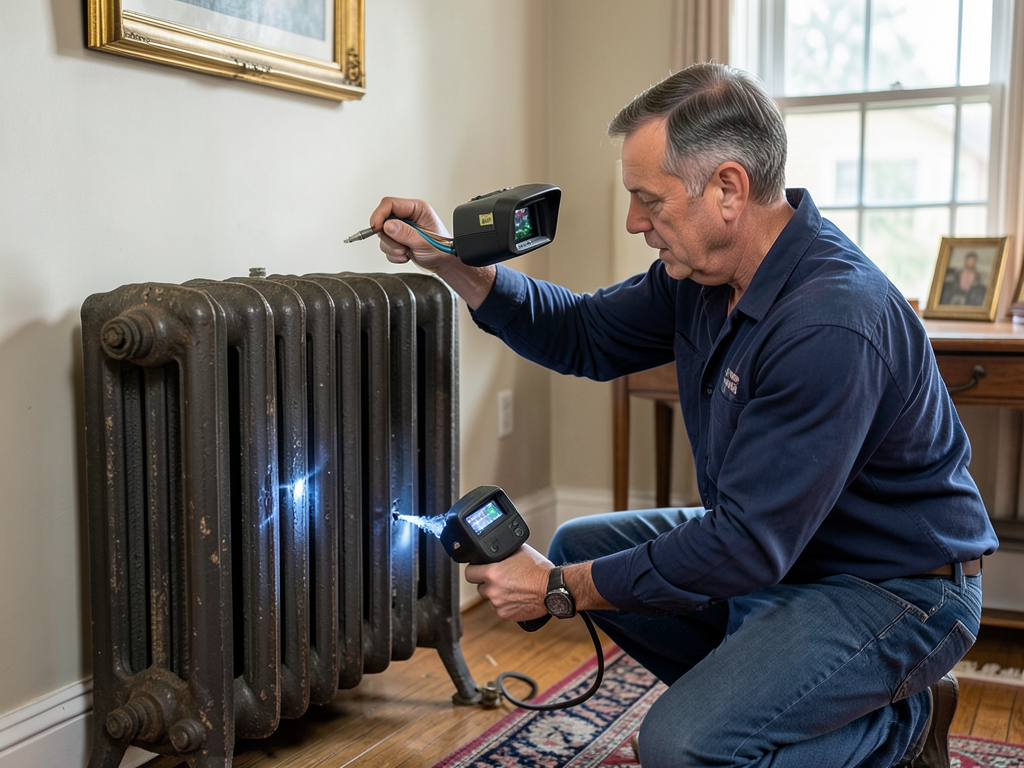
Steam radiators in Kalorama’s historic homes often suffer from venting issues that prevent proper heat distribution. The steam vents on these radiators can become clogged with mineral deposits from DC’s hard water supply, causing the radiator to stay cold while others in the system get hot. Emergency Water Shut-Off Service.
Steam vents should release air as steam enters the radiator and then close when steam reaches them. When vents fail, you’ll notice radiators that are cold at the top or don’t heat up at all. This creates cold spots throughout your Kalorama home and wastes energy as your boiler works overtime to heat rooms that never get warm.. Read more about Keeping Your Vintage Boiler System Running Efficiently Throughout a DC Winter.
According to DC Water quality reports, the mineral content in District water can accelerate vent clogging in older steam systems. The high calcium and magnesium levels form scale inside vents and pipes, reducing system efficiency by up to 30% in homes that haven’t had their systems serviced in over five years.. Read more about Managing the Quirks of Steam Heat in Older Cathedral Heights Apartments.
Hot Water Radiator Air Lock Issues
Many Kalorama estates converted from steam to hot water systems over the decades, but these conversions often leave behind air trapping problems. Hot water radiators need regular bleeding to remove trapped air that prevents hot water from circulating properly.
You’ll know you have air lock issues when radiators are hot at the bottom but cold at the top, or when you hear gurgling sounds as water tries to circulate past trapped air pockets. These problems are especially common in Kalorama’s multi-story homes where air naturally rises and collects at the highest points in the system.
The bleeding process requires specific tools and knowledge of your system’s pressure settings. Most Kalorama homes have pressure reducing valves set between 12-15 PSI for hot water systems, but many homeowners don’t know how to check or adjust these critical settings.
Leaking Radiator Valves and Connections

Radiator valves in older Kalorama homes often develop leaks due to worn packing nuts and corroded valve stems. These leaks typically start as small drips but can quickly escalate to major water damage, especially in homes with hardwood floors or historic plaster walls.
The thermostatic radiator valves (TRVs) in many Kalorama homes are original equipment from the 1940s and 1950s. These valves use wax elements that degrade over time, causing them to stick in either the open or closed position. A stuck valve means rooms that are either too hot or too cold, defeating the purpose of individual room temperature control.
According to the International Association of Plumbing and Mechanical Officials (IAPMO) standards, radiator valves in residential systems should be replaced every 15-20 years. Many Kalorama homes are operating with valves that are 50-70 years old, well beyond their designed service life. International Association of Plumbing and Mechanical Officials.
Water Hammer and Pipe Noise Problems
Banging and knocking sounds from your radiators aren’t just annoying—they indicate serious system problems that can cause pipe damage. Water hammer occurs when steam or hot water meets cooler condensate, creating shock waves that travel through your pipes at high speed.
In Kalorama’s older homes, water hammer often results from improperly pitched pipes or failed steam traps. The pipes should have a slight downward slope toward the boiler to allow condensate to drain properly. When pipes sag over decades or settle due to Kalorama’s clay soil conditions, condensate pools in low spots and causes hammer when steam passes through.
The diagnostic test for water hammer involves feeling the pipes while the system runs. Properly functioning pipes should be warm but not hot, and you should feel a steady flow rather than violent shaking. If you can feel the pipes knocking against floor joists, you have a water hammer problem that needs immediate attention.
Boiler Pressure and Temperature Control Issues
Your radiator problems might actually start with your boiler. Many Kalorama homes have boilers that are oversized for their current heating needs, a common issue when historic homes get renovated with modern insulation and windows.
Over-pressurization causes radiators to become too hot and can lead to dangerous pressure relief valve discharge. The DC Building Code requires residential boilers to have operating pressure relief valves set at 30 PSI for hot water systems and 15 PSI for steam systems. If your pressure gauge consistently reads above these levels, you have a control problem that needs professional attention.
Temperature control issues often manifest as radiators that are scorching hot or barely warm. This typically indicates a failing aquastat or pressuretrol, the devices that regulate boiler operation. In Kalorama’s historic homes, these controls may be original equipment that no longer functions within modern safety standards.
Radiator Cold Spots and Sediment Buildup
Cold spots on radiators indicate internal sediment buildup that prevents proper heat transfer. In Kalorama’s older homes, this sediment consists of rust particles, mineral scale, and biological growth that accumulate over decades of operation.
The diagnostic process involves checking each radiator section with an infrared thermometer. You’ll see temperature variations of 20-30 degrees between clean and sediment-plugged sections. Areas with heavy sediment feel noticeably cooler to the touch and may even have visible corrosion spots where the metal has thinned.
According to EPA water quality guidelines, sediment buildup reduces radiator efficiency by up to 40% and can cause premature failure of the entire heating system. Homes in Kalorama that haven’t had their radiators flushed in over a decade are likely operating at less than half their designed efficiency. EPA Water Efficiency Standards.
Our Radiator Repair Process for Kalorama Estates
We follow a systematic approach to radiator repair that addresses both immediate problems and underlying system issues. Our process begins with a comprehensive system evaluation using thermal imaging cameras to identify cold spots and pressure testing to locate leaks.
The first step involves checking all safety controls including pressure relief valves, low water cutoffs, and temperature limit switches. Many Kalorama homes have outdated safety equipment that doesn’t meet current DC code requirements. We upgrade these components to ensure your system operates safely. Safely Installing New Gas Lines for Your DC Kitchen Remodel.
Next we perform a full system cleaning including radiator flushing, vent replacement, and pipe cleaning. This process removes sediment that has accumulated over decades and restores proper heat transfer. We also adjust pipe pitch and replace failed steam traps to eliminate water hammer.
Call (771) 223-8111 to schedule your Kalorama radiator inspection. Don’t wait until your system fails during a January cold snap.
Emergency Radiator Services in Kalorama and Northwest DC
Radiator problems don’t wait for convenient times, which is why we offer 24/7 emergency service throughout Kalorama and the surrounding Northwest DC area. When your heating system fails during a cold snap, you need immediate response from technicians who understand historic heating systems. Who to Call When You Need an Emergency Plumber in Georgetown Right Away.
Our emergency response vehicles carry the specialized parts needed for Kalorama’s older radiators, including vintage steam vents, cast iron radiator sections, and period-correct valve components. We maintain inventory of parts that are no longer available through standard supply channels.
The average response time for emergency calls in the Kalorama area is under two hours, and we provide temporary heating solutions when major repairs are needed. This ensures your family stays warm while we complete the necessary restoration work.
Why Kalorama Homeowners Trust Our Radiator Expertise
We specialize in the unique challenges of heating historic Kalorama estates. Our technicians understand the delicate balance between modern efficiency and historic preservation that these homes require. We know how to repair your radiators without damaging original plaster, hardwood floors, or historic finishes.
Our team holds Master Plumber licenses and maintains current knowledge of DC Building Code requirements for historic properties. We work with the Historic Preservation Office when necessary to ensure all repairs meet preservation guidelines while providing reliable modern heating.
We provide detailed system documentation including before and after photos, pressure readings, and efficiency measurements. This documentation helps you understand your system’s condition and plan for future maintenance or upgrades.
Frequently Asked Questions
Why are my radiators making banging noises?
Banging noises typically indicate water hammer caused by improperly pitched pipes or failed steam traps. The shock waves from steam meeting condensate create violent knocking sounds that can damage your system over time.
How often should radiator vents be replaced?
Steam radiator vents should be replaced every 5-7 years in DC’s hard water conditions. Hot water system air vents need replacement every 3-5 years as the internal mechanisms wear out from constant operation.
Can I paint my radiators myself?
Standard paint can insulate radiators and reduce heat output by up to 20%. Use high-heat radiator paint and avoid thick applications that block heat transfer. For historic radiators, professional restoration preserves both appearance and efficiency.
How do I know if my radiator needs bleeding?
Radiators that are hot at the bottom but cold at the top need bleeding. You may also hear gurgling sounds or notice the radiator takes much longer to heat up than others in the system.
What’s the average lifespan of a radiator system?
Well-maintained radiator systems can last 50-70 years. However, components like valves, vents, and controls typically need replacement every 15-20 years to maintain efficiency and safety.
Don’t let radiator problems leave you cold this winter. Call (771) 223-8111 today for expert radiator repair in Kalorama and throughout Northwest DC. Our Master Plumbers have the specialized knowledge needed to keep your historic home warm and comfortable all season long.
{
“@context”: “https://schema.org”,
“@type”: “BlogPosting”,
“headline”: “Common Radiator Plumbing Issues in Older Kalorama Estates and How to Solve Them”,
“description”: “Struggling with radiator problems in your historic Kalorama home? Learn the most common issues we see in DC’s vintage heating systems and how Crestline Plumbing fixes them.”,
“wordCount”: 1747,
“datePublished”: “2026-03-07T09:54:00.000Z”,
“dateModified”: “2026-03-07T09:54:00.000Z”,
“inLanguage”: “en-US”,
“mainEntityOfPage”: {
“@type”: “WebPage”,
“@id”: “https://crestlineplumbingwashingtondc.com”
},
“publisher”: {
“@type”: “LocalBusiness”,
“name”: “Crestline Plumbing Washington DC”,
“url”: “https://crestlineplumbingwashingtondc.com”
},
“author”: {
“@type”: “Organization”,
“name”: “Crestline Plumbing Washington DC”,
“url”: “https://crestlineplumbingwashingtondc.com”
},
“image”: {
“@type”: “ImageObject”,
“url”: “https://crestlineplumbingwashingtondc.com/wp-content/uploads/2026/03/common-radiator-plumbing-issues-in-older-kalorama-1.png”
}
}
{
“@context”: “https://schema.org”,
“@type”: “Plumber”,
“name”: “Crestline Plumbing Washington DC”,
“url”: “https://crestlineplumbingwashingtondc.com”,
“address”: {
“@type”: “PostalAddress”,
“addressLocality”: “Washington DC”
},
“areaServed”: {
“@type”: “City”,
“name”: “Washington DC”
}
}
{
“@context”: “https://schema.org”,
“@type”: “FAQPage”,
“mainEntity”: [
{
“@type”: “Question”,
“name”: “Why are my radiators making banging noises?”,
“acceptedAnswer”: {
“@type”: “Answer”,
“text”: “Banging noises typically indicate water hammer caused by improperly pitched pipes or failed steam traps. The shock waves from steam meeting condensate create violent knocking sounds that can damage your system over time.”
}
},
{
“@type”: “Question”,
“name”: “How often should radiator vents be replaced?”,
“acceptedAnswer”: {
“@type”: “Answer”,
“text”: “Steam radiator vents should be replaced every 5-7 years in DC’s hard water conditions. Hot water system air vents need replacement every 3-5 years as the internal mechanisms wear out from constant operation.”
}
},
{
“@type”: “Question”,
“name”: “Can I paint my radiators myself?”,
“acceptedAnswer”: {
“@type”: “Answer”,
“text”: “Standard paint can insulate radiators and reduce heat output by up to 20%. Use high-heat radiator paint and avoid thick applications that block heat transfer. For historic radiators, professional restoration preserves both appearance and efficiency.”
}
},
{
“@type”: “Question”,
“name”: “How do I know if my radiator needs bleeding?”,
“acceptedAnswer”: {
“@type”: “Answer”,
“text”: “Radiators that are hot at the bottom but cold at the top need bleeding. You may also hear gurgling sounds or notice the radiator takes much longer to heat up than others in the system.”
}
},
{
“@type”: “Question”,
“name”: “What’s the average lifespan of a radiator system?”,
“acceptedAnswer”: {
“@type”: “Answer”,
“text”: “Well-maintained radiator systems can last 50-70 years. However, components like valves, vents, and controls typically need replacement every 15-20 years to maintain efficiency and safety.”
}
}
]
}
{
“@context”: “https://schema.org”,
“@type”: “BreadcrumbList”,
“itemListElement”: [
{
“@type”: “ListItem”,
“position”: 1,
“name”: “Home”,
“item”: “https://crestlineplumbingwashingtondc.com”
},
{
“@type”: “ListItem”,
“position”: 2,
“name”: “Blog”,
“item”: “https://crestlineplumbingwashingtondc.com/blog”
},
{
“@type”: “ListItem”,
“position”: 3,
“name”: “Common Radiator Plumbing Issues in Older Kalorama Estates and How to Solve Them”
}
]
}
{
“@context”: “https://schema.org”,
“@type”: “Service”,
“serviceType”: “Plumbing”,
“provider”: {
“@type”: “LocalBusiness”,
“name”: “Crestline Plumbing Washington DC”,
“url”: “https://crestlineplumbingwashingtondc.com”
},
“areaServed”: {
“@type”: “City”,
“name”: “Washington DC”
},
“description”: “Struggling with radiator problems in your historic Kalorama home? Learn the most common issues we see in DC’s vintage heating systems and how Crestline Plumbing fixes them.”
}