
Dealing with Persistent Sewer Smells in Your Brookland Basement or Bathroom
Sewer gas smells in your Brookland home are more than just unpleasant—they can signal serious plumbing problems that need immediate attention. That rotten egg odor you’re noticing could be hydrogen sulfide gas escaping from your pipes, and in older DC neighborhoods like Brookland, this is a common issue with aging infrastructure. Common Plumbing Problems in Historic Capitol Hill Rowhouses (and How We Fix Them).
Within the first 100 words, here’s what you need to know: If you smell sewer gas in your Brookland basement or bathroom, it’s likely due to dry P-traps, cracked vent stacks, or damaged sewer lines common in homes built before 1950. These issues create health hazards and require professional diagnosis. Call (771) 223-8111 for immediate inspection before the problem worsens. Don’t Let Your Basement Flood—Expert Sump Pump Repair and Maintenance in Northwest DC.
Why Brookland Homes Are Prone to Sewer Gas Problems
Brookland’s historic character comes with plumbing challenges. Many homes in the 20017 and 20018 zip codes were built between 1900 and 1950, featuring cast iron sewer pipes that corrode over decades. The neighborhood’s clay soil, common throughout Northeast DC, shifts seasonally and can crack underground pipes. Additionally, Brookland’s proximity to the Northwest Branch Anacostia River means higher water tables that put pressure on aging sewer systems. Emergency Water Shut-Off Service.
The DC Water and Sewer Authority (DC Water) reports that combined sewer systems in older neighborhoods like Brookland can back up during heavy rain events, forcing sewer gases back through floor drains and toilets. This isn’t just a Brookland problem—similar issues affect historic districts across Washington DC.. Read more about Why You Need a Sewer Camera Inspection Before Buying a Home in Friendship Heights.
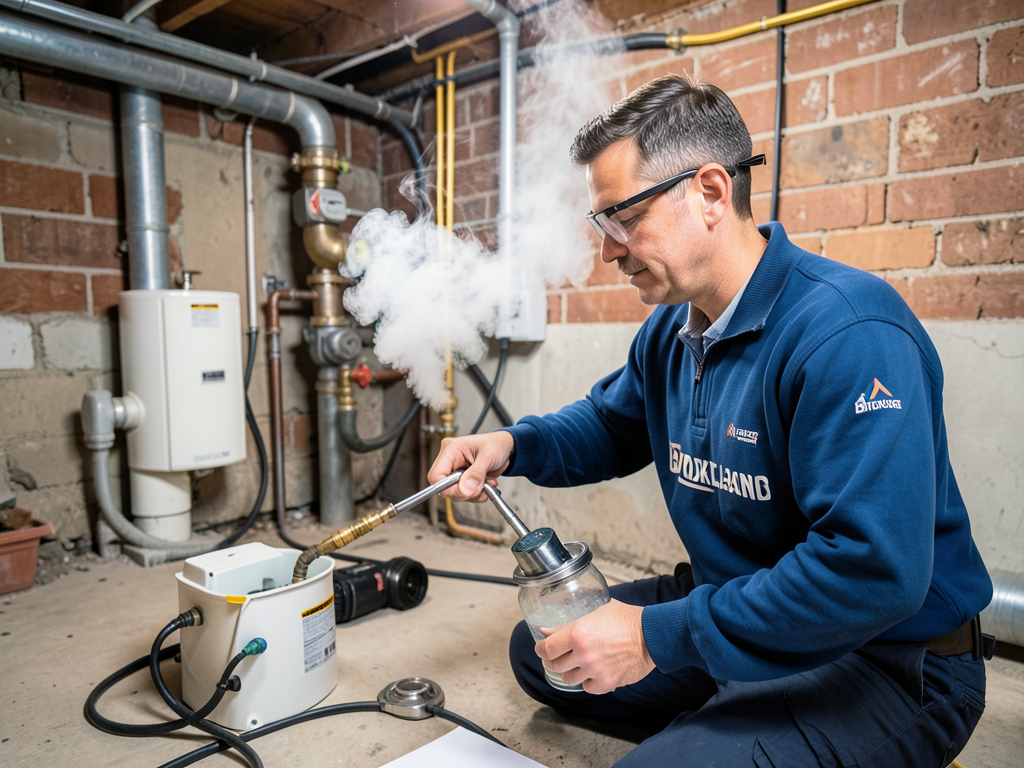
Diagram showing common sewer gas entry points in Brookland basements: floor drains, toilet flanges, and vent stack connections.
Immediate Safety Warning: Is Sewer Gas Dangerous?
Sewer gas isn’t just smelly—it’s potentially dangerous. The primary component, hydrogen sulfide (H2S), can cause headaches, dizziness, and nausea at low concentrations. At higher levels, it can lead to unconsciousness or even death. Methane, another common component, is flammable and can create explosion hazards in enclosed spaces.
The Occupational Safety and Health Administration (OSHA) sets exposure limits for hydrogen sulfide at 10 parts per million for an 8-hour workday. If you’re smelling sewer gas consistently in your Brookland home, you’re likely exceeding safe exposure levels. The EPA also warns that prolonged exposure to sewer gases can irritate eyes and respiratory systems, particularly dangerous for children and elderly residents. EPA.
Emergency Protocol: If the smell is strong and sudden, evacuate immediately. Open windows if possible, but don’t stay in the affected area. Call (771) 223-8111 from outside your home. Don’t use matches, lighters, or create sparks if you suspect a gas buildup.
Common Causes of Sewer Smells in Washington DC Homes
Dry P-Traps (Most Common in Guest Baths)
P-traps are the U-shaped pipes under sinks and drains that hold water to block sewer gases. In Brookland’s older homes, guest bathrooms and basement utility sinks often go unused for months. When the water in the P-trap evaporates, sewer gases flow freely into your home. This is especially problematic in vacation properties or homes with seasonal residents.. Read more about Fixing Standing Water and Floor Drain Backups in Your Michigan Park Basement.
The solution is simple: run water in all drains for 30 seconds weekly. However, if the smell persists after this, you likely have a more serious issue like a cracked P-trap or deteriorated drain line.
Damaged Wax Rings (Leaking Toilets)
Toilets in Brookland’s historic homes often have original wax rings that have compressed or deteriorated over 50+ years. When these fail, sewer gases escape from the base of the toilet. You might notice the smell strongest near bathrooms or see slight movement when you sit on the toilet.. Read more about Adding a Basement Bathroom in Woodridge – What You Need to Know About Ejector Pumps.
DC plumbing code requires wax rings to be replaced whenever a toilet is removed or every 20-30 years as preventative maintenance. In Brookland’s historic homes, most toilets haven’t had wax rings replaced in decades.. Read more about Managing Grease Trap Maintenance for Your Busy Restaurant on 14th Street NW.
Clogged Vent Stacks (Leaves/Nests or Ice)
Plumbing vent stacks extend through your roof to equalize pressure in drain lines. In Brookland’s tree-lined neighborhoods, these stacks commonly get blocked by leaves, bird nests, or even ice during winter freezes. When blocked, sewer gases can’t escape through the roof and back up into your home through drains.
DC building codes require vent stacks to extend at least 6 inches above the roof surface. Many Brookland homes have older 2-inch vent pipes that are more prone to freezing and clogging than modern 3-inch stacks.
Cracked Sewer Lines (Common in Older DC Clay Pipes)
Brookland’s sewer infrastructure tells a story of different eras. Homes built before 1950 often have clay sewer pipes that become brittle and crack with age and soil movement. Tree roots commonly infiltrate these cracks, causing blockages that force gases back into your home. The problem worsens during DC’s freeze-thaw cycles, which expand and contract the clay pipes.
DC Water’s infrastructure maps show that much of Brookland’s sewer mains are over 80 years old, predating modern PVC pipe technology. These aging systems are more susceptible to root intrusion and ground shifting.

Technician using smoke testing equipment to diagnose sewer gas leaks in a Brookland basement.
How to Identify the Source: A Room-by-Room Guide
Bathroom Diagnosis
Start by checking all bathroom fixtures. Run water in every sink, shower, and tub for 30 seconds. If the smell diminishes, you likely have dry P-traps. Next, check toilet stability—wiggle each toilet slightly. Movement indicates a failed wax ring. Finally, check the toilet’s water level; if it’s lower than normal, you might have a partial blockage forcing gases back through the bowl.
In Brookland’s older homes, bathroom renovations sometimes disconnect vent pipes or create improper trap configurations that violate current DC plumbing codes. These DIY modifications often cause persistent sewer gas problems.
Basement Assessment
Basements in Brookland homes often have floor drains that connect directly to the sewer system. These drains have P-traps that can dry out, especially in unfinished basements. Check for standing water in the drain—if it’s dry, pour a bucket of water down to refill the trap.. Read more about Why Your Eckington Basement Smells Like Sewage Even Without a Backup.
Also inspect the cleanout plug in your floor drain. Many Brookland homes have missing or damaged cleanout plugs that allow sewer gases to escape. The plug should be a tight-fitting threaded cap; if it’s missing, gases will continuously escape.
Kitchen Investigation
Kitchen sink odors often come from garbage disposals or the P-trap beneath the sink. Run the disposal with cold water for 30 seconds. If the smell improves, food debris was likely decomposing in the disposal. For P-trap issues, check under the sink for leaks or standing water in the trap.
Many Brookland kitchens have original plumbing that doesn’t meet current DC codes for dishwasher and disposal connections. Improper installations can create air gaps that allow sewer gases to enter.
DIY Fixes You Can Try Now
Immediate Actions
Before calling a professional, try these steps that often resolve minor sewer gas issues:
- Run water in all unused drains for 30 seconds each
- Check and replace missing cleanout plugs in floor drains
- Inspect toilet bases for movement and tighten mounting bolts if loose
- Clean garbage disposals with ice cubes and citrus peels
- Check vent stack caps for damage or missing covers
These simple fixes solve about 30% of sewer gas complaints in Brookland homes. If the smell persists after these steps, you need professional diagnosis.
When DIY Won’t Work
Some sewer gas problems require specialized equipment and expertise. If you’ve tried the basic fixes and still smell sewer gas, you likely have issues like:
- Cracked sewer pipes underground
- Blocked or damaged vent stacks
- Failed sewer line connections
- Tree root intrusion in sewer lines
- Improper plumbing trap configurations
These problems require video camera inspection, smoke testing, or hydrostatic pressure testing—tools that only professional plumbers possess. Who to Call When You Need an Emergency Plumber in Georgetown Right Away.
When to Call a Professional DC Plumber
Call (771) 223-8111 immediately if you experience any of these warning signs:
- Strong, persistent sewer gas smell that doesn’t improve with DIY fixes
- Gurgling sounds from drains when fixtures are used
- Slow drains throughout multiple fixtures
- Water backing up in sinks or tubs
- Visible sewage or water around floor drains
- Recent heavy rain causing increased odors
Professional diagnosis typically includes video camera inspection of your sewer line, smoke testing to identify leak points, and pressure testing of vent systems. These diagnostic tools can pinpoint problems that aren’t visible to homeowners.
In Brookland’s historic homes, professionals must also consider preservation guidelines. DC’s Historic Preservation Office requires special permits for work on homes in historic districts, and some repairs may need to maintain original materials or appearance while upgrading functionality.
Professional Solutions We Offer
Our diagnostic process starts with a comprehensive inspection using state-of-the-art equipment. We use color video cameras to inspect your entire sewer line from inside, identifying cracks, blockages, and deteriorated sections. Smoke testing helps locate exactly where gases are escaping, even through tiny cracks in pipes or fittings.
For cracked sewer lines, we offer trenchless pipe lining technology that repairs pipes from inside without digging up your Brookland yard. This process involves inserting a flexible liner coated with epoxy resin, then inflating it to cure against the existing pipe walls. The result is a new pipe within your old one, typically warrantied for 50 years.
For vent stack issues, we can replace damaged sections with modern PVC that resists freezing and clogging. In Brookland’s historic homes, we work to maintain exterior appearances while upgrading interior functionality.
Toilet wax ring replacement is a quick fix that often solves persistent bathroom odors. We use extra-thick wax rings designed for older homes where floors may have settled unevenly over decades.
Preventing Future Sewer Gas Problems
Prevention is key in Brookland’s aging housing stock. We recommend annual plumbing inspections for homes over 50 years old, focusing on sewer line integrity and vent stack functionality. During these inspections, we check for early signs of pipe deterioration, root intrusion, and trap seal failures. Emergency Sump Pump Failure.
For homes with persistent dry trap issues, we can install trap primers that automatically add water to floor drains and unused fixtures. These devices connect to a nearby faucet and release a small amount of water whenever the faucet is used, maintaining trap seals without manual intervention.
Tree management is also crucial. Many Brookland homes have mature trees whose roots seek water in sewer lines. We can apply root-killing treatments to sewer lines or recommend strategic tree removal when roots pose an ongoing threat to your plumbing system.
Finally, consider upgrading old cast iron or clay sewer lines before they fail. Modern PVC pipes resist corrosion, root intrusion, and ground movement far better than older materials. While this is a significant investment, it prevents emergency repairs and protects your home’s value.
Local Regulations and Permits
Washington DC requires permits for most sewer line repairs and replacements. The Department of Consumer and Regulatory Affairs (DCRA) oversees plumbing permits, and work in historic districts requires additional approval from the Historic Preservation Office.
For sewer lateral repairs (the pipe connecting your home to the city main), you’ll need both a plumbing permit and potentially a public space permit if work affects sidewalks or streets. DC Water maintains the main sewer line, but homeowners are responsible for the lateral from their property line to their home.
Our team handles all permitting requirements and ensures work complies with current DC plumbing codes, including proper venting, trap configurations, and material specifications. We also coordinate with Miss Utility to locate underground utilities before any excavation work.
Cost Considerations
Sewer gas diagnosis typically costs $150-300, depending on the complexity of your home’s plumbing system. Simple repairs like wax ring replacement run $200-400, while more complex issues like vent stack replacement can cost $800-1,500.
Sewer line repairs vary widely based on the problem’s extent. Trenchless pipe lining for a typical Brookland home costs $3,000-6,000, while traditional excavation and replacement can run $5,000-12,000 depending on yard accessibility and pipe length.
Many homeowners insurance policies cover sudden sewer line failures but not gradual deterioration. We can help you understand what your policy covers and assist with insurance claims when applicable.
Before and after comparison showing trenchless pipe lining installation in a Brookland basement.
Why Choose Local Experts for Your Brookland Home
Brookland’s unique housing stock requires specialized knowledge. Our team has served Northeast DC neighborhoods for over 15 years, giving us deep understanding of local plumbing systems, soil conditions, and regulatory requirements.
We understand the challenges of working in historic homes, from preserving original features to navigating preservation guidelines. Our technicians are trained in both modern plumbing technology and historic preservation best practices.
We also maintain relationships with local inspectors and preservation authorities, streamlining the permit process and ensuring your repairs meet all current codes while respecting your home’s historic character.
Frequently Asked Questions
Is sewer gas smell dangerous for my family?
Yes, sewer gas can be dangerous. Hydrogen sulfide can cause headaches, dizziness, and respiratory irritation. At high concentrations, it can lead to unconsciousness or death. Methane is also flammable and can create explosion hazards in enclosed spaces.
How much does it cost to fix sewer gas problems?
Costs vary widely based on the cause. Simple fixes like replacing a wax ring cost $200-400, while sewer line repairs can run $3,000-12,000. We provide detailed estimates after diagnosing the specific problem in your Brookland home.
Can I fix sewer gas smells myself?
You can try basic fixes like running water in unused drains or checking toilet stability. However, persistent smells usually indicate deeper problems requiring professional diagnosis with specialized equipment like video cameras or smoke testing.
How long does professional diagnosis take?
Most sewer gas diagnoses take 1-2 hours. Video camera inspection of your sewer line adds another hour. We can often complete the entire diagnostic process in a single visit and provide you with a repair plan the same day.
Will I need permits for sewer repairs?
Yes, DC requires permits for most sewer line repairs. We handle all permitting requirements and ensure work complies with current codes. Homes in historic districts may need additional approvals from preservation authorities.
What causes sewer gas smells after heavy rain?
Heavy rain can overwhelm Brookland’s combined sewer system, forcing gases back through floor drains and toilets. This is common in older DC neighborhoods with aging infrastructure. Professional testing can determine if your system has proper backflow prevention.
Don’t Wait Until It’s Too Late
Sewer gas smells in your Brookland home are warning signs that shouldn’t be ignored. What starts as a minor odor can quickly become a major health hazard or expensive emergency repair. The older your home, the more urgent the need for professional inspection.
Our team is ready to help Brookland homeowners identify and solve sewer gas problems quickly and effectively. We understand the unique challenges of your historic home and provide solutions that protect both your family’s health and your property’s value.
Call (771) 223-8111 today to schedule your inspection. Don’t let sewer gas problems compromise your family’s health or damage your Brookland home. Our experienced technicians will diagnose the problem quickly and provide clear, upfront pricing for repairs. We’re available for emergency service when you need us most.
Pick up the phone and call (771) 223-8111 before the next storm hits. Brookland’s aging sewer infrastructure won’t fix itself, but with professional help, you can eliminate sewer gas smells and protect your home for years to come. For more information, visit OSHA.
You may also find this helpful. How to Choose the Right Battery Backup Sump Pump for Your Tenleytown Basement.
You may also find this helpful. Snaking vs Hydro-Jetting for Clearing Stubborn Tree Roots in Takoma Sewer Lines.
You may also find this helpful. Converting Your Old Bathtub into a Walk-in Shower for Your Cleveland Park Home.
{
“@context”: “https://schema.org”,
“@type”: “BlogPosting”,
“headline”: “Dealing with Persistent Sewer Smells in Your Brookland Basement or Bathroom”,
“description”: “Why your Brookland home smells like sewer gas and what to do about it. DC-specific plumbing problems explained by local experts.”,
“wordCount”: 2573,
“datePublished”: “2026-03-09T14:44:00.000Z”,
“dateModified”: “2026-03-09T14:44:00.000Z”,
“inLanguage”: “en-US”,
“mainEntityOfPage”: {
“@type”: “WebPage”,
“@id”: “https://crestlineplumbingwashingtondc.com”
},
“publisher”: {
“@type”: “LocalBusiness”,
“name”: “Crestline Plumbing Washington DC”,
“url”: “https://crestlineplumbingwashingtondc.com”
},
“author”: {
“@type”: “Organization”,
“name”: “Crestline Plumbing Washington DC”,
“url”: “https://crestlineplumbingwashingtondc.com”
},
“image”: {
“@type”: “ImageObject”,
“url”: “https://crestlineplumbingwashingtondc.com/wp-content/uploads/2026/03/dealing-with-persistent-sewer-smells-in-your-brook-1.png”
}
}
{
“@context”: “https://schema.org”,
“@type”: “Plumber”,
“name”: “Crestline Plumbing Washington DC”,
“url”: “https://crestlineplumbingwashingtondc.com”,
“address”: {
“@type”: “PostalAddress”,
“addressLocality”: “Washington DC”
},
“areaServed”: {
“@type”: “City”,
“name”: “Washington DC”
}
}
{
“@context”: “https://schema.org”,
“@type”: “FAQPage”,
“mainEntity”: [
{
“@type”: “Question”,
“name”: “Immediate Safety Warning: Is Sewer Gas Dangerous?”,
“acceptedAnswer”: {
“@type”: “Answer”,
“text”: “Sewer gas isn’t just smelly—it’s potentially dangerous. The primary component, hydrogen sulfide (H2S), can cause headaches, dizziness, and nausea at low concentrations. At higher levels, it can lead to unconsciousness or even death. Methane, another common component, is flammable and can create explosion hazards in enclosed spaces.”
}
},
{
“@type”: “Question”,
“name”: “Is sewer gas smell dangerous for my family?”,
“acceptedAnswer”: {
“@type”: “Answer”,
“text”: “Yes, sewer gas can be dangerous. Hydrogen sulfide can cause headaches, dizziness, and respiratory irritation. At high concentrations, it can lead to unconsciousness or death. Methane is also flammable and can create explosion hazards in enclosed spaces.”
}
},
{
“@type”: “Question”,
“name”: “How much does it cost to fix sewer gas problems?”,
“acceptedAnswer”: {
“@type”: “Answer”,
“text”: “Costs vary widely based on the cause. Simple fixes like replacing a wax ring cost $200-400, while sewer line repairs can run $3,000-12,000. We provide detailed estimates after diagnosing the specific problem in your Brookland home.”
}
},
{
“@type”: “Question”,
“name”: “Can I fix sewer gas smells myself?”,
“acceptedAnswer”: {
“@type”: “Answer”,
“text”: “You can try basic fixes like running water in unused drains or checking toilet stability. However, persistent smells usually indicate deeper problems requiring professional diagnosis with specialized equipment like video cameras or smoke testing.”
}
},
{
“@type”: “Question”,
“name”: “How long does professional diagnosis take?”,
“acceptedAnswer”: {
“@type”: “Answer”,
“text”: “Most sewer gas diagnoses take 1-2 hours. Video camera inspection of your sewer line adds another hour. We can often complete the entire diagnostic process in a single visit and provide you with a repair plan the same day.”
}
},
{
“@type”: “Question”,
“name”: “Will I need permits for sewer repairs?”,
“acceptedAnswer”: {
“@type”: “Answer”,
“text”: “Yes, DC requires permits for most sewer line repairs. We handle all permitting requirements and ensure work complies with current codes. Homes in historic districts may need additional approvals from preservation authorities.”
}
},
{
“@type”: “Question”,
“name”: “What causes sewer gas smells after heavy rain?”,
“acceptedAnswer”: {
“@type”: “Answer”,
“text”: “Heavy rain can overwhelm Brookland’s combined sewer system, forcing gases back through floor drains and toilets. This is common in older DC neighborhoods with aging infrastructure. Professional testing can determine if your system has proper backflow prevention.”
}
}
]
}
{
“@context”: “https://schema.org”,
“@type”: “BreadcrumbList”,
“itemListElement”: [
{
“@type”: “ListItem”,
“position”: 1,
“name”: “Home”,
“item”: “https://crestlineplumbingwashingtondc.com”
},
{
“@type”: “ListItem”,
“position”: 2,
“name”: “Blog”,
“item”: “https://crestlineplumbingwashingtondc.com/blog”
},
{
“@type”: “ListItem”,
“position”: 3,
“name”: “Dealing with Persistent Sewer Smells in Your Brookland Basement or Bathroom”
}
]
}
{
“@context”: “https://schema.org”,
“@type”: “Service”,
“serviceType”: “Plumbing”,
“provider”: {
“@type”: “LocalBusiness”,
“name”: “Crestline Plumbing Washington DC”,
“url”: “https://crestlineplumbingwashingtondc.com”
},
“areaServed”: {
“@type”: “City”,
“name”: “Washington DC”
},
“description”: “Why your Brookland home smells like sewer gas and what to do about it. DC-specific plumbing problems explained by local experts.”
}