
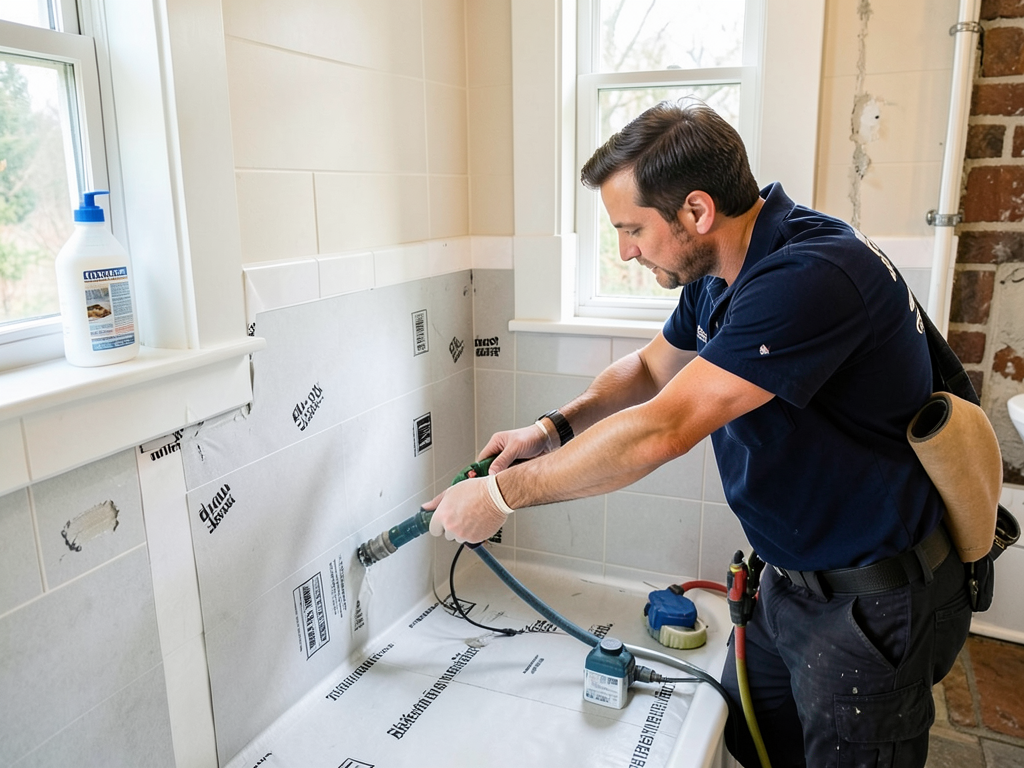
Converting Your Old Bathtub into a Walk-in Shower for Your Cleveland Park Home
Converting your old bathtub into a walk-in shower in Cleveland Park requires understanding DC’s specific building codes, historic district regulations, and the unique plumbing challenges of older homes. This comprehensive guide covers everything from permit requirements to waterproofing systems that protect your investment. DC Department of Buildings plumbing permit information.
Why Cleveland Park Homeowners Choose Walk-in Showers
Cleveland Park’s historic homes built between 1900 and 1940 feature cast iron drain lines and galvanized steel supply pipes that often need replacement during bathroom renovations. The neighborhood’s mature trees and clay soil create foundation shifts that can stress old plumbing connections, making bathroom updates the perfect time to address these underlying issues. Common Plumbing Problems in Historic Capitol Hill Rowhouses (and How We Fix Them).
Walk-in showers offer several advantages for Cleveland Park residents. They maximize the limited square footage common in historic DC homes, provide safer bathing options for aging homeowners, and can increase property values when properly executed. The area’s high property values make quality bathroom renovations particularly worthwhile investments.
DC Water mandates specific backflow prevention devices when altering bathroom plumbing fixtures. Any conversion affecting the drainage system requires a plumbing permit from the Department of Buildings. These regulations protect the city’s combined sewer system from contamination and ensure proper waste water treatment. EPA WaterSense standards for water-efficient fixtures.
DC Building Permit Requirements for Bathroom Conversions
Converting a bathtub to a shower in Washington DC requires a plumbing permit from the Department of Buildings. The permit process typically takes 5-10 business days and costs between $250-$500 depending on the scope of work. For homes in historic districts, additional approvals from the Historic Preservation Office may be necessary.
The permit application must include detailed plumbing plans showing drain line sizing, vent locations, and fixture specifications. DC Building Code requires 2-inch drain lines for shower stalls versus the 1.5-inch drains common in older tub installations. This means cutting into walls to access the main stack and potentially reinforcing floor joists to support the larger drain line.
During inspection, DCRA inspectors verify that all work meets current plumbing standards. This includes checking for proper slope on drain lines (minimum 1/4 inch per foot), adequate ventilation, and compliance with water conservation requirements. Modern low-flow showerheads must deliver no more than 2.5 gallons per minute to meet EPA WaterSense standards. Emergency Water Shut-Off Service.
Common Plumbing Challenges in Cleveland Park Homes
Cleveland Park’s older homes often contain galvanized steel supply lines that corrode from the inside out. These pipes typically last 40-50 years, and many Cleveland Park homes are approaching or exceeding that age. During a tub-to-shower conversion, we frequently discover that supply lines need complete replacement to ensure reliable water pressure and prevent future leaks.
The neighborhood’s mature tree canopy contributes to clay soil expansion and contraction cycles that stress underground plumbing connections. This movement can cause cast iron drain pipes to separate at joints or develop hairline cracks. A thorough inspection often reveals the need for drain line replacement even when the visible bathroom fixtures appear functional.
Many Cleveland Park homes built before 1950 may contain lead service lines or lead solder in copper joints. DC Water’s Lead and Copper Rule compliance requires testing and mitigation when disturbing these systems. Converting to a walk-in shower provides an opportunity to upgrade to modern PEX or copper piping that eliminates lead exposure risks.
Waterproofing Systems for DC Climate Conditions
Washington DC’s high humidity levels (average 66% annually) make proper waterproofing essential for walk-in shower installations. The Schluter-Kerdi waterproofing membrane system has become the industry standard for preventing water damage in our climate. This polyethylene membrane creates a watertight barrier that protects wall cavities and subfloors from moisture penetration.
Traditional shower pan liners can deteriorate over time, especially in homes with shifting foundations common in Cleveland Park. Modern waterproofing systems include pre-sloped shower bases that ensure proper drainage even if minor floor settling occurs. These systems typically carry 10-15 year warranties when properly installed by certified professionals.
DC’s freeze-thaw cycles can cause foundation movement that affects bathroom floors. Using flexible waterproofing membranes allows for minor structural shifts without compromising the water barrier. This flexibility is particularly important in older Cleveland Park homes where original construction may not meet modern structural standards.
Design Options for Small Cleveland Park Bathrooms
Cleveland Park’s historic homes often feature compact bathrooms that require thoughtful design to maximize space. A standard 5-foot tub can be replaced with a 36-inch by 60-inch shower stall, gaining approximately 12 inches of floor space. This extra space can accommodate a floating vanity or additional storage in tight quarters.
For aging-in-place conversions, zero-threshold showers eliminate the 3-4 inch step required by traditional tub installations. These barrier-free designs meet ADA guidelines and provide safer bathing options for homeowners planning to remain in their homes long-term. Grab bars can be installed during initial construction to support future mobility needs.
Glass door options range from frameless clear glass that maximizes visual space to frosted or textured glass that provides privacy while allowing light transmission. For Cleveland Park’s historic homes, brushed nickel or oil-rubbed bronze hardware often complements existing architectural details better than contemporary chrome finishes.
Cost Factors for Cleveland Park Conversions
The cost of converting a bathtub to a walk-in shower in Cleveland Park typically ranges from $8,000 to $15,000 depending on several factors. Basic acrylic surround systems start around $6,000 but may not address underlying plumbing issues. Custom tile showers with premium fixtures can exceed $20,000 for high-end finishes.
Historic district homes may incur additional costs for specialized materials that match existing architectural details. Lead paint abatement requirements can add $1,000-$3,000 to projects in pre-1978 homes. Unexpected plumbing repairs discovered during demolition can increase costs by 20-50% of the original estimate.
Many Cleveland Park homeowners choose to combine bathroom conversions with other plumbing upgrades to maximize efficiency. Replacing old supply lines, upgrading water heaters, or installing water filtration systems during the same project can reduce overall disruption and sometimes qualify for bulk pricing from contractors. Safely Installing New Gas Lines for Your DC Kitchen Remodel.
Timeline and Project Management
A typical tub-to-shower conversion in Cleveland Park takes 3-5 days for basic installations and 7-10 days for custom tile work. The timeline includes demolition, plumbing rough-in, waterproofing installation, fixture mounting, and final finishing. Historic district approvals can add 2-4 weeks to the overall project schedule.
During demolition, contractors often discover hidden issues like water damage, mold, or structural problems that require additional work. Building in a 15-20% contingency for unexpected repairs helps manage budget expectations. Clear communication about daily progress and next steps keeps homeowners informed throughout the process.
Most Cleveland Park homes have limited parking and narrow access points that affect material delivery schedules. Contractors familiar with the area understand these logistical challenges and plan accordingly. Working with licensed plumbers who carry proper insurance protects homeowners from liability during construction. Who to Call When You Need an Emergency Plumber in Georgetown Right Away.
Resale Value Considerations
Removing the only bathtub in a home can negatively impact resale value, particularly in family-oriented neighborhoods like Cleveland Park. Real estate professionals recommend maintaining at least one tub in a home with multiple bathrooms. If removing the sole tub, consider installing a tub-shower combination in another bathroom or choosing a design that allows future tub reinstallation. Choosing the Best Tankless Water Heater for Your Small Washington DC Condo.
Quality bathroom renovations typically return 60-70% of their cost in increased home value. In Cleveland Park’s high-value real estate market, premium bathroom upgrades can exceed these averages. Energy-efficient fixtures and water-saving technologies appeal to environmentally conscious buyers and may qualify for green building certifications.
Professional photography and staging highlight bathroom renovations in MLS listings. Walk-in showers with premium finishes and thoughtful storage solutions photograph well and create positive first impressions for potential buyers. The right design choices can make small bathrooms feel more spacious and luxurious.
Safety Features and Accessibility Options
Modern walk-in showers can incorporate numerous safety features without sacrificing style. Built-in shower benches provide seating for those with mobility challenges while adding a spa-like element to the design. Non-slip tile flooring with textured surfaces prevents accidents in wet conditions.
Handheld showerheads with sliding bars accommodate users of different heights and abilities. These fixtures also make cleaning the shower easier and can be used for bathing children or pets. Temperature control valves prevent scalding by maintaining consistent water temperature regardless of pressure fluctuations.
Proper lighting design enhances safety in walk-in showers. Recessed ceiling lights provide general illumination while LED strip lighting under benches or along niches creates ambient lighting for nighttime use. Motion-sensor night lights can guide users safely to the bathroom without disturbing sleep patterns.
Maintenance and Long-term Care
Walk-in showers require specific maintenance routines to prevent mold and mildew growth in Washington DC’s humid climate. Weekly cleaning with pH-neutral cleaners prevents soap scum buildup on tile surfaces. Squeegeeing shower walls after each use reduces water spots and mineral deposits on glass doors.
Grout lines in tile showers need periodic sealing to prevent water penetration. Most grout sealers last 1-2 years before requiring reapplication. Epoxy grout offers superior stain resistance and doesn’t require sealing, making it ideal for busy households or rental properties.
Hard water common in many DC neighborhoods can cause mineral buildup on shower fixtures. Installing water softeners or using vinegar-based cleaning solutions helps maintain fixture appearance and function. Regular inspection of caulking joints prevents water infiltration behind walls where damage can go unnoticed for years.
Energy and Water Efficiency Upgrades
Modern shower systems offer significant water and energy savings compared to older fixtures. Low-flow showerheads with air injection technology maintain strong spray patterns while using 20-40% less water than standard fixtures. These upgrades reduce both water heating costs and sewer charges for DC Water customers.
Tankless water heaters provide endless hot water for walk-in showers while reducing energy consumption by 24-34% compared to storage tank models. For Cleveland Park homes with older plumbing systems, tankless units eliminate standby heat loss and free up valuable storage space previously occupied by bulky water heaters.
Smart shower controls allow precise temperature and flow rate adjustments that prevent water waste. Some models include timers and eco-modes that automatically reduce flow after a preset duration. These features appeal to environmentally conscious homeowners and can reduce monthly utility costs by $50-$100 annually.
Choosing the Right Contractor
Selecting a contractor experienced with Cleveland Park’s historic homes ensures proper handling of unexpected issues common in older properties. Look for companies with specific experience in bathroom conversions, not just new construction. Ask for references from similar projects in the neighborhood and verify current licensing with DCRA.
Professional contractors provide detailed written estimates that outline the scope of work, materials to be used, and payment schedules. Avoid companies that require large upfront payments or pressure quick decisions. Reputable firms typically ask for 10-30% deposits with progress payments tied to completed work phases.
Insurance coverage protects homeowners from liability during construction. Verify that contractors carry both general liability and workers’ compensation insurance. Ask about warranty coverage for both labor and materials, and get warranty terms in writing before signing contracts.
Environmental Considerations
Responsible bathroom renovations include proper disposal of demolition materials. Many Cleveland Park contractors partner with recycling facilities that accept old fixtures, tile, and plumbing materials. Some organizations accept gently used bathroom fixtures for donation to housing rehabilitation projects.
Low-VOC adhesives and sealants improve indoor air quality during and after construction. These products emit fewer harmful chemicals than traditional materials, creating healthier living environments for families and pets. Green building certifications like LEED recognize these environmentally conscious choices.
Rainwater harvesting systems can supplement water needs for non-potable uses like toilet flushing or outdoor irrigation. While not directly related to shower conversions, these systems can reduce overall household water consumption and may qualify for DC Water conservation rebates.
Future-Proofing Your Investment
Walk-in shower designs that accommodate future accessibility needs protect long-term investment value. Wider doorways, reinforced walls for grab bar installation, and adjustable shower components allow for modifications as mobility needs change. These features appeal to multigenerational households and aging homeowners planning to remain in their homes.
Universal design principles create spaces that work for people of all ages and abilities. Features like lever-style faucet handles, rocker light switches, and contrasting color schemes improve usability for everyone while maintaining aesthetic appeal. These design choices increase marketability when selling homes in diverse buyer markets.
Documentation of all renovations, including permits, inspections, and warranty information, provides valuable records for future homeowners. Professional photos showing before and after conditions help demonstrate the quality of work and can support insurance claims if needed.
Frequently Asked Questions
How long does a tub-to-shower conversion typically take?
Basic conversions take 3-5 days while custom tile installations require 7-10 days. Permit processing adds 1-2 weeks to the overall timeline.
Do I need a permit to convert my bathtub to a shower in DC?
Yes. DC requires plumbing permits for any work that alters drainage or supply lines. Historic district homes may need additional approvals.
Will removing my bathtub hurt my home’s resale value?
Removing the only bathtub can impact resale value. Consider maintaining at least one tub in homes with multiple bathrooms or choosing convertible designs.
What’s the average cost for a tub-to-shower conversion in Cleveland Park?
Costs range from $8,000 to $15,000 for standard installations. Custom tile work and historic district requirements can increase costs to $20,000 or more.
Can I keep my existing plumbing during the conversion?
Existing plumbing may need upgrades to meet current codes. DC requires 2-inch drains for showers versus 1.5-inch drains common in older tubs.
Ready to Transform Your Cleveland Park Bathroom?
Converting your bathtub to a walk-in shower is a significant investment that requires careful planning and professional execution. The unique characteristics of Cleveland Park homes demand contractors familiar with historic properties and DC’s specific building requirements.
Don’t let outdated plumbing or uncertain renovation costs hold you back. Our team specializes in bathroom conversions throughout Cleveland Park and understands the specific challenges of working in historic DC homes. We handle everything from permit acquisition to final inspections, ensuring your project meets all local requirements.
Call (771) 223-8111 today to schedule your free consultation. We’ll assess your current bathroom, discuss design options, and provide a detailed estimate that accounts for Cleveland Park’s specific requirements. Transform your bathroom into a modern, functional space that enhances your home’s value and your daily comfort.
Pick up the phone and call (771) 223-8111 before the next storm hits. Our team is ready to help you create the bathroom you’ve always wanted while protecting your home’s historic character and structural integrity.
{
“@context”: “https://schema.org”,
“@type”: “BlogPosting”,
“headline”: “Converting Your Old Bathtub into a Walk-in Shower for Your Cleveland Park Home”,
“description”: “Expert tub-to-shower conversions in Washington DC’s Cleveland Park. Learn local codes, permit requirements, and design options for aging-in-place renovations.”,
“wordCount”: 2453,
“datePublished”: “2026-03-17T07:38:00.000Z”,
“dateModified”: “2026-03-17T07:38:00.000Z”,
“inLanguage”: “en-US”,
“mainEntityOfPage”: {
“@type”: “WebPage”,
“@id”: “https://crestlineplumbingwashingtondc.com”
},
“publisher”: {
“@type”: “LocalBusiness”,
“name”: “Crestline Plumbing Washington DC”,
“url”: “https://crestlineplumbingwashingtondc.com”
},
“author”: {
“@type”: “Organization”,
“name”: “Crestline Plumbing Washington DC”,
“url”: “https://crestlineplumbingwashingtondc.com”
},
“image”: {
“@type”: “ImageObject”,
“url”: “https://crestlineplumbingwashingtondc.com/wp-content/uploads/2026/03/converting-your-old-bathtub-into-a-walk-in-shower-1.png”
}
}
{
“@context”: “https://schema.org”,
“@type”: “Plumber”,
“name”: “Crestline Plumbing Washington DC”,
“url”: “https://crestlineplumbingwashingtondc.com”,
“address”: {
“@type”: “PostalAddress”,
“addressLocality”: “Washington DC”
},
“areaServed”: {
“@type”: “City”,
“name”: “Washington DC”
}
}
{
“@context”: “https://schema.org”,
“@type”: “FAQPage”,
“mainEntity”: [
{
“@type”: “Question”,
“name”: “How long does a tub-to-shower conversion typically take?”,
“acceptedAnswer”: {
“@type”: “Answer”,
“text”: “Basic conversions take 3-5 days while custom tile installations require 7-10 days. Permit processing adds 1-2 weeks to the overall timeline.”
}
},
{
“@type”: “Question”,
“name”: “Do I need a permit to convert my bathtub to a shower in DC?”,
“acceptedAnswer”: {
“@type”: “Answer”,
“text”: “Yes. DC requires plumbing permits for any work that alters drainage or supply lines. Historic district homes may need additional approvals.”
}
},
{
“@type”: “Question”,
“name”: “Will removing my bathtub hurt my home’s resale value?”,
“acceptedAnswer”: {
“@type”: “Answer”,
“text”: “Removing the only bathtub can impact resale value. Consider maintaining at least one tub in homes with multiple bathrooms or choosing convertible designs.”
}
},
{
“@type”: “Question”,
“name”: “What’s the average cost for a tub-to-shower conversion in Cleveland Park?”,
“acceptedAnswer”: {
“@type”: “Answer”,
“text”: “Costs range from $8,000 to $15,000 for standard installations. Custom tile work and historic district requirements can increase costs to $20,000 or more.”
}
},
{
“@type”: “Question”,
“name”: “Can I keep my existing plumbing during the conversion?”,
“acceptedAnswer”: {
“@type”: “Answer”,
“text”: “Existing plumbing may need upgrades to meet current codes. DC requires 2-inch drains for showers versus 1.5-inch drains common in older tubs.”
}
},
{
“@type”: “Question”,
“name”: “Ready to Transform Your Cleveland Park Bathroom?”,
“acceptedAnswer”: {
“@type”: “Answer”,
“text”: “Converting your bathtub to a walk-in shower is a significant investment that requires careful planning and professional execution. The unique characteristics of Cleveland Park homes demand contractors familiar with historic properties and DC’s specific building requirements.”
}
}
]
}
{
“@context”: “https://schema.org”,
“@type”: “BreadcrumbList”,
“itemListElement”: [
{
“@type”: “ListItem”,
“position”: 1,
“name”: “Home”,
“item”: “https://crestlineplumbingwashingtondc.com”
},
{
“@type”: “ListItem”,
“position”: 2,
“name”: “Blog”,
“item”: “https://crestlineplumbingwashingtondc.com/blog”
},
{
“@type”: “ListItem”,
“position”: 3,
“name”: “Converting Your Old Bathtub into a Walk-in Shower for Your Cleveland Park Home”
}
]
}
{
“@context”: “https://schema.org”,
“@type”: “Service”,
“serviceType”: “Plumbing”,
“provider”: {
“@type”: “LocalBusiness”,
“name”: “Crestline Plumbing Washington DC”,
“url”: “https://crestlineplumbingwashingtondc.com”
},
“areaServed”: {
“@type”: “City”,
“name”: “Washington DC”
},
“description”: “Expert tub-to-shower conversions in Washington DC’s Cleveland Park. Learn local codes, permit requirements, and design options for aging-in-place renovations.”
}