
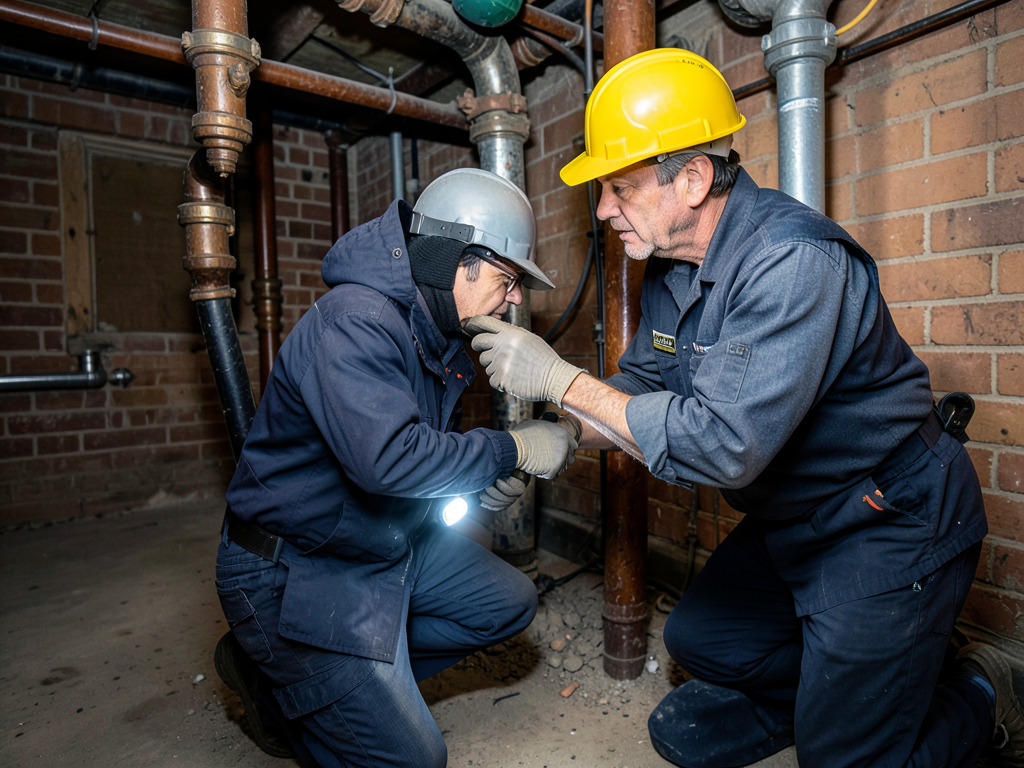
Expert Plumbing Support for Your Shaw Neighborhood Home Renovation
Renovating a home in Washington DC’s Shaw neighborhood requires specialized plumbing expertise. The area’s historic rowhouses, built between the 1860s and 1940s, present unique challenges that demand knowledge of both modern plumbing systems and historic preservation requirements. Our team provides comprehensive plumbing support for Shaw homeowners undertaking renovations, from initial design consultation through final inspection. DC Water.
Shaw’s rowhouses feature distinct plumbing characteristics including original cast iron stacks, galvanized supply lines, and shared drainage systems. These aging components require careful assessment before any renovation begins. We conduct thorough inspections using video camera technology to identify potential issues within walls and underground, preventing costly surprises during your renovation project. Common Plumbing Problems in Historic Capitol Hill Rowhouses (and How We Fix Them).
Specialized Renovation Services for DC Homes
Every room in your Shaw home presents different plumbing considerations during renovation. Our services adapt to each space’s specific requirements while maintaining the historic character that makes these homes valuable.. Read more about Quick Kitchen and Bath Plumbing Upgrades for Anacostia Residents.
Kitchen Plumbing Overhauls
Modern kitchens demand more plumbing fixtures than historic designs anticipated. We upgrade water supply lines to handle dishwashers, pot fillers, and multiple sinks while maintaining the original aesthetic. Our team installs new PEX piping inside existing walls without damaging historic plaster, using specialized fittings that connect to existing cast iron stacks.
Kitchen renovations in Shaw often require relocating gas lines for new appliances. We coordinate with licensed gas fitters to ensure all installations meet current DC codes while preserving the room’s historic character. Our plumbers understand the weight limitations of older floors and install support structures when adding heavy fixtures like farmhouse sinks. Who to Call When You Need an Emergency Plumber in Georgetown Right Away.
Bathroom Plumbing Expansions
Historic Shaw bathrooms typically measure 5×7 feet with minimal storage. Modern renovations often expand these spaces while preserving original tile patterns and fixtures. We install new drainage systems that connect to existing cast iron stacks, using specialized adapters that prevent leaks in older connections.
Water pressure in older buildings can be inconsistent. We install pressure-balancing valves and thermostatic controls that provide consistent temperature while protecting historic fixtures. Our team understands how to work with marble and ceramic tile common in Shaw homes, using specialized tools that prevent cracking during installation.
Basement Dig-Out Plumbing
Many Shaw homeowners excavate basements to create additional living space. This process requires comprehensive plumbing planning including new sewage ejector pumps, drainage systems, and waterproofing. We install perimeter drainage systems that connect to existing storm drains while maintaining the building’s structural integrity. Don’t Let Your Basement Flood—Expert Sump Pump Repair and Maintenance in Northwest DC.
Basement plumbing in historic buildings requires careful consideration of water table levels. Shaw sits at approximately 40 feet above sea level, and many basements experience groundwater infiltration. We install sump pump systems with battery backup to protect against power outages during heavy rains.
Laundry Room Additions
Historic Shaw homes rarely included dedicated laundry spaces. We create functional laundry rooms by installing new drainage systems, electrical circuits, and ventilation. Our team ensures proper slope for drainage pipes and installs air admittance valves where traditional venting is impractical. Safely Installing New Gas Lines for Your DC Kitchen Remodel.
Water hammer arrestors prevent pipe damage when washing machine valves close rapidly. We install these devices to protect both new and existing plumbing systems. Our plumbers also install leak detection systems that automatically shut off water supply if a leak is detected, preventing costly water damage.
Navigating the DC Plumbing Permit Process
Washington DC requires permits for most plumbing work in residential renovations. The Department of Buildings (DOB) now oversees all plumbing permits, replacing the previous DCRA system. Understanding this process prevents delays and ensures your renovation meets all safety requirements. Department of Buildings.
Permit Application Requirements
Plumbing permit applications require detailed drawings showing pipe locations, fixture specifications, and connection points. We prepare these drawings using AutoCAD software, ensuring they meet DOB requirements. Applications must include fixture unit calculations showing the total load on existing drainage systems.
The DOB requires proof of DC Master Plumber licensure for all permit applications. Our team holds current DC licenses and maintains proper insurance coverage. Permit fees vary based on project scope but typically range from $500 to $2,000 for residential renovations.
Inspection Scheduling and Compliance
DC requires inspections at specific phases of plumbing work. Rough-in inspections verify proper pipe installation before walls are closed. Final inspections ensure all fixtures function correctly and meet code requirements. We schedule these inspections proactively to maintain project timelines.
Historic preservation guidelines may apply to visible plumbing components. The Historic Preservation Office reviews projects affecting exterior elements or visible interior features. We coordinate with preservation architects to ensure compliance while meeting modern functionality requirements.
Common Permit Issues and Solutions
Permit applications often face delays due to incomplete documentation or code compliance issues. We address these proactively by conducting pre-application reviews and ensuring all drawings meet current DC Plumbing Code requirements. Our team understands common rejection reasons and prevents them through proper planning.
Water pressure requirements vary by fixture type and building height. We ensure all installations provide adequate pressure while staying within code limits. Pressure reducing valves may be necessary for upper floors to prevent fixture damage.
Historic Rowhouse Plumbing Challenges
Shaw’s rowhouses present specific plumbing challenges due to their age and construction methods. Understanding these issues helps homeowners make informed decisions about renovation scope and budget.
Galvanized Pipe Replacement
Galvanized steel pipes, common in homes built before 1950, corrode from the inside out. This corrosion reduces water flow and introduces rust into drinking water. We replace galvanized pipes with PEX or copper alternatives, depending on budget and performance requirements.
PEX piping offers advantages in historic renovations. It requires fewer fittings, resists corrosion, and flexes around obstacles without cutting into structural elements. We use Uponor PEX-a tubing, which maintains flexibility even in cold temperatures common during DC winters.
Cast Iron Stack Assessment
Cast iron waste stacks in older buildings often develop cracks or corrosion at connection points. We use ultrasonic testing to assess stack integrity without destructive testing. This technology identifies weak points that could lead to leaks or backups.
Stack replacement requires careful planning to minimize disruption. We often replace sections during other renovation work, reducing overall project cost. New PVC stacks connect to existing cast iron using specialized rubber couplings that prevent leaks at transition points.
Lead Service Line Replacement
Many Shaw homes built before 1920 have lead water service lines. DC Water offers a lead pipe replacement program that covers partial replacement costs. We coordinate with DC Water to schedule replacements and ensure all work meets program requirements.
Lead replacement requires shutting off water service temporarily. We coordinate with DC Water to minimize service disruption and install temporary water supply systems during replacement. New copper service lines include proper dielectric unions to prevent galvanic corrosion.
Shared Drainage Systems
Rowhouses often share drainage systems between adjacent properties. This arrangement requires coordination with neighbors and may necessitate simultaneous repairs. We assess shared systems using video inspection and provide documentation for neighbor discussions.
Combined sewer systems in older neighborhoods can cause backups during heavy rain. We install backwater valves that prevent sewage from entering your home during system overloads. These devices require annual testing to ensure proper operation.
Our Renovation Plumbing Process
Successful plumbing renovations require systematic planning and execution. Our process ensures all work meets code requirements while staying within budget and timeline constraints.
Initial Consultation and Assessment
We begin with a comprehensive site assessment examining existing plumbing systems, water pressure, and drainage capacity. Our team reviews renovation plans to identify potential conflicts between new fixtures and existing infrastructure. This assessment typically takes 2-3 hours and includes video inspection of accessible pipes.
During consultation, we discuss fixture preferences, budget constraints, and timeline requirements. We provide preliminary recommendations for pipe routing, fixture locations, and potential challenges. This information helps homeowners make informed decisions about renovation scope.
Blueprint Review and Planning
After initial assessment, we create detailed plumbing plans showing all new installations, connections, and modifications. These plans include pipe sizing calculations, fixture schedules, and material specifications. We coordinate with architects and general contractors to ensure plumbing integrates seamlessly with other trades.
Material selection impacts both performance and cost. We recommend PEX for interior distribution due to its flexibility and ease of installation in existing walls. Copper remains preferred for exposed applications and main supply lines due to its durability and proven performance.
Rough-in Installation
Rough-in work involves installing all pipes before walls are closed. We use PEX piping for most applications, connecting to existing cast iron stacks using specialized transition fittings. Pipe sizing follows DC Plumbing Code requirements, ensuring adequate flow for all fixtures.
Water pressure testing verifies system integrity before walls are closed. We pressurize all lines to 100 PSI and monitor for pressure drops indicating leaks. This testing prevents costly repairs after drywall installation.
Final Trim-out and Testing
Final installation includes all fixtures, valves, and trim components. We test each fixture individually and as part of the complete system. Water pressure is adjusted to optimal levels for each fixture type, typically 40-60 PSI for residential applications.
Cross-connection prevention devices protect drinking water from contamination. We install these devices where required by code, including backflow preventers on irrigation systems and hose bibs. Testing verifies proper operation before final inspection.
Why Choose Our Team for Your DC Remodel?
Washington DC’s unique building stock requires specialized knowledge that general contractors cannot provide. Our team combines technical expertise with local experience to deliver reliable results for Shaw homeowners.
DC Master Plumber Certification
Our Master Plumber license covers all DC jurisdictions and includes specialized training in historic building renovation. We maintain current knowledge of code changes and permit requirements through continuing education programs. Our license number is available upon request for verification.
Insurance coverage protects homeowners from liability during renovation work. We carry comprehensive general liability insurance, workers’ compensation, and builder’s risk coverage. Certificate holders can be added to policies for additional protection.
Historic Building Experience
Shaw’s rowhouses require techniques that preserve historic fabric while providing modern functionality. We understand plaster repair methods, historic window restoration, and original material preservation. Our work maintains the character that makes these homes valuable while meeting current code requirements.
Previous projects include complete plumbing renovations in homes built between 1870 and 1940. We maintain relationships with preservation architects and can coordinate complex projects requiring multiple approvals.
Local Knowledge and Relationships
Twenty years serving Washington DC has built relationships with inspectors, suppliers, and other tradespeople. These relationships help navigate permit processes and coordinate complex projects. We understand local material availability and can source specialty items quickly.
Emergency service availability provides peace of mind during renovation. Plumbing issues can arise unexpectedly, and our team responds quickly to minimize damage and maintain project schedules. Emergency Sump Pump Failure.
Cost Factors and Budgeting
Plumbing renovation costs vary based on project scope, building conditions, and material selections. Understanding these factors helps homeowners create realistic budgets and avoid unexpected expenses.
Material Cost Considerations
PEX piping costs approximately $0.50 per linear foot compared to $2.00 for copper. However, copper’s durability may justify higher initial costs for exposed applications. Fixture costs range from $200 for basic models to over $2,000 for premium designs.
Historic preservation requirements may mandate specific materials or installation methods. These requirements can increase costs but protect property values. We provide detailed cost breakdowns showing preservation-related expenses.
Labor Cost Factors
Historic buildings require more labor due to limited access and preservation requirements. Expect to pay 20-30% more for plumbing work in older buildings compared to modern construction. Our team’s experience reduces these premiums through efficient work methods.
Permit fees, inspection costs, and plan review charges add $1,000 to $3,000 to most projects. We include these costs in initial estimates to prevent budget surprises.
Contingency Planning
Unexpected conditions frequently arise during renovations. We recommend budgeting 15-20% of the plumbing contract value for contingencies. This buffer covers unexpected repairs, code compliance issues, and design changes.
Phased approaches can spread costs over time. We prioritize critical repairs and phase non-essential upgrades to align with budget constraints.
Frequently Asked Questions
How long does a typical plumbing renovation take?
Most residential plumbing renovations require 2-4 weeks from rough-in to final inspection. Complex projects involving multiple bathrooms or basement excavation may require 6-8 weeks. We provide detailed schedules during planning to help coordinate with other trades.
Do I need to vacate my home during plumbing work?
Most renovations allow you to remain in your home with temporary water service interruptions. We schedule major work during convenient times and provide alternative water sources when needed. Complete water shutoffs typically last 4-6 hours during fixture installations.
What warranties do you provide on plumbing work?
We provide one-year warranties on all labor and manufacturer warranties on fixtures and materials. PEX piping carries 25-year warranties from manufacturers. Warranty service is typically completed within 48 hours of notification.
How do I maintain new plumbing systems?
Regular maintenance prevents most plumbing issues. We recommend annual water heater flushing, drain cleaning every 18-24 months, and pressure testing every five years. We provide maintenance schedules and can perform these services to protect your investment.
Can you work with my existing contractor?
Yes, we coordinate with general contractors, architects, and designers regularly. Our team communicates effectively with other trades to ensure smooth project execution. We can provide subcontractor agreements if required by your contractor.
Getting Started with Your Shaw Renovation
Successful plumbing renovations begin with proper planning and experienced guidance. Our team provides the expertise needed to navigate DC’s unique building requirements while delivering modern functionality.
Initial consultations are complimentary and include site assessment, preliminary recommendations, and cost estimates. We review your renovation plans and identify potential challenges before work begins. This planning phase prevents costly changes during construction.
Ready to begin your Shaw home renovation? Call (771) 223-8111 today to schedule your consultation. Our team will assess your needs and provide a detailed proposal for your project. Don’t let plumbing challenges delay your renovation plans.
Pick up the phone and call (771) 223-8111 before the next storm hits. Our emergency response team can address urgent plumbing issues that might otherwise derail your renovation timeline. We’re available 24/7 for emergency service throughout the Shaw neighborhood.
{
“@context”: “https://schema.org”,
“@type”: “BlogPosting”,
“headline”: “Expert Plumbing Support for Your Shaw Neighborhood Home Renovation”,
“description”: “Professional plumbing support for Shaw neighborhood home renovations in Washington DC. Licensed plumbers handle historic rowhouse plumbing, permits, and modern upgrades.”,
“wordCount”: 2379,
“datePublished”: “2026-02-23T13:59:00.000Z”,
“dateModified”: “2026-02-23T13:59:00.000Z”,
“inLanguage”: “en-US”,
“mainEntityOfPage”: {
“@type”: “WebPage”,
“@id”: “https://crestlineplumbingwashingtondc.com”
},
“publisher”: {
“@type”: “LocalBusiness”,
“name”: “Crestline Plumbing Washington DC”,
“url”: “https://crestlineplumbingwashingtondc.com”
},
“author”: {
“@type”: “Organization”,
“name”: “Crestline Plumbing Washington DC”,
“url”: “https://crestlineplumbingwashingtondc.com”
},
“image”: {
“@type”: “ImageObject”,
“url”: “https://crestlineplumbingwashingtondc.com/wp-content/uploads/2026/03/expert-plumbing-support-for-your-shaw-neighborhood-1.png”
}
}
{
“@context”: “https://schema.org”,
“@type”: “Plumber”,
“name”: “Crestline Plumbing Washington DC”,
“url”: “https://crestlineplumbingwashingtondc.com”,
“address”: {
“@type”: “PostalAddress”,
“addressLocality”: “Washington DC”
},
“areaServed”: {
“@type”: “City”,
“name”: “Washington DC”
}
}
{
“@context”: “https://schema.org”,
“@type”: “FAQPage”,
“mainEntity”: [
{
“@type”: “Question”,
“name”: “Why Choose Our Team for Your DC Remodel?”,
“acceptedAnswer”: {
“@type”: “Answer”,
“text”: “Washington DC’s unique building stock requires specialized knowledge that general contractors cannot provide. Our team combines technical expertise with local experience to deliver reliable results for Shaw homeowners.”
}
},
{
“@type”: “Question”,
“name”: “How long does a typical plumbing renovation take?”,
“acceptedAnswer”: {
“@type”: “Answer”,
“text”: “Most residential plumbing renovations require 2-4 weeks from rough-in to final inspection. Complex projects involving multiple bathrooms or basement excavation may require 6-8 weeks. We provide detailed schedules during planning to help coordinate with other trades.”
}
},
{
“@type”: “Question”,
“name”: “Do I need to vacate my home during plumbing work?”,
“acceptedAnswer”: {
“@type”: “Answer”,
“text”: “Most renovations allow you to remain in your home with temporary water service interruptions. We schedule major work during convenient times and provide alternative water sources when needed. Complete water shutoffs typically last 4-6 hours during fixture installations.”
}
},
{
“@type”: “Question”,
“name”: “What warranties do you provide on plumbing work?”,
“acceptedAnswer”: {
“@type”: “Answer”,
“text”: “We provide one-year warranties on all labor and manufacturer warranties on fixtures and materials. PEX piping carries 25-year warranties from manufacturers. Warranty service is typically completed within 48 hours of notification.”
}
},
{
“@type”: “Question”,
“name”: “How do I maintain new plumbing systems?”,
“acceptedAnswer”: {
“@type”: “Answer”,
“text”: “Regular maintenance prevents most plumbing issues. We recommend annual water heater flushing, drain cleaning every 18-24 months, and pressure testing every five years. We provide maintenance schedules and can perform these services to protect your investment.”
}
},
{
“@type”: “Question”,
“name”: “Can you work with my existing contractor?”,
“acceptedAnswer”: {
“@type”: “Answer”,
“text”: “Yes, we coordinate with general contractors, architects, and designers regularly. Our team communicates effectively with other trades to ensure smooth project execution. We can provide subcontractor agreements if required by your contractor.”
}
}
]
}
{
“@context”: “https://schema.org”,
“@type”: “BreadcrumbList”,
“itemListElement”: [
{
“@type”: “ListItem”,
“position”: 1,
“name”: “Home”,
“item”: “https://crestlineplumbingwashingtondc.com”
},
{
“@type”: “ListItem”,
“position”: 2,
“name”: “Blog”,
“item”: “https://crestlineplumbingwashingtondc.com/blog”
},
{
“@type”: “ListItem”,
“position”: 3,
“name”: “Expert Plumbing Support for Your Shaw Neighborhood Home Renovation”
}
]
}
{
“@context”: “https://schema.org”,
“@type”: “Service”,
“serviceType”: “Plumbing”,
“provider”: {
“@type”: “LocalBusiness”,
“name”: “Crestline Plumbing Washington DC”,
“url”: “https://crestlineplumbingwashingtondc.com”
},
“areaServed”: {
“@type”: “City”,
“name”: “Washington DC”
},
“description”: “Professional plumbing support for Shaw neighborhood home renovations in Washington DC. Licensed plumbers handle historic rowhouse plumbing, permits, and modern upgrades.”
}