Menu

Water Conservation Tips in Washington, D.C. – Cut Your Water Bill While Protecting the Chesapeake Bay

District homeowners can reduce water consumption by up to 40% using proven water efficiency strategies that protect local infrastructure, lower monthly bills, and help keep our waterways clean.

Slider Image 1
Slider Image 2
Slider Image 3
Slider Image 4
Slider Image 5
Slider Image 7
Slider Image 8
Slider Image 9
Slider Image 10
Slider Image 11

Why Water Conservation Matters More in Washington, D.C. Than You Think

You pay some of the highest water and sewer rates in the nation. DC Water's combined bill often exceeds $100 monthly for an average household, and rates increase every year to fund aging infrastructure upgrades across the District.

Every gallon you waste flows through the same century-old pipe network serving Georgetown, Capitol Hill, and Adams Morgan. When you run water needlessly, you stress a system already struggling with combined sewer overflows that dump untreated wastewater into the Anacostia and Potomac Rivers during heavy rain. The District's Clean Rivers Project aims to fix this, but the construction costs get passed to ratepayers.

Washington's unique position makes water conservation critical. You live in a city with aging Victorian rowhouses, early 1900s apartment buildings, and modern condos all sharing the same water grid. Older homes often have outdated fixtures that use three times more water than current EPA WaterSense standards. A pre-1992 toilet uses 3.5 gallons per flush compared to today's 1.28-gallon models.

The humid summers and mild winters fool people into thinking water is abundant. The Potomac River supplies 90% of the region's drinking water, but droughts happen. The 2002 drought dropped river levels so low that DC Water imposed voluntary restrictions. Climate patterns are shifting, and water saving techniques protect you against future supply disruptions.

Simple ways to save water at home start with understanding where waste happens. The average District resident uses 85 gallons daily. Most goes to toilets, showers, and outdoor watering. Reduce water consumption in these areas, and you see immediate savings. Your bill drops, infrastructure strain decreases, and the Chesapeake Bay benefits from less runoff.

Why Water Conservation Matters More in Washington, D.C. Than You Think
The Plumbing Upgrades That Actually Reduce Water Consumption

The Plumbing Upgrades That Actually Reduce Water Consumption

Water efficiency strategies work only when your plumbing supports them. Installing low-flow fixtures on corroded galvanized pipes wastes money. The restriction creates pressure drops that make showers weak and toilets ineffective. You need a system assessment first.

Crestline Plumbing Washington DC starts by checking your supply line pressure. District water pressure ranges from 45 to 70 PSI depending on elevation and proximity to pumping stations. Capitol Hill homes sit higher and often get lower pressure. We measure static and dynamic pressure to determine which fixtures will perform correctly.

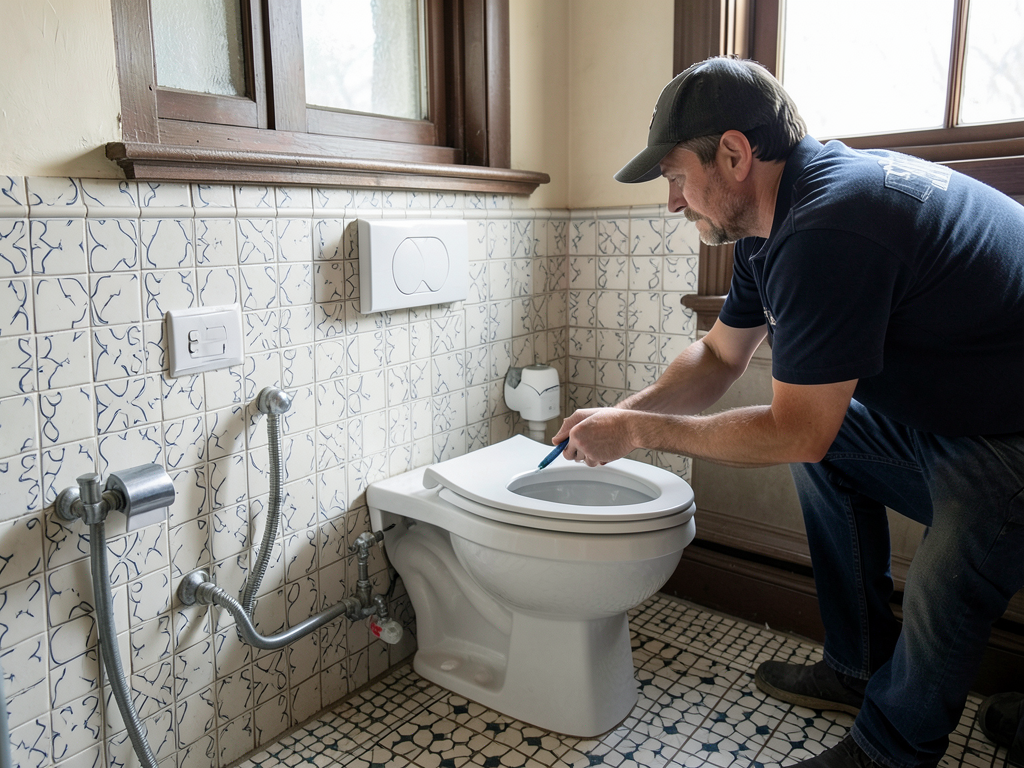
Next comes fixture evaluation. If your home was built before 1994, you likely have 3.5 GPF toilets, 2.5 GPM showerheads, and faucet aerators flowing at 2.2 GPM or higher. Replacing these with WaterSense-certified models cuts consumption by 20 to 60% without sacrificing performance. A family of four saves roughly 16,000 gallons yearly just by upgrading toilets.

We inspect for hidden leaks that sabotage conservation efforts. A running toilet wastes 200 gallons daily. Corroded flapper valves, worn fill valves, and calcium buildup on flush mechanisms cause most toilet leaks. We also check under sinks for dripping supply lines and inspect hose bibbs for leaks after winter freeze-thaw cycles damage the vacuum breaker.

Hot water recirculation systems make sense in larger District rowhouses where the bathroom sits 40 feet from the water heater. Without recirculation, you waste two gallons waiting for hot water every time you shower. A demand-controlled pump activates when you need hot water and shuts off when it arrives, saving both water and the energy used to heat wasted water.

Outdoor irrigation is the biggest summer water waster. We install rain sensors and smart controllers that adjust watering based on weather data. Many District homes have old sprinkler systems installed in the 1980s with brass heads that spray twice as much water as modern rotary nozzles.

How We Help You Implement Water Saving Techniques

Water Conservation Tips in Washington, D.C. – Cut Your Water Bill While Protecting the Chesapeake Bay
01

Water Use Audit

We measure actual consumption at every fixture using flow meters and pressure gauges. You get a detailed breakdown showing which fixtures waste the most water and cost you the most money. We check toilet flush volumes, showerhead flow rates, faucet aerator performance, and outdoor irrigation output. The audit includes a leak detection sweep using acoustic listening equipment to find hidden slab leaks or underground supply line failures common in older District properties.
02

Custom Conservation Plan

Based on audit results, we create a prioritized upgrade plan that fits your budget. You see projected savings for each improvement, payback timelines, and compatibility with your existing plumbing. We identify which fixtures need immediate replacement and which can wait. The plan accounts for DC Water rebate programs that offset costs for WaterSense toilets and high-efficiency washing machine hookups. You get options ranging from simple aerator swaps to whole-house repiping if corrosion limits low-flow fixture performance.
03

Installation and Verification

We install approved upgrades using code-compliant methods and verify performance after installation. Every toilet gets a flush test to confirm proper bowl clearance at reduced water volumes. Showerheads are tested for even spray patterns and adequate pressure. We provide documentation for rebate applications and show you how to read your water meter to track savings. You receive maintenance instructions for each new fixture and a schedule for periodic checks to ensure efficiency gains persist over time.

Why District Homeowners Trust Local Plumbers for Water Efficiency

National chains install the same fixtures in Phoenix and Pittsburgh. They do not understand that District homes need different solutions. Your Victorian rowhouse has different plumbing challenges than a Cleveland Park Colonial or a Navy Yard condo conversion.

Crestline Plumbing Washington DC knows the building stock. We work daily in Dupont Circle rowhouses with original cast iron stacks, Shaw bungalows with galvanized supply lines, and H Street corridor apartments with PEX repiping from the 2000s renovation boom. Each building type has specific constraints that affect which water-saving fixtures work correctly.

We stay current on DC Water rebate programs that change annually. Right now, you can get $100 back for each WaterSense toilet you install, up to two per property. Commercial properties qualify for larger rebates on high-efficiency fixtures. We handle the paperwork and ensure installations meet program requirements so your rebate does not get rejected for technical non-compliance.

Local code knowledge matters. The District adopted the 2017 International Plumbing Code with amendments that affect fixture installations. We pull permits when required and ensure work passes inspection. DIY installs often fail inspection because homeowners do not know that DC requires backflow prevention on certain fixtures or that supply line materials must meet specific standards.

Water quality in different neighborhoods affects fixture performance. Capitol Hill and portions of Northeast still have lead service lines. If you install a low-flow aerator on a faucet drawing water through a lead line, you might increase lead concentration by reducing flow velocity. We test for lead and recommend whole-house filtration when appropriate.

The Potomac's seasonal hardness fluctuates between 4 and 8 grains per gallon. Summer levels increase due to lower river flow. Hard water destroys low-flow fixtures faster by clogging aerators and coating valve seats. We recommend water softeners for homes experiencing rapid fixture degradation and show you how softening improves efficiency.

What Happens When You Start Conserving Water

Immediate Bill Reduction

You see savings on your next DC Water bill. A family of four replacing old toilets and showerheads typically cuts consumption by 25 to 30 gallons daily per person. At current combined water and sewer rates exceeding $15 per 1,000 gallons, that translates to $15 to $20 monthly savings, or $180 to $240 yearly. Larger households with teenagers see bigger drops. The savings are permanent as long as fixtures are maintained. You also reduce hot water usage, which lowers gas or electric bills by decreasing water heater cycling.

Professional Water Assessment

The initial consultation includes a room-by-room evaluation of every water-using fixture and appliance. We document current flow rates, identify leaks, and note any code violations that could cause problems during future home sales. You receive a written report with photos showing problem areas like corroded supply lines, improperly vented drains, or cross-connections that violate backflow prevention rules. The assessment takes 60 to 90 minutes depending on property size and includes attic inspection for supply line routing and basement checks for sewer line condition.

Guaranteed Performance Standards

Every fixture we install meets EPA WaterSense certification and performs at or above manufacturer specifications. Toilets flush cleanly on the first try without double-flushing that negates water savings. Showerheads deliver even pressure across all spray nozzles without sputtering or weak streams. Faucet aerators maintain laminar flow that feels substantial despite using 40% less water. We test each installation before leaving and make adjustments to ensure you are satisfied with performance. If any fixture fails to meet efficiency claims within the first year, we replace it at no charge.

Ongoing Efficiency Monitoring

We provide instructions for tracking water consumption using your DC Water account portal and teach you how to read your meter to spot usage spikes that indicate new leaks. You get a maintenance schedule showing when to clean aerators, replace flapper valves, and flush sediment from your water heater. Annual checkups are available to verify that efficiency gains persist and catch small problems before they become expensive failures. We also alert you to new rebate programs and emerging technologies like greywater systems that could further reduce consumption as regulations evolve.

Frequently Asked Questions

You Have Questions,
We Have Answers

What are the 10 ways to conserve water? +

Fix leaks immediately. A dripping faucet wastes gallons daily. Install low-flow showerheads and faucet aerators. Run dishwashers and washing machines only with full loads. Turn off the tap while brushing teeth or soaping dishes. Water your lawn early morning to reduce evaporation, especially during Washington's humid summers. Collect rainwater for plants. Shorten your shower by two minutes. Insulate hot water pipes to reduce wait time for warm water. Upgrade to WaterSense-labeled toilets, which use 20 percent less water than standard models. These steps reduce your DC Water bill and protect the Potomac and Anacostia watersheds from unnecessary strain.

What are 7 ways to conserve water? +

Turn off taps when not actively using water. Install low-flow showerheads to cut usage without losing pressure. Run full loads in dishwashers and washing machines. Fix leaks fast, even small drips waste hundreds of gallons monthly. Water outdoor plants early morning or late evening to minimize evaporation, critical during Washington's muggy July and August heat. Use a broom instead of a hose to clean driveways and sidewalks. Upgrade to high-efficiency toilets. These seven actions lower your monthly water costs and reduce demand on the regional Potomac River system, which supplies most of the District's drinking water.

What are the 5 R's of water conservation? +

The 5 R's are Reduce, Reuse, Recycle, Repair, and Rethink. Reduce water use by taking shorter showers and turning off taps. Reuse greywater from sinks or dehumidifiers to water plants. Recycle by composting instead of using garbage disposals, which require water. Repair leaks immediately to prevent waste. Rethink habits like leaving water running while washing dishes or watering lawns midday. In Washington, where older housing stock in neighborhoods like Capitol Hill and Georgetown often has aging plumbing, the Repair step is especially important. Applying these principles protects local water infrastructure and the Chesapeake Bay downstream.

What are 20 ways to conserve water? +

Install low-flow fixtures. Fix all leaks. Run full laundry loads. Use dishwasher instead of hand washing. Turn off tap while brushing teeth. Collect shower warm-up water for plants. Water lawn before 8 a.m. Use mulch in gardens to retain moisture. Install rain barrels. Take shorter showers. Use a broom, not hose, for cleaning. Insulate pipes. Upgrade to WaterSense toilets. Wash cars with buckets. Check toilet flappers annually. Use drip irrigation for gardens. Thaw food in the fridge, not under running water. Scrape dishes instead of rinsing. Monitor your DC Water bill for usage spikes. Teach kids water-saving habits.

What are 100 ways to save water? +

This request asks for an impractical list. Instead, focus on high-impact changes. Install low-flow showerheads, faucet aerators, and dual-flush toilets. Fix leaks immediately. Run appliances only when full. Shorten showers by three minutes. Water plants early morning. Use rain barrels to capture roof runoff. Insulate hot water pipes. Turn off taps while soaping or brushing. In Washington, where combined sewer overflows strain the Anacostia River during heavy rains, reducing indoor use helps decrease wastewater treatment demand. Small habit changes multiply across thousands of households. Start with five actions this week, then add more. Quality beats quantity.

What are 8 ways to conserve water? +

Fix dripping faucets and running toilets immediately. Install WaterSense-labeled showerheads and faucet aerators to reduce flow without sacrificing performance. Run dishwashers and washing machines only with full loads. Turn off the tap while brushing teeth, shaving, or scrubbing dishes. Water lawns and gardens before 8 a.m. to reduce evaporation during Washington's humid summers. Collect rainwater in barrels for outdoor use. Insulate hot water pipes to get hot water faster. Upgrade older toilets to high-efficiency models. These eight steps cut your monthly DC Water costs and ease pressure on the Potomac Filtration Plant and the Blue Plains wastewater treatment facility.

How to save water 30 ways? +

Focus on proven tactics instead of arbitrary numbers. Install low-flow fixtures throughout your home. Fix every leak within 24 hours. Run appliances only when full. Turn off taps during brushing, soaping, and dishwashing. Take five-minute showers. Water outdoor plants early morning or use drip irrigation. Use rain barrels to capture roof runoff. Insulate pipes. Upgrade to dual-flush toilets. Wash cars with buckets. In Washington's older neighborhoods like Shaw and Dupont Circle, aging plumbing makes leak detection critical. Check under sinks and behind toilets monthly. Replace worn washers and flappers. Small actions compound into significant savings for your wallet and the regional watershed.

How can we save water 50 ways? +

This asks for an unrealistic numbered list. Instead, prioritize impact. Install low-flow showerheads, faucet aerators, and high-efficiency toilets. Fix all leaks immediately. Run dishwashers and washers only when full. Turn off taps during non-use. Water plants early morning. Use rain barrels. Insulate hot water pipes. Scrape dishes instead of pre-rinsing. Use drip irrigation for gardens. Mulch beds to retain moisture. In Washington, where summer humidity stays high but rainfall is unpredictable, smart outdoor watering saves the most. Check your DC Water bill monthly for usage spikes that indicate leaks. Start with ten changes, master them, then expand habits organically.

How to save water 🌊 💦? +

Turn off taps when brushing teeth or washing dishes. Install low-flow showerheads and faucet aerators. Fix leaks fast, even small drips waste gallons. Run dishwashers and washing machines only with full loads. Water your lawn early morning to reduce evaporation, especially during Washington's humid summer months. Upgrade to WaterSense toilets that use significantly less per flush. Collect rainwater in barrels for watering plants. Shorten showers by two minutes. These simple changes lower your DC Water bill and protect the Potomac and Anacostia rivers. Small daily habits create big impacts across neighborhoods from Anacostia to Tenleytown.

What is the meaning of water 💦? +

Water is a transparent, tasteless liquid essential for all life. It covers 71 percent of Earth's surface and makes up 60 percent of the human body. Water regulates temperature, transports nutrients, and supports every biological process. In Washington, drinking water comes primarily from the Potomac River, treated at the Potomac Filtration Plant in Dalecarlia. Used water flows to the Blue Plains wastewater treatment facility before returning to the Potomac. Understanding water's journey from river to tap to treatment and back reminds us why conservation matters. Every gallon you save reduces energy for pumping and treatment, protecting both your wallet and the Chesapeake Bay watershed.

How District Infrastructure Challenges Make Conservation Essential

Washington operates a combined sewer system across 13,000 acres covering Capitol Hill, the National Mall, Georgetown, and most of the historic core. When you use excess water during rainstorms, it combines with stormwater runoff and overwhelms treatment capacity. The overflow dumps directly into the Anacostia River, Potomac River, and Rock Creek. DC Water is spending $2.6 billion on the Clean Rivers Project to build massive underground tunnels that capture overflow, but construction continues through 2030. Every gallon you save reduces the burden on this aging system and decreases the pollution entering waterways that feed the Chesapeake Bay.

Crestline Plumbing Washington DC has helped hundreds of District homeowners navigate water conservation upgrades while maintaining home comfort and resale value. We understand that Capitol Hill rowhouses need different solutions than Palisades single-family homes. Our technicians hold DC Master Plumber licenses and complete annual training on evolving efficiency standards and local code amendments. We maintain relationships with DC Water's conservation staff and stay informed about rebate programs before they are publicly announced, giving our customers first access to incentive funding. When you choose local expertise, you get solutions designed for District buildings, District water quality, and District regulations.
Plumbing Services in The Washington DC Area

Our service area is conveniently located to provide fast and efficient plumbing solutions to residents and businesses throughout the Washington DC area. We are dedicated to ensuring that no matter where you are, a trusted and reliable plumber is just a call away. Our map provides a visual representation of our service coverage, helping you to quickly and easily locate our trusted team.

Address:
Crestline Plumbing Washington DC, 1140 3rd St NE, Washington, DC, 20002

Additional Services We Offer

Our news updates

Latest Articles & News from The Blogs

Deciding Between a Tankless or Storage Tank Water Heater for Your Growing Family in Fort Davis Choosing the right water…

Deciding Between a Tankless or Storage Tank Water Heater for Your Growing Family in Fort Davis

Deciding Between a Tankless or Storage Tank Water Heater for Your Growing Family in Fort Davis Choosing the right water…

The Challenges of Adding a Sink to Your Kitchen Island in a Brentwood Rowhome

The Challenges of Adding a Sink to Your Kitchen Island in a Brentwood Rowhome Adding a sink to your kitchen…

How to Choose Between a Vertical and Horizontal Grease Interceptor for Your Navy Yard Restaurant

How to Choose Between a Vertical and Horizontal Grease Interceptor for Your Navy Yard Restaurant Running a restaurant in Navy…

Contact Us

Call Crestline Plumbing Washington DC at (771) 223-8111 for a comprehensive water use audit. We will show you exactly where you are wasting water and create a custom plan to cut consumption without sacrificing comfort. Same-day appointments available across the District.