Menu

High Water Bills in Washington, D.C. – Expert Diagnosis to Stop the Drain on Your Wallet

Crestline Plumbing Washington DC identifies the exact cause of excessive water usage and skyrocketing bills, from hidden leaks to faulty fixtures, so you pay for water you actually use.

Slider Image 1
Slider Image 2
Slider Image 3
Slider Image 4
Slider Image 5
Slider Image 7
Slider Image 8
Slider Image 9
Slider Image 10
Slider Image 11

Why Your Water Bill Suddenly Spiked in Washington, D.C.

You open DC Water's bill and freeze. The number is double, triple what it should be. You have not changed your habits. You did not fill a pool. Yet here you are, staring at an unexplained high water bill that makes no sense.

You are not imagining it. A sudden spike in water bill is rarely about increased use. It signals a hidden problem, and in Washington, D.C., those problems compound fast. The District's aging infrastructure, built largely before 1950 in neighborhoods like Capitol Hill and Georgetown, means older supply lines and corroded galvanized piping. These systems fail quietly. A pinhole leak in a basement wall or under a slab foundation can bleed 30 gallons per hour without a single visible puddle. You never see it. You just pay for it.

Washington's fluctuating temperatures, from freezing January nights to humid July afternoons, stress pipes. Freeze-thaw cycles crack joints. Thermal expansion loosens connections. A toilet flapper degrades from chloramine exposure in DC Water's treatment process, and suddenly you are flushing money every 10 minutes. A faulty pressure regulator pushes 120 PSI through fixtures designed for 60, causing silent leaks at every connection point.

Excessive water usage is not always dramatic. It is slow. Relentless. A dripping faucet wastes 3,000 gallons per year. A running toilet? 200 gallons per day. Multiply that across two bathrooms, and your skyrocketing water bill makes perfect sense. The District's tiered billing structure punishes overuse, so once you cross that threshold, every gallon costs significantly more. That is why a small leak creates a massive bill.

Why Your Water Bill Suddenly Spiked in Washington, D.C.
How We Pinpoint the Source of Your Unexpected Water Bill Increase

How We Pinpoint the Source of Your Unexpected Water Bill Increase

You cannot fix what you cannot find. Most homeowners in Washington, D.C. waste time checking visible fixtures while the real culprit bleeds water behind drywall or beneath concrete. We skip the guesswork and use diagnostic tools designed for precision.

We start with a meter test. We shut off every fixture and appliance in your home. If the meter dial still spins, you have a leak. We isolate the system by zone, closing the main and opening each branch line sequentially. This tells us whether the problem is on the service line from the street, in your basement plumbing, or in your upper floors.

For hidden leaks, we deploy acoustic leak detection equipment. These sensors pick up the high-frequency sound of water escaping pressurized pipes, even through concrete slabs or plaster walls. In row homes common to Dupont Circle or Shaw, where supply lines run through shared walls, this tool is critical. We can pinpoint a leak to within six inches without tearing into your home.

We also perform fixture flow tests. A toilet should use 1.6 gallons per flush. If it is using four, the fill valve is malfunctioning or the flapper is stuck open. We measure flow rates at every tap, every shower valve, every hose bib. A pressure test follows. If your home is pulling 100 PSI when it should be 50, your pressure-reducing valve has failed. That overpressure creates stress fractures at every threaded joint and washer seal.

We inspect your water heater's temperature and pressure relief valve for weeping. We check your irrigation system's backflow preventer and zone valves. We even review your DC Water account history to spot usage patterns that correlate with seasonal shifts or recent plumbing work. Every data point matters.

Our High Water Bill Diagnostic Process

High Water Bills in Washington, D.C. – Expert Diagnosis to Stop the Drain on Your Wallet
01

Comprehensive Meter Analysis

We begin by isolating your water meter to verify whether the excessive water usage originates inside your home or on the service line between the street and your foundation. This zero-flow test eliminates ambiguity. If the meter continues to register flow with all fixtures closed, we know a hidden leak exists. We document baseline readings and calculate gallons lost per hour to quantify the financial impact on your skyrocketing water bill.
02

Targeted Leak Detection

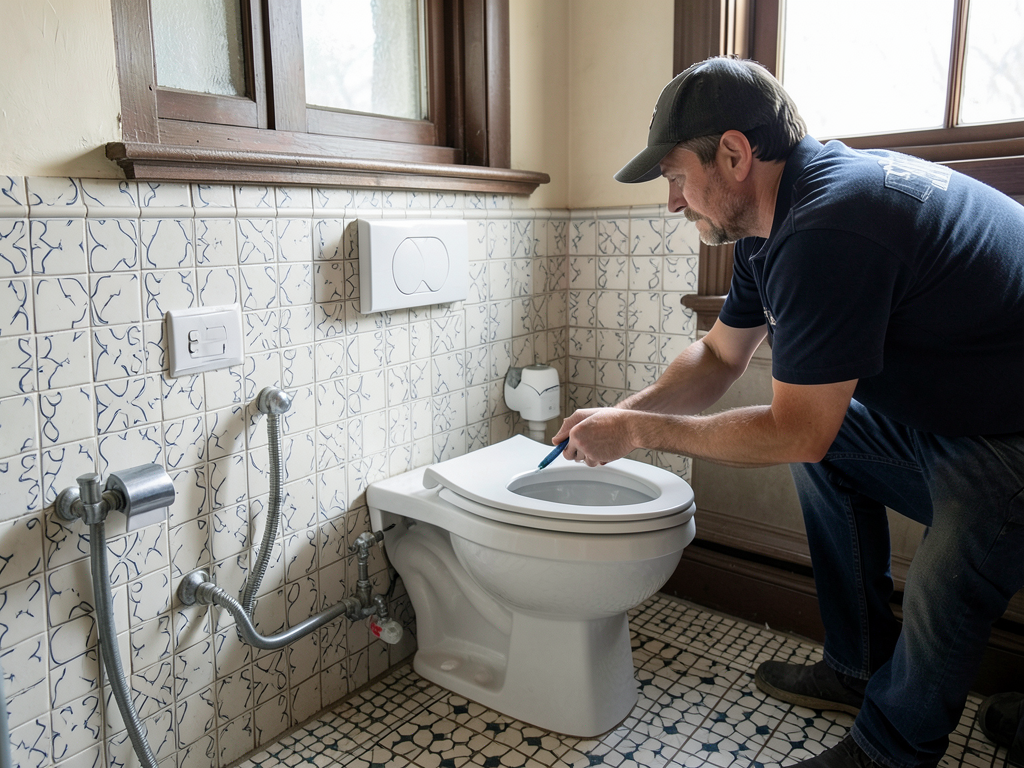
Using acoustic sensors and thermal imaging, we trace supply lines through walls, crawl spaces, and slabs to locate the exact breach point. In Washington, D.C.'s older housing stock, this often means scanning cast iron stacks, lead service laterals, and corroded galvanized risers. We test each fixture individually, checking flappers, fill valves, and cartridge seals. A running toilet or weeping pressure relief valve often accounts for the sudden spike in water bill residents experience.
03

Repair and Usage Verification

Once we identify the source, we execute the necessary repair, whether that is replacing a corroded section of pipe, installing a new flapper assembly, or adjusting a malfunctioning pressure regulator. We then conduct a follow-up meter test to confirm the leak has stopped. You receive a detailed report of findings, repairs completed, and expected monthly water consumption. This documentation is critical if you need to dispute prior billing with DC Water.

Why Washington, D.C. Homeowners Trust Crestline Plumbing for Water Bill Investigations

Washington, D.C. is not a typical city. Your plumbing is not typical either. The District's building codes, enforced by the Department of Consumer and Regulatory Affairs, demand strict adherence to backflow prevention, lead service line replacement protocols, and water conservation standards. A plumber unfamiliar with DC Water's infrastructure or the city's unique regulatory environment will miss critical context.

We understand the challenges specific to Washington's housing. If you own a Victorian row home in Logan Circle, your supply line likely runs through a shared wall with limited access points. If you live in a pre-war apartment building in Cleveland Park, your plumbing may still use outdated galvanized steel that corrodes from the inside out. We have worked in every ward, from Anacostia to Tenleytown, and we know how age, soil composition, and municipal water pressure affect your system.

The District's water contains chloramine, a disinfectant that degrades rubber seals faster than chlorine alone. This accelerates wear on toilet flappers, faucet washers, and appliance hoses. We account for this when diagnosing an unexplained high water bill, checking components that other plumbers overlook.

We also navigate DC Water's billing disputes on your behalf. If a sudden spike in water bill results from a leak you could not have detected without specialized equipment, you may qualify for a billing adjustment. We provide the documentation, photographs, and repair invoices required to support your claim. We have helped dozens of homeowners recover hundreds of dollars through this process.

You need a plumber who knows the difference between a standard code violation and a DC-specific issue. We do. That expertise protects your home and your wallet.

What Happens When You Call Crestline Plumbing About High Water Bills

Same-Day Diagnostic Appointments

We know you cannot afford to wait while your meter spins. We offer same-day diagnostic appointments for homeowners in Washington, D.C. experiencing a sudden spike in water bill. Our technicians arrive equipped with acoustic leak detection tools, pressure gauges, and flow meters. Most diagnostics take 60 to 90 minutes. You receive an explanation of findings on-site, not days later. If the issue requires immediate repair to stop ongoing water loss, we can often complete the work during the same visit, eliminating further delay and expense.

Transparent Diagnostic Process

You will never wonder what we are doing or why. We walk you through each step of the investigation. We show you the meter test results. We explain how acoustic sensors identify leaks through walls and slabs. If we find a faulty fill valve or corroded pipe joint, we show you the failed component and explain how it caused excessive water usage. You receive a written diagnostic report that details the problem, the recommended repair, and the expected impact on your water consumption. No jargon. No upselling. Just facts.

Verified Leak Repair

We do not just fix the leak. We verify the repair worked. After replacing a section of pipe, resealing a valve, or installing a new fixture, we conduct a post-repair meter test to confirm zero flow with all fixtures closed. We document the before and after readings. This verification is critical if you plan to dispute your skyrocketing water bill with DC Water. It proves the leak is resolved and that future billing should return to normal consumption levels. You leave with confidence, not just hope.

Ongoing Monitoring Guidance

A single repair does not prevent future problems. We provide guidance on how to monitor your water usage moving forward. We recommend checking your meter monthly, especially after seasonal temperature swings that stress pipes. We explain how to read DC Water's tiered billing structure so you understand where your consumption falls. If your home has risk factors like old galvanized piping or a history of foundation settling, we outline a maintenance plan to catch small issues before they become expensive surprises. Prevention is always cheaper than reaction.

Frequently Asked Questions

You Have Questions,
We Have Answers

What runs your water bill up the most? +

Toilet leaks and running toilets waste the most water in Washington, D.C. homes. A leaking flapper valve can waste 200 gallons per day without making noise. Outdoor irrigation ranks second, especially during humid D.C. summers when homeowners overwater lawns. Long showers and inefficient fixtures also drive up bills. Older homes in neighborhoods like Capitol Hill and Georgetown often have outdated galvanized pipes prone to pinhole leaks behind walls. Check your toilet for silent leaks by adding food coloring to the tank. If color appears in the bowl within 15 minutes, you need a flapper replacement.

Why is my water bill so high out of nowhere? +

A sudden spike usually means a leak developed recently. Running toilets, burst pipes, or failing water heaters are common culprits. In Washington, D.C., seasonal ground shifting from freeze-thaw cycles can crack underground service lines. Check your meter when no water is running. If the dial moves, you have a leak. Irrigation systems in D.C. yards sometimes develop cracks after winter or get stuck in the on position. DC Water bills bimonthly, so usage from two months appears at once. Review your consumption history on the bill to pinpoint when usage jumped. Address leaks immediately to avoid wastewater charges.

How to tell if you have a water leak on the meter? +

Turn off all water fixtures, appliances, and ice makers inside your home. Locate your water meter, usually in the basement or outside near the property line in Washington, D.C. Check the leak indicator, a small triangle or dial that spins when water flows. If it moves with everything off, you have a leak between the meter and your house. Write down the meter reading, wait one hour without using water, then check again. Any change confirms a leak. Many D.C. homes have meters in meter pits near the sidewalk. Lift the cover carefully and note the sweep hand position.

How much should a normal water bill be per month? +

Washington, D.C. water bills average $50 to $80 monthly for a household using 4 to 6 CCF (about 3,000 to 4,500 gallons). DC Water charges tiered rates, so higher usage costs more per unit. A single person typically uses 2 to 3 CCF monthly. Families of four average 5 to 7 CCF. Bills include water, sewer, and the Clean Rivers Impervious Area Charge based on property size. Older rowhouses in Shaw or Dupont Circle with inefficient fixtures may see higher bills. Compare your CCF usage on your bill to prior months, not just the dollar amount, since rates change.

How do I check for hidden leaks? +

Check under sinks, around water heaters, and near washing machine hoses for moisture or corrosion. In Washington, D.C. basements, look for water stains on foundation walls or damp spots on concrete floors. Monitor your water meter for movement when all fixtures are off. Listen for hissing sounds near toilets or pipes. Check outdoor spigots and irrigation lines, especially after winter freezes common in D.C. Inspect your water heater's pressure relief valve for dripping. Look at your water bill for usage spikes. Dye-test toilets by adding food coloring to tanks. Hidden slab leaks require professional leak detection equipment.

What wastes the most water in a house? +

Toilets waste the most water, using 1.6 to 7 gallons per flush depending on age. Older toilets in historic Washington, D.C. homes built before 1994 use 3.5 to 7 gallons per flush. A leaking toilet can waste 200 gallons daily. Showers rank second at 2.5 gallons per minute for standard heads. Clothes washers use 15 to 30 gallons per load. Outdoor irrigation wastes significant water, especially with broken sprinkler heads or overwatering during D.C.'s humid summers. Faucet leaks dripping once per second waste 3,000 gallons yearly. Upgrade to WaterSense-labeled fixtures to cut consumption by 20 percent.

Why did my water bill go up $300? +

A $300 spike signals a major leak or broken pipe. Common causes include burst washing machine hoses, failed water heater tanks, or cracked underground service lines. In Washington, D.C., winter freeze damage to exterior pipes can go unnoticed until spring. Toilet flappers that fail completely can run continuously, adding thousands of gallons. Irrigation systems stuck on or with broken zone valves waste water for days. Check your meter immediately. If it spins rapidly with everything off, shut your main valve and call a plumber. Review your bill's CCF usage compared to normal months. Address the leak before the next billing cycle.

How can I check for water leaks? +

Start by checking your water meter with all fixtures off. If the leak indicator moves, you have an active leak. Inspect visible pipes under sinks, around water heaters, and in basements common in D.C. rowhouses. Check toilets by adding food coloring to tanks. Look for wet spots on walls, ceilings, or floors. Listen for running water sounds when the house is quiet. Inspect outdoor spigots and irrigation lines. Check your water bill for unusual consumption increases measured in CCF. For hidden leaks in walls or under slabs, professional plumbers use acoustic listening devices and thermal imaging cameras to pinpoint the source.

Is it cheaper to shower or bathe? +

Showers use less water if kept under eight minutes. A standard showerhead flows 2.5 gallons per minute, so an eight-minute shower uses 20 gallons. A full bathtub holds 30 to 50 gallons depending on size. Older clawfoot tubs common in Washington, D.C. rowhouses hold more. If you shower longer than 12 minutes, baths use less water. Low-flow showerheads at 2.0 gallons per minute reduce shower costs further. For families, showers beat baths. Track your water bill in CCF to see actual usage patterns. Install a WaterSense showerhead to cut consumption by 20 percent without losing pressure.

How do plumbers detect a water leak? +

Plumbers use acoustic leak detection equipment to listen for water escaping pipes behind walls or under slabs. In Washington, D.C. homes with finished basements or brick construction, thermal imaging cameras identify temperature changes where water seeps. Tracer gas detection pumps harmless gas through empty pipes, then sensors locate where it escapes. For pressurized systems, plumbers isolate sections and monitor pressure drops. Video pipe inspection uses cameras on flexible cables to inspect drain lines and sewer laterals. Moisture meters detect hidden water in drywall or flooring. These tools pinpoint leaks without demolition, saving repair costs in older D.C. properties with plaster walls.

How Washington, D.C.'s Aging Infrastructure Drives Unexplained High Water Bills

Washington, D.C. has more than 1,300 miles of water mains, many installed before World War II. Neighborhoods like Capitol Hill, Georgetown, and Brookland still rely on cast iron and galvanized steel pipes that corrode internally, creating rough surfaces that trap sediment and reduce flow. When these mains experience pressure fluctuations from municipal repairs or seasonal demand spikes, the stress transfers to your home's lateral service line. A corroded joint cracks. A fitting loosens. Water escapes into the ground, and your meter keeps running. In areas with expansive clay soil, like Anacostia and Congress Heights, ground movement from wet and dry cycles shifts pipes, breaking seals and creating slow leaks that cause a sudden spike in water bill months after the initial damage occurs.

DC Water's chloramine disinfection process, while effective at preventing bacterial growth, accelerates the degradation of rubber seals in toilets, faucets, and appliance hoses. This is a known issue in the District, yet many plumbers outside the area do not account for it when diagnosing excessive water usage. We do. We know which fixtures fail first and how to inspect them properly. Our familiarity with DC-specific building codes, backflow prevention requirements, and lead service line replacement protocols means we catch issues that generalist contractors miss. When you hire Crestline Plumbing Washington DC, you hire someone who knows this city's water infrastructure as well as the engineers who designed it.
Plumbing Services in The Washington DC Area

Our service area is conveniently located to provide fast and efficient plumbing solutions to residents and businesses throughout the Washington DC area. We are dedicated to ensuring that no matter where you are, a trusted and reliable plumber is just a call away. Our map provides a visual representation of our service coverage, helping you to quickly and easily locate our trusted team.

Address:
Crestline Plumbing Washington DC, 1140 3rd St NE, Washington, DC, 20002

Additional Services We Offer

Our news updates

Latest Articles & News from The Blogs

Deciding Between a Tankless or Storage Tank Water Heater for Your Growing Family in Fort Davis Choosing the right water…

Deciding Between a Tankless or Storage Tank Water Heater for Your Growing Family in Fort Davis

Deciding Between a Tankless or Storage Tank Water Heater for Your Growing Family in Fort Davis Choosing the right water…

The Challenges of Adding a Sink to Your Kitchen Island in a Brentwood Rowhome

The Challenges of Adding a Sink to Your Kitchen Island in a Brentwood Rowhome Adding a sink to your kitchen…

How to Choose Between a Vertical and Horizontal Grease Interceptor for Your Navy Yard Restaurant

How to Choose Between a Vertical and Horizontal Grease Interceptor for Your Navy Yard Restaurant Running a restaurant in Navy…

Contact Us

Every day you wait, your skyrocketing water bill gets worse. Call Crestline Plumbing Washington DC at (771) 223-8111 for same-day leak detection and repair. We find the problem, fix it, and verify the results so your next bill reflects what you actually use.