Menu

Preventative Commercial Maintenance in Washington, D.C. – Eliminate Emergency Shutdowns and Protect Your Bottom Line

Scheduled commercial plumbing upkeep designed to minimize tenant complaints, avoid code violations, and keep your property operating without costly disruptions across the District.

Slider Image 1
Slider Image 2
Slider Image 3
Slider Image 4
Slider Image 5
Slider Image 7
Slider Image 8
Slider Image 9
Slider Image 10
Slider Image 11

Why Commercial Properties in Washington, D.C. Fail Without Routine Plumbing Inspections

The commercial buildings lining K Street and surrounding Dupont Circle were built across decades with varying pipe materials, backflow prevention standards, and water pressure tolerances. Washington, D.C.'s aggressive water chemistry, combined with high mineral content from the Potomac Filtration Plant, accelerates corrosion inside galvanized pipes and older brass fittings. Add frequent temperature swings between winter freeze events and summer humidity, and you create ideal conditions for hidden slab leaks, pinhole leaks in copper lines, and valve seat deterioration.

Most commercial property managers only call when tenants complain about low water pressure or when a restroom floods during business hours. By then, the damage extends beyond the visible failure point. Corroded supply lines leak slowly behind drywall for months. Clogged floor drains in basement mechanical rooms back up during heavy rain events common along the Anacostia River basin. Backflow preventers required under D.C. Department of Energy and Environment regulations fail silently until cross-contamination becomes a liability issue.

Commercial plumbing maintenance plans address these risks before they trigger emergency service calls. Routine commercial plumbing inspections catch calcium buildup in tankless water heater heat exchangers, detect failing pressure-reducing valves in multi-story office buildings, and identify compromised sewer laterals before root intrusion causes a total blockage. Preventive commercial plumbing services reduce your exposure to business interruption, protect tenant relationships, and eliminate the premium cost of after-hours emergency repairs. Commercial plumbing service agreements shift you from reactive crisis management to predictable operational budgets.

Why Commercial Properties in Washington, D.C. Fail Without Routine Plumbing Inspections
How Crestline Plumbing Washington DC Delivers Predictable Commercial Upkeep

How Crestline Plumbing Washington DC Delivers Predictable Commercial Upkeep

We do not sell you a generic checklist and disappear. Our commercial plumbing maintenance plans begin with a full-system baseline assessment using hydrostatic testing on closed-loop systems, video camera inspection of drain lines, and flow rate measurements at each fixture group. We document existing conditions, identify code deficiencies under current D.C. Construction Codes, and prioritize repairs based on failure probability and business impact.

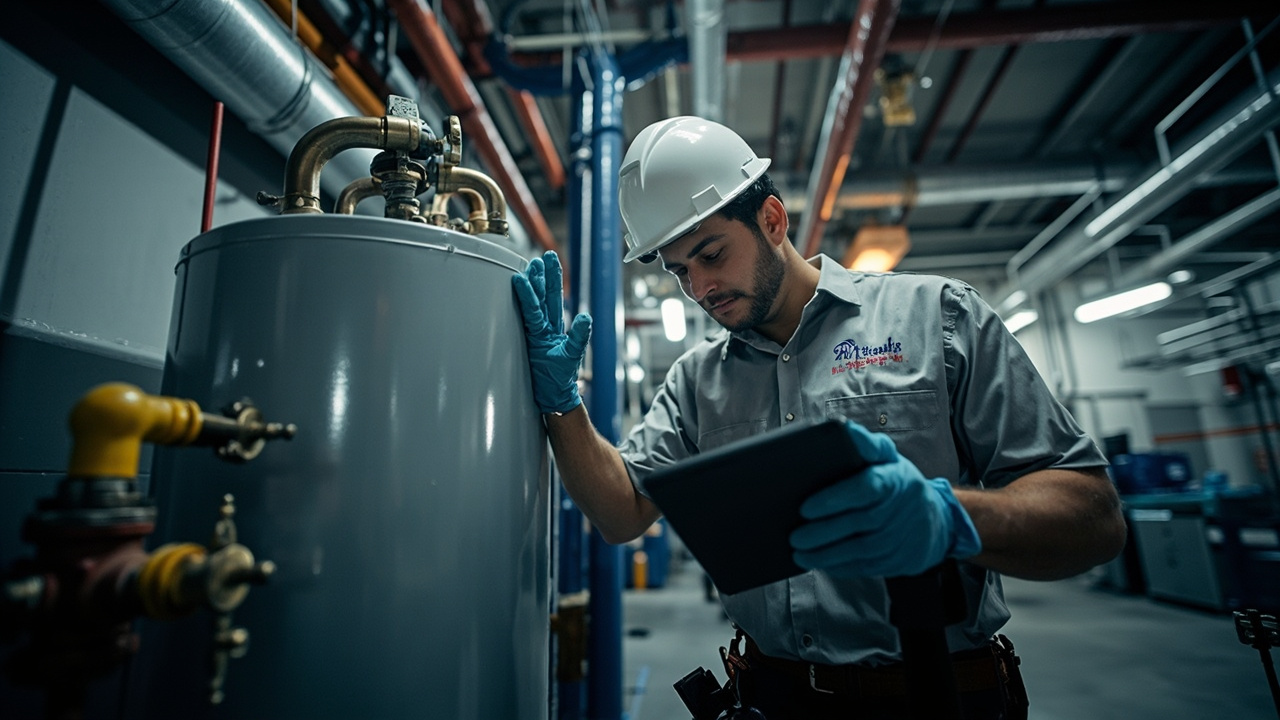
Your scheduled commercial plumbing upkeep includes quarterly inspections of backflow prevention assemblies, annual testing of pressure-reducing valves and thermal expansion tanks, biannual water heater flushes to remove sediment, and real-time monitoring of grease trap performance in food service establishments. We replace anode rods before they disintegrate, clear condensate lines on rooftop HVAC units before they flood ceiling plenums, and verify that sump pumps in below-grade parking garages cycle correctly during storm events.

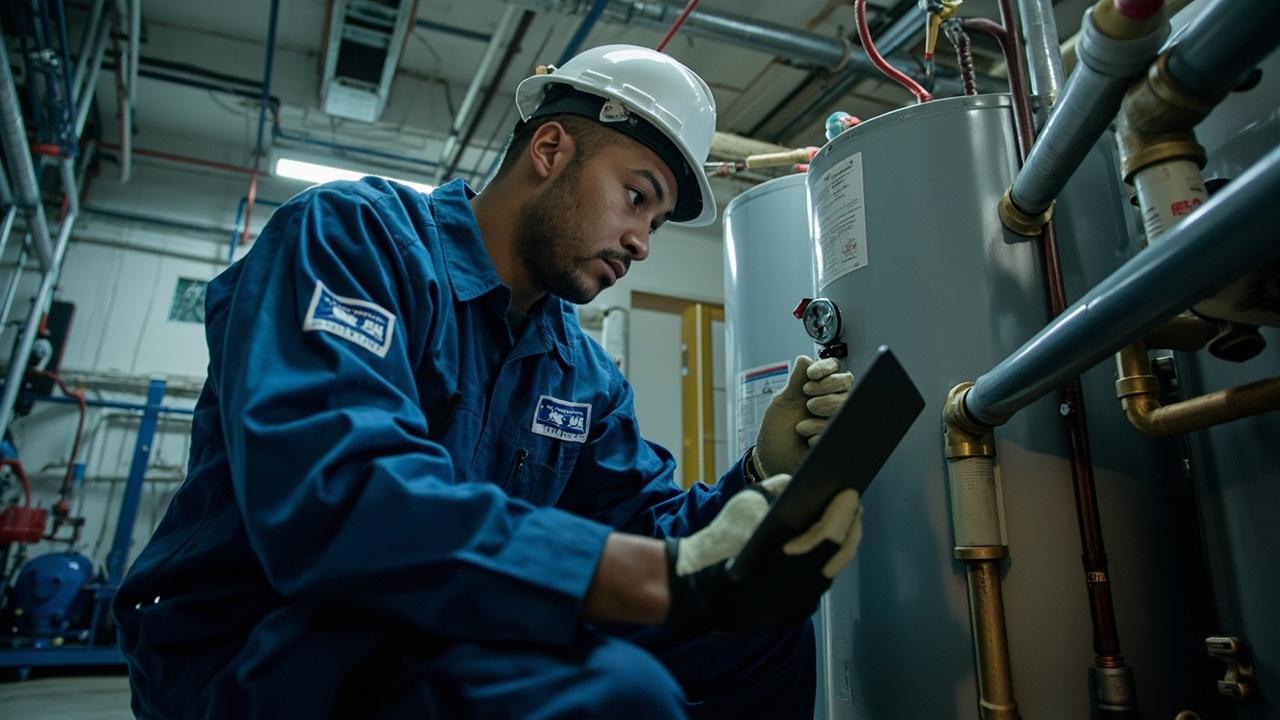
We track every inspection in a digital service log accessible to property managers and building engineers. You receive annotated photos of valve conditions, flow test results, and thermal imaging of concealed piping where heat loss indicates active leaks. When we identify a component nearing end-of-life, you receive a replacement quote with lead time estimates so you can budget the work during planned downtime instead of scrambling during a weekend flood.

Routine commercial plumbing inspections also cover compliance items often missed during Certificate of Occupancy renewals. We verify that your backflow devices carry current certification tags, confirm that fixture counts match your water service capacity, and document proper air gaps on indirect waste connections. This eliminates last-minute violations that delay tenant move-ins or trigger stop-work orders from D.C. Water.

What Happens During Your Commercial Maintenance Visit

Preventative Commercial Maintenance in Washington, D.C. – Eliminate Emergency Shutdowns and Protect Your Bottom Line
01

System Evaluation and Documentation

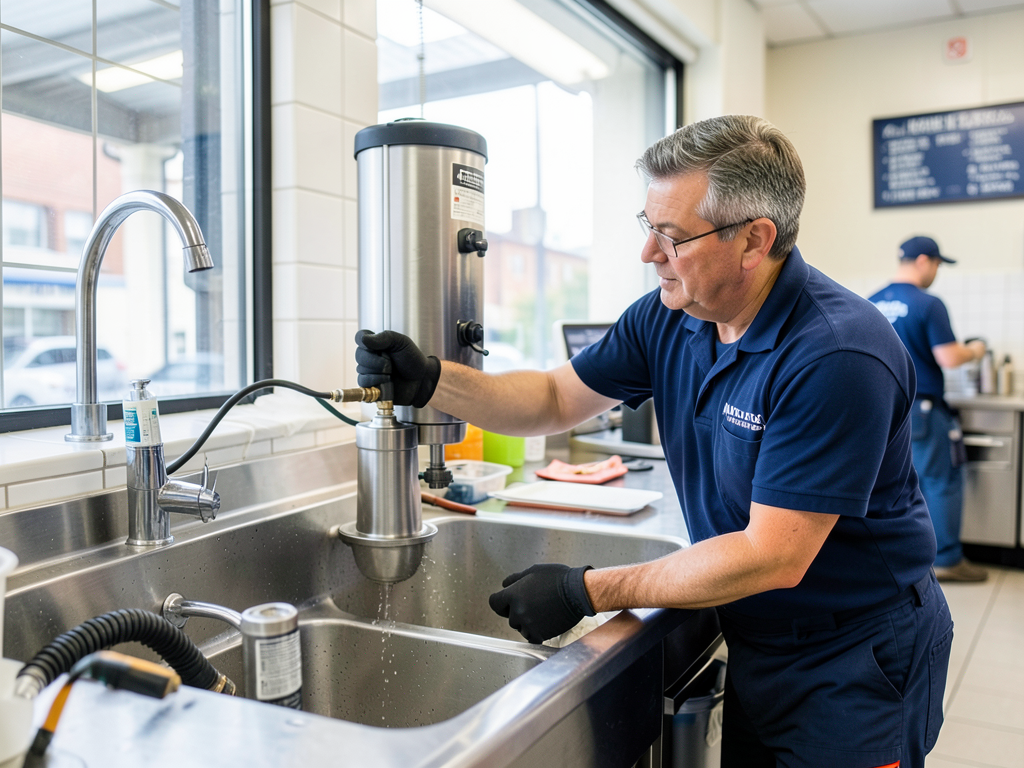
We start with a walkthrough of all plumbing zones, mechanical rooms, and tenant spaces. Our technicians test water pressure at fixture groups, inspect shutoff valves for operational integrity, and verify that all backflow prevention devices hold proper certification. We document pipe material types, identify any previous repairs, and photograph valve tags and equipment nameplates. This creates a permanent service record tied to your property address and allows us to track degradation over time.
02

Preventive Adjustments and Cleaning

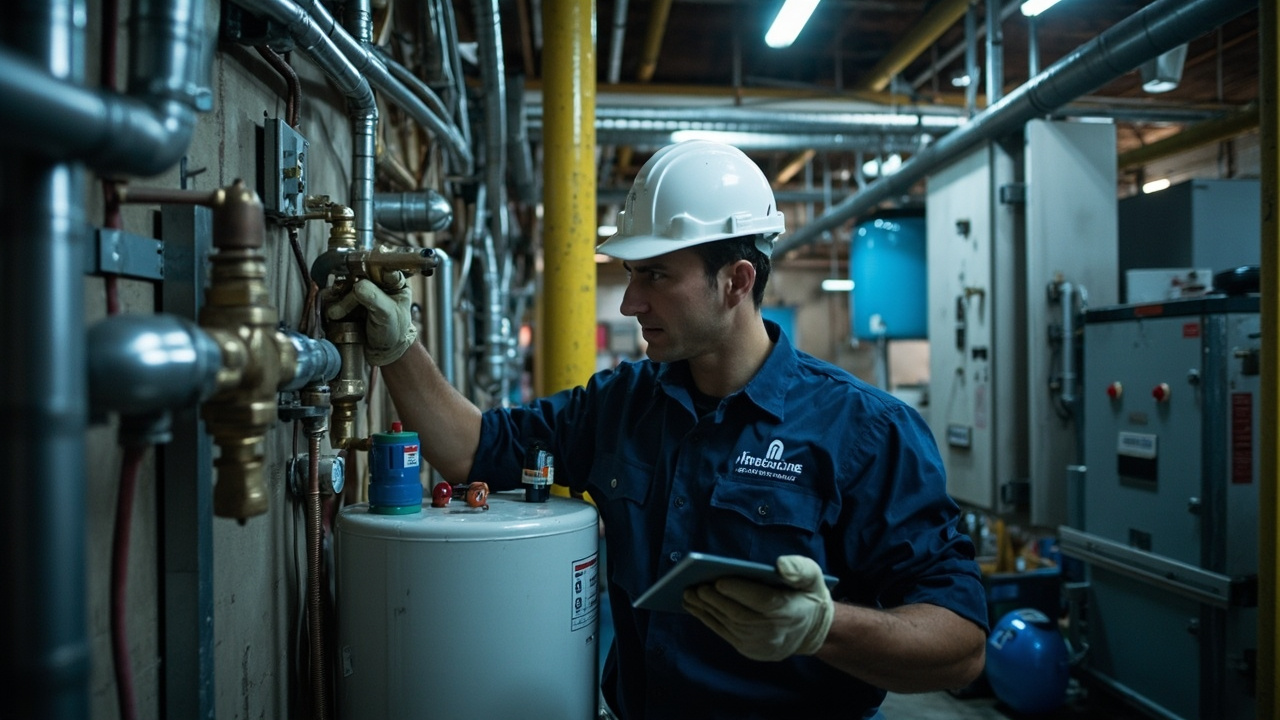
During each visit, we perform maintenance tasks that extend component life. This includes flushing sediment from water heaters, lubricating gate valves and ball valves, clearing aerator screens clogged with mineral deposits, and testing temperature and pressure relief valves. We inspect drain traps for proper venting, clear floor drain debris, and verify that grease interceptors meet pumping schedules. If we find a minor issue like a dripping flushometer or a loose supply line connection, we fix it on the spot before it becomes an emergency.
03

Reporting and Recommendations

You receive a detailed service report within 24 hours of each visit. The report includes completed tasks, findings, and prioritized recommendations with cost estimates. We flag items requiring immediate attention, components that should be budgeted for replacement within six months, and long-term capital improvements. This allows you to plan expenditures, avoid surprise failures, and demonstrate proactive facility management to ownership groups or investors. We also update your digital service log so every visit builds on the last.

Why D.C. Property Managers Choose Local Commercial Plumbing Expertise

Washington, D.C. operates under unique regulatory requirements that out-of-state contractors often miss. D.C. Water mandates annual backflow testing on all commercial properties with irrigation systems, fire suppression connections, or auxiliary water sources. The D.C. Department of Buildings requires plumbing permits for water heater replacements over 120 gallons and any work affecting fire sprinkler risers. Properties within the Chesapeake Bay Watershed face additional stormwater management rules that impact how you handle condensate discharge and floor drain routing.

Crestline Plumbing Washington DC maintains relationships with D.C. Water inspectors, understands the permitting process at the Department of Consumer and Regulatory Affairs, and knows which valve manufacturers supply parts compatible with older buildings in Shaw and Columbia Heights. We respond to service calls faster because our trucks operate from a central District location, not a suburban warehouse 40 minutes away in Maryland or Virginia.

We also understand the operational constraints of urban commercial properties. You cannot shut down water to an entire office tower during business hours without coordinating with dozens of tenants. Older buildings along Connecticut Avenue often lack isolation valves on individual floors, requiring building-wide shutdowns that must occur overnight or on weekends. We schedule preventive work during low-occupancy windows, coordinate with building engineers to notify tenants in advance, and complete tasks efficiently to minimize disruption.

Our commercial plumbing service agreements include priority scheduling, so routine maintenance visits happen on your calendar, not ours. You avoid the scheduling chaos of calling multiple contractors for different systems. One point of contact manages your entire plumbing infrastructure, tracks warranty periods on replaced components, and ensures compliance documentation stays current for audits or property sales.

What Your Commercial Maintenance Agreement Includes

Scheduling Flexibility and Consistency

We assign you a dedicated account manager who coordinates all service visits around your building occupancy schedule. Quarterly inspections occur on the same week each cycle, allowing your property management team to plan around maintenance windows. If you need to reschedule due to tenant events or building emergencies, we adjust without penalties. Emergency service requests from agreement clients receive priority dispatch, typically within two hours during business days. You also gain access to after-hours support for issues that cannot wait until Monday morning.

Comprehensive Inspection Protocols

Each visit follows a standardized checklist tailored to your building type and plumbing infrastructure. We inspect water heaters for sediment buildup and anode rod condition, test all pressure-reducing valves for correct output, verify backflow preventer operation, examine exposed piping for corrosion or leaks, and assess drain line performance. High-rise buildings receive additional checks on booster pump operation, expansion tank pre-charge pressure, and roof drain integrity. Food service tenants receive grease trap inspections to verify pumping compliance and prevent sewer backups.

Transparent Reporting and Cost Control

You receive digital service reports with time-stamped photos, test results, and annotated diagrams showing problem locations. Recommendations include severity ratings so you can distinguish between immediate safety hazards and components that can be scheduled during the next budget cycle. Preventive commercial plumbing services reduce your total maintenance spend by catching small issues before they escalate into multi-day shutdowns requiring expedited parts orders and overtime labor. You also avoid the inflated pricing that comes with emergency service calls when you have no leverage to negotiate.

Compliance Documentation and Audit Readiness

We maintain a digital archive of all inspection reports, backflow test certifications, and equipment maintenance records required under D.C. Department of Energy and Environment regulations. When you face a building audit, Certificate of Occupancy renewal, or property sale due diligence, you have a complete compliance history available within hours. We also track equipment warranty periods and notify you before coverage expires so you can address defects while still protected. This eliminates gaps in documentation that trigger violations or complicate insurance claims after water damage events.

Frequently Asked Questions

You Have Questions,
We Have Answers

What are the 5 types of preventive maintenance? +

The five core types of preventive maintenance are time-based, usage-based, condition-based, predictive, and risk-based. Time-based maintenance follows fixed schedules, like quarterly inspections. Usage-based triggers after set hours of equipment operation. Condition-based relies on real-time monitoring data to detect wear. Predictive uses analytics and sensors to forecast failures before they occur. Risk-based prioritizes critical systems that impact operations most. For Washington, D.C. commercial properties, combining time-based and condition-based approaches works well given seasonal humidity shifts and aging building stock common in older downtown districts.

How much does preventive maintenance cost for commercial HVAC? +

Commercial HVAC preventive maintenance costs depend on system size, building square footage, equipment age, and service frequency. Multi-zone rooftop units serving larger buildings require more labor than single-zone systems. Washington, D.C. properties face additional costs related to high humidity control and ventilation demands for dense occupancy. Quarterly service contracts typically cost less per visit than annual agreements. Cost factors include refrigerant type, filter specifications, and after-hours access requirements. Investing in regular maintenance reduces emergency repair expenses and extends equipment lifespan, offsetting upfront costs through lower energy bills and fewer disruptions.

What are the 7 elements of preventive maintenance? +

The seven elements of preventive maintenance include inspection, cleaning, lubrication, adjustment, calibration, testing, and component replacement. Inspection identifies wear and defects early. Cleaning removes debris that reduces efficiency. Lubrication prevents friction damage. Adjustment ensures proper settings and tolerances. Calibration maintains accurate operation. Testing verifies system performance. Component replacement addresses wear before failure occurs. For Washington, D.C. commercial facilities, these elements apply to plumbing systems prone to sediment buildup from Potomac River-sourced water, HVAC systems battling summer humidity, and rooftop equipment exposed to freeze-thaw cycles.

What are examples of preventative maintenance? +

Examples of preventative maintenance include drain line flushing to prevent blockages, water heater anode rod replacement to extend tank life, backflow preventer testing to ensure code compliance, and pressure regulator inspection to protect fixtures. Commercial properties benefit from scheduled tasks like grease trap pumping, sump pump testing, roof drain cleaning, and fixture seal replacement. In Washington, D.C., preventative maintenance addresses specific challenges like cast iron pipe corrosion common in older buildings near Capitol Hill, seasonal freeze protection for exterior plumbing, and hard water scale removal to maintain efficiency in high-use restrooms.

How D.C. Water Chemistry and Aging Infrastructure Drive Commercial Plumbing Failures

Washington, D.C.'s municipal water supply comes from the Potomac River, treated at the Washington Aqueduct before distribution through D.C. Water's network. The water carries moderate hardness levels and chloramine disinfection, which corrodes older copper piping faster than chlorine-based treatment. Buildings constructed before 1986 often contain galvanized steel supply lines that develop interior rust scale, reducing flow rates and releasing sediment into fixture aerators. Properties near the Anacostia River also face higher water table levels, increasing hydrostatic pressure on basement slab floors and creating conditions for floor drain backups during heavy rain events common in spring and late summer. Routine commercial plumbing inspections catch these slow-developing failures before they force emergency shutdowns.

D.C. Department of Consumer and Regulatory Affairs enforces strict backflow prevention standards for any commercial property with auxiliary water sources, including cooling towers, irrigation systems, and fire suppression connections. Failure to test backflow devices annually results in compliance violations and potential fines. Crestline Plumbing Washington DC holds certifications recognized by D.C. Water and maintains testing equipment calibrated to District standards. We understand the permitting requirements for commercial properties in historic districts like Georgetown, where exterior work requires approval from the Historic Preservation Review Board. Choosing local expertise means you avoid delays, compliance gaps, and the inefficiency of contractors unfamiliar with D.C.'s regulatory environment.
Plumbing Services in The Washington DC Area

Our service area is conveniently located to provide fast and efficient plumbing solutions to residents and businesses throughout the Washington DC area. We are dedicated to ensuring that no matter where you are, a trusted and reliable plumber is just a call away. Our map provides a visual representation of our service coverage, helping you to quickly and easily locate our trusted team.

Address:
Crestline Plumbing Washington DC, 1140 3rd St NE, Washington, DC, 20002

Additional Services We Offer

Our news updates

Latest Articles & News from The Blogs

Deciding Between a Tankless or Storage Tank Water Heater for Your Growing Family in Fort Davis Choosing the right water…

Deciding Between a Tankless or Storage Tank Water Heater for Your Growing Family in Fort Davis

Deciding Between a Tankless or Storage Tank Water Heater for Your Growing Family in Fort Davis Choosing the right water…

The Challenges of Adding a Sink to Your Kitchen Island in a Brentwood Rowhome

The Challenges of Adding a Sink to Your Kitchen Island in a Brentwood Rowhome Adding a sink to your kitchen…

How to Choose Between a Vertical and Horizontal Grease Interceptor for Your Navy Yard Restaurant

How to Choose Between a Vertical and Horizontal Grease Interceptor for Your Navy Yard Restaurant Running a restaurant in Navy…

Contact Us

Stop managing plumbing failures and start preventing them. Call Crestline Plumbing Washington DC at (771) 223-8111 to schedule your baseline system evaluation. We will identify hidden risks, provide a transparent maintenance proposal, and deliver predictable upkeep that protects your property investment.