Menu

Backflow Prevention & Testing in Washington, D.C. | Protect Your Water Supply from Contamination

Crestline Plumbing Washington DC delivers certified backflow prevention testing and inspection services that keep your drinking water safe, your property compliant with DC Water regulations, and your backflow assembly functioning correctly.

Slider Image 1
Slider Image 2
Slider Image 3
Slider Image 4
Slider Image 5
Slider Image 7
Slider Image 8
Slider Image 9
Slider Image 10
Slider Image 11

Why Backflow Prevention Matters in Washington, D.C.

Your drinking water flows one direction under normal conditions. When pressure drops or reverses, contaminated water can flow backward into the clean supply. This is backflow, and it happens more than you think in Washington, D.C.

The District's aging water infrastructure creates pressure fluctuations. When a water main breaks on Pennsylvania Avenue or contractors open hydrants in Georgetown, the sudden pressure drop can pull dirty water back through your plumbing. Commercial buildings near the Potomac face additional risks from elevation changes that create natural siphon conditions.

DC Water requires annual backflow certification for any property with irrigation systems, fire suppression lines, or commercial kitchens. The backflow assembly testing ensures your backflow preventer inspection confirms the device actually works. A failed test means contaminated water could enter your building's potable supply.

Most property owners discover compliance issues during inspections or water audits. The backflow device testing is not optional. DC regulations mandate certified testers use calibrated gauges to document check valve function, relief valve operation, and proper differential pressure. Your backflow prevention compliance protects public health and avoids fines that start at five hundred dollars and escalate with repeated violations.

Residents in Capitol Hill and Dupont Circle often install backflow preventers when adding irrigation zones or connecting auxiliary water sources. The device sits between your clean water supply and potential contamination sources. Without proper testing, you have no confirmation the assembly functions when pressure reverses.

Why Backflow Prevention Matters in Washington, D.C.
How We Test and Certify Your Backflow Assembly

How We Test and Certify Your Backflow Assembly

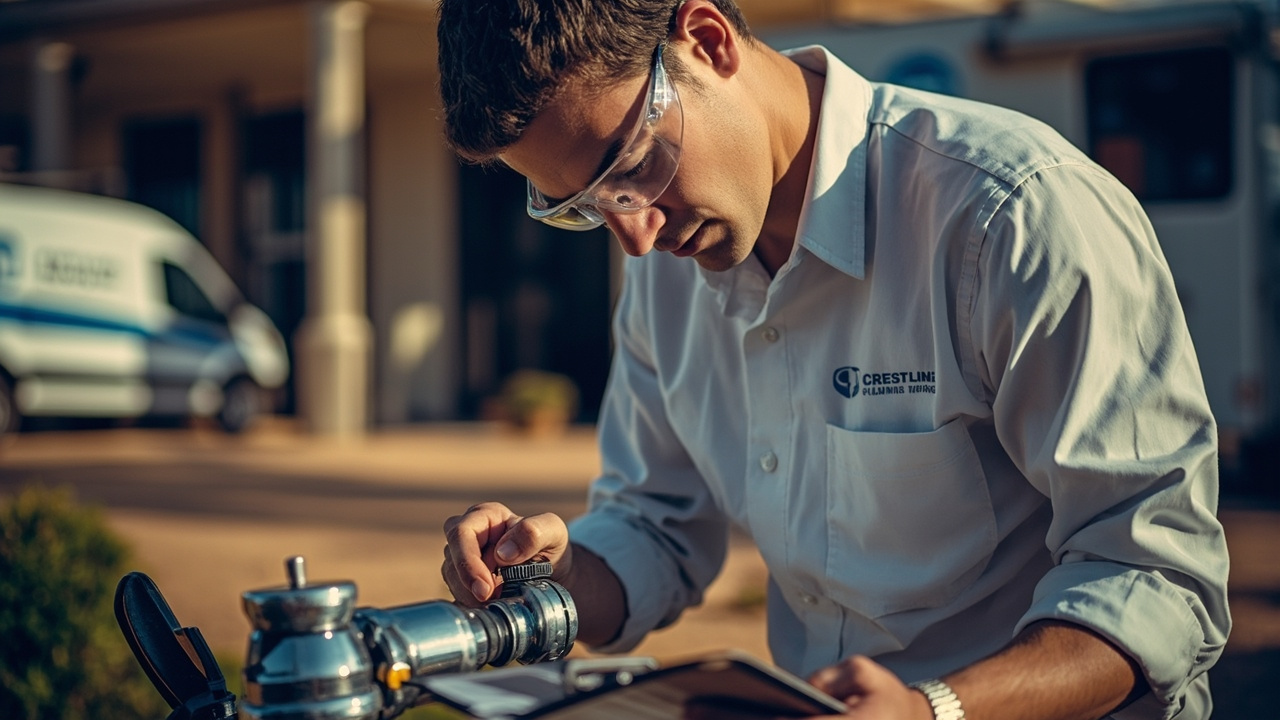
Backflow testing is not a visual inspection. You need calibrated differential pressure gauges and specific test procedures for each assembly type. We follow American Water Works Association standards and DC Water protocols for every backflow preventer inspection.

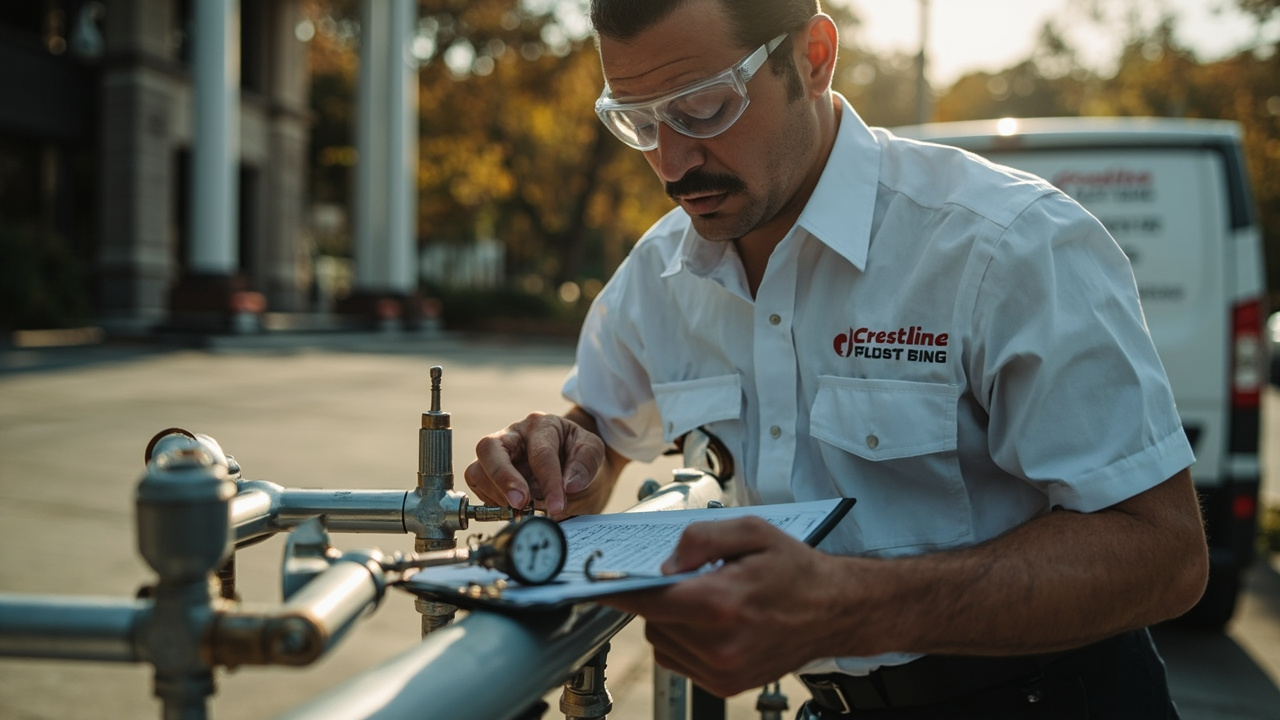
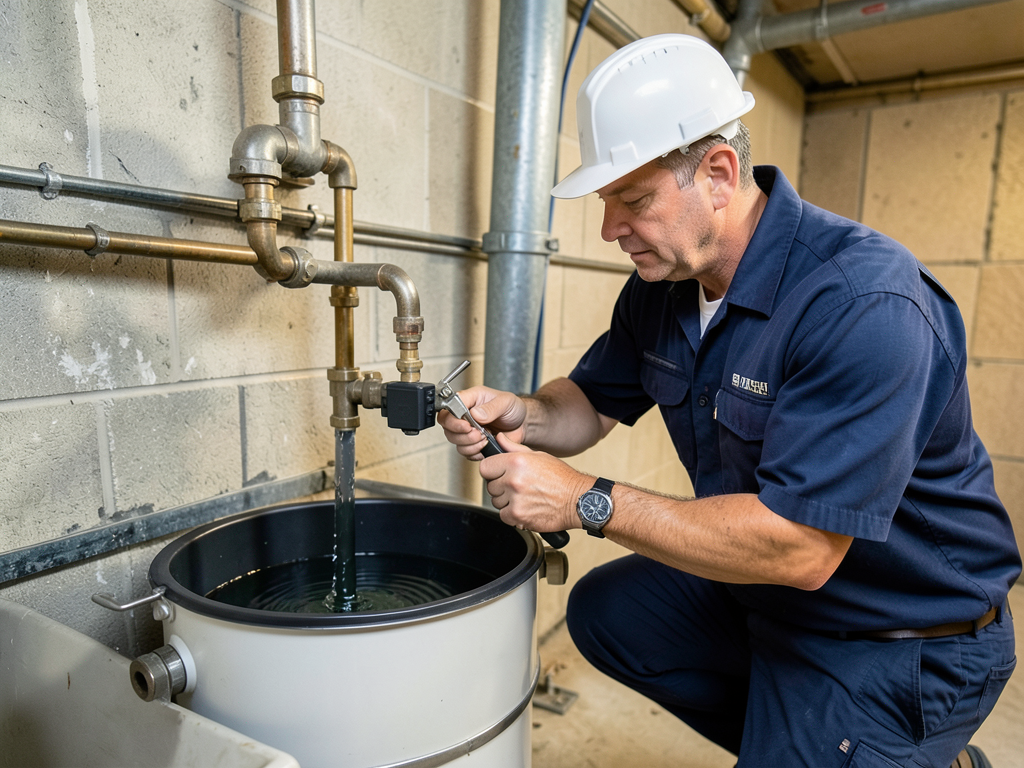
The process starts by identifying your assembly type. Reduced pressure zone devices, double check valves, and pressure vacuum breakers each require different test sequences. We shut off downstream water, attach test gauges to the test cocks, and measure pressure differentials across the check valves and relief valve.

For an RPZ assembly, we verify the relief valve opens before the differential between the first and second check drops below the specified psi. If the relief valve sticks or the checks leak, the assembly fails. We document exact pressure readings at each test point because DC Water reviews these numbers during compliance audits.

Commercial properties need more extensive backflow assembly testing. A restaurant on H Street with a grease trap, dishwasher, and ice machine may have three separate assemblies. We test each one, tag it with the test date, and submit certification paperwork to DC Water within the required timeframe.

We replace failed components on-site when possible. A worn check valve or debris-clogged relief valve can be rebuilt without replacing the entire assembly. Older units with corroded bodies or broken test cocks need full replacement to meet current backflow prevention compliance standards.

Annual backflow certification is not just about avoiding fines. The test confirms your protection against sewage, chemicals, and bacteria entering the water supply. We complete the paperwork, submit it to DC Water, and provide you with documentation for your property records.

What Happens During Your Backflow Test Appointment

Backflow Prevention & Testing in Washington, D.C. | Protect Your Water Supply from Contamination
01

Assembly Identification and Access

We locate your backflow assembly, verify the make and model, and check the last test date on the tag. Most assemblies sit in mechanical rooms, utility closets, or outdoor vaults. We confirm we have clear access to all four test cocks and the shutoff valves. If the assembly is buried or obstructed, we identify access issues before starting the test procedure.
02

Pressure Testing and Diagnostics

We attach calibrated test gauges and follow the test sequence for your specific assembly type. Each check valve and relief valve gets tested under controlled pressure conditions. We record differential pressures, relief valve opening points, and any leakage at the test cocks. The entire test takes fifteen to thirty minutes depending on assembly size and complexity. Failed components get flagged immediately.
03

Certification and Compliance Filing

We attach a dated test tag to your assembly showing pass or fail status. You receive a detailed test report with all pressure readings and component conditions. We submit your certification paperwork directly to DC Water to update your compliance status. If repairs are needed, we provide a written estimate and timeline to bring the assembly into compliance before the deadline.

Why Washington, D.C. Property Owners Choose Crestline Plumbing

Backflow testing requires DC Water certification and calibrated equipment. We maintain current credentials and annual gauge calibration certificates because DC Water audits test records. When we submit your certification, it clears the system without delays or rejections.

Most plumbing companies treat backflow testing as a sideline service. We test assemblies daily across commercial and residential properties in every ward. That volume gives us experience with every assembly manufacturer, every failure mode, and every quirk of DC Water's compliance system.

Washington, D.C. has specific requirements that differ from surrounding counties. The District requires testing for irrigation systems that Virginia does not. Commercial buildings downtown face different standards than residential properties in Anacostia. We know which properties need double check valves versus RPZ assemblies based on hazard classification and DC plumbing code.

Property managers in buildings near Logan Circle and Shaw appreciate our batch testing services. We schedule annual testing for entire portfolios, track compliance deadlines, and send reminders before certifications expire. You avoid the scramble to find a tester when DC Water sends violation notices.

Crestline Plumbing Washington DC stocks replacement parts for the assemblies we see most often in the District. Watts, Wilkins, Febco, and Ames devices get same-day repairs when components fail testing. We carry rebuild kits, relief valves, and check valve assemblies on our trucks because waiting for parts means extended non-compliance.

We explain test results in plain language. You learn why your assembly failed, what the risk means, and what repairs cost. No upselling, no scare tactics, just the technical facts about your backflow prevention system.

What to Expect from Our Backflow Testing Service

Same-Week Testing Availability

We schedule backflow tests within three to five business days of your call. Emergency compliance testing happens faster when you receive a violation notice or need immediate certification for a building permit. Most tests take thirty to forty-five minutes including paperwork. We work around your schedule for commercial properties that cannot shut down water during business hours. Early morning and weekend appointments are available for buildings that need continuous water service.

Thorough Assembly Evaluation

We test every component according to manufacturer specifications and DC Water protocols. The check valves, relief valve, and air inlet get individual pressure tests with documented readings. We inspect test cocks for leaks, check the assembly installation for proper clearances, and verify the assembly matches the hazard classification for your property. You receive a written report showing pass or fail status for each component with specific pressure measurements and any deficiencies found.

Certified Compliance Documentation

Your test report includes our tester certification number, gauge calibration dates, and all required data fields for DC Water submission. We file your certification electronically with DC Water and provide you with a stamped copy for your records. The assembly gets a dated test tag showing the next test due date. If the assembly fails, you receive a detailed repair estimate and timeline to achieve compliance before DC Water escalates enforcement.

Repair and Replacement Options

Failed assemblies need repair or replacement to pass certification. We provide both options with transparent pricing. Minor repairs like check valve replacement or relief valve cleaning happen on-site the same day. Complete assembly replacement takes one to three days depending on size and location. We handle all permit requirements for new installations and re-test the assembly after repairs to confirm compliance. You receive updated certification paperwork once the assembly passes.

Frequently Asked Questions

You Have Questions,
We Have Answers

What is backflow prevention testing? +

Backflow prevention testing is a mandatory inspection that checks if your backflow preventer works correctly. A certified tester uses specialized gauges to measure pressure differentials and ensure contaminated water cannot reverse flow into Washington, D.C.'s clean water supply. The test verifies that internal check valves, springs, and seals function properly. DC Water and most municipalities require annual testing to protect public health. The tester submits results directly to the city. If your device fails, you need immediate repair or replacement before you can pass inspection and stay compliant with local codes.

Can I test my own backflow preventer? +

No. Washington, D.C. requires certified backflow testers to perform all inspections. You cannot test your own preventer, even if you own the equipment. Testers must hold valid certification through approved programs and register with DC Water. This protects the city's water supply from unqualified inspections. Certified testers know exactly how to calibrate gauges, interpret pressure readings, and identify failed components. They also submit official test reports directly to the municipality. Attempting to self-test or skipping professional testing puts you at risk for compliance violations, fines, and potential water service disconnection.

Is backflow testing really necessary? +

Yes. Backflow testing is legally required in Washington, D.C. and protects the entire community's drinking water. Backflow preventers have internal parts that wear out over time. Springs weaken, seals deteriorate, and check valves stick. A failed device allows contaminated water from your property to flow backward into the public water main. This can spread chemicals, bacteria, or sewage to your neighbors. DC Water enforces annual testing to catch failures before contamination occurs. Skipping testing puts you out of compliance, risks fines, and jeopardizes public health. Testing is not optional.

Do all plumbers do backflow testing? +

No. Backflow testing requires specialized certification that not all plumbers hold. You need a plumber or technician certified specifically in backflow prevention testing and repair. In Washington, D.C., testers must complete approved training programs and maintain current credentials. General plumbers can install backflow preventers, but only certified testers can perform the annual inspection and submit results to DC Water. Always verify your plumber holds active backflow certification before scheduling your test. Hiring an uncertified plumber wastes time and money because the city will reject invalid test results.

What happens if I don't do backflow testing? +

You face serious consequences. DC Water will send violation notices, assess penalties, and potentially disconnect your water service for non-compliance. Properties in Washington, D.C. must maintain current backflow test records. Failing to test also puts the community at risk. If your preventer fails without your knowledge, contaminated water can enter the public supply and sicken neighbors. Commercial properties face additional liability exposure and potential lawsuits. Testing protects your water access, avoids fines, and ensures you meet legal obligations to protect public health. Ignoring testing creates financial and legal problems.

How much does it cost to test a backflow preventer? +

Testing costs in Washington, D.C. depend on device type, property accessibility, and tester rates. Prices vary based on whether you have a residential or commercial assembly. Simple residential tests typically cost less than complex commercial installations with multiple devices. Most certified testers charge per device tested. Geographic location within the metro area and scheduling urgency can also affect pricing. Request quotes from multiple certified backflow testers in Washington, D.C. to compare. Remember that testing is annual, so factor this into your property maintenance budget. Avoid unlicensed testers offering suspiciously low rates.

How often do backflow preventers need to be tested? +

Washington, D.C. requires annual backflow testing for most properties. DC Water mandates yearly inspections to ensure devices remain functional. Some high-risk commercial facilities may need more frequent testing depending on their water use and contamination potential. Your testing deadline typically aligns with your previous test date. You will receive notices from DC Water reminding you when testing is due. Missing your annual deadline triggers compliance violations. Mark your calendar and schedule testing at least 30 days before your due date to avoid last-minute scheduling problems and potential penalties.

What is the average cost of installing a backflow preventer? +

Installation costs in Washington, D.C. vary based on device type, location, and plumbing complexity. Residential installations typically cost less than commercial assemblies. Factors include the required device size, pipe material, accessibility, and whether you need excavation or interior work. Older homes in historic neighborhoods may require additional labor due to outdated plumbing. Commercial properties need larger, more complex assemblies. Costs also include permits, inspection fees, and potential water service shutoffs. Get multiple quotes from licensed Washington, D.C. plumbers. Installation is a one-time expense, but remember annual testing is required.

Does every house have a backflow preventer? +

Not automatically. Washington, D.C. requires backflow preventers based on specific conditions, not blanket installation. Properties with irrigation systems, boiler connections, fire suppression systems, or certain plumbing configurations need devices. Older homes built before backflow codes may lack preventers unless modified. DC Water evaluates contamination risk and requires installation when necessary. If you receive a notice requiring backflow prevention, you must comply. New construction follows current codes mandating preventers in specific situations. Check with DC Water or a licensed plumber to determine if your property requires a device based on your plumbing configuration.

How long does a water backflow test take? +

Most backflow tests take 15 to 30 minutes per device. Simple residential assemblies test quickly. Complex commercial installations with multiple zones or larger devices take longer. The tester arrives, locates your preventer, attaches calibrated gauges, opens and closes test valves, records pressure readings, and checks for leaks. Accessible devices in clear locations test faster than buried or obstructed assemblies. After testing, the tester submits results electronically to DC Water. If your device fails, repair or replacement extends the timeline. Schedule testing when you can provide access to the device location.

How DC Water Regulations and Infrastructure Age Affect Backflow Testing Requirements

Washington, D.C. operates one of the oldest municipal water systems in the country. The distribution network includes cast iron mains installed before 1950 that still serve neighborhoods from Georgetown to Brookland. These aging pipes create pressure fluctuations during repairs and main breaks. When crews shut down a section for replacement, the sudden pressure change can cause backflow conditions in buildings several blocks away. Annual backflow device testing confirms your assembly will protect against contamination during these events. The District also has elevation changes from Rock Creek Park to the Anacostia waterfront that create natural siphon risks in buildings at lower elevations.

DC Water maintains strict enforcement of backflow prevention compliance because the Potomac River water supply serves millions of residents across multiple jurisdictions. Cross-connection control is not optional. Properties with irrigation systems, fire suppression, or auxiliary water sources need certified annual testing. Crestline Plumbing Washington DC works directly with DC Water's cross-connection program and understands the specific documentation requirements, hazard classifications, and assembly standards the District enforces. We know which properties need upgraded assemblies to meet current code and how to navigate the permit process for new installations.
Plumbing Services in The Washington DC Area

Our service area is conveniently located to provide fast and efficient plumbing solutions to residents and businesses throughout the Washington DC area. We are dedicated to ensuring that no matter where you are, a trusted and reliable plumber is just a call away. Our map provides a visual representation of our service coverage, helping you to quickly and easily locate our trusted team.

Address:
Crestline Plumbing Washington DC, 1140 3rd St NE, Washington, DC, 20002

Additional Services We Offer

Our news updates

Latest Articles & News from The Blogs

Deciding Between a Tankless or Storage Tank Water Heater for Your Growing Family in Fort Davis Choosing the right water…

Deciding Between a Tankless or Storage Tank Water Heater for Your Growing Family in Fort Davis

Deciding Between a Tankless or Storage Tank Water Heater for Your Growing Family in Fort Davis Choosing the right water…

The Challenges of Adding a Sink to Your Kitchen Island in a Brentwood Rowhome

The Challenges of Adding a Sink to Your Kitchen Island in a Brentwood Rowhome Adding a sink to your kitchen…

How to Choose Between a Vertical and Horizontal Grease Interceptor for Your Navy Yard Restaurant

How to Choose Between a Vertical and Horizontal Grease Interceptor for Your Navy Yard Restaurant Running a restaurant in Navy…

Contact Us

DC Water violations start at five hundred dollars and increase with each month of non-compliance. Call Crestline Plumbing Washington DC at (771) 223-8111 to schedule your certified backflow assembly testing. We handle the test, the paperwork, and the compliance filing so you stay ahead of enforcement.