Menu

Sump Pump Services in Washington, D.C. | Protecting Homes from Basement Flooding and Water Damage

Expert sump pump repair, installation, and emergency response for D.C. residents facing high water tables, seasonal storms, and aging infrastructure that threaten your basement and foundation.

Slider Image 1
Slider Image 2
Slider Image 3
Slider Image 4
Slider Image 5
Slider Image 7
Slider Image 8
Slider Image 9
Slider Image 10
Slider Image 11

Why Washington, D.C. Basements Need Reliable Sump Pump Protection

Washington, D.C. sits in a low-lying coastal plain between the Potomac and Anacostia Rivers. The water table runs high across neighborhoods from Capitol Hill to Georgetown, and seasonal storms dump intense rainfall that overwhelms aging storm sewers built before modern development patterns.

Your basement faces constant hydrostatic pressure from groundwater trying to push through foundation walls and floor slabs. When spring thaw combines with heavy rain, that pressure spikes. Older homes in historic districts like Dupont Circle and Shaw often have stone foundations that never included modern waterproofing, making sump pump systems the primary defense against flooding.

The District's clay-heavy soil compounds the problem. Clay expands when wet and contracts when dry, creating foundation movement that can crack walls and create new water entry points. A working sump pump installation removes water before it accumulates and causes structural damage.

Summer thunderstorms bring another challenge. The concrete and asphalt covering D.C. creates massive runoff that can't absorb into the ground. When storm drains back up during intense downpours, that water finds the path of least resistance, often straight into your basement through floor drains or foundation cracks.

Sump pump failure means immediate risk. A single storm can deposit thousands of gallons into your basement, ruining mechanicals, destroying belongings, and creating mold conditions within 24 to 48 hours. Emergency sump pump service becomes critical when you hear that grinding noise or notice water pooling near your foundation. Regular sump pump maintenance prevents these scenarios by catching worn impellers, failed float switches, or clogged discharge lines before they leave you vulnerable during the next heavy rain.

Why Washington, D.C. Basements Need Reliable Sump Pump Protection
Our Comprehensive Sump Pump Service Approach

Our Comprehensive Sump Pump Service Approach

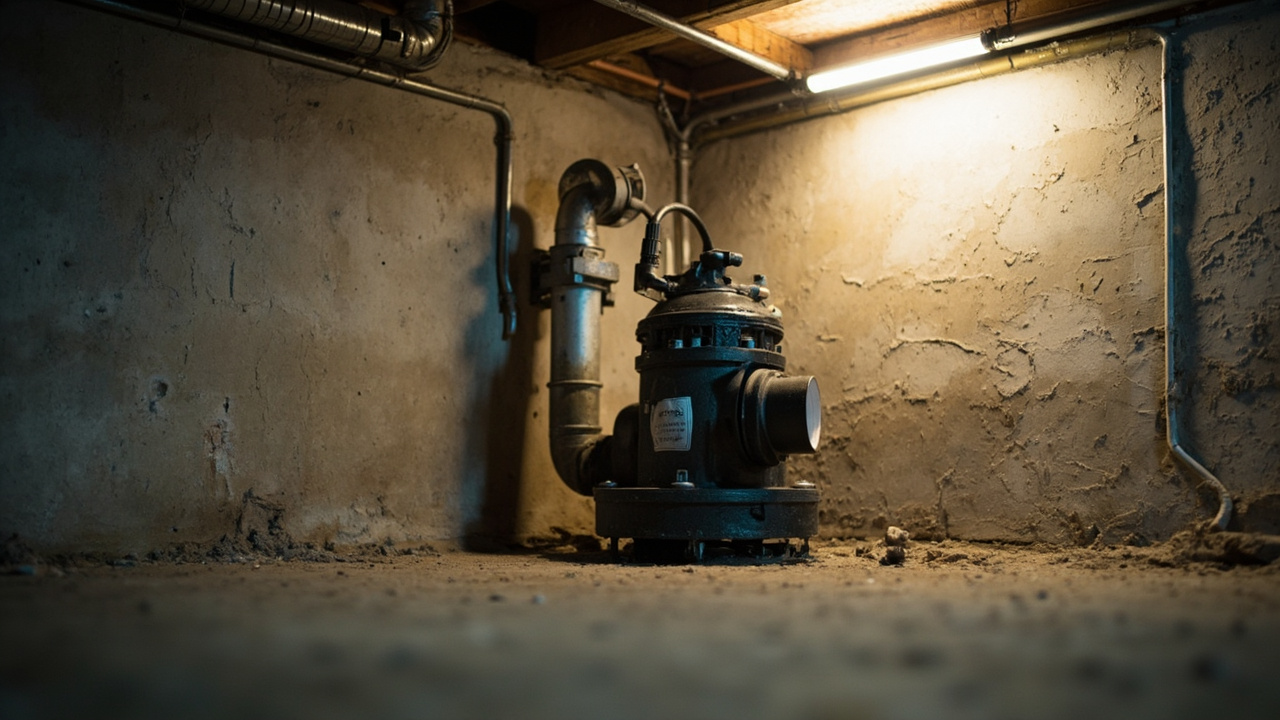
Crestline Plumbing Washington DC addresses sump pump systems as integrated water management solutions, not just mechanical devices. We evaluate your entire drainage pattern, from foundation drains to discharge point, because a pump only works when water can flow in and out properly.

During sump pump repair calls, we test amp draw on the motor to detect early bearing failure. We measure pump runtime and recovery to ensure your unit has adequate capacity for your basin size and inflow rate. A pump that runs constantly or cycles too frequently signals either an undersized unit or a drainage problem that no repair will fix.

For sump pump installation, we calculate your specific GPH requirements based on soil type, water table depth, and basement square footage. Installing a pump without proper sizing leaves you with either insufficient capacity during peak flow or a unit that short-cycles and burns out prematurely. We install check valves on discharge lines to prevent backflow that makes pumps work twice as hard, and we position discharge points to prevent water from cycling back to your foundation.

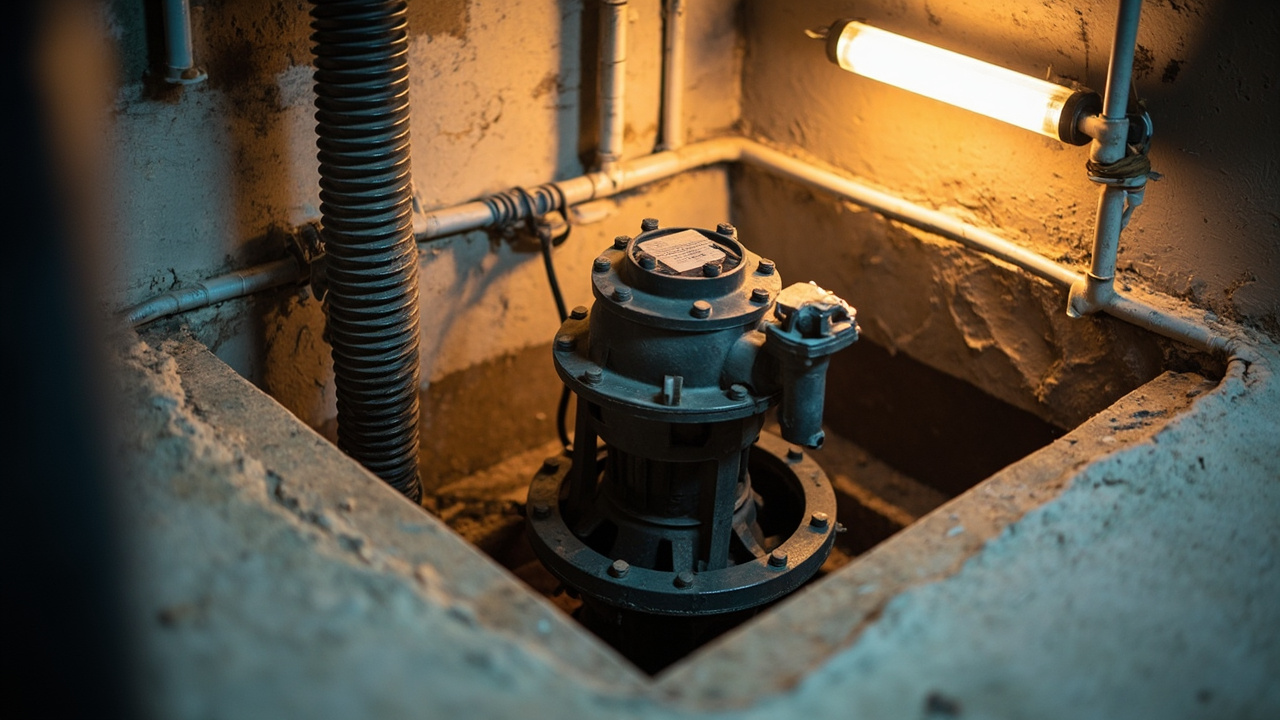
Sump pump replacement often reveals underlying issues. We find cracked basins that leak water back into the soil, missing basin covers that allow debris to clog intake screens, or discharge lines that freeze in winter because they lack proper slope or insulation. Replacing these components during a pump upgrade prevents callback situations.

Our maintenance protocols include testing battery backup systems, because utility power fails precisely when storms hit hardest. We verify float switch operation across the full range of motion, clean intake screens, and inspect weep holes that prevent airlock. We document pump performance metrics so we can track degradation over time and schedule sump pump replacement before catastrophic failure, not after your basement floods.

How We Deliver Sump Pump Solutions

Sump Pump Services in Washington, D.C. | Protecting Homes from Basement Flooding and Water Damage
01

System Assessment

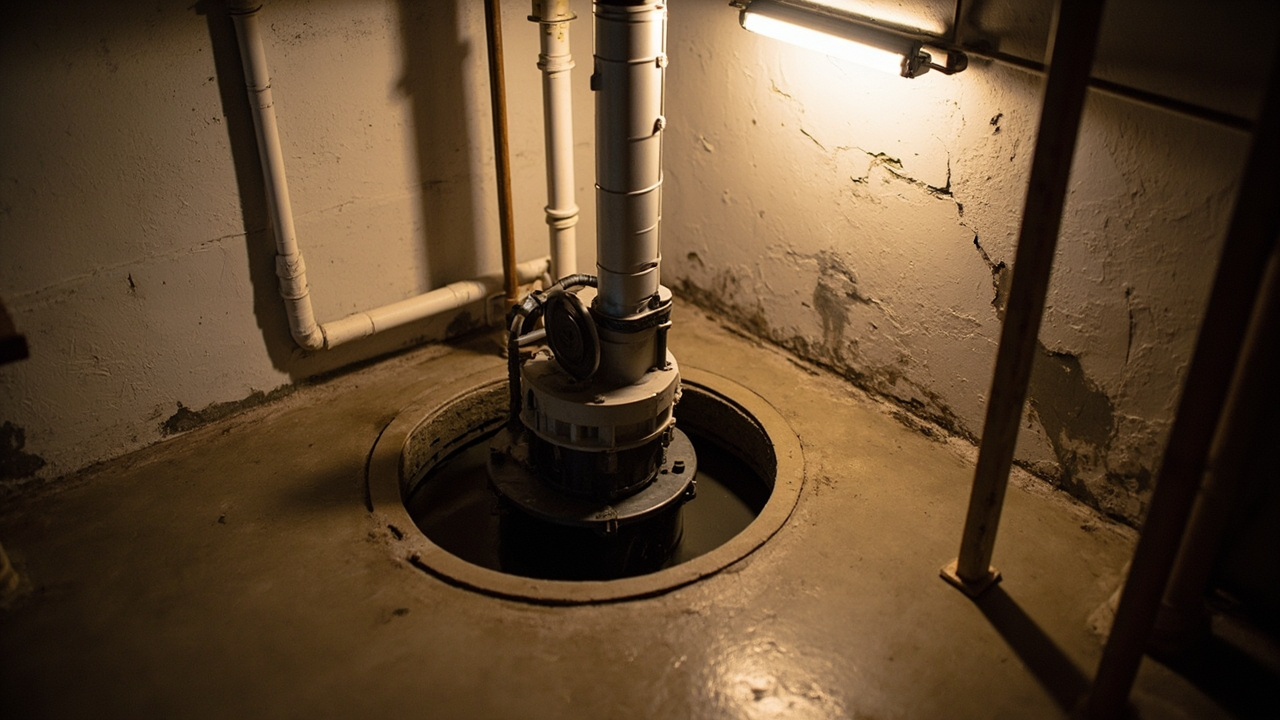
We inspect your existing sump basin, pump capacity, discharge routing, and backup power setup. We test pump operation under load, measure recovery time, and check for proper float switch function. This diagnostic phase identifies whether you need repair, component replacement, or a complete system upgrade. We examine foundation drainage and grading to understand your specific inflow patterns and water pressure conditions.
02

Repair or Installation

Based on assessment findings, we either repair failed components or install new equipment sized for your application. We replace worn impellers, faulty switches, or failed check valves during repairs. For installations, we position pumps for optimal intake, secure discharge lines with proper slope, and install battery backup systems. All electrical connections meet NEC requirements. We verify the pump cycles correctly through multiple test runs before considering the job complete.
03

Performance Verification

We simulate high-water conditions to confirm your system handles peak inflow. We measure actual GPH output, verify discharge reaches proper drainage points away from your foundation, and test backup systems under simulated power loss. You receive documentation of pump specifications, maintenance schedules, and what warning signs indicate future service needs. We explain exactly how your system protects your basement so you understand what to monitor between service intervals.

Why D.C. Homeowners Trust Local Sump Pump Expertise

Sump pump systems in Washington, D.C. face unique demands that generic solutions miss. We understand how the Potomac River affects groundwater levels in neighborhoods like Foggy Bottom and Southwest Waterfront. We know which areas suffer from combined sewer systems that back up during heavy rain, requiring specific pump configurations and backflow prevention.

Historic district homes require careful integration of modern sump systems with century-old foundations. We route discharge lines to meet historic preservation requirements while ensuring proper drainage. We work within the constraints of rowhouse construction where basins must fit in tight mechanical spaces and discharge lines share common walls with neighboring properties.

D.C. building codes require specific electrical installations for sump pumps, including dedicated circuits and GFCI protection in certain applications. We pull permits when required and ensure installations pass inspection. This protects your homeowner's insurance coverage, which can deny flood claims if pumps were installed improperly or without required permits.

Our familiarity with local soil conditions means we recommend appropriate pump types for your specific situation. Areas with sandy soil near the rivers need different solutions than clay-heavy neighborhoods in upper Northwest. We account for seasonal water table fluctuations that change dramatically between wet springs and dry summers.

When storm systems approach, we prioritize emergency sump pump service for customers in flood-prone zones. We stock pumps sized for D.C. applications and carry backup battery systems that fit standard residential installations. This local inventory means we restore protection in hours, not days.

We maintain relationships with local foundation repair specialists, waterproofing contractors, and drainage experts. When sump pump problems indicate larger structural issues, we connect you with qualified professionals who understand D.C. construction methods and can provide coordinated solutions.

What to Expect from Our Sump Pump Services

Rapid Response Times

Emergency sump pump failures require immediate attention. We prioritize calls from customers with active basement flooding or failed pumps during storm events. You reach a live person who dispatches technicians based on severity and location. For non-emergency repairs and installations, we schedule service within your availability and provide arrival windows you can rely on. Maintenance appointments get scheduled during dry weather when testing and adjustment work won't leave you vulnerable. Our goal is restoring protection before the next rainfall, not after your basement floods.

Thorough System Evaluation

Every service call starts with complete system evaluation. We test electrical supply, verify proper amperage, and check for voltage drops that cause motors to overheat. We inspect discharge lines for freeze damage, improper slope, or blockages. We measure basin inflow rates and pump recovery time to ensure capacity matches demand. You receive clear explanation of findings, including what needs immediate attention and what to monitor for future service. We photograph issues and show you exactly what we found so you understand the scope of work before we begin repairs or installation.

Reliable Performance Results

Completed sump pump installations and repairs deliver measurable performance. We verify pumps achieve rated GPH output, cycle smoothly without chattering or grinding, and discharge water to proper drainage points. Battery backup systems get tested under simulated power loss to confirm they activate correctly and provide adequate runtime. You see the system operate through complete cycles before we leave. We document baseline performance metrics so future service can identify degradation early. The result is dependable protection that works when weather turns severe and your basement faces flooding risk.

Ongoing Maintenance Support

Sump pumps require regular maintenance to maintain reliability. We offer scheduled service that includes cleaning intake screens, testing float switches, verifying check valve operation, and inspecting discharge lines for damage or blockage. We test battery backup systems and replace batteries before they fail. Maintenance visits catch small problems before they become emergency repairs. We track service history and component age to recommend sump pump replacement when equipment reaches end of useful life. You receive reminders for seasonal maintenance so your protection stays current without you tracking schedules.

Frequently Asked Questions

You Have Questions,
We Have Answers

How much is a sump pump service? +

Sump pump service costs vary based on the issue. A routine inspection runs between $150 and $250. Minor repairs like replacing a float switch or cleaning the discharge line cost $200 to $400. Major repairs involving motor replacement or basin work range from $400 to $800. Full replacement averages $800 to $2,500 depending on pump type and basement configuration. Washington, D.C. homes with high water tables near Rock Creek or the Anacostia River often need more frequent service. Clay-heavy soil common in D.C. can clog discharge lines faster, affecting maintenance frequency. Get a written estimate before any work begins.

How often does a sump pump need to be serviced? +

Service your sump pump twice per year, ideally in early spring before heavy rains and late fall before winter freeze-thaw cycles. Washington, D.C. experiences intense summer storms and periodic flooding near low-lying areas like Navy Yard and Georgetown, making pre-season checks critical. Test your pump quarterly by pouring water into the basin to confirm activation. High water table areas in D.C., especially near the Potomac, may need more frequent inspections. Homes with finished basements or valuable storage should consider quarterly professional checks. Annual service includes cleaning the pump, testing the float switch, inspecting discharge lines, and verifying backup power systems.

How do you service a sump pump? +

Proper sump pump service includes disconnecting power, removing the pump from the basin, and inspecting the float switch for debris or wear. Clean the intake screen and impeller to remove sediment buildup common in D.C.'s clay soil. Check the discharge pipe for clogs or ice blockages during winter months. Test the check valve to prevent backflow. Inspect the basin for cracks and verify proper drainage. Reconnect power and pour water into the pit to confirm smooth operation and automatic shutoff. In Washington, D.C., where spring storms can overwhelm aging systems, you should also inspect backup battery systems and ensure the outlet GFCI functions properly.

Who is best to fix a sump pump? +

For sump pump repair in Washington, D.C., you need a licensed plumber experienced with local water table challenges and basement flooding patterns specific to the region. A qualified technician understands how D.C.'s clay soil, seasonal storm intensity, and older home foundations affect pump performance. They carry replacement parts for common models and can diagnose electrical issues, motor failures, and discharge line problems quickly. Look for plumbers familiar with D.C. building codes and Historic District requirements if your home falls under preservation rules. Emergency availability matters during heavy rain events. Choose someone who offers upfront pricing, not hourly estimates that balloon during repairs.

What is the typical lifespan of a sump pump? +

A sump pump lasts 7 to 10 years on average, but lifespan depends on usage frequency and maintenance quality. Pumps in Washington, D.C. basements near Rock Creek or low-lying neighborhoods run more often due to high water tables, shortening their life to 5 to 7 years. Continuous cycling during spring storms accelerates motor wear. Battery backup pumps last 3 to 5 years before replacement. Pedestal pumps outlast submersible models but handle less volume. Regular cleaning and annual inspections extend pump life. Clay soil sediment common in D.C. clogs impellers faster, reducing efficiency. Replace your pump proactively if it approaches 8 years old.

Does home insurance cover sump pump replacement? +

Standard homeowners insurance does not cover sump pump failure or the resulting water damage. You need a separate water backup endorsement or sump pump rider, which costs $40 to $100 annually. This coverage pays for damage from pump failure, power outages, or overwhelmed systems during storms. In Washington, D.C., where flash flooding affects neighborhoods near the Anacostia River and low-lying areas, this endorsement is critical. Flood insurance through FEMA covers rising groundwater but not mechanical pump failure. Review your policy carefully. Most insurers require proof of regular maintenance and exclude damage from lack of upkeep or aging equipment.

What are the signs of a failing sump pump? +

A failing sump pump shows clear warning signs. Listen for unusual grinding, rattling, or loud motor noise indicating worn bearings or impeller damage. Watch for irregular cycling, where the pump runs constantly or fails to activate when water enters the basin. Visible rust on the pump housing signals corrosion and impending failure. If the pump runs but water levels stay high, the impeller is clogged or the motor is weak. In Washington, D.C., where spring rains test systems hard, check for water stains on basement walls or musty odors. Pumps older than 7 years showing any symptoms need immediate inspection or replacement.

How to unclog a sump pump without removing it? +

To unclog a sump pump in place, first disconnect power at the breaker. Remove the discharge pipe and use a wet-dry vacuum to extract debris from the basin and intake screen. Flush the pump with a garden hose to dislodge sediment common in D.C.'s clay-heavy soil. Check the check valve for blockages and clear the discharge line with a plumber's snake if water backs up. Pour clean water into the basin to test functionality before reconnecting everything. If the pump still struggles, the impeller may be jammed internally, requiring removal. This method works for minor clogs but not mechanical failures or frozen discharge lines.

Is a sump pump a red flag when buying a house? +

A sump pump is not a red flag. It signals the seller managed water intrusion proactively. In Washington, D.C., where many homes sit on clay soil with high water tables near Rock Creek or the Potomac, sump pumps are common and necessary. During your home inspection, verify the pump works, check for water stains indicating past flooding, and ask when it was installed. Test the system and inspect the discharge line routing. A well-maintained pump with a battery backup shows responsible ownership. Concerns arise only if the basement shows active water damage, mold, or the pump is ancient and failing. Request service records.

Can I pour vinegar in a sump pump? +

Yes, you can pour one cup of white vinegar into your sump pump basin quarterly to prevent algae growth and clean mild buildup. Vinegar breaks down mineral deposits from D.C.'s hard water without damaging pump components. Pour it directly into the pit when the pump is off, let it sit for 20 minutes, then flush with a gallon of clean water to activate the pump and clear the solution. Avoid bleach, which corrodes metal parts and harms septic systems if your discharge line connects to one. For heavy sediment from clay soil, vinegar will not suffice. You need mechanical cleaning or professional service to remove impeller clogs.

How D.C.'s High Water Table and Storm Patterns Impact Sump Pump Reliability

Washington, D.C.'s position in the coastal plain creates persistently high groundwater that stresses sump pump systems year-round. The water table sits just feet below basement floors in low-lying neighborhoods along the Potomac and Anacostia. Spring brings snowmelt from upstream watersheds that elevates river levels and backs up groundwater throughout the city. Summer thunderstorms dump inches of rain in minutes, overwhelming the District's combined sewer system and forcing water to find relief through basement floor drains and foundation cracks. This consistent hydrostatic pressure and seasonal flooding risk makes sump pump installation essential for basement protection, not optional equipment.

Local plumbing expertise matters because D.C.'s aging infrastructure creates unique challenges. Many neighborhoods still rely on combined sewers that handle both stormwater and sanitary waste. During heavy rain, these systems reach capacity and backflow into homes through floor drains unless proper backflow prevention and pumping systems protect your basement. Crestline Plumbing Washington DC understands these infrastructure limitations and designs sump pump systems that account for municipal drainage failures during severe weather. We know which neighborhoods face the highest risk and how to configure systems that handle both groundwater intrusion and surface flooding simultaneously.
Plumbing Services in The Washington DC Area

Our service area is conveniently located to provide fast and efficient plumbing solutions to residents and businesses throughout the Washington DC area. We are dedicated to ensuring that no matter where you are, a trusted and reliable plumber is just a call away. Our map provides a visual representation of our service coverage, helping you to quickly and easily locate our trusted team.

Address:
Crestline Plumbing Washington DC, 1140 3rd St NE, Washington, DC, 20002

Additional Services We Offer

Our news updates

Latest Articles & News from The Blogs

Deciding Between a Tankless or Storage Tank Water Heater for Your Growing Family in Fort Davis Choosing the right water…

Deciding Between a Tankless or Storage Tank Water Heater for Your Growing Family in Fort Davis

Deciding Between a Tankless or Storage Tank Water Heater for Your Growing Family in Fort Davis Choosing the right water…

The Challenges of Adding a Sink to Your Kitchen Island in a Brentwood Rowhome

The Challenges of Adding a Sink to Your Kitchen Island in a Brentwood Rowhome Adding a sink to your kitchen…

How to Choose Between a Vertical and Horizontal Grease Interceptor for Your Navy Yard Restaurant

How to Choose Between a Vertical and Horizontal Grease Interceptor for Your Navy Yard Restaurant Running a restaurant in Navy…

Contact Us

Your sump pump is the only thing standing between your basement and thousands of gallons of water. Call Crestline Plumbing Washington DC at (771) 223-8111 for expert installation, repair, or emergency service. We respond quickly and restore protection you can trust.