
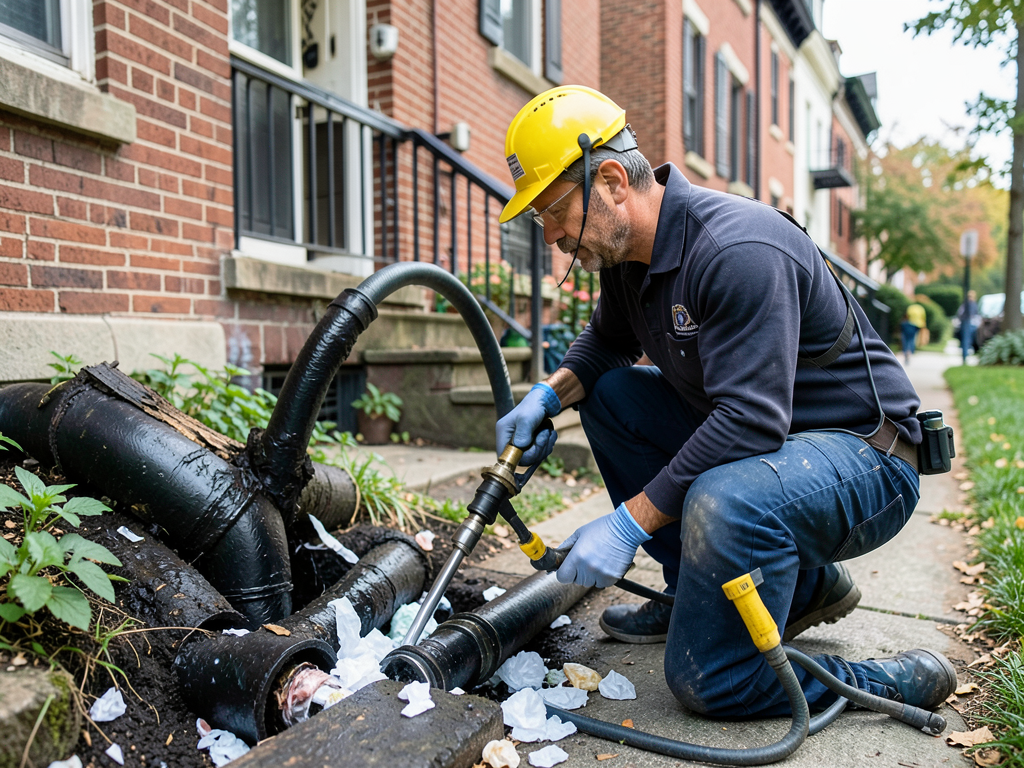
The Real Truth About Flushable Wipes and Your DC Sewer Main
Those “flushable” wipes sitting on your bathroom shelf might seem harmless, but they’re actually one of the biggest threats to your home’s plumbing and Washington DC’s sewer system. While the packaging promises convenience, the reality is that these wipes don’t break down like toilet paper and can cause major clogs, backups, and expensive repairs. DC Water’s Protect Your Pipes campaign.
DC Water and sewer authorities across the country have been fighting a losing battle against these products for years. The truth is simple: flushable wipes belong in the trash, not your toilet. Let’s break down exactly why these products are causing so many problems for DC homeowners and what you can do to protect your pipes. Emergency Water Shut-Off Service.
Why “Flushable” Doesn’t Mean What You Think
The marketing term “flushable” is misleading. While these wipes can physically go down your toilet, they don’t break down in water like toilet paper does. Toilet paper is designed to disintegrate within seconds of getting wet, but flushable wipes are made from non-woven fabrics like polyester and polypropylene that maintain their strength even when soaked.. Read more about Why dual flush toilets are the smartest upgrade for busy households in Woodley Park.
Think of it this way: if you drop a piece of toilet paper in water, it turns to mush. Drop a wipe in water, and it stays intact for hours or even days. This durability is exactly why they’re so problematic for your plumbing. Common Plumbing Problems in Historic Capitol Hill Rowhouses (and How We Fix Them).
DC Water’s “Protect Your Pipes” campaign specifically warns against flushing anything other than the three Ps: pee, poop, and (toilet) paper. They’ve seen firsthand how wipes contribute to the growing “fatberg” problem in city sewers.
How Wipes Damage Your Home’s Pipes
When you flush a wipe, it travels through your home’s plumbing system until it hits the first snag point. In older DC homes, especially those in Capitol Hill and Georgetown, these snag points are common in cast iron sewer pipes that have corroded or developed rough edges over decades. Plumbing Bowie.
Wipes get caught on these rough spots and start collecting other debris. Grease from your kitchen, hair from your shower, and other materials that shouldn’t be in your pipes begin to build up around the trapped wipe. This creates a snowball effect where the clog grows larger over time.. Read more about Choosing the Right Size Grease Interceptor for Your New Cafe in Edgewood.
The pressure from water trying to get past these blockages can cause pipes to crack or burst, especially in the clay sewer laterals that many DC homes still have. A small wipe-related clog can quickly turn into a major sewer line replacement if left untreated.. Read more about Stop Tree Roots from Destroying the Sewer Lines in Your Woodridge Garden.
Warning signs your wipes are causing problems:
- Gurgling sounds from your toilet when you flush
- Slow drains throughout your home
- Water backing up in your shower when you flush
- Unpleasant sewer odors coming from your drains
- Multiple clogged fixtures happening at once
DC’s Aging Infrastructure Makes Things Worse
Washington DC’s sewer system presents unique challenges that make flushable wipes even more dangerous here than in newer cities. Much of the District’s underground infrastructure dates back to the early 1900s, with many homes still using original clay or cast iron sewer lines.. Read more about The Difference Between a Main Sewer Clog and a Simple Sink Backup.
DC Water statistics show that sewer maintenance costs have increased dramatically over the past decade, with a significant portion of that increase directly attributable to wipes and other non-dispersible materials. The Blue Plains Advanced Wastewater Treatment Plant spends thousands of dollars annually removing these materials from the system.
Georgetown and Capitol Hill row houses are particularly vulnerable because they often have combined sewer systems where stormwater and wastewater flow through the same pipes. During heavy rains, which are common in DC’s humid climate, these systems can back up more easily when wipes are present.. Read more about Who is responsible for sewer line repairs in front of your Trinidad home?.
The soil composition in DC also plays a role. The dense clay soil common in many DC neighborhoods doesn’t drain well, which means any blockage in your sewer line has nowhere to go. This creates the perfect conditions for a complete sewer backup into your home.
The Fatberg Problem in District Sewers
Fatbergs are massive blockages that form when wipes combine with fats, oils, and greases (often called FOG) in sewer systems. DC Water has had to deal with several large fatbergs in recent years, some of which have blocked entire sewer mains and caused sewage overflows.
These blockages aren’t just gross – they’re expensive. When fatbergs form in the city’s sewer mains, DC Water has to send crews to break them apart manually, often using high-pressure water jets or even hand tools. The cost of this maintenance gets passed on to taxpayers and utility ratepayers.
The Potomac River and Chesapeake Bay are also at risk when these systems overflow. Wipes that make it past treatment plants can end up in local waterways, where they pose a threat to wildlife and water quality.
What Actually Breaks Down in Water
To understand why wipes are so problematic, it helps to see the difference in action. Toilet paper is specifically engineered to break down quickly in water, while wipes are designed to stay intact.
Here’s a simple comparison of how different materials behave in water:
| Material | Breakdown Time in Water | Environmental Impact |
|---|---|---|
| Toilet Paper | 1-4 minutes | Biodegradable |
| Flushable Wipes | 6+ hours | Non-biodegradable |
| Paper Towels | 20+ minutes | Non-biodegradable |
| Wet Wipes (Baby) | 24+ hours | Non-biodegradable |
The difference is dramatic. While toilet paper dissolves almost immediately, flushable wipes maintain their structure for hours, giving them plenty of time to cause problems in your plumbing system.
Safe Alternatives and Proper Disposal
If you’re using flushable wipes for convenience or hygiene, there are better ways to handle them that won’t damage your plumbing. The simplest solution is to throw them in the trash instead of flushing them.
For those concerned about odor, consider using a small bathroom trash can with a lid and liner. Many people find this just as convenient as flushing once they get in the habit.
If you need the cleaning power of wipes but want to avoid plumbing problems, consider these alternatives:
- Biodegradable, truly flushable wipes made from natural fibers (though even these should be used sparingly)
- A bidet attachment for your toilet
- Damp toilet paper (though this can also cause issues if used excessively)
- Flushable liners designed specifically for septic systems
The key is to remember that “flushable” on the package doesn’t mean “safe for your plumbing.” When in doubt, throw it out.
Professional Drain Cleaning: When to Call a DC Plumber
If you suspect wipes have already caused a clog in your system, it’s important to address the problem before it gets worse. Professional plumbers have specialized equipment that can clear these blockages without damaging your pipes. Who to Call When You Need an Emergency Plumber in Georgetown Right Away.
Hydro-jetting is one of the most effective methods for removing wipe-related clogs. This process uses high-pressure water to blast through blockages and clean the inside of your pipes. It’s particularly effective for the type of buildup that forms around trapped wipes.
Another diagnostic tool is video pipe inspection. Plumbers can feed a small camera through your sewer line to locate exactly where wipes or other debris have caused blockages. This allows for targeted repairs rather than digging up your entire yard.
Don’t wait until you have a complete backup to call for help. If you’re noticing any of the warning signs mentioned earlier, it’s time to have a professional evaluate your system.
The cost of professional drain cleaning is significantly less than the cost of emergency sewer line replacement or water damage restoration from a backup. Most DC plumbers offer video inspections for around $200-$400, which can give you peace of mind about your system’s condition. Emergency Sump Pump Failure.
Protecting Your DC Home’s Plumbing
Washington DC’s unique combination of historic homes, aging infrastructure, and humid climate creates the perfect storm for plumbing problems. Add flushable wipes to the mix, and you’re asking for trouble.
If you live in a historic DC home, especially in neighborhoods like Capitol Hill, Georgetown, or Dupont Circle, your plumbing system is already working harder than newer systems. The last thing you want to do is add flushable wipes to the equation.
Regular maintenance can help prevent wipe-related problems. Consider having your sewer line inspected every few years, especially if your home is over 50 years old. This can catch small issues before they become major problems.
Also, be aware of what else might be going down your drains. Even if you stop using flushable wipes, other materials like paper towels, feminine hygiene products, and dental floss can cause similar problems.
The Bottom Line on Flushable Wipes
The marketing around flushable wipes is designed to make you feel good about using them, but the reality is that they’re causing billions of dollars in damage to plumbing systems across the country. In Washington DC, with our aging infrastructure and unique climate challenges, the risks are even higher.
DC Water and professional plumbers across the District agree: the only things that should go down your toilet are the three Ps. Everything else belongs in the trash.
If you’re experiencing plumbing problems and suspect flushable wipes might be the culprit, don’t wait for a complete backup to occur. Call a professional plumber who understands the unique challenges of DC’s plumbing systems.
Call (771) 223-8111 today to schedule your inspection. Our experienced DC plumbers can evaluate your system, clear any existing blockages, and help you protect your home from costly sewer backups. Don’t let a small wipe-related clog turn into a major plumbing emergency.
Frequently Asked Questions
Are any flushable wipes actually safe for plumbing?
No. Even wipes marketed as “septic-safe” or “biodegradable” don’t break down quickly enough to prevent clogs in your plumbing system. The only truly safe option is to throw all wipes in the trash.
How much does it cost to clear a wipe-related clog in DC?
Professional drain cleaning typically costs between $150-$500 in the DC area, depending on the severity and location of the clog. Video inspection to diagnose the problem adds $200-$400 to the cost.
Can flushable wipes damage my septic system?
Yes. Wipes can clog the inlet and outlet pipes of your septic tank, causing backups into your home or preventing proper drainage into the drain field. This can lead to expensive septic system repairs or replacement.
What should I do if I’ve been flushing wipes for years?
Stop flushing them immediately and watch for warning signs like slow drains or gurgling toilets. Consider having a professional plumber inspect your sewer line with a camera to check for existing buildup or blockages. For more information, visit EPA’s septic system care guidelines.
You may also find this helpful. How to Install a Hair Interceptor for Your Home Salon or Pet Wash in Georgetown.
{
“@context”: “https://schema.org”,
“@type”: “BlogPosting”,
“headline”: “The Real Truth About Flushable Wipes and Your DC Sewer Main”,
“description”: “Don’t flush that wipe. Discover why ‘flushable’ wipes clog DC’s aging pipes and how to protect your home’s plumbing from costly sewer backups.”,
“wordCount”: 1776,
“datePublished”: “2026-05-16T08:59:00.000Z”,
“dateModified”: “2026-05-16T08:59:00.000Z”,
“inLanguage”: “en-US”,
“mainEntityOfPage”: {
“@type”: “WebPage”,
“@id”: “https://crestlineplumbingwashingtondc.com”
},
“publisher”: {
“@type”: “LocalBusiness”,
“name”: “Crestline Plumbing Washington DC”,
“url”: “https://crestlineplumbingwashingtondc.com”
},
“author”: {
“@type”: “Organization”,
“name”: “Crestline Plumbing Washington DC”,
“url”: “https://crestlineplumbingwashingtondc.com”
},
“image”: {
“@type”: “ImageObject”,
“url”: “https://crestlineplumbingwashingtondc.com/wp-content/uploads/2026/03/the-real-truth-about-flushable-wipes-and-your-dc-s-1.png”
}
}
{
“@context”: “https://schema.org”,
“@type”: “Plumber”,
“name”: “Crestline Plumbing Washington DC”,
“url”: “https://crestlineplumbingwashingtondc.com”,
“address”: {
“@type”: “PostalAddress”,
“addressLocality”: “Washington DC”
},
“areaServed”: {
“@type”: “City”,
“name”: “Washington DC”
}
}
{
“@context”: “https://schema.org”,
“@type”: “FAQPage”,
“mainEntity”: [
{
“@type”: “Question”,
“name”: “Are any flushable wipes actually safe for plumbing?”,
“acceptedAnswer”: {
“@type”: “Answer”,
“text”: “No. Even wipes marketed as \”septic-safe\” or \”biodegradable\” don’t break down quickly enough to prevent clogs in your plumbing system. The only truly safe option is to throw all wipes in the trash.”
}
},
{
“@type”: “Question”,
“name”: “How much does it cost to clear a wipe-related clog in DC?”,
“acceptedAnswer”: {
“@type”: “Answer”,
“text”: “Professional drain cleaning typically costs between $150-$500 in the DC area, depending on the severity and location of the clog. Video inspection to diagnose the problem adds $200-$400 to the cost.”
}
},
{
“@type”: “Question”,
“name”: “Can flushable wipes damage my septic system?”,
“acceptedAnswer”: {
“@type”: “Answer”,
“text”: “Yes. Wipes can clog the inlet and outlet pipes of your septic tank, causing backups into your home or preventing proper drainage into the drain field. This can lead to expensive septic system repairs or replacement.”
}
},
{
“@type”: “Question”,
“name”: “What should I do if I’ve been flushing wipes for years?”,
“acceptedAnswer”: {
“@type”: “Answer”,
“text”: “Stop flushing them immediately and watch for warning signs like slow drains or gurgling toilets. Consider having a professional plumber inspect your sewer line with a camera to check for existing buildup or blockages. For more information, visit EPA’s septic system care guidelines.”
}
}
]
}
{
“@context”: “https://schema.org”,
“@type”: “BreadcrumbList”,
“itemListElement”: [
{
“@type”: “ListItem”,
“position”: 1,
“name”: “Home”,
“item”: “https://crestlineplumbingwashingtondc.com”
},
{
“@type”: “ListItem”,
“position”: 2,
“name”: “Blog”,
“item”: “https://crestlineplumbingwashingtondc.com/blog”
},
{
“@type”: “ListItem”,
“position”: 3,
“name”: “The Real Truth About Flushable Wipes and Your DC Sewer Main”
}
]
}
{
“@context”: “https://schema.org”,
“@type”: “Service”,
“serviceType”: “Plumbing”,
“provider”: {
“@type”: “LocalBusiness”,
“name”: “Crestline Plumbing Washington DC”,
“url”: “https://crestlineplumbingwashingtondc.com”
},
“areaServed”: {
“@type”: “City”,
“name”: “Washington DC”
},
“description”: “Don’t flush that wipe. Discover why ‘flushable’ wipes clog DC’s aging pipes and how to protect your home’s plumbing from costly sewer backups.”
}