
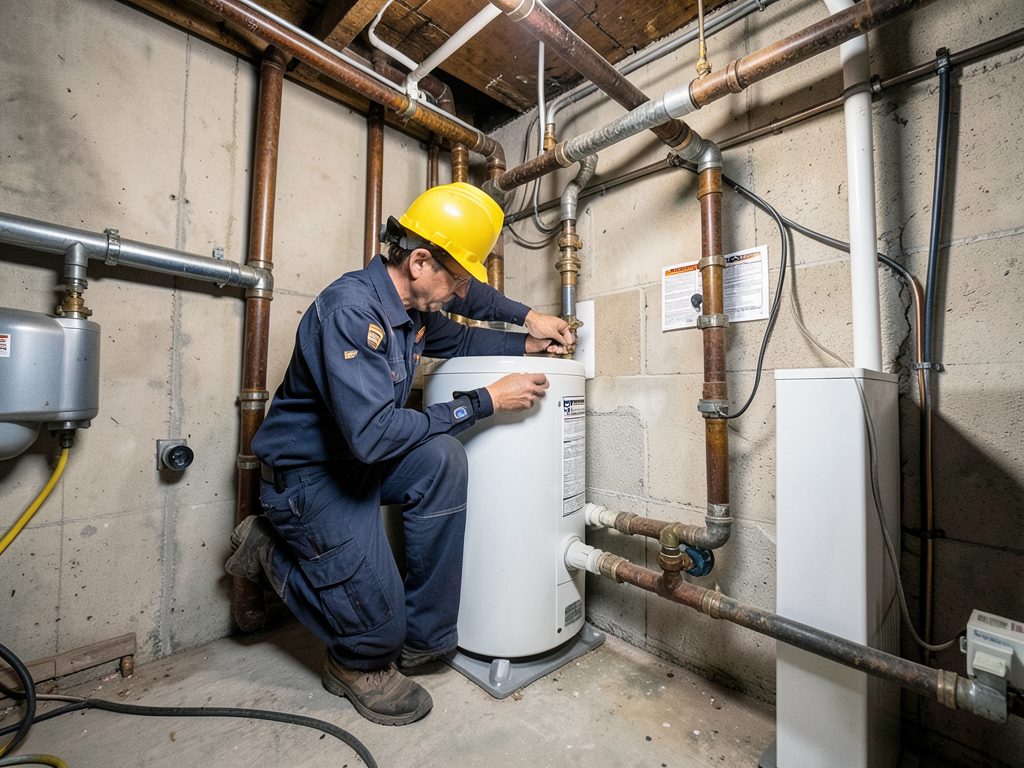
Signs Your DC Home Needs a Water Softener to Combat Scale and Mineral Buildup
Washington DC’s moderately hard water causes hidden damage throughout your home. If you notice chalky residue on faucets or spots on dishes, your plumbing system is already under attack from mineral buildup. A water softener installation in Washington DC protects your appliances, improves water quality, and extends the life of your plumbing infrastructure. DC Water.
Understanding DC Water Hardness Levels
DC Water reports show our municipal water contains 7-10 grains per gallon of dissolved minerals, primarily calcium and magnesium. This level falls into the “moderately hard” category on the water hardness scale. While not extreme, these minerals accumulate over time, creating scale that damages water heaters, dishwashers, and washing machines. Emergency Water Shut-Off Service.
Historic neighborhoods like Capitol Hill and Georgetown face unique challenges. Many homes built before 1950 have original galvanized steel pipes that react poorly with hard water. The combination accelerates corrosion and reduces water flow to dangerous levels.. Read more about How to Descale Your Tankless Water Heater to Keep it Running in Brightwood.
Warning Signs Hard Water Is Damaging Your Home
Scale buildup appears as white crusty deposits around faucets, showerheads, and on glass shower doors. You might notice soap doesn’t lather well, requiring more detergent for laundry and dishes. Hot water takes longer to heat, and your water heater makes popping sounds from mineral sediment at the tank bottom.. Read more about Why Your Dishes Have White Spots and How Forest Hills Homeowners Can Stop It.
Appliances show premature aging. Dishwashers leave spots on glassware. Washing machines struggle with mineral-clogged valves. Tankless water heaters lose efficiency when scale coats the heat exchanger. These problems worsen in older DC rowhouses where pipes already have reduced capacity. Choosing the Best Tankless Water Heater for Your Small Washington DC Condo.
How Water Softeners Work in Urban DC Settings
Ion exchange systems replace calcium and magnesium ions with sodium or potassium ions. Water passes through a resin bed where hard minerals attach to beads while sodium releases into the water. The process requires periodic regeneration using salt or potassium chloride from a brine tank.
DC homes need properly sized systems. A family of four uses approximately 320 gallons daily. Multiply by your water hardness level to calculate daily grain removal requirements. Most DC homes need systems rated for 30,000-40,000 grains between regenerations.
Installation Considerations for DC Properties
Historic DC homes present installation challenges. Limited basement space, old lead service lines, and narrow utility chases require careful planning. Professional installers must navigate DC Water regulations and obtain necessary permits from the Department of Buildings. EPA WaterSense.
Point-of-entry systems install where the main water line enters your home. This protects all plumbing fixtures but requires adequate drainage for regeneration cycles. Some Georgetown and Capitol Hill homes need compact cabinet-style units to fit tight mechanical rooms. Common Plumbing Problems in Historic Capitol Hill Rowhouses (and How We Fix Them).
Salt-Based vs. Salt-Free Water Conditioners
| Feature | Salt-Based Systems | Salt-Free Conditioners |
|---|---|---|
| Mineral Removal | Removes hardness minerals | Conditions minerals without removal |
| Maintenance | Monthly salt addition | Annual filter replacement |
| Water Feel | Silky smooth | Natural feel |
| Effectiveness | Excellent for all hardness levels | Best under 15 GPG |
| Cost | $800-$1,500 installed | $600-$1,200 installed |
Benefits Beyond Scale Prevention
Soft water extends appliance life by 30-50%. Water heaters operate at peak efficiency, reducing energy costs by up to 29%. Clothes feel softer and last longer without mineral residue. Skin and hair feel cleaner with less soap and shampoo needed.
Hard water damages high-efficiency appliances most severely. Tankless water heaters develop scale that reduces heat transfer and can cause complete system failure. Modern dishwashers and washing machines have sensors that malfunction when mineral buildup affects water flow. Emergency Sump Pump Failure.
DC-Specific Water Quality Factors
DC Water draws from the Potomac River, treating it to meet federal standards. The treatment process adds minimal minerals, but the source water already contains dissolved calcium and magnesium from natural rock formations. Seasonal variations affect hardness levels slightly, with spring runoff sometimes increasing mineral content.
Older DC neighborhoods have combined sewer systems where stormwater and wastewater share pipes. Heavy rain can overwhelm these systems, potentially affecting water quality temporarily. A water softener provides consistent protection regardless of municipal system stress.
Installation Process and Timeline
- Site Assessment
Technician evaluates plumbing layout, water hardness, and space constraints. Tests existing water pressure and identifies optimal installation location.. Read more about Common Radiator Plumbing Issues in Older Kalorama Estates and How to Solve Them.
- Permit Acquisition
DC Water and Department of Buildings permits secured. Historic districts may require additional approvals.
- System Installation
Main water line cut and softener connected. Drain line run for regeneration cycles. Electrical connections made if needed.
- Testing and Calibration
System programmed for your specific water hardness. Leak testing performed. Water quality verified.
- Customer Training
Operation instructions provided. Maintenance schedule explained. Salt delivery service options discussed.
Cost Analysis and Return on Investment
Initial investment ranges from $800-$2,500 depending on system size and features. Annual operating costs include salt ($50-$100) and minimal electricity. Compare this to appliance replacement costs: water heaters ($1,000-$2,000), dishwashers ($500-$1,500), washing machines ($600-$1,200).
Energy savings pay back system costs over 3-5 years. Soft water reduces detergent usage by 50%. Clothes last 15% longer. Plumbing repairs decrease significantly when scale no longer restricts pipe diameter.
Maintenance Requirements for DC Homes
Check salt levels monthly. Add salt when tank is less than half full. Use high-purity salt to prevent bridging and mushing. Clean brine tank annually to remove sediment and salt residue.
DC’s humid summers can cause salt to clump. Consider using pellet salt or potassium chloride if humidity is high in your mechanical room. Test water hardness annually to ensure system performance.
Impact on High-Efficiency Appliances
Tankless water heaters suffer most from hard water. Scale insulates the heat exchanger, forcing the unit to work harder and reducing efficiency by up to 50%. Warranty may void if scale damage occurs without water treatment.
Modern washing machines have sensors that detect water quality. Hard water triggers extended cycles and higher water temperatures, increasing energy consumption. Dishwashers develop clogged spray arms and heating elements fail prematurely.
Environmental Considerations
Salt-based systems discharge brine during regeneration. This increases sodium content in wastewater. DC Water treats all sewage, but some homeowners prefer potassium chloride as an environmentally friendly alternative.
Salt-free conditioners use no chemicals and produce no wastewater. However, they don’t remove minerals, only prevent them from adhering to surfaces. Effectiveness varies with water chemistry and temperature.
Choosing the Right System for Your DC Home
Consider your home’s age, plumbing material, and appliance types. Historic homes with original plumbing benefit most from comprehensive treatment. Modern homes with high-efficiency appliances need systems that protect sensitive components.
Flow rate requirements matter. A family of four needs minimum 7-9 gallons per minute flow. Undersized systems cause pressure drops during simultaneous water use. Oversized systems waste salt and water during regeneration.
Professional Installation vs. DIY
DIY installation seems cost-effective but creates risks. Incorrect sizing leads to poor performance. Improper connections cause leaks. Permit violations result in fines. Most manufacturers void warranties on self-installed systems.
Professional installers understand DC building codes, obtain proper permits, and guarantee workmanship. They also provide maintenance services and can troubleshoot problems specific to DC water conditions.
Frequently Asked Questions
Is hard water really a problem in Washington DC?
Yes. DC Water’s annual reports show hardness levels between 7-10 grains per gallon, which is considered moderately hard. This level causes scale buildup that damages appliances and plumbing over time.
How long does water softener installation take?
Most installations complete in 4-6 hours. Complex jobs in historic homes may take longer due to space constraints or old plumbing modifications.
Will a water softener make my water taste salty?
No. The sodium added during ion exchange is minimal – less than what’s in a slice of bread. Most people cannot taste any difference.
Do I need a permit to install a water softener in DC?
Yes. DC Water and the Department of Buildings require permits for water treatment system installations. Professional installers handle this process.
How often should I add salt to my water softener?
Check monthly and add salt when the tank is less than half full. Most families need 40-80 pounds monthly depending on water usage and hardness level.
Take Action Before Scale Damage Costs You Thousands
Hard water damage happens gradually but becomes expensive quickly. Scale buildup reduces water flow, forces appliances to work harder, and shortens their lifespan. The cost of ignoring the problem far exceeds water softener installation.
Call (771) 223-8111 today to schedule your free water hardness test and consultation. Our DC Master Plumbers understand the unique challenges of Washington DC homes and can recommend the perfect solution for your specific situation. Who to Call When You Need an Emergency Plumber in Georgetown Right Away.
Don’t wait until your water heater fails or your dishwasher needs replacement. Pick up the phone and call (771) 223-8111 before the next appliance breaks down. Your home deserves protection from DC’s hard water.
Protect your investment. Call (771) 223-8111 now for your free consultation.
You may also find this helpful. Keeping Your Vintage Boiler System Running Efficiently Throughout a DC Winter.
{
“@context”: “https://schema.org”,
“@type”: “BlogPosting”,
“headline”: “Signs Your DC Home Needs a Water Softener to Combat Scale and Mineral Buildup”,
“description”: “Is hard water damaging your DC appliances? Learn the warning signs and why installing a water softener is essential for Capitol Hill, Georgetown, and Northwest homes.”,
“wordCount”: 1474,
“datePublished”: “2026-03-15T09:45:00.000Z”,
“dateModified”: “2026-03-15T09:45:00.000Z”,
“inLanguage”: “en-US”,
“mainEntityOfPage”: {
“@type”: “WebPage”,
“@id”: “https://crestlineplumbingwashingtondc.com”
},
“publisher”: {
“@type”: “LocalBusiness”,
“name”: “Crestline Plumbing Washington DC”,
“url”: “https://crestlineplumbingwashingtondc.com”
},
“author”: {
“@type”: “Organization”,
“name”: “Crestline Plumbing Washington DC”,
“url”: “https://crestlineplumbingwashingtondc.com”
},
“image”: {
“@type”: “ImageObject”,
“url”: “https://crestlineplumbingwashingtondc.com/wp-content/uploads/2026/03/signs-your-dc-home-needs-a-water-softener-to-comba-1.png”
}
}
{
“@context”: “https://schema.org”,
“@type”: “Plumber”,
“name”: “Crestline Plumbing Washington DC”,
“url”: “https://crestlineplumbingwashingtondc.com”,
“address”: {
“@type”: “PostalAddress”,
“addressLocality”: “Washington DC”
},
“areaServed”: {
“@type”: “City”,
“name”: “Washington DC”
}
}
{
“@context”: “https://schema.org”,
“@type”: “FAQPage”,
“mainEntity”: [
{
“@type”: “Question”,
“name”: “Is hard water really a problem in Washington DC?”,
“acceptedAnswer”: {
“@type”: “Answer”,
“text”: “Yes. DC Water’s annual reports show hardness levels between 7-10 grains per gallon, which is considered moderately hard. This level causes scale buildup that damages appliances and plumbing over time.”
}
},
{
“@type”: “Question”,
“name”: “How long does water softener installation take?”,
“acceptedAnswer”: {
“@type”: “Answer”,
“text”: “Most installations complete in 4-6 hours. Complex jobs in historic homes may take longer due to space constraints or old plumbing modifications.”
}
},
{
“@type”: “Question”,
“name”: “Will a water softener make my water taste salty?”,
“acceptedAnswer”: {
“@type”: “Answer”,
“text”: “No. The sodium added during ion exchange is minimal – less than what’s in a slice of bread. Most people cannot taste any difference.”
}
},
{
“@type”: “Question”,
“name”: “Do I need a permit to install a water softener in DC?”,
“acceptedAnswer”: {
“@type”: “Answer”,
“text”: “Yes. DC Water and the Department of Buildings require permits for water treatment system installations. Professional installers handle this process.”
}
},
{
“@type”: “Question”,
“name”: “How often should I add salt to my water softener?”,
“acceptedAnswer”: {
“@type”: “Answer”,
“text”: “Check monthly and add salt when the tank is less than half full. Most families need 40-80 pounds monthly depending on water usage and hardness level.”
}
}
]
}
{
“@context”: “https://schema.org”,
“@type”: “HowTo”,
“name”: “Water Softener Installation Process”,
“step”: [
{
“@type”: “HowToStep”,
“position”: 1,
“name”: “Site Assessment”,
“text”: “Technician evaluates plumbing layout, water hardness, and space constraints. Tests existing water pressure and identifies optimal installation location.”
},
{
“@type”: “HowToStep”,
“position”: 2,
“name”: “Permit Acquisition”,
“text”: “DC Water and Department of Buildings permits secured. Historic districts may require additional approvals.”
},
{
“@type”: “HowToStep”,
“position”: 3,
“name”: “System Installation”,
“text”: “Main water line cut and softener connected. Drain line run for regeneration cycles. Electrical connections made if needed.”
},
{
“@type”: “HowToStep”,
“position”: 4,
“name”: “Testing and Calibration”,
“text”: “System programmed for your specific water hardness. Leak testing performed. Water quality verified.”
},
{
“@type”: “HowToStep”,
“position”: 5,
“name”: “Customer Training”,
“text”: “Operation instructions provided. Maintenance schedule explained. Salt delivery service options discussed.”
}
],
“image”: “https://crestlineplumbingwashingtondc.com/wp-content/uploads/2026/03/signs-your-dc-home-needs-a-water-softener-to-comba-1.png”
}
{
“@context”: “https://schema.org”,
“@type”: “BreadcrumbList”,
“itemListElement”: [
{
“@type”: “ListItem”,
“position”: 1,
“name”: “Home”,
“item”: “https://crestlineplumbingwashingtondc.com”
},
{
“@type”: “ListItem”,
“position”: 2,
“name”: “Blog”,
“item”: “https://crestlineplumbingwashingtondc.com/blog”
},
{
“@type”: “ListItem”,
“position”: 3,
“name”: “Signs Your DC Home Needs a Water Softener to Combat Scale and Mineral Buildup”
}
]
}
{
“@context”: “https://schema.org”,
“@type”: “Service”,
“serviceType”: “Plumbing”,
“provider”: {
“@type”: “LocalBusiness”,
“name”: “Crestline Plumbing Washington DC”,
“url”: “https://crestlineplumbingwashingtondc.com”
},
“areaServed”: {
“@type”: “City”,
“name”: “Washington DC”
},
“description”: “Is hard water damaging your DC appliances? Learn the warning signs and why installing a water softener is essential for Capitol Hill, Georgetown, and Northwest homes.”
}