
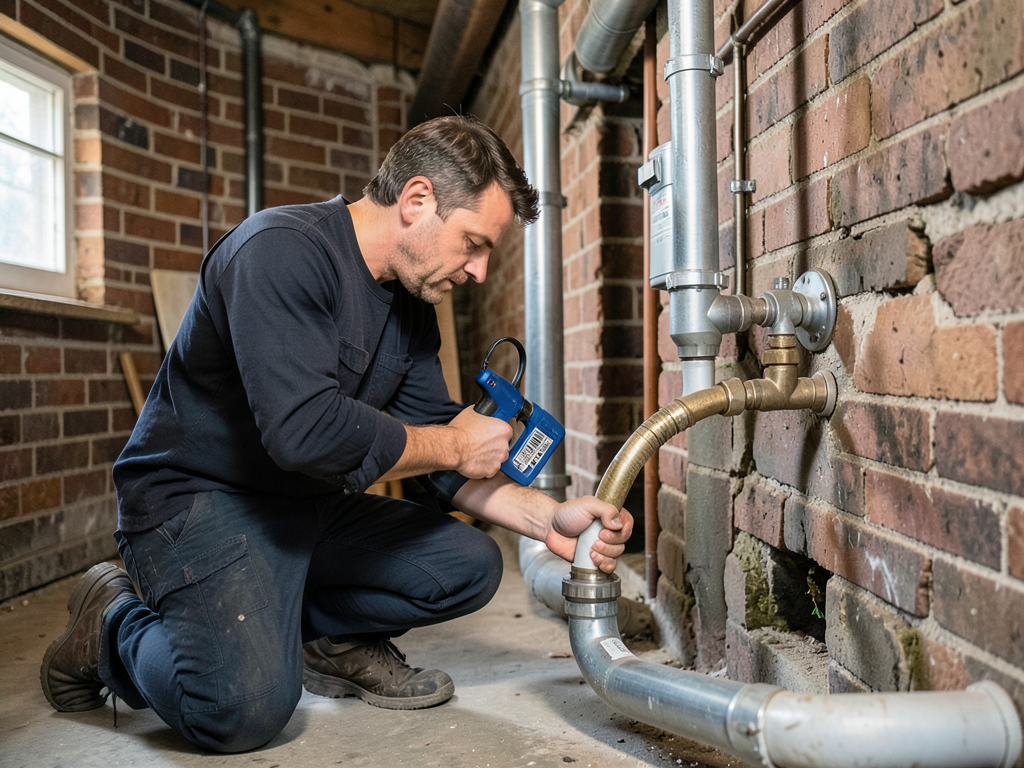
How to Install a Hair Interceptor for Your Home Salon or Pet Wash in Georgetown
Hair interceptors are essential plumbing devices that prevent hair and debris from clogging your drains. If you operate a home salon or pet wash in Georgetown, proper installation is critical for maintaining smooth operations and avoiding costly backups. This guide walks you through the entire process, from selecting the right interceptor to proper installation and maintenance. Common Plumbing Problems in Historic Capitol Hill Rowhouses (and How We Fix Them).
Understanding Hair Interceptors and Why They Matter
Hair interceptors work by trapping hair, fur, and other debris before they enter your plumbing system. In Georgetown’s older homes, many plumbing lines were installed decades ago with smaller diameters than modern standards. When hair accumulates in these narrow pipes, it creates stubborn clogs that can cause backups and even damage to your plumbing system.
Georgetown’s historic district presents unique challenges. Many homes near M Street and Wisconsin Avenue were built before modern plumbing codes existed. These properties often have original cast iron or galvanized pipes that are more susceptible to corrosion and buildup. A properly installed hair interceptor can extend the life of these aging systems by preventing debris from accumulating in the pipes.
According to the Washington DC Plumbing Code Section 312.4, commercial establishments that wash hair or pets must install appropriate interceptors to prevent debris from entering the public sewer system. Even for home-based businesses, compliance with these standards helps prevent environmental contamination and protects your plumbing investment. Washington DC Plumbing Code.
Types of Hair Interceptors Available
Choosing the right hair interceptor depends on your specific needs and plumbing setup. Here are the main types available for home salon and pet wash applications: Choosing the Best Tankless Water Heater for Your Small Washington DC Condo.
| Type | Best For | Installation Difficulty | Maintenance Frequency |
|---|---|---|---|
| In-line Interceptor | High-volume salons | Moderate | Weekly |
| Strainer Basket | Pet washes | Easy | Daily |
| Drop-in Trap | Small salons | Very Easy | Every 2-3 days |
| Combined Interceptor | Multi-use spaces | Challenging | Weekly |
Tools and Materials You’ll Need
Before starting your installation, gather these essential tools and materials:
- Adjustable wrench and pipe wrench
- PVC primer and cement
- Plumber’s tape
- Measuring tape
- Hacksaw or PVC cutter
- Bucket and towels
- Safety glasses and gloves
For Georgetown homes, you might also need:
- Cast iron repair couplings (common in historic properties)
- Transition fittings for mixing pipe materials
- Access panel materials for finished walls
Step-by-Step Installation Process
- Locate the Main Drain Line
Identify where your salon or pet wash drains connect to the main plumbing system. In Georgetown row houses, this is often in the basement near the front of the home. Look for the 2-inch or 3-inch drain line that exits the building. Don’t Let Your Basement Flood—Expert Sump Pump Repair and Maintenance in Northwest DC.
- Shut Off Water Supply
Turn off the water supply to your salon or pet wash area. This prevents accidental flooding during installation. Open nearby faucets to relieve pressure in the lines.
- Cut Access Point
Using your hacksaw or PVC cutter, cut a section of the drain pipe where you’ll install the interceptor. For in-line interceptors, you’ll need to cut out a section approximately 6-8 inches long.
- Install the Interceptor
Follow the manufacturer’s instructions for your specific model. Most in-line interceptors use compression fittings or require cementing into place. Ensure all connections are tight and properly sealed.
- Test for Leaks
Once installed, run water through the system and check all connections for leaks. Small leaks can become major problems in Georgetown’s older homes where water damage can affect historic finishes.
Special Considerations for Georgetown Properties
Georgetown’s historic homes require special attention during installation. Many properties in the 20007 zip code have plaster walls and original wood flooring that can be damaged by water leaks. Consider installing access panels if your interceptor will be hidden behind finished surfaces. Safely Installing New Gas Lines for Your DC Kitchen Remodel.
The soil composition in Georgetown, with its clay-rich earth, can affect drainage patterns. Homes near Rock Creek Park often experience different drainage characteristics than those closer to the Potomac River. This can influence where you install your interceptor and how you route the drainage lines.
Georgetown’s humid summers can accelerate corrosion in older plumbing systems. If you’re installing an interceptor in a property near the waterfront, consider using corrosion-resistant materials like PVC or stainless steel to prevent premature failure.
Maintenance Schedule for Optimal Performance
Regular maintenance keeps your hair interceptor functioning properly. Here’s a recommended schedule:
| Frequency | Task | Time Required |
|---|---|---|
| Daily | Empty strainer baskets | 5 minutes |
| Weekly | Clean interceptor body | 15 minutes |
| Monthly | Check for leaks | 10 minutes |
| Quarterly | Deep cleaning with enzyme cleaner | 30 minutes |
During maintenance, look for signs of wear such as cracked housings, loose connections, or reduced water flow. These issues can indicate that your interceptor needs replacement or that your plumbing system requires professional attention.
Common Installation Mistakes to Avoid
Even experienced DIYers make mistakes when installing hair interceptors. Here are the most common errors and how to prevent them:
- Incorrect Sizing – Using an interceptor that’s too small for your drain line causes backups. Always match the interceptor to your existing pipe size.
- Poor Sealing – Inadequate sealing leads to leaks that can damage historic Georgetown finishes. Use proper primer and cement for PVC connections.
- Improper Venting – Hair interceptors need proper venting to function correctly. Ensure your installation maintains the required air gap.
- Ignoring Local Codes – Georgetown homes must comply with DC plumbing regulations. Some installations may require permits or professional installation.
DIY vs. Professional Installation: When to Call a Plumber
While many homeowners can handle basic hair interceptor installation, certain situations call for professional help. Consider calling Crestline Plumbing at (771) 223-8111 if:
- Your home has cast iron or galvanized pipes that require specialized cutting tools
- You need to install the interceptor in a finished wall or ceiling
- Your plumbing system has existing drainage issues
- You’re unsure about local code compliance
Professional installation ensures your interceptor meets all Washington DC Plumbing Code requirements and comes with warranty protection. This is especially important for Georgetown’s historic properties where improper installation can cause extensive damage.
Troubleshooting Common Issues
Even with proper installation, you might encounter issues. Here’s how to diagnose and fix common problems:
Slow Drainage – If water drains slowly after installation, check for partial blockages in the interceptor. Remove and clean all components thoroughly. If the problem persists, you might have a deeper clog in your main line.
Unpleasant Odors – Foul smells often indicate biofilm buildup in the interceptor. Clean with a mixture of baking soda and vinegar, followed by hot water. For persistent odors, use an enzyme-based drain cleaner.
Leaks at Connections – Small leaks at threaded connections can often be fixed with plumber’s tape. For leaks at glued joints, you may need to cut out and replace the affected section.
Water Backing Up – If water backs up into your sink or tub, your interceptor might be full or there could be a blockage downstream. Empty the interceptor and check for proper flow. If backups continue, call a professional plumber.
Upgrading Your System for Better Performance
Once you’ve installed a basic hair interceptor, consider these upgrades for enhanced performance:
- Multiple Interceptors – For high-volume salons, install interceptors at multiple points in your plumbing system to catch debris before it reaches main lines.
- Smart Monitoring – Install flow sensors that alert you when drainage slows, indicating it’s time for cleaning.
- Automatic Cleaning Systems – For commercial operations, consider interceptors with built-in cleaning mechanisms that reduce manual maintenance.
These upgrades can significantly reduce maintenance time and prevent emergency plumbing calls, saving you money in the long run. Who to Call When You Need an Emergency Plumber in Georgetown Right Away.
Environmental Benefits of Proper Hair Interception
Beyond protecting your plumbing, hair interceptors provide important environmental benefits. Hair and pet fur that enter the sewer system can cause problems at wastewater treatment plants. These materials can clog filters and interfere with the treatment process.. Read more about The Difference Between a Main Sewer Clog and a Simple Sink Backup.
In Georgetown, where many homes drain directly to the Potomac River watershed, preventing hair and debris from entering the system protects local waterways. The EPA estimates that debris-related issues cost wastewater facilities millions annually in additional processing and maintenance. EPA National Pollutant Discharge Elimination System.
By properly maintaining your hair interceptor, you’re not just protecting your property – you’re also contributing to the health of Washington DC’s water systems and the Chesapeake Bay watershed.
Frequently Asked Questions
How often should I clean my hair interceptor?
Clean your hair interceptor at least once a week for home salons and daily for pet washes. High-volume operations may need more frequent cleaning to prevent backups.
Can I install a hair interceptor myself?
Yes, many homeowners can install basic hair interceptors. However, if you have older plumbing, need to work in finished walls, or want to ensure code compliance, professional installation is recommended.
What size hair interceptor do I need?
Match your interceptor to your drain line size. Most home salon and pet wash applications use 2-inch or 3-inch interceptors. Check your existing plumbing before purchasing.
Will a hair interceptor affect my water pressure?
A properly installed hair interceptor should not significantly affect water pressure. If you notice reduced flow, check for blockages or incorrect installation.
How long do hair interceptors last?
With proper maintenance, quality hair interceptors typically last 5-10 years. Replace them when you notice cracks, reduced effectiveness, or corrosion.
Protect Your Georgetown Business Today
Don’t wait for a plumbing emergency to damage your home salon or pet wash. Proper hair interceptor installation is a small investment that prevents major headaches and protects your Georgetown property.
If you’re unsure about installation, have older plumbing, or want professional peace of mind, call Crestline Plumbing at (771) 223-8111. Our experienced technicians understand Georgetown’s unique plumbing challenges and can ensure your interceptor is installed correctly the first time.
Pick up the phone and call (771) 223-8111 before the next busy weekend hits your salon or pet wash. We’ll help you choose the right interceptor and handle installation quickly, so you can focus on serving your customers without worrying about plumbing problems.
Remember, in Georgetown’s historic district, water damage from plumbing failures can affect not just your property but neighboring homes as well. Don’t take chances with DIY installations when professional help is just a phone call away.
Call (771) 223-8111 today to schedule your inspection and keep your Georgetown business running smoothly.
You may also find this helpful. Adding a Utility Sink to Your Garage or Workshop in Berkley.
{
“@context”: “https://schema.org”,
“@type”: “BlogPosting”,
“headline”: “How to Install a Hair Interceptor for Your Home Salon or Pet Wash in Georgetown”,
“description”: “Learn how to install a hair interceptor for your Georgetown home salon or pet wash. Get expert tips on preventing clogs and meeting local plumbing codes.”,
“wordCount”: 1745,
“datePublished”: “2026-05-27T14:35:00.000Z”,
“dateModified”: “2026-05-27T14:35:00.000Z”,
“inLanguage”: “en-US”,
“mainEntityOfPage”: {
“@type”: “WebPage”,
“@id”: “https://crestlineplumbingwashingtondc.com”
},
“publisher”: {
“@type”: “LocalBusiness”,
“name”: “Crestline Plumbing Washington DC”,
“url”: “https://crestlineplumbingwashingtondc.com”
},
“author”: {
“@type”: “Organization”,
“name”: “Crestline Plumbing Washington DC”,
“url”: “https://crestlineplumbingwashingtondc.com”
},
“image”: {
“@type”: “ImageObject”,
“url”: “https://crestlineplumbingwashingtondc.com/wp-content/uploads/2026/03/how-to-install-a-hair-interceptor-for-your-home-sa-1.png”
}
}
{
“@context”: “https://schema.org”,
“@type”: “Plumber”,
“name”: “Crestline Plumbing Washington DC”,
“url”: “https://crestlineplumbingwashingtondc.com”,
“address”: {
“@type”: “PostalAddress”,
“addressLocality”: “Washington DC”
},
“areaServed”: {
“@type”: “City”,
“name”: “Washington DC”
}
}
{
“@context”: “https://schema.org”,
“@type”: “FAQPage”,
“mainEntity”: [
{
“@type”: “Question”,
“name”: “How often should I clean my hair interceptor?”,
“acceptedAnswer”: {
“@type”: “Answer”,
“text”: “Clean your hair interceptor at least once a week for home salons and daily for pet washes. High-volume operations may need more frequent cleaning to prevent backups.”
}
},
{
“@type”: “Question”,
“name”: “Can I install a hair interceptor myself?”,
“acceptedAnswer”: {
“@type”: “Answer”,
“text”: “Yes, many homeowners can install basic hair interceptors. However, if you have older plumbing, need to work in finished walls, or want to ensure code compliance, professional installation is recommended.”
}
},
{
“@type”: “Question”,
“name”: “What size hair interceptor do I need?”,
“acceptedAnswer”: {
“@type”: “Answer”,
“text”: “Match your interceptor to your drain line size. Most home salon and pet wash applications use 2-inch or 3-inch interceptors. Check your existing plumbing before purchasing.”
}
},
{
“@type”: “Question”,
“name”: “Will a hair interceptor affect my water pressure?”,
“acceptedAnswer”: {
“@type”: “Answer”,
“text”: “A properly installed hair interceptor should not significantly affect water pressure. If you notice reduced flow, check for blockages or incorrect installation.”
}
},
{
“@type”: “Question”,
“name”: “How long do hair interceptors last?”,
“acceptedAnswer”: {
“@type”: “Answer”,
“text”: “With proper maintenance, quality hair interceptors typically last 5-10 years. Replace them when you notice cracks, reduced effectiveness, or corrosion.”
}
}
]
}
{
“@context”: “https://schema.org”,
“@type”: “HowTo”,
“name”: “How to Install a Hair Interceptor”,
“step”: [
{
“@type”: “HowToStep”,
“position”: 1,
“name”: “Locate the Main Drain Line”,
“text”: “Identify where your salon or pet wash drains connect to the main plumbing system. In Georgetown row houses, this is often in the basement near the front of the home. Look for the 2-inch or 3-inch drain line that exits the building. Don’t Let Your Basement Flood—Expert Sump Pump Repair and Maintenance in Northwest DC.”
},
{
“@type”: “HowToStep”,
“position”: 2,
“name”: “Shut Off Water Supply”,
“text”: “Turn off the water supply to your salon or pet wash area. This prevents accidental flooding during installation. Open nearby faucets to relieve pressure in the lines.”
},
{
“@type”: “HowToStep”,
“position”: 3,
“name”: “Cut Access Point”,
“text”: “Using your hacksaw or PVC cutter, cut a section of the drain pipe where you’ll install the interceptor. For in-line interceptors, you’ll need to cut out a section approximately 6-8 inches long.”
},
{
“@type”: “HowToStep”,
“position”: 4,
“name”: “Install the Interceptor”,
“text”: “Follow the manufacturer’s instructions for your specific model. Most in-line interceptors use compression fittings or require cementing into place. Ensure all connections are tight and properly sealed.”
},
{
“@type”: “HowToStep”,
“position”: 5,
“name”: “Test for Leaks”,
“text”: “Once installed, run water through the system and check all connections for leaks. Small leaks can become major problems in Georgetown’s older homes where water damage can affect historic finishes.”
}
],
“image”: “https://crestlineplumbingwashingtondc.com/wp-content/uploads/2026/03/how-to-install-a-hair-interceptor-for-your-home-sa-1.png”
}
{
“@context”: “https://schema.org”,
“@type”: “BreadcrumbList”,
“itemListElement”: [
{
“@type”: “ListItem”,
“position”: 1,
“name”: “Home”,
“item”: “https://crestlineplumbingwashingtondc.com”
},
{
“@type”: “ListItem”,
“position”: 2,
“name”: “Blog”,
“item”: “https://crestlineplumbingwashingtondc.com/blog”
},
{
“@type”: “ListItem”,
“position”: 3,
“name”: “How to Install a Hair Interceptor for Your Home Salon or Pet Wash in Georgetown”
}
]
}
{
“@context”: “https://schema.org”,
“@type”: “Service”,
“serviceType”: “Plumbing”,
“provider”: {
“@type”: “LocalBusiness”,
“name”: “Crestline Plumbing Washington DC”,
“url”: “https://crestlineplumbingwashingtondc.com”
},
“areaServed”: {
“@type”: “City”,
“name”: “Washington DC”
},
“description”: “Learn how to install a hair interceptor for your Georgetown home salon or pet wash. Get expert tips on preventing clogs and meeting local plumbing codes.”
}