
How Ejector Pumps Make Adding a Basement Wet Bar Possible in Ivy City
Adding a wet bar to your Ivy City basement sounds like a dream for entertaining, but the reality hits when you realize your basement plumbing sits below the main sewer line. Gravity won’t drain your sink or ice maker, and traditional plumbing becomes impossible without major excavation. That’s where ejector pumps come in. These systems use powerful motors to pump wastewater uphill to your main drain line, making basement wet bars not just possible but practical in DC’s historic rowhouses and modern conversions. DC Department of Buildings plumbing permits.
In Ivy City, where many homes feature below-grade living spaces and industrial-chic basements, ejector pumps have become the unsung heroes of basement renovations. Without them, you’d be stuck with a dry bar that can’t handle the mess of real entertaining. Let’s break down exactly how these systems work and why they’re essential for your basement upgrade. Don’t Let Your Basement Flood—Expert Sump Pump Repair and Maintenance in Northwest DC.
Understanding Basement Drainage Challenges in DC Rowhouses
DC’s rowhouses, especially in neighborhoods like Ivy City, Capitol Hill, and Georgetown, present unique plumbing challenges. Most were built before modern building codes required proper basement drainage systems. When you dig into the floor of a century-old rowhouse, you often find a concrete slab poured directly on soil with no vapor barrier and minimal drainage provisions. Common Plumbing Problems in Historic Capitol Hill Rowhouses (and How We Fix Them).
The water table in DC fluctuates significantly, particularly near the Anacostia River and Potomac River watersheds. During heavy rains or rapid snowmelt, groundwater can rise to within a few feet of your basement floor. This creates hydrostatic pressure that pushes against your foundation walls and floor slab.. Read more about Installing a New Ice Maker Water Line for Your Fridge in Near Northeast DC.
Traditional gravity drainage requires your plumbing fixtures to sit above the elevation of your main sewer line. In most Ivy City basements, the sewer connection exits the house at or near the basement ceiling level. Your sink drain, ice maker, and dishwasher would need to be installed above that height for gravity to work. That’s physically impossible in most basement layouts.. Read more about What to Do When Your Dishwasher Leaks and Damages Your Carver Langston Kitchen.
Instead, you need a system that can lift wastewater from below-grade fixtures and pump it to the main drain line. This is where ejector pumps become essential for basement wet bars.
How Ejector Pumps Work: The Technical Breakdown
Ejector pumps are specialized sewage pumps designed to handle wastewater from below-grade plumbing fixtures. Unlike sump pumps that handle groundwater, ejector pumps process actual sewage and food waste from your wet bar.
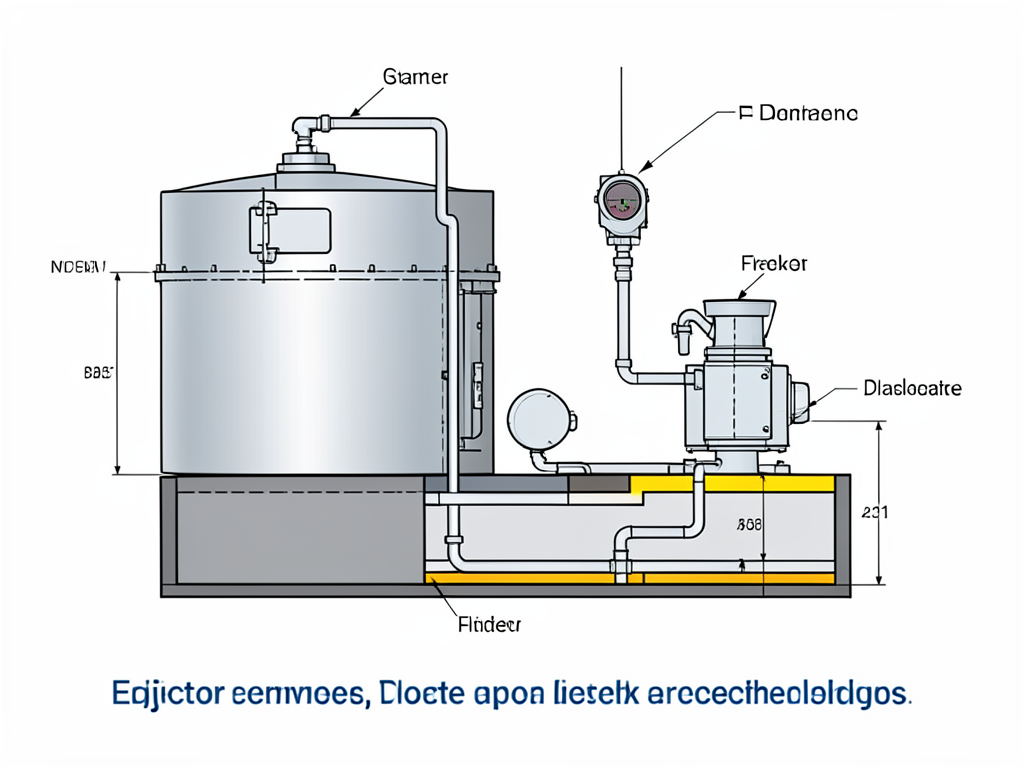
The system consists of a sealed tank, typically 30 to 50 gallons in capacity, installed in a pit below your basement floor. All drain lines from your wet bar fixtures gravity-feed into this tank. When wastewater reaches a predetermined level, a float switch activates a powerful grinder pump.
The grinder pump uses sharp blades to macerate solid waste into a slurry, then forces the mixture through a 1.5 to 2-inch discharge pipe that connects to your main sewer line. Most residential ejector pumps can handle solids up to 1.5 inches in diameter and pump wastewater vertically up to 25 feet and horizontally up to 150 feet.. Read more about Stopping Sewer Gas from Entering Your Basement Through the Floor Drain in Langdon.
Key components include:
- Holding tank with sealed lid to prevent sewer gas escape
- Grinder pump with stainless steel cutting mechanism
- Float switch assembly for automatic operation
- Check valve to prevent backflow
- Vent pipe connected to your home’s plumbing vent system
The entire system must be properly vented to prevent pressure buildup and ensure sewer gases escape through your roof vents rather than backing up into your basement.
DC Building Codes and Permit Requirements
Installing an ejector pump system in Washington DC requires compliance with the District of Columbia Plumbing Code, which adopts the International Plumbing Code with local amendments. Specifically, Section 916 of the DC Plumbing Code covers sewage ejector systems. International Plumbing Code venting requirements.
Key code requirements include:
- Holding tank must be water-tight and corrosion-resistant
- System must include a sealed access cover with proper venting
- Discharge pipe must be Schedule 40 PVC or equivalent
- Check valve installation is mandatory to prevent backflow
- Alarm system required for high-water conditions
Before installation, you’ll need a plumbing permit from the DC Department of Buildings. The permit process requires detailed plans showing the proposed ejector pump location, discharge routing, and connection to the existing sewer system. A licensed DC plumber must perform the work and schedule inspections at rough-in and final stages. Who to Call When You Need an Emergency Plumber in Georgetown Right Away.
DC Water, the city’s water and sewer authority, has specific requirements for below-grade plumbing connections. You cannot simply tap into any available drain line. The connection must be made to an approved waste line that can handle the additional load, and backflow prevention devices may be required depending on your building’s configuration.
Historic districts like Ivy City have additional considerations. While ejector pumps are generally permitted, any exterior modifications or connections to public infrastructure may require approval from the Historic Preservation Office. This is particularly relevant if your rowhouse is part of a designated historic district.
Installation Process: What to Expect
Installing an ejector pump system for your basement wet bar typically takes 2 to 3 days and involves several critical steps. Here’s what the process looks like: Safely Installing New Gas Lines for Your DC Kitchen Remodel.
- Site Assessment and Planning
Technician evaluates your basement layout, existing plumbing, and sewer line elevation. They determine optimal pump location and calculate required lift height.
- Excavation and Tank Pit Preparation
Concrete cutting creates a hole for the pump tank, typically 24 inches in diameter and 48 inches deep. The pit bottom must be properly leveled and prepared.
- Plumbing Rough-in
Drain lines from your wet bar fixtures are installed and connected to the tank. Vent piping is routed to meet code requirements.
- Pump Installation and Testing
The ejector pump assembly is installed, connected to electrical power, and tested for proper operation. All connections are checked for leaks.
- Final Inspection and Commissioning
DC DOB inspector verifies compliance. System is commissioned with homeowner training on operation and maintenance.
During installation, your basement will be somewhat disrupted. Expect concrete dust, temporary loss of use of the space, and noise from cutting tools. Professional plumbers use dust containment systems and work to minimize mess, but some disruption is inevitable.
The electrical requirements are significant. Ejector pumps typically need a dedicated 115/208-230 volt circuit with GFCI protection. The pump motor draws considerable current during startup, so proper wiring and breaker sizing are critical for safe operation.
Choosing the Right Ejector Pump System
Not all ejector pumps are created equal. For a basement wet bar in an Ivy City rowhouse, you’ll need a system sized appropriately for your fixture load and capable of handling the specific challenges of DC’s infrastructure.
Residential ejector pumps typically range from 1/3 HP to 1 HP. For a basic wet bar with sink and ice maker, a 1/2 HP unit usually suffices. If you’re adding a dishwasher or plan to install a small bar sink that might handle food waste, step up to a 3/4 HP or 1 HP model.
Key features to consider:
- Grinder quality: Stainless steel blades last longer and handle tougher solids
- Alarm systems: High-water alarms prevent overflow damage
- Power options: Battery backup systems keep the pump running during outages
- Noise level: Some models operate more quietly than others
- Warranty: Look for at least 3-year coverage on major components
In DC’s older neighborhoods, where power outages can occur during summer storms, battery backup ejector pumps are worth the investment. These systems automatically switch to battery power when the main supply fails, ensuring your wet bar continues to function and preventing sewage backup.
Popular brands for residential ejector pumps include Zoeller, Liberty Pumps, and Myers. Each offers reliable performance, but the specific model you need depends on your fixture count, required lift height, and local code requirements.
Cost Factors for Ejector Pump Installation
The total cost for installing an ejector pump system for your basement wet bar varies based on several factors. Here’s what influences the final price:
| Cost Factor | Low Range | High Range |
|---|---|---|
| Pump System (equipment only) | $400 | $1,200 |
| Installation Labor | $1,500 | $3,500 |
| Concrete Cutting/Excavation | $300 | $800 |
| Electrical Work | $400 | $1,000 |
| Permit Fees | $150 | $350 |
| Total Estimated Cost | $2,750 | $6,700 |
Factors that increase costs include:
- Difficult access requiring hand excavation instead of power tools
- Complex venting routes requiring multiple elbows and extensions
- Upgrading electrical service to handle pump load
- Historic district requirements adding design review time
- Emergency installations during peak seasons
Many homeowners ask about DIY installation to save money. While technically possible, ejector pump installation requires plumbing expertise, electrical knowledge, and understanding of local codes. Mistakes can lead to sewage backups, code violations, and expensive repairs. Professional installation ensures proper function and code compliance.
Maintenance and Troubleshooting
Once installed, your ejector pump system requires regular maintenance to prevent failures. Here’s what you need to know about keeping your system running smoothly: Emergency Sump Pump Failure.
Monthly maintenance tasks:
- Visually inspect the pump area for leaks or unusual odors
- Test the alarm system by lifting the float switch
- Check that the vent pipe is clear and properly connected
- Listen for unusual noises during pump operation
Annual maintenance by a professional should include:
- Cleaning the pump and tank interior
- Testing all electrical connections and controls
- Inspecting and cleaning the check valve
- Verifying proper pump cycling and discharge
- Testing battery backup (if equipped)
Common issues and their causes:
- Frequent cycling: Often caused by a leaking fixture or faulty float switch
- Unusual noises: Can indicate worn bearings or debris in the pump
- Failure to start: Check electrical supply, float switch, or motor capacitor
- Odors: Usually means the tank seal or vent connection has failed
- Overflow: Most commonly caused by pump failure or excessive fixture use
In DC’s humid climate, ejector pump tanks can develop bacterial growth that causes unpleasant odors. Regular cleaning with appropriate disinfectants helps prevent this. Also, be mindful of what goes down your wet bar sink. While ejector pumps can handle most organic waste, avoid pouring grease, coffee grounds, or fibrous materials that can clog the system.
Alternative Solutions to Consider
While ejector pumps are the most common solution for basement wet bars, they’re not the only option. Depending on your specific situation, these alternatives might be worth considering:
Saniflo upflush systems: These macerating pump systems are simpler to install than traditional ejector pumps and can handle multiple fixtures. They’re ideal for small wet bars but have lower pumping capacity than dedicated ejector systems.
Above-floor plumbing: Some modern systems allow you to create a raised platform for your wet bar, elevating fixtures above the sewer line. This eliminates the need for below-floor excavation but changes your basement’s usable space.
Combination systems: In homes with existing sump pump systems, you might be able to integrate your wet bar drainage with the sump pit, though this requires careful design to prevent cross-contamination.
Greywater recycling: For environmentally conscious homeowners, systems that treat and reuse wet bar wastewater for irrigation or toilet flushing can reduce sewer connection requirements, though these systems are more complex and expensive.
Each alternative has trade-offs in cost, complexity, and long-term reliability. A professional assessment of your specific basement layout, existing plumbing, and intended use will determine the best solution for your Ivy City home.
Why Professional Installation Matters
Installing an ejector pump system for your basement wet bar isn’t a weekend DIY project. The complexity of these systems and the potential for serious problems make professional installation essential.
Professional plumbers bring expertise in:
- DC building codes and permit requirements
- Proper system sizing for your specific fixture load
- Electrical work that meets National Electrical Code standards
- Venting configurations that prevent sewer gas issues
- Integration with existing plumbing without causing problems elsewhere in your home
Beyond technical expertise, professionals understand the unique challenges of DC’s infrastructure. They know how to work with older cast iron sewer lines, navigate around existing utilities, and ensure your system won’t cause problems for neighboring rowhouses in connected plumbing systems.
Professional installation also comes with warranties on both labor and equipment. If problems arise, you have recourse and support. DIY installations leave you responsible for all repairs and any code compliance issues that might surface during home inspections or when selling your property.
Most importantly, professionals can identify potential issues before installation begins. They might discover that your sewer line needs repair, that your electrical panel lacks capacity for the new circuit, or that your basement layout requires a different approach than initially planned. This upfront assessment prevents costly mid-project changes and ensures your wet bar functions flawlessly for years to come.
Ready to transform your Ivy City basement with a functional wet bar? Don’t let drainage challenges hold you back. Call (771) 223-8111 today to schedule your consultation. Our licensed DC plumbers will assess your space, explain your options, and provide a detailed quote for getting your dream wet bar up and running.
Frequently Asked Questions
How long do ejector pumps typically last?
With proper maintenance, residential ejector pumps typically last 7 to 10 years. The pump motor and grinder assembly are the most likely components to fail, while the tank and plumbing connections often last much longer. Regular maintenance can extend pump life significantly.
Can I install an ejector pump myself to save money?
While technically possible, DIY installation is not recommended. Ejector pumps require proper venting, electrical work, and code compliance that most homeowners lack experience with. Mistakes can lead to sewage backups, code violations, and expensive repairs. Professional installation ensures safe, reliable operation.
Will an ejector pump work during a power outage?
Standard ejector pumps require electricity to operate. However, you can install battery backup systems that automatically switch on during power outages. These backup systems typically provide 4-8 hours of operation and are highly recommended for DC homes where summer storms can cause extended outages.
How much noise do ejector pumps make?
Modern ejector pumps are relatively quiet, producing noise similar to a dishwasher during operation. The pump typically runs for 20-30 seconds when activated. If noise is a concern, look for models with sound-dampening features or consider installing the pump in a utility closet with additional insulation.
Do ejector pumps require special maintenance?
Ejector pumps need regular maintenance including monthly visual inspections and annual professional servicing. Key tasks include cleaning the tank, testing the alarm system, checking electrical connections, and inspecting the check valve. Proper maintenance prevents most common failures and extends system life.
Can an ejector pump handle a dishwasher or garbage disposal?
Yes, most residential ejector pumps can handle the additional load from a dishwasher. However, garbage disposals are generally not recommended for use with ejector pumps, as food waste can cause clogs and premature pump failure. If you need disposal capability, choose a heavy-duty pump specifically rated for food waste.
What happens if my ejector pump fails?
If your ejector pump fails, wastewater will back up into your fixtures and potentially overflow from the tank. Most systems include high-water alarms that alert you before overflow occurs. During a failure, stop using the wet bar fixtures immediately and call a plumber. Many failures can be repaired without replacing the entire system.
Are ejector pumps allowed in all DC neighborhoods?
Ejector pumps are generally permitted throughout DC, but historic districts may have additional requirements. In areas like Georgetown or Capitol Hill historic districts, you may need approval from the Historic Preservation Office for exterior connections or visible modifications. Always check with local authorities before installation.
How do I know what size ejector pump I need?
Pump sizing depends on your fixture count and required lift height. A basic wet bar with sink and ice maker typically needs a 1/2 HP pump. Add a dishwasher or plan for heavy use, and step up to 3/4 HP or 1 HP. A professional plumber can calculate your exact requirements based on your specific setup.
Can ejector pumps handle toilet waste?
Standard residential ejector pumps are not designed for toilet waste. If you’re planning a full basement bathroom with toilet, you’ll need a larger, more robust sewage ejector system specifically rated for toilet waste. These systems have larger tanks, more powerful pumps, and different code requirements than standard wet bar pumps.
Call (771) 223-8111 now to speak with our DC plumbing experts about your basement wet bar project. We’ll help you understand your options and get your installation scheduled before the next big game or family gathering.

You may also find this helpful. Insulating Exposed Pipes in Observatory Circle Homes to Prevent Mid-Winter Disasters.
You may also find this helpful. Updating Your NoMa Business with ADA Compliant Bathroom Plumbing and Fixtures.
[IMAGE_PLACEHOLDER_3>
{
“@context”: “https://schema.org”,
“@type”: “BlogPosting”,
“headline”: “How Ejector Pumps Make Adding a Basement Wet Bar Possible in Ivy City”,
“description”: “Discover how ejector pumps solve basement drainage challenges in DC’s Ivy City, enabling wet bar installations where gravity can’t reach.”,
“wordCount”: 2756,
“datePublished”: “2026-04-17T08:28:00.000Z”,
“dateModified”: “2026-04-17T08:28:00.000Z”,
“inLanguage”: “en-US”,
“mainEntityOfPage”: {
“@type”: “WebPage”,
“@id”: “https://crestlineplumbingwashingtondc.com”
},
“publisher”: {
“@type”: “LocalBusiness”,
“name”: “Crestline Plumbing Washington DC”,
“url”: “https://crestlineplumbingwashingtondc.com”
},
“author”: {
“@type”: “Organization”,
“name”: “Crestline Plumbing Washington DC”,
“url”: “https://crestlineplumbingwashingtondc.com”
},
“image”: {
“@type”: “ImageObject”,
“url”: “https://crestlineplumbingwashingtondc.com/wp-content/uploads/2026/03/how-ejector-pumps-make-adding-a-basement-wet-bar-p-1.png”
}
}
{
“@context”: “https://schema.org”,
“@type”: “Plumber”,
“name”: “Crestline Plumbing Washington DC”,
“url”: “https://crestlineplumbingwashingtondc.com”,
“address”: {
“@type”: “PostalAddress”,
“addressLocality”: “Washington DC”
},
“areaServed”: {
“@type”: “City”,
“name”: “Washington DC”
}
}
{
“@context”: “https://schema.org”,
“@type”: “FAQPage”,
“mainEntity”: [
{
“@type”: “Question”,
“name”: “How long do ejector pumps typically last?”,
“acceptedAnswer”: {
“@type”: “Answer”,
“text”: “With proper maintenance, residential ejector pumps typically last 7 to 10 years. The pump motor and grinder assembly are the most likely components to fail, while the tank and plumbing connections often last much longer. Regular maintenance can extend pump life significantly.”
}
},
{
“@type”: “Question”,
“name”: “Can I install an ejector pump myself to save money?”,
“acceptedAnswer”: {
“@type”: “Answer”,
“text”: “While technically possible, DIY installation is not recommended. Ejector pumps require proper venting, electrical work, and code compliance that most homeowners lack experience with. Mistakes can lead to sewage backups, code violations, and expensive repairs. Professional installation ensures safe, reliable operation.”
}
},
{
“@type”: “Question”,
“name”: “Will an ejector pump work during a power outage?”,
“acceptedAnswer”: {
“@type”: “Answer”,
“text”: “Standard ejector pumps require electricity to operate. However, you can install battery backup systems that automatically switch on during power outages. These backup systems typically provide 4-8 hours of operation and are highly recommended for DC homes where summer storms can cause extended outages.”
}
},
{
“@type”: “Question”,
“name”: “How much noise do ejector pumps make?”,
“acceptedAnswer”: {
“@type”: “Answer”,
“text”: “Modern ejector pumps are relatively quiet, producing noise similar to a dishwasher during operation. The pump typically runs for 20-30 seconds when activated. If noise is a concern, look for models with sound-dampening features or consider installing the pump in a utility closet with additional insulation.”
}
},
{
“@type”: “Question”,
“name”: “Do ejector pumps require special maintenance?”,
“acceptedAnswer”: {
“@type”: “Answer”,
“text”: “Ejector pumps need regular maintenance including monthly visual inspections and annual professional servicing. Key tasks include cleaning the tank, testing the alarm system, checking electrical connections, and inspecting the check valve. Proper maintenance prevents most common failures and extends system life.”
}
},
{
“@type”: “Question”,
“name”: “Can an ejector pump handle a dishwasher or garbage disposal?”,
“acceptedAnswer”: {
“@type”: “Answer”,
“text”: “Yes, most residential ejector pumps can handle the additional load from a dishwasher. However, garbage disposals are generally not recommended for use with ejector pumps, as food waste can cause clogs and premature pump failure. If you need disposal capability, choose a heavy-duty pump specifically rated for food waste.”
}
},
{
“@type”: “Question”,
“name”: “What happens if my ejector pump fails?”,
“acceptedAnswer”: {
“@type”: “Answer”,
“text”: “If your ejector pump fails, wastewater will back up into your fixtures and potentially overflow from the tank. Most systems include high-water alarms that alert you before overflow occurs. During a failure, stop using the wet bar fixtures immediately and call a plumber. Many failures can be repaired without replacing the entire system.”
}
},
{
“@type”: “Question”,
“name”: “Are ejector pumps allowed in all DC neighborhoods?”,
“acceptedAnswer”: {
“@type”: “Answer”,
“text”: “Ejector pumps are generally permitted throughout DC, but historic districts may have additional requirements. In areas like Georgetown or Capitol Hill historic districts, you may need approval from the Historic Preservation Office for exterior connections or visible modifications. Always check with local authorities before installation.”
}
},
{
“@type”: “Question”,
“name”: “How do I know what size ejector pump I need?”,
“acceptedAnswer”: {
“@type”: “Answer”,
“text”: “Pump sizing depends on your fixture count and required lift height. A basic wet bar with sink and ice maker typically needs a 1/2 HP pump. Add a dishwasher or plan for heavy use, and step up to 3/4 HP or 1 HP. A professional plumber can calculate your exact requirements based on your specific setup.”
}
},
{
“@type”: “Question”,
“name”: “Can ejector pumps handle toilet waste?”,
“acceptedAnswer”: {
“@type”: “Answer”,
“text”: “Standard residential ejector pumps are not designed for toilet waste. If you’re planning a full basement bathroom with toilet, you’ll need a larger, more robust sewage ejector system specifically rated for toilet waste. These systems have larger tanks, more powerful pumps, and different code requirements than standard wet bar pumps.”
}
}
]
}
{
“@context”: “https://schema.org”,
“@type”: “HowTo”,
“name”: “Ejector Pump Installation Process”,
“step”: [
{
“@type”: “HowToStep”,
“position”: 1,
“name”: “Site Assessment and Planning”,
“text”: “Technician evaluates your basement layout, existing plumbing, and sewer line elevation. They determine optimal pump location and calculate required lift height.”
},
{
“@type”: “HowToStep”,
“position”: 2,
“name”: “Excavation and Tank Pit Preparation”,
“text”: “Concrete cutting creates a hole for the pump tank, typically 24 inches in diameter and 48 inches deep. The pit bottom must be properly leveled and prepared.”
},
{
“@type”: “HowToStep”,
“position”: 3,
“name”: “Plumbing Rough-in”,
“text”: “Drain lines from your wet bar fixtures are installed and connected to the tank. Vent piping is routed to meet code requirements.”
},
{
“@type”: “HowToStep”,
“position”: 4,
“name”: “Pump Installation and Testing”,
“text”: “The ejector pump assembly is installed, connected to electrical power, and tested for proper operation. All connections are checked for leaks.”
},
{
“@type”: “HowToStep”,
“position”: 5,
“name”: “Final Inspection and Commissioning”,
“text”: “DC DOB inspector verifies compliance. System is commissioned with homeowner training on operation and maintenance.”
}
],
“image”: “https://crestlineplumbingwashingtondc.com/wp-content/uploads/2026/03/how-ejector-pumps-make-adding-a-basement-wet-bar-p-1.png”
}
{
“@context”: “https://schema.org”,
“@type”: “BreadcrumbList”,
“itemListElement”: [
{
“@type”: “ListItem”,
“position”: 1,
“name”: “Home”,
“item”: “https://crestlineplumbingwashingtondc.com”
},
{
“@type”: “ListItem”,
“position”: 2,
“name”: “Blog”,
“item”: “https://crestlineplumbingwashingtondc.com/blog”
},
{
“@type”: “ListItem”,
“position”: 3,
“name”: “How Ejector Pumps Make Adding a Basement Wet Bar Possible in Ivy City”
}
]
}
{
“@context”: “https://schema.org”,
“@type”: “Service”,
“serviceType”: “Plumbing”,
“provider”: {
“@type”: “LocalBusiness”,
“name”: “Crestline Plumbing Washington DC”,
“url”: “https://crestlineplumbingwashingtondc.com”
},
“areaServed”: {
“@type”: “City”,
“name”: “Washington DC”
},
“description”: “Discover how ejector pumps solve basement drainage challenges in DC’s Ivy City, enabling wet bar installations where gravity can’t reach.”
}