
Safely Installing New Gas Lines for Your DC Kitchen Remodel
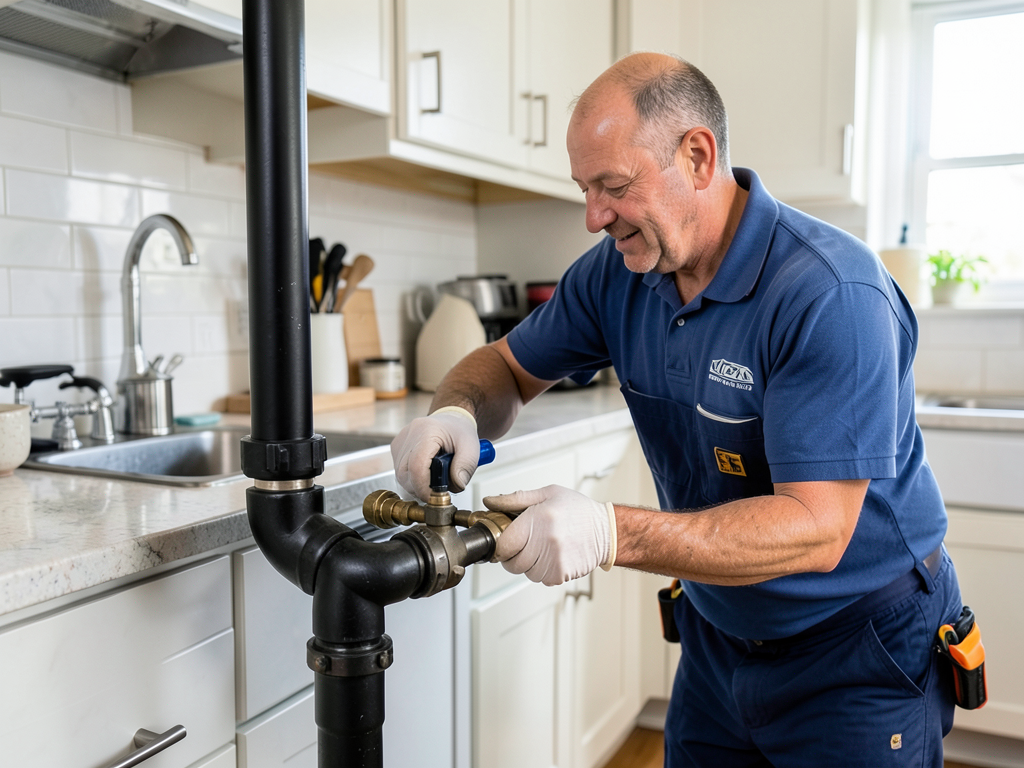
Planning a kitchen remodel in Washington DC means understanding the critical role of proper gas line installation. Whether you’re upgrading to a professional-grade range or adding a gas fireplace, your project requires specialized expertise to meet DC’s strict safety codes and building regulations. A single mistake can lead to dangerous gas leaks, carbon monoxide exposure, or even catastrophic explosions in your home. DC Department of Buildings plumbing permits.
DC row houses and historic properties present unique challenges for gas line installation. The dense urban environment means pipes must navigate through tight spaces while maintaining proper venting and pressure regulation. Washington Gas requires specific certifications and pressure testing protocols that only licensed DC plumbers understand. Before you demo your old kitchen, you need to know exactly what’s required to keep your family safe and your project code-compliant. Washington Gas service requirements.
DC Gas Line Installation Requirements You Must Know
Washington DC enforces some of the nation’s strictest gas installation standards. The DC Department of Buildings requires permits for all new gas line work, and Washington Gas must approve any modifications to existing service. You cannot simply hire any contractor and hope for the best. Your installer must hold a valid DC Master Plumber license and carry specific insurance coverage for gas work. Who to Call When You Need an Emergency Plumber in Georgetown Right Away.
The installation process begins with a comprehensive site assessment. Your plumber will evaluate your home’s existing gas service capacity, determine if your meter needs upgrading, and map out the most efficient route for new lines. DC’s older neighborhoods like Capitol Hill and Georgetown often have aging infrastructure that requires careful evaluation before any new connections are made.
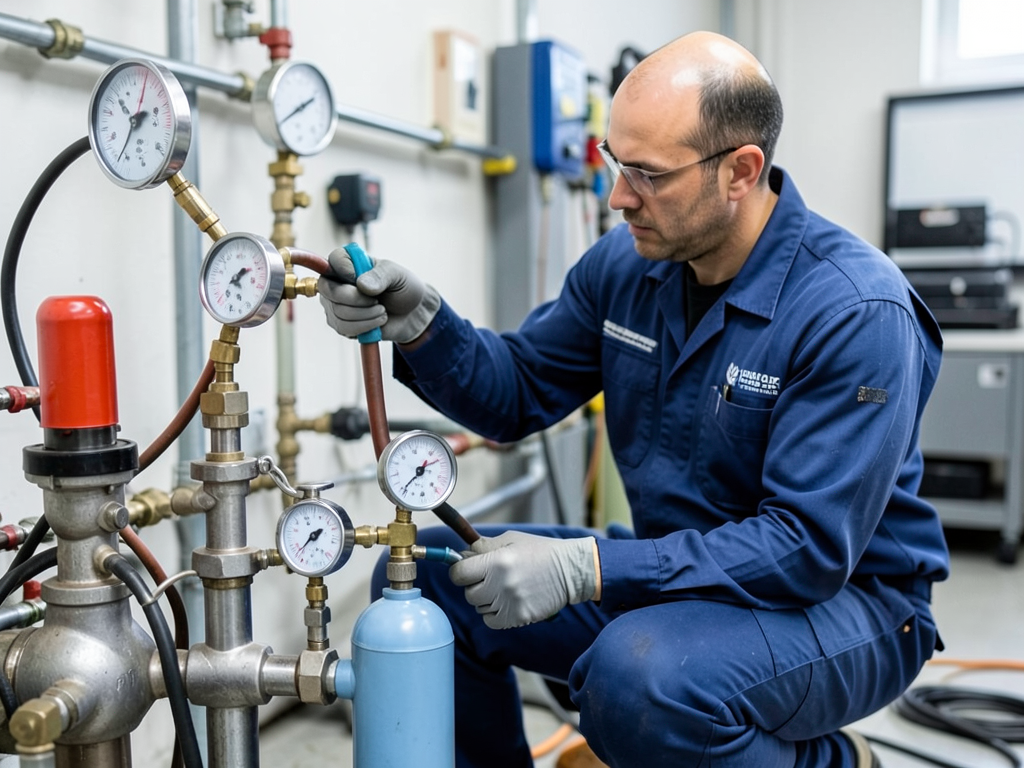
Pressure testing is non-negotiable in DC. After installation, your plumber must perform a multi-point pressure test that verifies the integrity of every connection. This test uses specialized gauges to detect even microscopic leaks that could become dangerous over time. Washington Gas requires documentation of these tests before they’ll activate new service.
Materials Matter: Choosing the Right Gas Line Components
DC building codes specify approved materials for gas line installation. Black iron pipe remains the gold standard for most interior applications due to its durability and heat resistance. However, Corrugated Stainless Steel Tubing (CSST) offers advantages in certain situations, particularly when routing through existing walls or tight spaces.
CSST installation requires specific bonding and grounding procedures mandated by the National Fuel Gas Code. Improper installation of CSST can create fire hazards during electrical storms. Your DC plumber must understand these requirements and implement proper safety measures. The choice between materials affects not just installation cost but long-term reliability and maintenance requirements.
Every fitting, valve, and connection must meet ASTM standards and be rated for natural gas service. Using incorrect components or mixing materials can void warranties and create dangerous conditions. Your licensed plumber will select components based on your specific application, local code requirements, and manufacturer specifications.
The Step-by-Step Gas Line Installation Process
- Permit Acquisition and Utility Coordination
Your licensed plumber files permits with the DC Department of Buildings and coordinates with Washington Gas to verify service capacity and schedule inspections.
- Site Assessment and Design Planning
Technicians evaluate existing infrastructure, measure gas loads for new appliances, and create detailed installation plans that comply with DC codes.
- Material Selection and Preparation
Based on the assessment, your plumber selects appropriate pipe materials, fittings, and valves that meet all local and national standards.
- Installation and Connection
Qualified technicians install new lines, making all connections according to manufacturer specifications and code requirements.
- Pressure Testing and Leak Detection
Comprehensive pressure testing verifies system integrity, followed by electronic leak detection to identify any potential issues.
- Inspection and Activation
DC inspectors verify compliance, then Washington Gas activates service and provides final approval.
Each step requires specific expertise and documentation. Skipping any phase or using unqualified personnel can result in failed inspections, service delays, or dangerous conditions in your home. The entire process typically takes 3-5 business days from permit approval to final activation, though complex projects may require additional time.. Read more about Expert Plumbing Support for Your Shaw Neighborhood Home Renovation.
Safety Standards That Protect Your DC Home
DC’s gas safety requirements exceed national minimums. The International Fuel Gas Code, as adopted by Washington DC, mandates specific clearances, venting requirements, and safety devices for all gas installations. These aren’t suggestions they’re legal requirements that protect your family.
Carbon monoxide detectors are now mandatory in all DC homes with gas appliances. Your installation must include proper venting to prevent CO buildup, and all gas lines must have accessible shut-off valves. The code also requires specific earthquake bracing in certain areas, even though DC isn’t in a traditional earthquake zone.
Gas leak detection has evolved significantly. Modern electronic sniffers can detect leaks as small as 1 part per million. Your DC plumber should use these advanced tools during every installation. Visual inspection alone is no longer considered adequate for ensuring safety. The technology exists to verify every connection is completely leak-free.
Common Kitchen Remodel Gas Line Scenarios
Professional-grade ranges are the most common reason homeowners need new gas lines in DC. These appliances often require 3/4-inch supply lines compared to the 1/2-inch lines used for standard ranges. The increased capacity ensures consistent performance even when all burners and the oven operate simultaneously. Common Plumbing Problems in Historic Capitol Hill Rowhouses (and How We Fix Them).
Gas fireplaces add both ambiance and heat to DC homes but require careful venting considerations. Historic row houses may need chimney relining or direct-vent systems to safely exhaust combustion gases. Your plumber must coordinate with HVAC specialists to ensure proper integration with your home’s ventilation system.
Outdoor kitchens are increasingly popular in DC’s suburban neighborhoods. These installations require weather-resistant materials and proper shut-off valve placement. Montgomery County and Prince George’s County have additional requirements for exterior gas lines that differ from DC regulations. Your installer must understand these jurisdictional differences.. Read more about Quick Kitchen and Bath Plumbing Upgrades for Anacostia Residents.
Why DIY Gas Line Work is Dangerous and Illegal
Washington DC law prohibits unlicensed individuals from performing gas line installation or modification. The penalties include hefty fines and potential criminal charges if work creates hazardous conditions. More importantly, DIY gas work puts your family at serious risk of injury or death.
Gas leaks don’t always smell like rotten eggs. Some leaks produce no odor at all, while others create symptoms like headaches, nausea, or dizziness that people mistake for other illnesses. By the time you notice something’s wrong, you may already be in danger.
Insurance companies often deny claims related to DIY gas work. If your unlicensed installation causes damage or injury, you could be personally liable for all costs. Professional installation includes liability insurance that protects you from these financial risks.
Cost Factors for DC Gas Line Installation
Gas line installation costs in Washington DC vary based on several factors. Permit fees range from $75 to $300 depending on project scope. Material costs depend on pipe diameter, length, and whether you choose black iron or CSST. Labor rates reflect the specialized expertise required for safe gas work.
Older homes often require additional work to bring gas systems up to current code. This might include replacing old valves, adding proper shut-offs, or upgrading meter capacity. These code compliance upgrades are necessary but add to the overall project cost.
Emergency installations or rush jobs typically cost more due to overtime labor and expedited permit processing. Planning your kitchen remodel during normal business hours can help control costs while ensuring proper attention to safety details. Emergency Sump Pump Failure.
DC Neighborhoods We Serve for Gas Line Installation
Our licensed DC plumbers serve all neighborhoods throughout Washington DC, including Capitol Hill, Georgetown, Dupont Circle, Adams Morgan, and Columbia Heights. We understand the unique challenges of each area, from Capitol Hill’s historic preservation requirements to Georgetown’s older infrastructure.
Suburban Maryland locations including Bethesda, Silver Spring, and Chevy Chase have different code requirements than DC proper. Our team stays current on all jurisdictional requirements to ensure your installation meets every applicable standard.
Whether you’re in a historic row house near Eastern Market or a modern condo in Navy Yard, we have the expertise to handle your gas line installation safely and professionally. Each neighborhood presents unique challenges that require local knowledge and experience.
Frequently Asked Questions
How long does gas line installation take in DC?
Most residential gas line installations in Washington DC take 2-3 days from start to finish. This includes permit acquisition, installation, pressure testing, and final inspection. Complex projects or those requiring meter upgrades may take longer.
Do I need permits for gas line work in DC?
Yes. The DC Department of Buildings requires permits for all gas line installation, modification, or replacement. Your licensed plumber will handle permit acquisition and coordinate all required inspections.
What happens if my gas line fails inspection?
If your installation fails inspection, your plumber must correct the deficiencies and request a re-inspection. Common issues include improper venting, inadequate shut-off valves, or material violations. Professional installers rarely have inspection failures due to their expertise and code knowledge.
Ready to Start Your Kitchen Remodel Safely?
Gas line installation isn’t a place to cut corners or save money. Your family’s safety depends on proper installation by qualified professionals who understand DC’s specific requirements. Don’t let an unlicensed contractor put your home at risk.
Call (771) 223-8111 today to schedule your gas line consultation. Our licensed DC Master Plumbers will evaluate your project, handle all permitting, and ensure your installation meets every safety standard. We serve all of Washington DC and surrounding Maryland suburbs with emergency service available when you need it most. Emergency Water Shut-Off Service.
Pick up the phone and call (771) 223-8111 before your kitchen remodel begins. Proper gas line installation is the foundation of a safe, code-compliant kitchen that your family will enjoy for years to come.. Read more about Setting Up Your Outdoor Kitchen or Garden Plumbing in Glover Park.
[IMAGE_PLACEHOLDER_3>
{
“@context”: “https://schema.org”,
“@type”: “BlogPosting”,
“headline”: “Safely Installing New Gas Lines for Your DC Kitchen Remodel”,
“description”: “Need gas line installation for your DC kitchen remodel? Learn DC permit requirements, safety standards, and why licensed plumbers are essential for your home.”,
“wordCount”: 1643,
“datePublished”: “2026-02-18T09:45:00.000Z”,
“dateModified”: “2026-02-18T09:45:00.000Z”,
“inLanguage”: “en-US”,
“mainEntityOfPage”: {
“@type”: “WebPage”,
“@id”: “https://crestlineplumbingwashingtondc.com”
},
“publisher”: {
“@type”: “LocalBusiness”,
“name”: “Crestline Plumbing Washington DC”,
“url”: “https://crestlineplumbingwashingtondc.com”
},
“author”: {
“@type”: “Organization”,
“name”: “Crestline Plumbing Washington DC”,
“url”: “https://crestlineplumbingwashingtondc.com”
},
“image”: {
“@type”: “ImageObject”,
“url”: “https://crestlineplumbingwashingtondc.com/wp-content/uploads/2026/03/safely-installing-new-gas-lines-for-your-dc-kitche-1.png”
}
}
{
“@context”: “https://schema.org”,
“@type”: “Plumber”,
“name”: “Crestline Plumbing Washington DC”,
“url”: “https://crestlineplumbingwashingtondc.com”,
“address”: {
“@type”: “PostalAddress”,
“addressLocality”: “Washington DC”
},
“areaServed”: {
“@type”: “City”,
“name”: “Washington DC”
}
}
{
“@context”: “https://schema.org”,
“@type”: “FAQPage”,
“mainEntity”: [
{
“@type”: “Question”,
“name”: “How long does gas line installation take in DC?”,
“acceptedAnswer”: {
“@type”: “Answer”,
“text”: “Most residential gas line installations in Washington DC take 2-3 days from start to finish. This includes permit acquisition, installation, pressure testing, and final inspection. Complex projects or those requiring meter upgrades may take longer.”
}
},
{
“@type”: “Question”,
“name”: “Do I need permits for gas line work in DC?”,
“acceptedAnswer”: {
“@type”: “Answer”,
“text”: “Yes. The DC Department of Buildings requires permits for all gas line installation, modification, or replacement. Your licensed plumber will handle permit acquisition and coordinate all required inspections.”
}
},
{
“@type”: “Question”,
“name”: “What happens if my gas line fails inspection?”,
“acceptedAnswer”: {
“@type”: “Answer”,
“text”: “If your installation fails inspection, your plumber must correct the deficiencies and request a re-inspection. Common issues include improper venting, inadequate shut-off valves, or material violations. Professional installers rarely have inspection failures due to their expertise and code knowledge.”
}
},
{
“@type”: “Question”,
“name”: “Ready to Start Your Kitchen Remodel Safely?”,
“acceptedAnswer”: {
“@type”: “Answer”,
“text”: “Gas line installation isn’t a place to cut corners or save money. Your family’s safety depends on proper installation by qualified professionals who understand DC’s specific requirements. Don’t let an unlicensed contractor put your home at risk.”
}
}
]
}
{
“@context”: “https://schema.org”,
“@type”: “HowTo”,
“name”: “DC Gas Line Installation Process”,
“step”: [
{
“@type”: “HowToStep”,
“position”: 1,
“name”: “Permit Acquisition and Utility Coordination”,
“text”: “Your licensed plumber files permits with the DC Department of Buildings and coordinates with Washington Gas to verify service capacity and schedule inspections.”
},
{
“@type”: “HowToStep”,
“position”: 2,
“name”: “Site Assessment and Design Planning”,
“text”: “Technicians evaluate existing infrastructure, measure gas loads for new appliances, and create detailed installation plans that comply with DC codes.”
},
{
“@type”: “HowToStep”,
“position”: 3,
“name”: “Material Selection and Preparation”,
“text”: “Based on the assessment, your plumber selects appropriate pipe materials, fittings, and valves that meet all local and national standards.”
},
{
“@type”: “HowToStep”,
“position”: 4,
“name”: “Installation and Connection”,
“text”: “Qualified technicians install new lines, making all connections according to manufacturer specifications and code requirements.”
},
{
“@type”: “HowToStep”,
“position”: 5,
“name”: “Pressure Testing and Leak Detection”,
“text”: “Comprehensive pressure testing verifies system integrity, followed by electronic leak detection to identify any potential issues.”
},
{
“@type”: “HowToStep”,
“position”: 6,
“name”: “Inspection and Activation”,
“text”: “DC inspectors verify compliance, then Washington Gas activates service and provides final approval.”
}
],
“image”: “https://crestlineplumbingwashingtondc.com/wp-content/uploads/2026/03/safely-installing-new-gas-lines-for-your-dc-kitche-1.png”
}
{
“@context”: “https://schema.org”,
“@type”: “BreadcrumbList”,
“itemListElement”: [
{
“@type”: “ListItem”,
“position”: 1,
“name”: “Home”,
“item”: “https://crestlineplumbingwashingtondc.com”
},
{
“@type”: “ListItem”,
“position”: 2,
“name”: “Blog”,
“item”: “https://crestlineplumbingwashingtondc.com/blog”
},
{
“@type”: “ListItem”,
“position”: 3,
“name”: “Safely Installing New Gas Lines for Your DC Kitchen Remodel”
}
]
}
{
“@context”: “https://schema.org”,
“@type”: “Service”,
“serviceType”: “Plumbing”,
“provider”: {
“@type”: “LocalBusiness”,
“name”: “Crestline Plumbing Washington DC”,
“url”: “https://crestlineplumbingwashingtondc.com”
},
“areaServed”: {
“@type”: “City”,
“name”: “Washington DC”
},
“description”: “Need gas line installation for your DC kitchen remodel? Learn DC permit requirements, safety standards, and why licensed plumbers are essential for your home.”
}