
Common Plumbing Problems in Historic Capitol Hill Rowhouses (and How We Fix Them)
Capitol Hill’s historic rowhouses built between 1850 and 1920 present unique plumbing challenges that modern homes simply don’t face. The combination of aging galvanized steel pipes, shared sewer lines, and lead service lines creates a perfect storm of potential failures. We’ve spent years diagnosing and repairing these exact issues throughout the Capitol Hill neighborhood, from Eastern Market to Lincoln Park. EPA information on lead in drinking water.
The first sign of trouble often comes as a slow drain or discolored water. But these symptoms mask deeper problems. Many Capitol Hill rowhouses still have their original plumbing systems, which means pipes that have been corroding for over a century. The soil composition in DC’s urban core, with its high clay content and poor drainage, accelerates pipe deterioration. When temperatures drop below freezing, as they do several times each winter, these weakened pipes become even more vulnerable to bursting. DC Water services and programs.
The most common emergency we respond to involves shared sewer lines between rowhouses. When one homeowner experiences a blockage, it often affects their neighbors too. This creates a chain reaction where sewage backs up into multiple basements simultaneously. We’ve seen this happen during major storms when the combined sewer system becomes overwhelmed, a problem that affects much of Capitol Hill due to its proximity to the Anacostia River watershed.. Read more about Choosing the Best Tankless Water Heater for Your Small Washington DC Condo.
Lead service lines represent another serious concern. DC Water estimates that thousands of homes in Capitol Hill still have lead pipes connecting to the main water supply. While DC Water has been replacing public lead lines, the private portions remain the homeowner’s responsibility. We use X-ray fluorescence testing to identify lead pipes without damaging walls, then replace them with copper or PEX according to DCRA regulations.. Read more about Safely Installing New Gas Lines for Your DC Kitchen Remodel.
Lead Service Line Replacement in Capitol Hill
Lead pipes were standard in Washington DC until the 1950s. In Capitol Hill’s historic district, we often find lead pipes running through basement walls and under original hardwood floors. The corrosion process creates a rough interior surface where mineral deposits accumulate, reducing water flow by up to 70% over decades.. Read more about Don’t Let Your Basement Flood—Expert Sump Pump Repair and Maintenance in Northwest DC.
The replacement process requires careful planning. We must coordinate with DC Water for the public portion and obtain DCRA permits for the private side. The work typically takes 2-3 days and involves cutting into walls to access the main shut-off valve. We always test water quality before and after replacement using EPA Method 200.8 for lead detection.. Read more about How We Find and Fix Hidden Water Leaks in Logan Circle Condos.
Cost factors include the pipe length, accessibility, and whether the home has a basement or crawl space. Capitol Hill’s narrow rowhouse lots mean we often work in confined spaces, which increases labor time. We provide detailed cost breakdowns showing the difference between partial and complete replacement, helping homeowners make informed decisions about their family’s health.. Read more about Why Woodley Park Homeowners Are Choosing Trenchless Pipe Repair to Save Their Landscaping.
Shared Sewer Line Diagnostics and Repair
Capitol Hill’s rowhouses were built with shared sewer lines running along property boundaries. This design saved space in the densely packed urban environment but creates ongoing maintenance challenges. When one section fails, it affects multiple properties.. Read more about Modern Sewer Line Solutions for Navy Yard Property Managers and Building Owners.
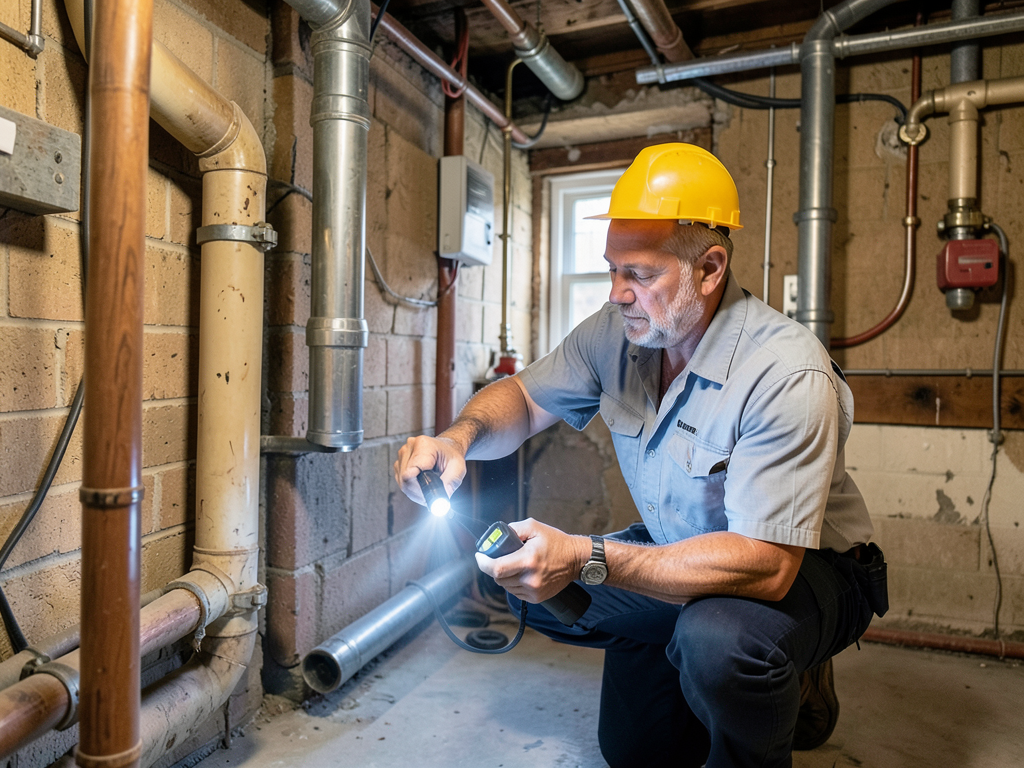
We use sewer camera inspection to locate blockages and damage. The camera reveals pipe condition, joint separations, and root intrusions. In Capitol Hill, we frequently find terra cotta pipes from the early 1900s that have shifted due to soil movement. These pipes develop cracks that allow tree roots to enter, creating recurring blockages.. Read more about What to Do When Your DC Pipes Freeze and Burst This Winter.
Repair options depend on the damage extent. For minor issues, we use trenchless pipe lining, which creates a new pipe within the old one. This method preserves landscaping and minimizes disruption to neighboring properties. For severe damage, we excavate and replace sections, always following DCRA historic preservation guidelines for exterior modifications.. Read more about Fixing Main Water Line Issues Under the Streets of Petworth.
The diagnostic process includes pressure testing to identify leaks and smoke testing to find sewer gas infiltration points. We document everything with video and photos, then provide a written repair plan with options and costs. This transparency helps homeowners understand exactly what’s wrong and why specific repairs are necessary.. Read more about Fast Toilet Repair and Replacement Services for Residents in Columbia Heights.
Galvanized Pipe Replacement and Repiping
Galvanized steel pipes were the standard for Capitol Hill rowhouses built before 1960. These pipes have a 40-50 year lifespan, meaning most are now at or beyond their expected service life. The zinc coating that protected the steel wears away, leaving the iron vulnerable to rust and corrosion.
Symptoms of failing galvanized pipes include reduced water pressure, rusty water, and frequent leaks. We often find multiple leaks in different areas of the same house, indicating systemic pipe failure. The corrosion creates internal buildup that restricts water flow, sometimes reducing it to a trickle.
Repiping involves replacing all the old pipes with modern materials. We typically use PEX for its flexibility and resistance to corrosion, or copper for its longevity and reliability. The process requires opening walls and ceilings to access the pipe network. In Capitol Hill’s historic homes, we work carefully to preserve original plaster and woodwork.. Read more about How to Tell if Your Historic Bloomingdale Home Still Has Lead Service Lines.
We create a detailed repiping plan that shows pipe routes, fixture connections, and access points. This helps homeowners understand the scope of work and prepare for the temporary disruption. Most repiping projects take 3-5 days, during which we maintain water service to at least one bathroom and kitchen area.
Historic Plumbing Permit Requirements in DC
Working on Capitol Hill’s historic properties requires navigating both DCRA building permits and the Historic Preservation Review Board approvals. The process starts with a detailed scope of work that shows how repairs will affect the building’s historic character.
For exterior work, we must demonstrate that repairs won’t alter the building’s appearance from the street. This includes hiding new plumbing vents and ensuring that any visible changes match the original design. Interior work has fewer restrictions but still requires permits for major modifications.. Read more about Expert Plumbing Support for Your Shaw Neighborhood Home Renovation.
The permit process typically takes 2-4 weeks, longer if the project affects exterior elements. We handle all the paperwork, including submitting drawings, specifications, and historic compatibility statements. Our experience with DC’s permit system helps streamline the process and avoid common delays.
We also coordinate with DC Water for service line work and the Department of Consumer and Regulatory Affairs for inspections. This comprehensive approach ensures all work meets current codes while respecting the building’s historic status.
Emergency Response for Capitol Hill Plumbing Failures
Plumbing emergencies in Capitol Hill rowhouses require immediate attention due to the potential for widespread damage. A burst pipe in one unit can flood adjacent properties through shared walls and ceilings. We maintain 24/7 emergency response specifically for these situations.
Our emergency protocol starts with rapid assessment and water shut-off. We carry specialized tools for accessing century-old shut-off valves that often resist modern tools. Once the water is controlled, we assess damage extent and begin water extraction if needed.
Common emergencies include frozen pipe bursts during winter polar vortex events, main line failures that affect multiple units, and water heater ruptures in finished basements. Each scenario requires different response strategies and equipment.
We provide temporary repairs to restore basic service while permanent solutions are planned. This might include installing bypass lines, temporary fixtures, or emergency drainage systems. Our goal is to minimize disruption while ensuring safe, code-compliant repairs.
Cost Factors for Capitol Hill Plumbing Repairs
Plumbing repairs in Capitol Hill’s historic rowhouses typically cost 20-40% more than in modern homes due to several factors. The age of the infrastructure means more extensive diagnostic work is needed before repairs can begin. Limited access to pipes behind original walls and ceilings increases labor time.
Permit fees for historic properties add $500-1,500 to project costs. The need for specialized materials that match historic specifications can increase material costs by 15-25%. Working within occupied rowhouses often requires additional dust containment and cleanup procedures.
However, we provide detailed cost breakdowns showing exactly what each component costs. This transparency helps homeowners understand where their money goes and make informed decisions about repair vs. replacement options. We also offer phased repair plans that spread costs over time while addressing the most critical issues first.
Preventative Maintenance for Historic Plumbing Systems
Regular maintenance can prevent many common Capitol Hill plumbing problems. We recommend annual inspections that include water pressure testing, drain flow assessment, and visual examination of accessible pipes. Early detection of issues like minor corrosion or small leaks can prevent major failures.
Key maintenance tasks include cleaning aerators and showerheads to remove mineral buildup, checking for toilet leaks using dye tablets, and inspecting visible pipes for corrosion or moisture. We also test water quality annually, especially important in older homes with lead service lines.
Seasonal preparation is crucial in DC’s climate. Before winter, we recommend insulating exposed pipes and checking that outdoor hose bibs are properly shut off. Spring maintenance should include checking for freeze damage and testing sump pumps before the rainy season.
We provide maintenance checklists specific to each home’s plumbing system, based on its age, materials, and previous repair history. This personalized approach helps homeowners stay ahead of potential problems.
Modern Upgrades for Historic Rowhouses
Many Capitol Hill homeowners want to upgrade their plumbing systems while preserving historic character. We specialize in integrating modern plumbing technology into century-old homes without compromising their architectural integrity.
Tankless water heaters can replace old storage tanks while freeing up valuable basement space. We install compact models that vent through existing chimneys or exterior walls, maintaining the home’s original appearance. These units provide endless hot water and reduce energy costs by 30-40%.
Water-efficient fixtures can be installed in historic bathrooms without changing their appearance. We use reproduction-style fixtures that meet current water conservation standards while matching the home’s period details. This includes low-flow toilets with historic styling and water-saving showerheads that maintain good pressure.
Smart home integration allows remote monitoring of water usage and leak detection. We install systems that alert homeowners to unusual water patterns, helping catch problems before they cause major damage. These systems can be programmed to shut off water automatically if a leak is detected.
Why Choose Local Capitol Hill Plumbing Experts
Plumbing in Capitol Hill requires specific expertise that general contractors often lack. We understand the unique challenges of working in historic rowhouses, from navigating narrow basement stairs to matching original plaster repair techniques.
Our team includes plumbers who have worked in Capitol Hill for over a decade. We know the common failure patterns in different rowhouse eras and the best repair approaches for each. This experience allows us to diagnose problems quickly and recommend the most cost-effective solutions.
We maintain relationships with DC Water, DCRA, and the Historic Preservation Office. These connections help expedite permits and ensure all work meets current standards while respecting historic requirements. Our familiarity with local codes means we can often suggest alternatives that save time and money without compromising quality.
We also understand the community aspect of Capitol Hill living. Shared walls and common infrastructure mean that plumbing work in one home can affect neighbors. We communicate clearly with all affected parties and coordinate work to minimize disruption to the entire block.
Frequently Asked Questions
How do I know if my Capitol Hill home has lead pipes?
Lead pipes are common in homes built before 1950. Signs include green corrosion on pipes, soft metal that scratches easily, and water that runs clear after sitting for a few minutes. We offer X-ray fluorescence testing to confirm lead presence without damaging walls.
What’s the typical lifespan of galvanized pipes in DC rowhouses?
Galvanized steel pipes installed in the 1920s-1950s typically last 40-50 years. Most Capitol Hill homes with original galvanized pipes are now experiencing reduced water pressure and frequent leaks due to internal corrosion.
Do I need special permits for plumbing work in Capitol Hill’s historic district?
Yes. DCRA permits are required for most plumbing modifications. Work affecting exterior appearance or shared infrastructure may also need Historic Preservation Review Board approval. We handle all permit applications and coordinate required inspections.
How long does repiping a Capitol Hill rowhouse typically take?
Complete repiping usually takes 3-5 days, depending on the home’s size and accessibility. We maintain water service to at least one bathroom and kitchen area during the process to minimize disruption.
What causes shared sewer line problems in rowhouses?
Shared sewer lines can fail due to tree root intrusion, soil movement, or pipe deterioration. When one section fails, it often affects multiple properties. We use camera inspection to locate problems and recommend the most effective repair method.
- Shut Off Water Immediately
Locate the main shut-off valve and turn it clockwise. In Capitol Hill rowhouses, this is often in the basement near the front of the house.
- Assess the Damage
Check for standing water, ceiling stains, or wall moisture. Document everything with photos for insurance purposes.
- Call Emergency Services
Call (771) 223-8111 for 24/7 emergency response. We arrive within 60 minutes for Capitol Hill emergencies.
- Protect Your Property
Move valuables from affected areas. Place buckets under active leaks. Turn off electricity if water is near outlets.
Comparing Repair vs. Replacement Options
| Problem Type | Repair Option | Replacement Option | Typical Cost Range |
|---|---|---|---|
| Lead Service Line | Partial replacement (public portion only) | Complete replacement (public and private) | $2,000 – $8,000 |
| Galvanized Pipe Section | Spot repair of leaking section | Full home repiping | $500 – $3,000 |
| Shared Sewer Line | Trenchless pipe lining | Full excavation and replacement | $3,000 – $12,000 |
| Water Heater | Repair heating elements or thermostat | High-efficiency tankless installation | $400 – $3,500 |
Capitol Hill Plumbing by Neighborhood
Different areas of Capitol Hill have distinct plumbing characteristics based on when they were developed. The area around Eastern Market, developed in the 1870s-1890s, often has the oldest infrastructure with many original lead and galvanized pipes still in service.
Lincoln Park and the area north of Pennsylvania Avenue, developed slightly later, typically have better-preserved systems but still face age-related issues. The Barracks Row area has seen significant renovation, but many homes retain their original plumbing that needs updating.
We maintain detailed records of common issues in each neighborhood, allowing us to arrive prepared with the right tools and materials. This local knowledge means faster diagnosis and more effective repairs for Capitol Hill homeowners.
Seasonal Plumbing Challenges in DC
DC’s climate creates specific plumbing challenges throughout the year. Winter brings frozen pipe risks, especially in homes with poor insulation or those that experienced previous freeze damage. We see a 300% increase in emergency calls during January’s coldest weeks.
Spring and summer bring heavy rainfall that can overwhelm aging drainage systems. Many Capitol Hill rowhouses have original French drains that no longer function properly due to soil compaction and root intrusion. This leads to basement flooding during major storms.
Fall is actually the best time for preventative maintenance. We recommend fall inspections to identify and address potential winter problems before cold weather arrives. This proactive approach can prevent costly emergency repairs during the coldest months.
Technology Integration for Historic Homes
Modern plumbing technology can be integrated into historic Capitol Hill homes without compromising their character. Smart water monitors can detect leaks within hours rather than days, preventing major damage. These systems work with existing plumbing and can be monitored via smartphone apps.
Water quality monitoring systems are particularly valuable in older homes with lead service lines. These devices continuously test water for lead and other contaminants, providing real-time alerts if levels exceed safe thresholds.
High-efficiency fixtures can reduce water usage by 30-50% while maintaining the historic appearance of bathrooms and kitchens. We install pressure-compensating aerators and low-flow toilets that look like period-appropriate fixtures but meet modern conservation standards.
Insurance Considerations for Historic Plumbing
Homeowner’s insurance policies often have specific provisions for historic properties. Many policies exclude coverage for gradual deterioration of plumbing systems, considering it a maintenance issue rather than a sudden event.
We recommend documenting your plumbing system’s condition with photos and professional inspections. This creates a baseline that can be valuable if you need to file a claim. Some insurance companies offer premium discounts for homes with updated plumbing systems or leak detection equipment.. Read more about How to Get Rid of Stubborn Clogs with Professional Drain Cleaning in Adams Morgan.
For major renovations, we can provide detailed scope documents that clearly show what work was done and when. This documentation helps establish that plumbing updates were completed to current codes, which can be important for insurance underwriting.
Getting Started with Your Plumbing Project
Every successful plumbing project starts with a thorough assessment. We begin with a comprehensive inspection that includes water pressure testing, drain flow analysis, and visual examination of accessible pipes. This diagnostic process typically takes 1-2 hours and provides the foundation for accurate recommendations.
Based on our findings, we develop a prioritized plan that addresses immediate safety concerns first, then moves to efficiency improvements and preventative measures. This approach ensures that critical issues are resolved quickly while allowing homeowners to budget for larger projects over time.
We provide detailed written proposals that explain the problem, proposed solution, timeline, and costs. Our proposals include multiple options when available, allowing homeowners to choose the approach that best fits their needs and budget.
Ready to address your Capitol Hill plumbing issues? Call (771) 223-8111 today to schedule your comprehensive plumbing inspection. Our experienced team understands the unique challenges of historic rowhouse plumbing and can provide solutions that protect your home’s value while ensuring reliable service for years to come.
Don’t wait for a small problem to become a major emergency. Whether you need lead pipe replacement, sewer line repair, or just a professional assessment of your system’s condition, we’re here to help. Our 24/7 emergency service means we’re always available when you need us most.
Capitol Hill’s historic charm deserves modern plumbing reliability. Let us help you preserve your home’s character while ensuring it meets today’s safety and efficiency standards. Call (771) 223-8111 now to speak with our plumbing experts about your specific needs.
You may also find this helpful. Getting Your Broken Garbage Disposal Fixed Fast Anywhere in Washington DC.
{
“@context”: “https://schema.org”,
“@type”: “BlogPosting”,
“headline”: “Common Plumbing Problems in Historic Capitol Hill Rowhouses (and How We Fix Them)”,
“description”: “Expert solutions for Capitol Hill’s historic plumbing issues. Learn about lead pipes, shared sewer lines, and how our DC-certified team handles rowhouse repairs.”,
“wordCount”: 2935,
“datePublished”: “2026-02-12T09:06:00.000Z”,
“dateModified”: “2026-02-12T09:06:00.000Z”,
“inLanguage”: “en-US”,
“mainEntityOfPage”: {
“@type”: “WebPage”,
“@id”: “https://crestlineplumbingwashingtondc.com”
},
“publisher”: {
“@type”: “LocalBusiness”,
“name”: “Crestline Plumbing Washington DC”,
“url”: “https://crestlineplumbingwashingtondc.com”
},
“author”: {
“@type”: “Organization”,
“name”: “Crestline Plumbing Washington DC”,
“url”: “https://crestlineplumbingwashingtondc.com”
},
“image”: {
“@type”: “ImageObject”,
“url”: “https://crestlineplumbingwashingtondc.com/wp-content/uploads/2026/03/common-plumbing-problems-in-historic-capitol-hill-1.png”
}
}
{
“@context”: “https://schema.org”,
“@type”: “Plumber”,
“name”: “Crestline Plumbing Washington DC”,
“url”: “https://crestlineplumbingwashingtondc.com”,
“address”: {
“@type”: “PostalAddress”,
“addressLocality”: “Washington DC”
},
“areaServed”: {
“@type”: “City”,
“name”: “Washington DC”
}
}
{
“@context”: “https://schema.org”,
“@type”: “FAQPage”,
“mainEntity”: [
{
“@type”: “Question”,
“name”: “How do I know if my Capitol Hill home has lead pipes?”,
“acceptedAnswer”: {
“@type”: “Answer”,
“text”: “Lead pipes are common in homes built before 1950. Signs include green corrosion on pipes, soft metal that scratches easily, and water that runs clear after sitting for a few minutes. We offer X-ray fluorescence testing to confirm lead presence without damaging walls.”
}
},
{
“@type”: “Question”,
“name”: “What’s the typical lifespan of galvanized pipes in DC rowhouses?”,
“acceptedAnswer”: {
“@type”: “Answer”,
“text”: “Galvanized steel pipes installed in the 1920s-1950s typically last 40-50 years. Most Capitol Hill homes with original galvanized pipes are now experiencing reduced water pressure and frequent leaks due to internal corrosion.”
}
},
{
“@type”: “Question”,
“name”: “Do I need special permits for plumbing work in Capitol Hill’s historic district?”,
“acceptedAnswer”: {
“@type”: “Answer”,
“text”: “Yes. DCRA permits are required for most plumbing modifications. Work affecting exterior appearance or shared infrastructure may also need Historic Preservation Review Board approval. We handle all permit applications and coordinate required inspections.”
}
},
{
“@type”: “Question”,
“name”: “How long does repiping a Capitol Hill rowhouse typically take?”,
“acceptedAnswer”: {
“@type”: “Answer”,
“text”: “Complete repiping usually takes 3-5 days, depending on the home’s size and accessibility. We maintain water service to at least one bathroom and kitchen area during the process to minimize disruption.”
}
},
{
“@type”: “Question”,
“name”: “What causes shared sewer line problems in rowhouses?”,
“acceptedAnswer”: {
“@type”: “Answer”,
“text”: “Shared sewer lines can fail due to tree root intrusion, soil movement, or pipe deterioration. When one section fails, it often affects multiple properties. We use camera inspection to locate problems and recommend the most effective repair method.”
}
}
]
}
{
“@context”: “https://schema.org”,
“@type”: “HowTo”,
“name”: “How to Handle Plumbing Emergencies”,
“step”: [
{
“@type”: “HowToStep”,
“position”: 1,
“name”: “Shut Off Water Immediately”,
“text”: “Locate the main shut-off valve and turn it clockwise. In Capitol Hill rowhouses, this is often in the basement near the front of the house.”
},
{
“@type”: “HowToStep”,
“position”: 2,
“name”: “Assess the Damage”,
“text”: “Check for standing water, ceiling stains, or wall moisture. Document everything with photos for insurance purposes.”
},
{
“@type”: “HowToStep”,
“position”: 3,
“name”: “Call Emergency Services”,
“text”: “Call (771) 223-8111 for 24/7 emergency response. We arrive within 60 minutes for Capitol Hill emergencies.”
},
{
“@type”: “HowToStep”,
“position”: 4,
“name”: “Protect Your Property”,
“text”: “Move valuables from affected areas. Place buckets under active leaks. Turn off electricity if water is near outlets.”
}
],
“image”: “https://crestlineplumbingwashingtondc.com/wp-content/uploads/2026/03/common-plumbing-problems-in-historic-capitol-hill-1.png”
}
{
“@context”: “https://schema.org”,
“@type”: “BreadcrumbList”,
“itemListElement”: [
{
“@type”: “ListItem”,
“position”: 1,
“name”: “Home”,
“item”: “https://crestlineplumbingwashingtondc.com”
},
{
“@type”: “ListItem”,
“position”: 2,
“name”: “Blog”,
“item”: “https://crestlineplumbingwashingtondc.com/blog”
},
{
“@type”: “ListItem”,
“position”: 3,
“name”: “Common Plumbing Problems in Historic Capitol Hill Rowhouses (and How We Fix Them)”
}
]
}
{
“@context”: “https://schema.org”,
“@type”: “Service”,
“serviceType”: “Plumbing”,
“provider”: {
“@type”: “LocalBusiness”,
“name”: “Crestline Plumbing Washington DC”,
“url”: “https://crestlineplumbingwashingtondc.com”
},
“areaServed”: {
“@type”: “City”,
“name”: “Washington DC”
},
“description”: “Expert solutions for Capitol Hill’s historic plumbing issues. Learn about lead pipes, shared sewer lines, and how our DC-certified team handles rowhouse repairs.”
}