
Menu

Water Heater Maintenance Tips in Washington, D.C. – Prevent Costly Breakdowns in Our Humid, Hard Water Climate

Get a proven water heater maintenance schedule tailored to Washington, D.C.'s challenging water conditions and seasonal temperature swings to extend tank life and avoid emergency failures.

Slider Image 1
Slider Image 2
Slider Image 3
Slider Image 4
Slider Image 5
Slider Image 7
Slider Image 8
Slider Image 9
Slider Image 10
Slider Image 11

Why Washington, D.C. Water Heaters Demand Year-Round Attention

Washington, D.C. sits in a humid subtropical climate zone where summer humidity hits 70 percent and winter temperatures plummet below freezing. This constant temperature cycling stresses water heater components. The expansion and contraction of metal tanks and pipes creates fatigue points that eventually leak.

The Potomac River watershed feeds municipal water systems throughout the District, and that water carries significant mineral content. Calcium and magnesium accumulate inside tanks as sediment, reducing efficiency and insulating the burner from the water it needs to heat. This sediment layer forces your system to work harder, shortening its lifespan by years.

Neighborhoods east of Rock Creek Park experience even harder water due to the underlying geology. Clay soil in Capitol Hill and Anacostia areas shifts with seasonal moisture changes, putting stress on water lines and connections. This movement can loosen anode rods, the sacrificial component that prevents tank corrosion.

A solid hot water heater upkeep routine addresses these regional factors head-on. Preventative water heater maintenance means flushing sediment every six months instead of annually. It means checking the pressure relief valve before winter freeze-thaw cycles begin. A water heater care checklist built for D.C. conditions catches small issues before they become emergency calls.

Most homeowners in Georgetown and Dupont Circle ignore their water heater until it fails. By then, you are dealing with water damage, replacement costs, and days without hot water. A water heater maintenance schedule prevents that scenario.

Why Washington, D.C. Water Heaters Demand Year-Round Attention
The Right Way to Maintain a Water Heater in D.C.'s Climate

The Right Way to Maintain a Water Heater in D.C.'s Climate

Water heater care starts with understanding your fuel source. Gas-fired units require different attention than electric resistance models. Gas water heaters need combustion chamber inspection and burner cleaning to maintain proper flame patterns. Electric units need element testing and thermostat calibration.

The anode rod is your first line of defense against tank corrosion. This magnesium or aluminum rod attracts corrosive elements in the water, sacrificing itself to protect the steel tank. In D.C.'s mineral-heavy water, anode rods degrade faster. Pull the rod annually and replace it when more than six inches of core wire is exposed. This single step can double your tank's lifespan.

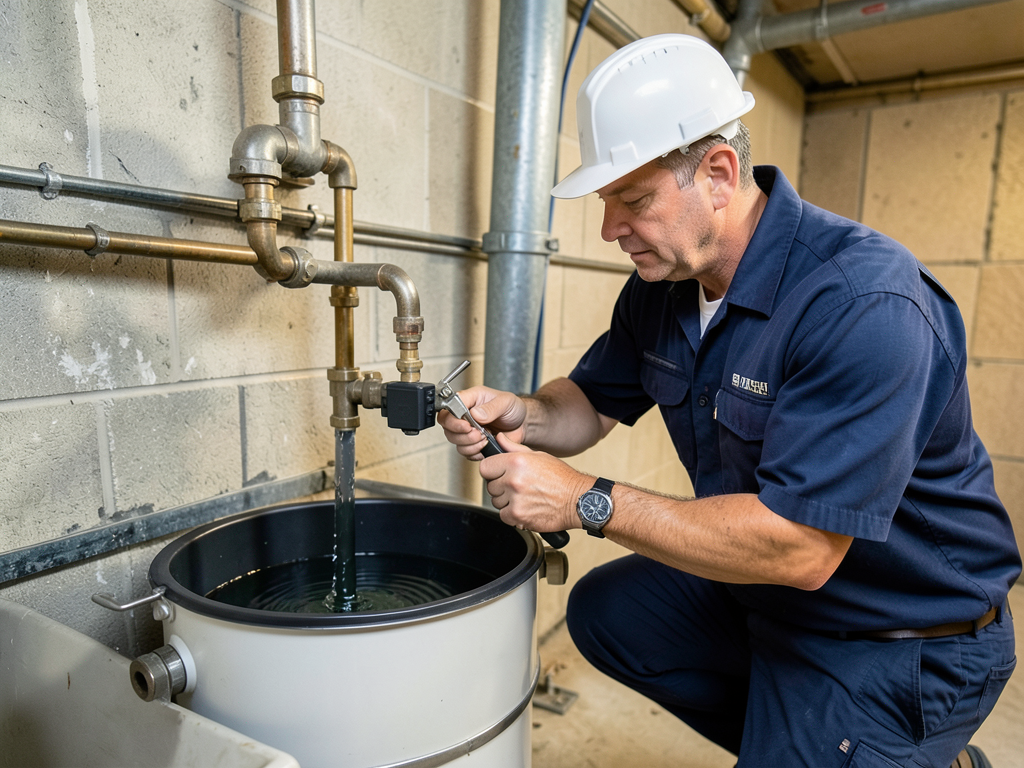
Sediment flushing is non-negotiable in hard water areas. Attach a garden hose to the drain valve and empty three to five gallons into a bucket. If the water runs brown or gritty, keep flushing until it clears. For homes near the Anacostia River or in neighborhoods with older galvanized pipes, flush quarterly.

Temperature and pressure relief valves prevent catastrophic tank failures. Test the TPR valve by lifting the lever and allowing water to discharge through the overflow pipe. If water does not flow freely or the valve leaks afterward, replace it immediately. A faulty TPR valve turns a water heater into a potential explosion hazard.

Insulation jackets reduce standby heat loss in unheated basements common throughout Shaw and Columbia Heights. Wrap the tank body, leaving the top, bottom, thermostat, and burner access clear. Pipe insulation on the first six feet of hot and cold lines cuts heat loss by another 10 percent.

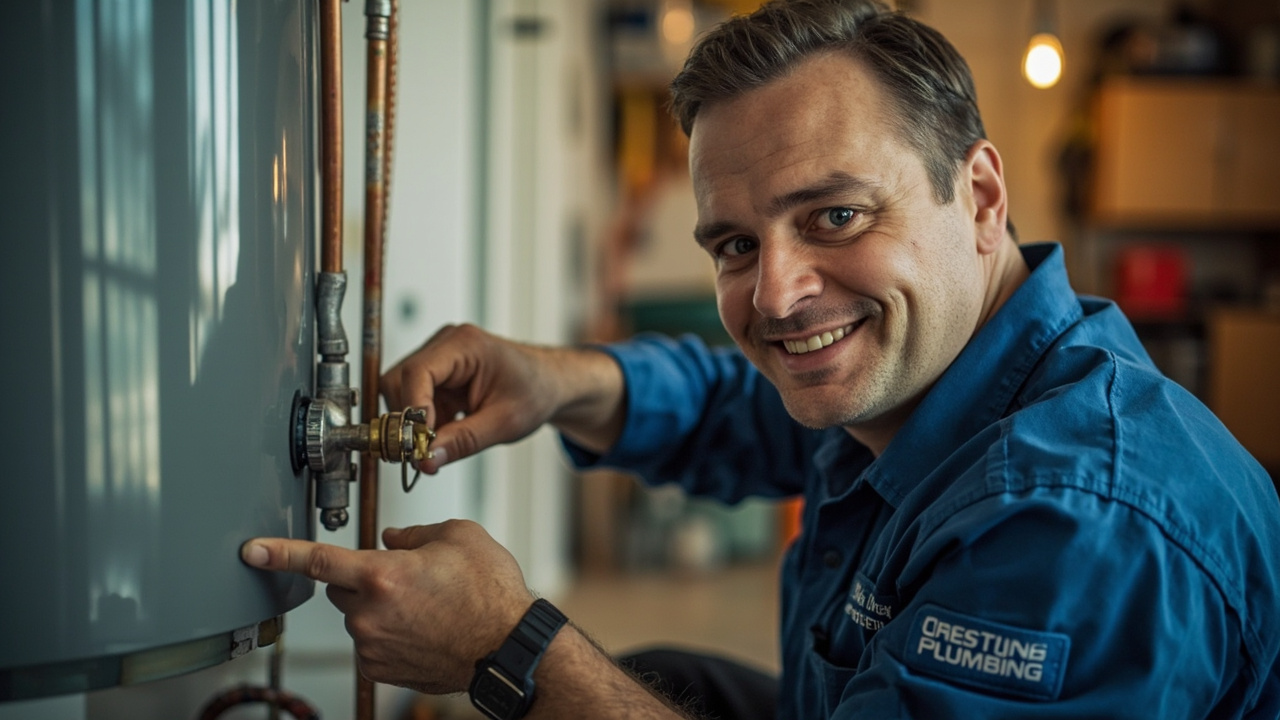
Crestline Plumbing Washington DC follows a water heater maintenance schedule that addresses every component based on your water chemistry, usage patterns, and equipment age. We test for proper venting in gas units, verify electrical connections in electric models, and document baseline performance for future comparison.

How We Keep Your Water Heater Running Efficiently

Water Heater Maintenance Tips in Washington, D.C. – Prevent Costly Breakdowns in Our Humid, Hard Water Climate
01

System Evaluation and Testing

We start by checking inlet and outlet temperatures to establish your unit's actual temperature rise. This tells us if the heating elements or burner are performing correctly. We inspect the venting system on gas units for blockages or corrosion that could cause backdrafting. Electrical connections get torque-checked to prevent arcing and heat buildup. We test water pressure at the TPR valve and verify the discharge pipe terminates properly.
02

Component Service and Adjustment

We drain the tank until discharge water runs clear, removing the sediment layer that kills efficiency. The anode rod gets pulled and measured. If degradation exceeds our threshold, we install a new rod matched to your water chemistry. Thermostat settings get verified with a calibrated thermometer. Gas burners are cleaned and flame patterns adjusted. Electric elements are tested under load. Every connection point is inspected for corrosion or leaks.
03

Documentation and Recommendations

You receive a written report detailing what we found, what we serviced, and what needs attention in the next six to twelve months. If your tank shows signs of internal corrosion or the heat exchanger is scaling badly, we explain your options clearly. We provide a customized hot water tank maintenance timeline based on your specific water conditions and usage patterns. You know exactly when to schedule the next service.

Why D.C. Homeowners Trust Local Plumbing Expertise

Crestline Plumbing Washington DC understands the infrastructure challenges specific to the District. We know that homes in Logan Circle and Adams Morgan often have original cast iron drains that affect water chemistry. We recognize that rowhouses in Capitol Hill have water heaters in tight mechanical closets that require specialized access techniques.

The D.C. Department of Energy and Environment sets specific efficiency standards for water heaters. Replacement units must meet Energy Star certification in most cases. We navigate these requirements daily and ensure any work complies with local codes without adding unnecessary delays.

Our service area extends from the Maryland border down through Southwest Waterfront. We have worked in century-old townhomes near Dupont Circle and new construction condos in Navy Yard. This breadth of experience means we have seen every water heater configuration, every plumbing quirk, and every local challenge.

Water chemistry varies significantly across the District. Homes supplied by the Washington Aqueduct pull from the Potomac, while others get water from the Washington Suburban Sanitary Commission with different treatment protocols. We adjust maintenance recommendations based on your specific supply source.

Emergency water heater failures do not wait for business hours. A tank that leaks at midnight in a three-story rowhouse can cause tens of thousands in damage before morning. We respond fast because we are local, not dispatching from a distant suburb.

The relationships we have built with supply houses and parts distributors throughout the metro area mean we get the components you need without multi-day waits. When an anode rod or TPR valve fails, we have the correct replacement in stock or can source it within hours.

Trust is not about promises. It is about consistent results over time. Our clients in Chevy Chase and Foggy Bottom call us first because we fixed it right the first time.

What Happens During a Professional Water Heater Service

Scheduling and Access

We offer morning and afternoon windows that fit your schedule. Most water heater maintenance takes 60 to 90 minutes, depending on sediment levels and component condition. You do not need to take a full day off work. We call 30 minutes before arrival so you are not left waiting. If your water heater sits in a basement, crawlspace, or mechanical room, clear a path and ensure we have access to the shutoff valves and electrical panel. We bring our own work lights and drop cloths to protect your floors.

Inspection and Diagnostics

Before we touch a single component, we assess the overall system. We look for rust stains on the tank jacket, corrosion on fittings, and moisture around the base. We check the age of the unit using the serial number and compare current performance against manufacturer specifications. Gas units get a combustion analysis to verify proper air-to-fuel ratios. Electric models are tested for element resistance and thermostat accuracy. If we find something that needs immediate attention, we explain it clearly before proceeding. You decide what gets fixed and what gets monitored.

Service Quality and Results

When we finish, your water heater operates at peak efficiency. The sediment that was insulating your heating element or burner is gone. The anode rod is protecting your tank. The TPR valve will activate correctly if pressure spikes. Thermostat settings are verified accurate so you are not wasting energy overheating water or running out during peak demand. We test the system under load before we leave. You get hot water at the temperature you expect, and the unit cycles correctly. We clean up completely, leaving no mess behind.

Ongoing Maintenance Planning

We do not just service your water heater and disappear. You receive a detailed service record with photos of critical components and measurements of anode rod thickness and sediment levels. We set up a reminder system so you know when the next service is due based on your specific conditions, not a generic timeline. If you want to join a planned maintenance program, we schedule regular visits automatically. You never have to remember to call. Clients in our maintenance program get priority scheduling and discounted service rates. It is the simplest way to protect your investment and avoid surprises.

Frequently Asked Questions

You Have Questions,
We Have Answers

What maintenance needs to be done on a water heater? +

Water heaters require annual flushing to remove sediment buildup from the tank. Check the temperature and pressure relief valve every six months by lifting the lever to confirm water flows. Inspect the anode rod every three years and replace it if corroded below a half-inch diameter. Test the thermostat setting, keeping it at 120 degrees for efficiency and safety. In Washington, D.C., hard water from the Potomac can accelerate mineral deposits, making regular flushing more important. Check for leaks around connections and inspect the venting system on gas models to prevent carbon monoxide issues.

What happens if you don't flush your water heater? +

Sediment accumulates at the tank bottom, creating an insulating layer that forces your water heater to work harder. This reduces efficiency and increases energy bills significantly. The buildup causes uneven heating, leading to hot spots that damage the tank lining and shorten its lifespan. You may hear popping or rumbling sounds as water bubbles through sediment layers. Corrosion accelerates where sediment traps moisture against the steel tank. In Washington, D.C., mineral-rich municipal water speeds this process. Eventually, the tank can develop leaks or fail completely, requiring emergency replacement instead of simple maintenance.

How often should I flush a water heater? +

Flush your water heater once per year under normal conditions. Washington, D.C. receives moderately hard water, which contains dissolved minerals that settle in your tank. If you notice reduced hot water volume, discolored water, or rumbling noises, flush it immediately regardless of schedule. Homes with well water or exceptionally hard municipal supply may need flushing twice yearly. Tankless units require descaling annually as well, though the process differs. Consistent annual flushing prevents major sediment accumulation and extends your water heater lifespan by five to ten years compared to neglected units.

Can I do water heater maintenance myself? +

You can perform basic maintenance like testing the temperature and pressure relief valve or adjusting the thermostat. However, flushing requires specific knowledge to avoid flooding or damaging the unit. Anode rod replacement needs proper tools and can be difficult if corrosion has seized the fitting. Gas water heaters involve additional safety concerns with pilot lights and gas connections. Most Washington, D.C. homeowners lack the necessary tools and experience. Incorrect procedures can void warranties or create safety hazards. Professional maintenance ensures thorough inspection of components you might overlook and catches developing problems before they become emergencies.

Can I flush my water heater myself? +

Technically yes, but it requires careful attention to avoid mistakes. You need a garden hose, bucket, and knowledge of proper valve operation. Turn off power or gas, shut the cold water supply, and connect your hose to the drain valve. Opening the pressure relief valve allows air in so water drains properly. Sediment often clogs the drain valve, requiring multiple flush cycles. If you live in a Washington, D.C. rowhouse or condo, draining location becomes tricky. Incomplete flushing leaves damaging sediment behind. Professional service includes inspection of the anode rod and other components you cannot easily check yourself.

Should I flush a 7 year old water heater? +

Yes, flush it now. A seven-year-old water heater in Washington, D.C. has accumulated significant sediment if never flushed. This maintenance becomes more important as units age, not less. However, proceed carefully because the drain valve may be partially blocked or corroded after years of disuse. The initial water may run rust-colored for several minutes. Flushing removes buildup that reduces efficiency and shortens remaining lifespan. Since most water heaters last 10 to 12 years, proper maintenance now can add years to your unit. If flushing reveals serious corrosion or the anode rod is depleted, start planning for replacement.

How to tell if your hot water heater needs to be flushed? +

Listen for popping, crackling, or rumbling sounds when the burner fires, indicating water is boiling through sediment layers. Check if your hot water has decreased in volume or takes longer to recover after showers. Discolored or rusty water from hot taps signals internal corrosion accelerated by sediment. Higher energy bills without increased usage suggest reduced efficiency from mineral buildup. Water may smell metallic or have visible particles. In older Washington, D.C. homes with original plumbing, sediment accumulates faster. If you cannot remember the last flush or have owned the home more than a year without servicing the heater, flush it.

Is flushing the same as draining? +

No, flushing and draining serve different purposes. Draining completely empties the tank, typically for repairs, replacement, or winterizing a vacant property. Flushing runs water through the tank while stirring up sediment to carry it out through the drain valve. You open the cold water inlet during flushing to create flow that pushes debris out. Draining just gravity-empties the tank. Proper flushing in Washington, D.C. requires multiple cycles, opening and closing the drain valve several times until water runs clear. Draining once leaves most sediment stuck to the tank bottom where it continues causing damage.

Does flushing remove all sediment? +

Flushing removes most loose sediment but not all of it. Minerals that have hardened against the tank walls or beneath the heating element remain stuck. The drain valve location near the tank bottom misses debris that has cemented in corners. Multiple flush cycles improve results, but some buildup persists after years of neglect. This is why annual flushing prevents the hard, baked-on deposits that damage tanks. If your Washington, D.C. water heater has gone years without maintenance, professional service may include additional cleaning methods or replacement recommendations if sediment has caused irreversible damage to internal components.

How much do plumbers charge to flush a water heater? +

Professional water heater flushing in Washington, D.C. typically ranges from affordable maintenance service pricing to moderately higher costs depending on tank size and accessibility. Prices increase if the drain valve needs replacement due to corrosion or if extensive sediment requires multiple flush cycles. Some plumbers include flushing as part of annual maintenance packages with anode rod inspection and safety checks. Costs vary based on whether you have a standard tank or tankless unit. The investment prevents expensive emergency repairs or premature replacement. Regular professional maintenance extends your water heater lifespan significantly, saving money long-term compared to neglect.

How Washington, D.C. Water Chemistry Accelerates Water Heater Deterioration

The Potomac River supplies most of the District's drinking water after treatment at the Washington Aqueduct. While the water meets all safety standards, it carries dissolved minerals including calcium, magnesium, and trace iron. These minerals precipitate out when heated, forming a chalky sediment layer at the bottom of your tank. In neighborhoods like Brookland and Petworth, where older service lines contribute additional particulates, sediment accumulation happens faster. This layer acts as an insulator, forcing the burner or heating element to run longer to achieve the same temperature rise. The extra runtime increases wear and energy consumption while the sediment creates hot spots that weaken the tank floor, leading to premature failure.

Plumbing codes in Washington, D.C. fall under the jurisdiction of the Department of Consumer and Regulatory Affairs. Any water heater work requires proper permitting and must meet current energy efficiency standards outlined in the D.C. Construction Codes. Crestline Plumbing Washington DC maintains all required licenses and pulls permits when needed for replacement work. Our familiarity with DCRA inspection protocols means your installation passes the first time without delays. We also understand the historic preservation requirements in neighborhoods like Georgetown and Capitol Hill, where mechanical system changes sometimes need additional approvals. Local expertise matters because the rules change based on where you live within the District.
Plumbing Services in The Washington DC Area

Our service area is conveniently located to provide fast and efficient plumbing solutions to residents and businesses throughout the Washington DC area. We are dedicated to ensuring that no matter where you are, a trusted and reliable plumber is just a call away. Our map provides a visual representation of our service coverage, helping you to quickly and easily locate our trusted team.

Address:
Crestline Plumbing Washington DC, 1140 3rd St NE, Washington, DC, 20002

Additional Services We Offer

Our news updates

Latest Articles & News from The Blogs

Living in a second floor apartment in Park View comes with unique plumbing challenges that many residents overlook until disaster…

Preventing laundry room floods in your second floor apartment in Park View

Living in a second floor apartment in Park View comes with unique plumbing challenges that many residents overlook until disaster…

Why water is pooling around your furnace in Michigan Park and how to fix it

Why water is pooling around your furnace in Michigan Park and how to fix it Water pooling around your furnace…

Why dual flush toilets are the smartest upgrade for busy households in Woodley Park

Why dual flush toilets are the smartest upgrade for busy households in Woodley Park Dual flush toilets cut household water…

Contact Us

Do not wait for cold showers or water damage. Call Crestline Plumbing Washington DC at (771) 223-8111 to schedule your water heater service. We work fast, explain everything clearly, and extend the life of your equipment with proven maintenance techniques.