Menu

Slow Draining Sinks & Showers in Washington, D.C. – Expert Diagnosis to Stop Backups Before They Escalate

When you notice sluggish sink drainage or standing water in your shower, you need accurate diagnosis and the right fix. Crestline Plumbing Washington DC identifies root causes fast and resolves slow running drains before they turn into full blockages or water damage in your home.

Slider Image 1
Slider Image 2
Slider Image 3
Slider Image 4
Slider Image 5
Slider Image 7
Slider Image 8
Slider Image 9
Slider Image 10
Slider Image 11

Why Your Drains Are Slowing Down in Washington, D.C.

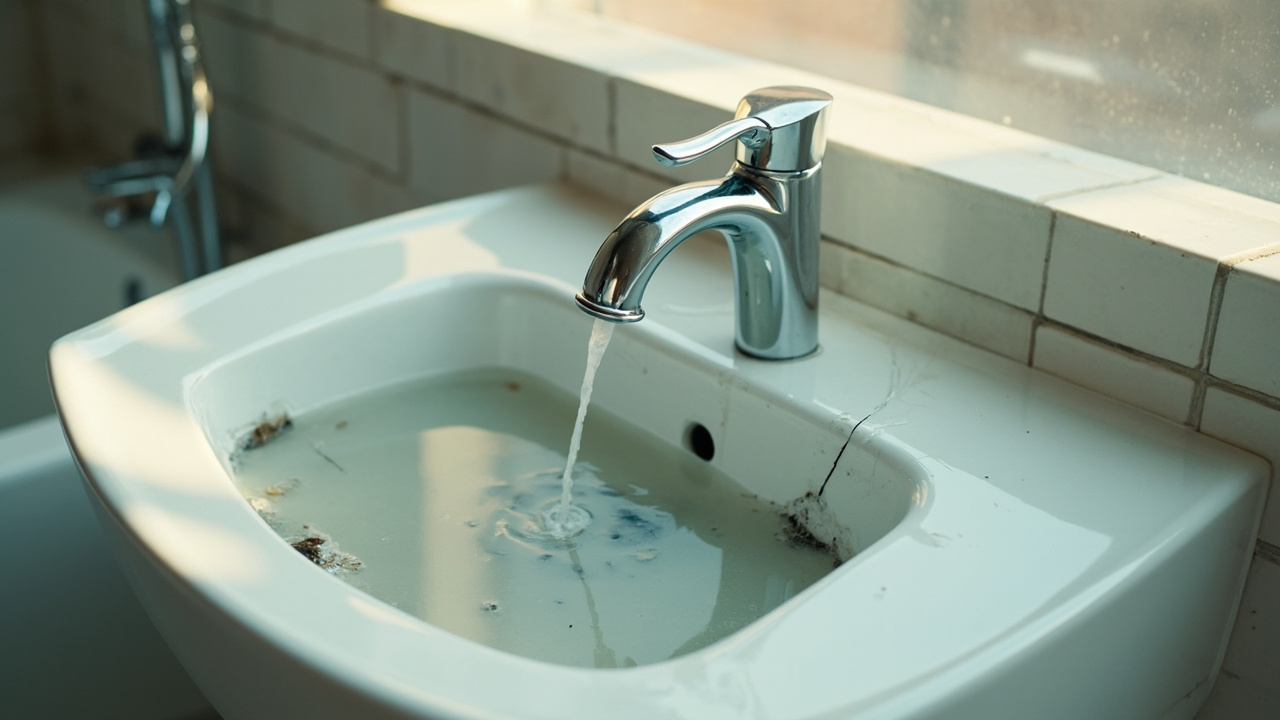
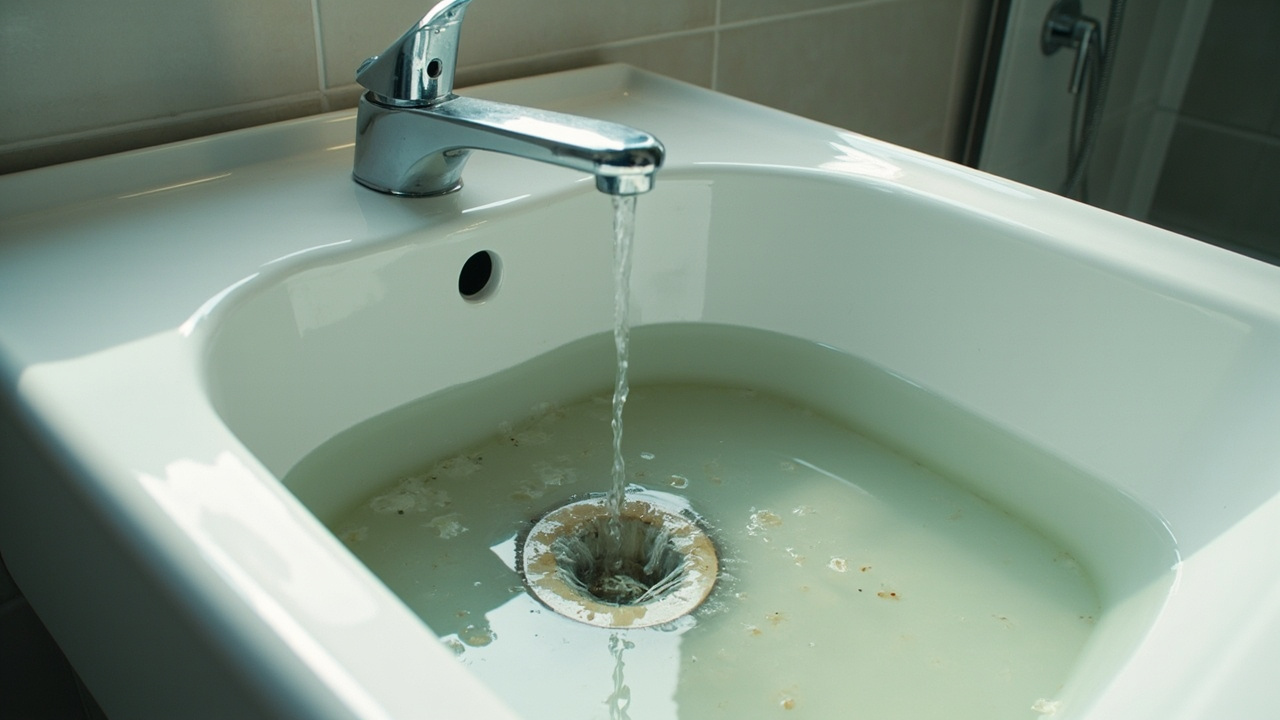
You step into the shower and watch water pool around your ankles. You wash your hands and the sink takes two minutes to empty. These are not small annoyances. They are early warnings.

Washington, D.C.'s aging building stock, combined with hard water deposits from the Potomac watershed, accelerates the buildup of mineral scale, soap scum, and organic debris inside drain lines. Homes in Georgetown, Capitol Hill, and Shaw often have cast iron or galvanized steel pipes installed decades ago. These corrode from the inside, creating rough surfaces where hair, grease, and soap adhere.

Standing water in your shower is not just frustrating. It creates a breeding ground for mold and bacteria. Sluggish sink drainage often signals a partial blockage deeper in the system. If you ignore it, you risk a complete backup that floods your bathroom or kitchen.

A clogged shower drain might seem like a DIY fix. You pour a chemical cleaner down the pipe and hope for the best. But those products corrode metal pipes, damage rubber gaskets, and rarely reach the actual blockage. Blocked bathtub drains often stem from problems in the P-trap or farther down the branch line, where chemical cleaners cannot penetrate.

Slow running drains in older D.C. row homes can also indicate bellied pipes, where settled foundations or shifting soil create low points where debris collects. You need a diagnostic approach that identifies the cause, not just the symptom.

Why Your Drains Are Slowing Down in Washington, D.C.
How We Diagnose and Clear Slow Drains the Right Way

How We Diagnose and Clear Slow Drains the Right Way

We do not guess. We do not pour chemicals and hope. We use video camera inspection to see exactly what is happening inside your drain line.

Our technicians insert a flexible fiber-optic camera through the drain opening and navigate the entire length of the pipe. This reveals whether you have a grease clog, a soap and hair mass, mineral buildup, root intrusion, or a structural defect like a belly or crack. The video feed shows us the exact location and nature of the obstruction.

Once we identify the problem, we select the right clearing method. For organic clogs, we use a drum auger or cable snake to break up and extract the blockage. For mineral scale or hardened soap scum, we deploy a hydro-jetting system that uses high-pressure water streams to scour the pipe walls clean without damaging the metal.

Hydro-jetting is especially effective in Washington, D.C. homes with older cast iron stacks. The pressurized water removes decades of buildup and restores full flow capacity. We adjust pressure based on pipe material and condition. We do not use maximum force on fragile or corroded lines.

After clearing the obstruction, we run the camera again to confirm the line is open and inspect for damage. If we find cracks, offsets, or severe corrosion, we document it and provide repair recommendations. You get a full picture of your drain health, not just a temporary fix.

This process takes longer than pouring a bottle of drain cleaner, but it solves the problem permanently and protects your plumbing system from future damage.

What Happens When You Call Us for Slow Drains

Slow Draining Sinks & Showers in Washington, D.C. – Expert Diagnosis to Stop Backups Before They Escalate
01

Initial Diagnostic Assessment

We start by asking where and when the slowdown occurs. Is it one fixture or multiple? Does it worsen over time or happen suddenly? We test each affected drain and check vent stacks for airflow. This tells us whether the issue is localized in a trap or deeper in the system. We also inspect cleanout access points to determine the best entry for camera inspection.
02

Camera Inspection and Clearing

We feed the video camera through the drain to pinpoint the exact location and type of blockage. Once identified, we select the appropriate tool. Cable augers break up soft clogs. Hydro-jetting removes grease and mineral deposits. We clear the obstruction, then run the camera again to verify full restoration of flow and document any pipe condition issues that need attention.
03

Verification and Prevention Plan

After clearing the line, we test water flow at full pressure to confirm the drain operates correctly. We explain what caused the problem and recommend preventive measures, such as enzyme treatments for grease buildup or drain screens to catch hair. If we found pipe damage, we provide a written report with repair options and timeline recommendations to prevent future failures.

Why Washington, D.C. Residents Trust Crestline Plumbing for Drain Issues

Washington, D.C. has strict plumbing codes, especially in historic districts where alterations require permits and adherence to preservation standards. Crestline Plumbing Washington DC understands these requirements. We know which drain clearing methods are safe for century-old cast iron, how to access lines in tight rowhouse basements, and when to recommend trenchless repair to avoid disturbing brick foundations or historic facades.

We also understand the water quality challenges in D.C. The Potomac River supplies most of the city's water, and while treated, it still carries minerals that contribute to scale buildup. Homes in Northwest neighborhoods like Cleveland Park and Tenleytown, which sit on higher elevations, often experience greater pressure fluctuations that can dislodge debris and create blockages. We account for these factors when diagnosing slow drains.

Our technicians carry full camera inspection equipment on every service call. We do not need to schedule a second visit to diagnose the problem. We show you the video footage so you can see the blockage or pipe condition yourself. This transparency builds trust and helps you make informed decisions about repairs.

We also respect your property. We use drop cloths, wear boot covers, and clean up completely after every job. In older D.C. homes with finished basements or hardwood floors, this attention to detail matters.

Crestline Plumbing Washington DC has built a reputation on accurate diagnosis and honest recommendations. We do not upsell unnecessary services. If your drain needs a simple augering, we tell you. If it needs a full line replacement, we explain why and provide options.

What to Expect When We Address Your Slow Drains

Response Time and Availability

We schedule most slow drain service calls within 24 hours. While slow drains are not usually emergencies, we understand the frustration and inconvenience. Our dispatch team coordinates arrival windows and confirms appointments the day before. If you experience a sudden complete backup, we offer same-day emergency service. Slow drainage can escalate quickly, especially if you have a household full of people using the same fixtures. We prioritize accordingly and communicate clearly about timing.

Diagnostic Process and Transparency

Our technician arrives with a full diagnostic toolkit, including video inspection equipment. We explain the process before we start, then show you the camera footage during the inspection. You see the blockage, the pipe condition, and the clearing process in real time. We answer your questions and explain technical findings in plain language. If we find additional issues, like cracks or root intrusion, we document them on video and provide a written report. You are never left guessing about what happened inside your walls.

Quality of the Completed Work

After clearing the drain, we test water flow at full volume to confirm complete restoration. We check for proper venting and ensure no secondary blockages remain downstream. You get immediate relief from slow drainage, and we leave the work area clean. We do not consider the job finished until water flows freely and you are satisfied with the result. Our goal is not just to clear the clog, but to restore your plumbing system to proper function.

Preventive Guidance and Follow-Up

We provide written recommendations for preventing future slow drains. This might include using drain screens, avoiding grease disposal in sinks, or scheduling periodic hydro-jetting for homes with chronic buildup. If we identified pipe damage or corrosion, we outline repair options and timelines. We follow up within a week to confirm the drain is still flowing properly. If the problem recurs within our service window, we return at no additional diagnostic charge to ensure the issue is fully resolved.

Frequently Asked Questions

You Have Questions,
We Have Answers

Why is my bathroom sink draining slowly but not clogged? +

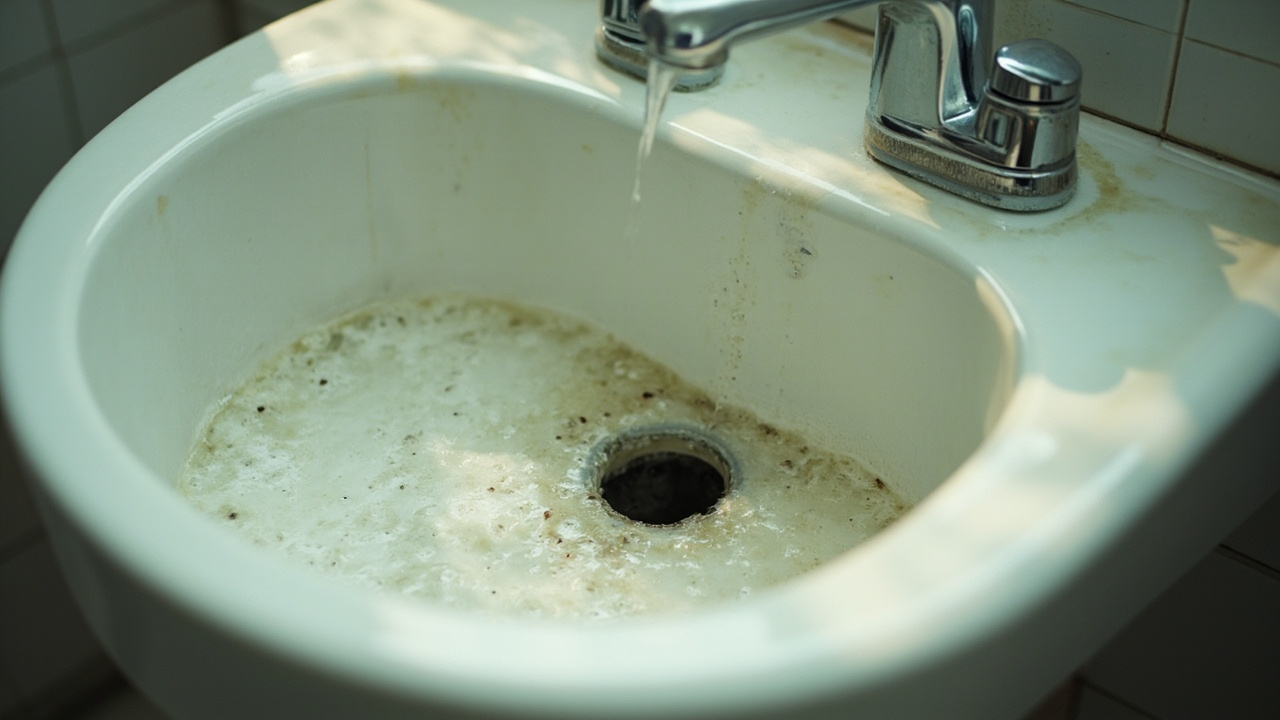
Your bathroom sink likely has a partial blockage building up inside the drainpipe or around the pop-up stopper mechanism. Hair, soap scum, and toothpaste residue accumulate on the stopper assembly and drain walls, restricting water flow without creating a full clog. In older Washington, D.C. homes with galvanized pipes, mineral buildup from hard water compounds the issue by narrowing the pipe diameter. The stopper linkage also traps debris where it connects below the sink. Remove and clean the pop-up stopper first. If the problem persists, the blockage sits deeper in the P-trap or branch line and requires professional snaking.

What do plumbers recommend for slow drains? +

Professional plumbers recommend enzymatic drain cleaners for ongoing maintenance and mechanical snaking for active clogs. Avoid chemical drain cleaners because they corrode pipes, especially in Washington, D.C. homes with older cast iron or galvanized systems common in Capitol Hill and Georgetown neighborhoods. For minor slowdowns, remove and clean the P-trap yourself. For persistent issues, hydro-jetting clears grease, soap buildup, and root intrusions without damaging pipes. Plumbers also suggest installing mesh drain covers to catch hair and food particles before they enter your plumbing system. Regular camera inspections identify developing blockages before they become emergencies, particularly valuable for properties with mature trees and aging infrastructure.

How to tell if a P-trap is clogged? +

A clogged P-trap shows specific symptoms you can identify. Water drains very slowly or stops completely. You notice gurgling sounds as air struggles past the blockage. Foul odors escape from the drain because the water seal breaks down when debris fills the trap. Look under your sink and check for water pooling around the trap connections, indicating pressure backup. In Washington, D.C. row homes with shared plumbing walls, you might hear similar drainage issues from adjacent units. The P-trap sits directly below your sink in a U-shaped curve. Place a bucket underneath, unscrew the slip nuts, and inspect for hair clumps, soap buildup, or foreign objects blocking the bend.

How to clear a sluggish bathroom sink drain? +

Start by removing the pop-up stopper and cleaning accumulated hair and soap scum from the mechanism. Pour boiling water down the drain to dissolve grease and soap residue. Use a plunger with a wet rag blocking the overflow hole to create proper suction. If water still drains slowly, remove the P-trap with a bucket underneath and clear any blockages manually. For deeper clogs, use a drain snake, feeding it through the drainpipe until you hit resistance, then rotate and pull. Avoid chemical cleaners because they damage pipes common in older Washington, D.C. homes. If these steps fail, the blockage sits in your branch line and requires professional augering.

How to tell if the main sewer line is clogged? +

Multiple drains backing up simultaneously signals a main sewer line clog. You flush the toilet and water backs up into your shower or sink. Floor drains in basements overflow with sewage during heavy rain, common in low-lying Washington, D.C. neighborhoods near Rock Creek or the Anacostia River. Toilets gurgle when you run water elsewhere in your home. You notice sewage odors in your yard or around cleanout access points. Tree roots from mature oaks and maples infiltrate clay sewer lines in older D.C. neighborhoods, causing seasonal blockages. Listen for gurgling from your lowest fixtures first. Main line issues require immediate professional camera inspection and hydro-jetting before sewage damages your property.

What's the best thing to put down the drain so it goes faster? +

Nothing works better than hot water for routine maintenance. Pour boiling water weekly to dissolve soap and grease before they solidify. Enzymatic drain cleaners use beneficial bacteria to break down organic matter without corroding pipes. Baking soda followed by vinegar creates a fizzing action that loosens light buildup. Never use chemical drain cleaners because they damage pipes and create dangerous fumes, particularly risky in Washington, D.C. row homes with limited ventilation. The best prevention involves installing mesh strainers to catch hair and debris before they enter your drains. For persistent slow drainage, mechanical snaking removes blockages without chemical damage. Prevention beats treatment every time.

How D.C.'s Old Infrastructure and Hard Water Create Persistent Drain Problems

Washington, D.C. has one of the oldest urban water systems in the country, with some residential plumbing dating back to the early 1900s. Cast iron drain lines corrode from the inside, creating rough surfaces that trap hair, soap, and mineral deposits. The Potomac River water supply carries calcium and magnesium, which precipitate out as scale when water sits in slow-moving drains. Homes in neighborhoods like Dupont Circle, Logan Circle, and Columbia Heights often experience recurring slow drains because the underlying pipe condition deteriorates faster than in newer construction. A one-time clearing provides temporary relief, but long-term solutions require understanding the role of aged infrastructure and water chemistry in blockage formation.

Crestline Plumbing Washington DC specializes in working within the constraints of D.C.'s building stock and regulatory environment. We understand the permitting requirements for historic districts, the challenges of accessing drain lines in rowhouse basements with low clearances, and the need for trenchless repair methods that preserve exterior landscaping and facades. We are familiar with D.C. Water's standards and coordinate with inspectors when code compliance work is required. Local expertise matters when diagnosing slow drains because the causes and solutions differ significantly from newer suburban construction. We know what to look for, how to access it, and how to fix it without causing additional damage.
Plumbing Services in The Washington DC Area

Our service area is conveniently located to provide fast and efficient plumbing solutions to residents and businesses throughout the Washington DC area. We are dedicated to ensuring that no matter where you are, a trusted and reliable plumber is just a call away. Our map provides a visual representation of our service coverage, helping you to quickly and easily locate our trusted team.

Address:
Crestline Plumbing Washington DC, 1140 3rd St NE, Washington, DC, 20002

Additional Services We Offer

Our news updates

Latest Articles & News from The Blogs

Living in a second floor apartment in Park View comes with unique plumbing challenges that many residents overlook until disaster…

Preventing laundry room floods in your second floor apartment in Park View

Living in a second floor apartment in Park View comes with unique plumbing challenges that many residents overlook until disaster…

Why water is pooling around your furnace in Michigan Park and how to fix it

Why water is pooling around your furnace in Michigan Park and how to fix it Water pooling around your furnace…

Why dual flush toilets are the smartest upgrade for busy households in Woodley Park

Why dual flush toilets are the smartest upgrade for busy households in Woodley Park Dual flush toilets cut household water…

Contact Us

Slow drains do not fix themselves. They get worse until you face a full backup. Call Crestline Plumbing Washington DC at (771) 223-8111 to schedule a diagnostic inspection. We will show you what is causing the problem and fix it right the first time.