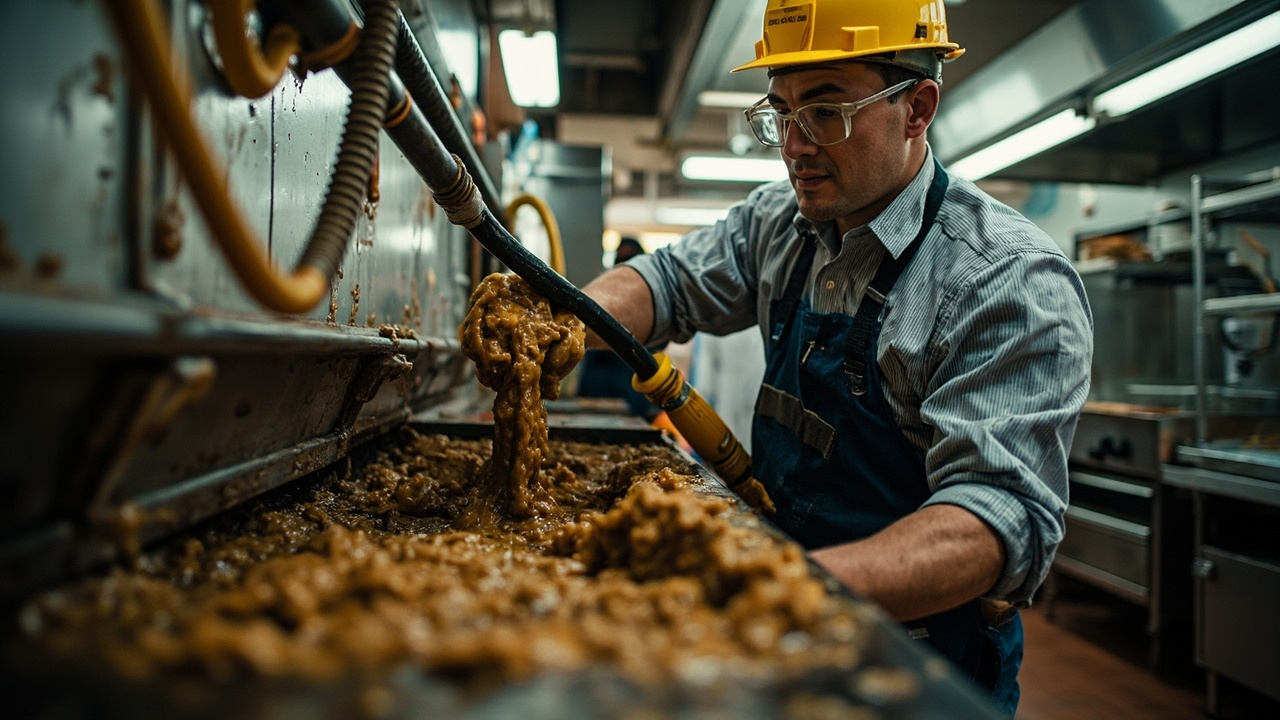
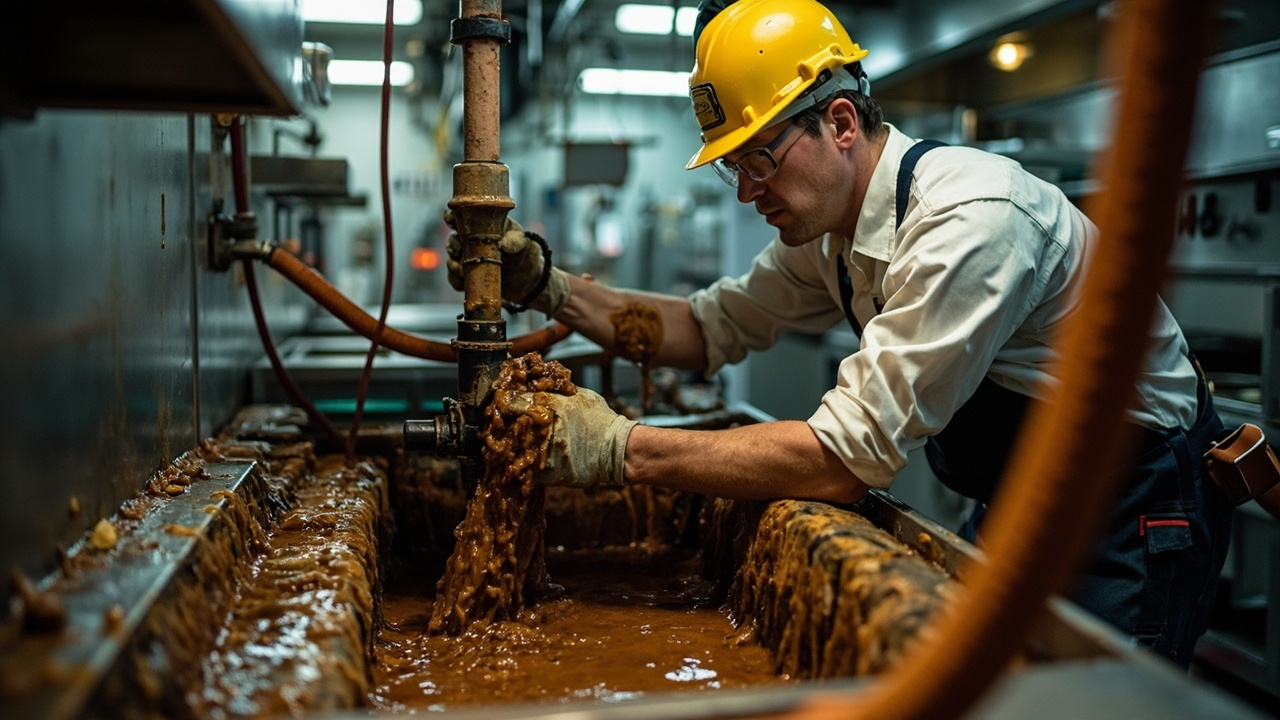
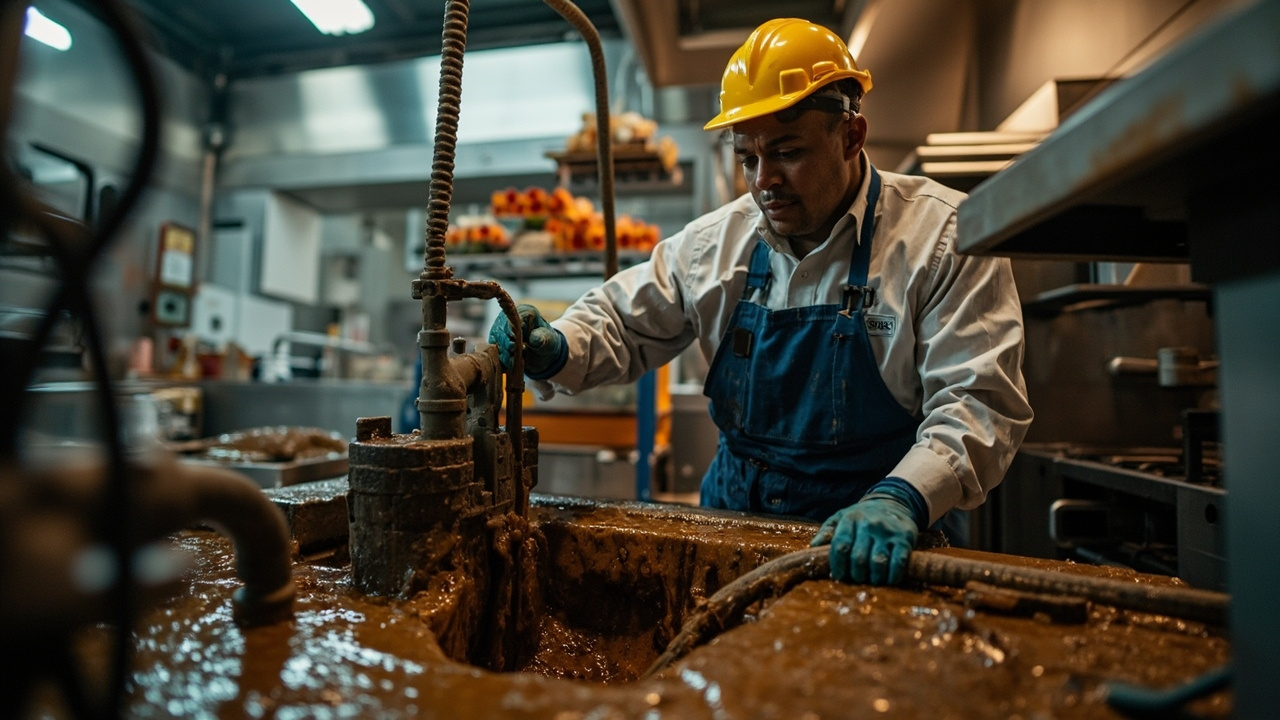
Washington, D.C. operates a combined sewer system that handles both stormwater and wastewater in the same infrastructure. During heavy rain events, this system can overflow into the Anacostia and Potomac Rivers, creating environmental hazards. Grease blockages worsen these overflows by restricting sewer capacity. That is why the District enforces aggressive grease interceptor cleaning requirements and imposes heavy fines on businesses that contribute to sewer line obstructions. Restaurants near the waterfront and in low-lying areas like Navy Yard and Southwest Waterfront face particularly strict scrutiny because their discharge flows directly into the most vulnerable parts of the system.
D.C. health inspectors are trained to spot missing or falsified maintenance records. They know the typical service intervals for different trap sizes and will ask for manifests dating back months. Working with a local provider who understands these expectations and maintains proper documentation is not optional. It is the difference between passing inspection and facing closure. Crestline Plumbing Washington DC works exclusively in the D.C. metro area and knows the regulatory landscape, inspector priorities, and documentation standards that protect your business from violations.