Menu

Faucet & Sink Repair in Washington, D.C. | Full-Spectrum Plumbing Solutions for Every Fixture in Your Home or Business

From fixing leaky faucets and kitchen sink repair to bathroom faucet repair and commercial fixture overhauls, Crestline Plumbing Washington DC handles every sink and tap issue with precision diagnostics and comprehensive repair solutions.

Slider Image 1
Slider Image 2
Slider Image 3
Slider Image 4
Slider Image 5
Slider Image 7
Slider Image 8
Slider Image 9
Slider Image 10
Slider Image 11

Why Washington, D.C. Plumbing Systems Face Constant Fixture Stress

Washington, D.C.'s aging infrastructure presents unique challenges for residential and commercial plumbing systems. Many buildings in Capitol Hill, Georgetown, and Dupont Circle were constructed before modern plumbing codes, which means outdated supply lines and corroded connection points create persistent fixture problems. The city's water supply contains moderate levels of minerals that accelerate corrosion in older brass and chrome-plated faucets, leading to leaks at the base and handle assemblies.

The freeze-thaw cycles during winter months stress exposed supply lines under sinks, particularly in older row houses with minimal insulation. When temperatures drop below freezing, water trapped in the valve body can expand and crack the cartridge housing. You notice this when spring arrives and a previously fine faucet suddenly drips constantly or sprays from the handle.

Kitchen sink repair calls spike during holiday seasons when garbage disposal misuse and grease buildup combine with heavy usage. The P-trap connections loosen from vibration, and basket strainer assemblies fail from corrosion. Bathroom faucet repair needs increase in buildings near Rock Creek Park, where higher humidity from the nearby waterway accelerates mineral buildup in aerators and valve seats.

Commercial properties face different stress patterns. High-rise office buildings downtown experience pressure fluctuations that wear out ceramic disc cartridges faster than residential systems. Restaurant sinks in Shaw and H Street Corridor handle extreme temperature swings and chemical exposure from commercial cleaning agents, which degrades seals and gaskets. Broken tap repair becomes urgent when a single fixture failure threatens business operations or causes water damage to inventory and equipment below.

Why Washington, D.C. Plumbing Systems Face Constant Fixture Stress
How Professional Fixture Diagnostics Identify the Real Problem

How Professional Fixture Diagnostics Identify the Real Problem

Many homeowners attempt DIY fixes that address symptoms but miss root causes. A dripping faucet appears simple, but the underlying issue could be worn valve seats, failed O-rings, corroded cartridges, or supply line pressure problems. We start every service call with systematic diagnostics that test water pressure at the fixture, inspect supply line condition, and evaluate the valve assembly for wear patterns.

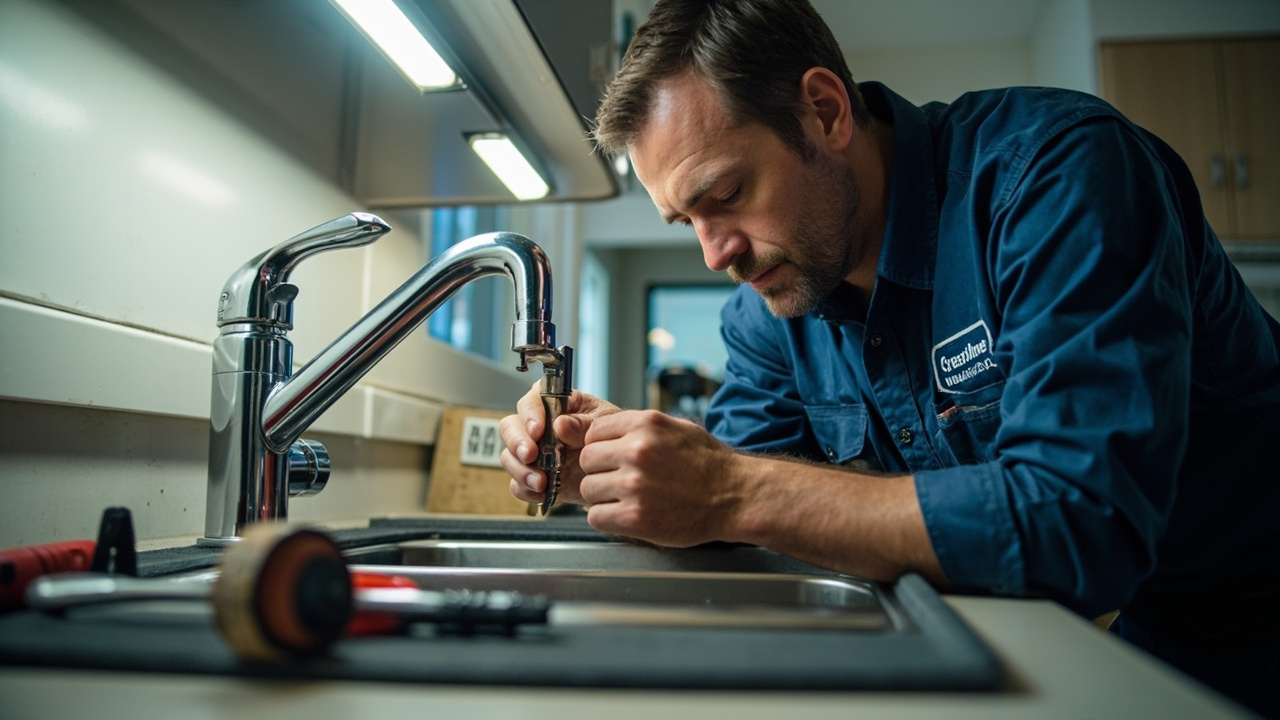
For kitchen sink repair, we check the entire drain assembly, not just the visible components. The tailpiece connection, P-trap integrity, and wall stub-out condition all factor into long-term performance. We use a basin wrench to access mounting nuts under deep sinks, which most homeowners cannot reach with standard tools. We inspect the deck plate seal and supply line connections for signs of previous leaks that may have damaged the cabinet structure below.

Bathroom faucet repair requires understanding the specific valve type. Compression faucets use rubber washers that compress against valve seats. Cartridge faucets use a movable stem with seals. Ball faucets have a rotating ball with inlet seals. Ceramic disc faucets use two ceramic plates that slide across each other. Each design fails differently and requires specific replacement parts and techniques.

We carry a complete inventory of OEM and aftermarket parts for major manufacturers like Moen, Delta, Kohler, American Standard, and Pfister. This eliminates return trips for parts and reduces your time without working fixtures. For older or discontinued models common in Washington, D.C.'s historic properties, we source specialty parts or recommend modern equivalents that maintain period-appropriate aesthetics while delivering current performance standards.

Crestline Plumbing Washington DC uses diagnostic pressure testing to identify supply line issues that contribute to fixture failure, catching problems before they escalate into emergency situations.

What Happens During Your Fixture Repair Service

Faucet & Sink Repair in Washington, D.C. | Full-Spectrum Plumbing Solutions for Every Fixture in Your Home or Business
01

Initial Assessment and Testing

We arrive with a complete diagnostic toolkit and begin by testing water pressure at the affected fixture and comparing it to other fixtures in your home or building. We inspect supply lines for corrosion, check shutoff valves for proper operation, and examine the fixture mounting for stability. We run the faucet through all operating positions to identify exactly when and where leaks occur, which tells us which internal components have failed.
02

Disassembly and Component Inspection

We shut off water at the fixture shutoff valves or main supply, then carefully disassemble the faucet or drain assembly. We inspect each component for wear, corrosion, and damage. We identify the manufacturer and model to determine correct replacement parts. For sink fixture repair involving drains, we check the basket strainer threads, P-trap connections, and tailpiece alignment. We clean mineral deposits from valve seats and aerator screens to assess whether replacement or rehabilitation makes sense.
03

Repair, Testing, and Verification

We install new components using proper torque specifications to prevent future leaks without damaging threads. We apply plumber's grease to O-rings and seals, ensuring smooth operation and extended life. We reassemble the fixture, restore water supply, and test all functions under normal operating conditions. We check for leaks at all connection points, verify proper drainage, and confirm that water temperature and flow meet your expectations before considering the job complete.

Why Washington, D.C. Properties Need Local Plumbing Expertise

Washington, D.C. operates under the 2017 District of Columbia Construction Codes, which incorporate specific plumbing provisions that differ from surrounding Maryland and Virginia jurisdictions. Properties in historic districts face additional restrictions from the Historic Preservation Review Board, which limits visible alterations to facades and requires maintaining period-appropriate fixtures in certain applications. We understand these regulations and help you navigate compliance while solving your plumbing problems.

The District's water supply comes from the Potomac River, treated by DC Water and distributed through a mix of modern and century-old supply mains. Water chemistry varies by neighborhood based on pipe material in the distribution system. Areas served by older cast iron mains see different mineral content than neighborhoods with modern ductile iron or PVC supply lines. This affects how quickly faucets and sink components corrode, making local experience valuable for predicting failure patterns and recommending appropriate materials.

Many Washington, D.C. buildings feature unusual plumbing configurations from multiple renovation cycles. A Georgetown townhouse might have Victorian-era supply lines, 1950s fixtures, and 1990s addition plumbing all connected in the same system. We encounter proprietary fixture designs from long-defunct manufacturers, custom installations by previous contractors, and code-noncompliant work that previous owners never corrected. Our experience with the District's diverse building stock means we arrive prepared for unexpected complications.

Crestline Plumbing Washington DC maintains relationships with local suppliers who stock hard-to-find parts for older fixtures common in Capitol Hill and Foggy Bottom properties. We know which supply houses carry the brass compression fittings needed for knob-and-tube era plumbing and which distributors stock modern replacements that adapt to historic connection types. This local knowledge translates directly into faster repairs and better outcomes for you.

What You Can Expect From Our Fixture Repair Service

Response Time and Scheduling Flexibility

We offer same-day service for urgent broken tap repair situations where a fixture failure threatens property damage or disrupts business operations. For non-emergency kitchen sink repair or bathroom faucet repair, we schedule appointments within 48 hours and provide two-hour arrival windows so you can plan your day. We call 30 minutes before arrival and respect your property by using floor protection and cleaning up completely before leaving. Emergency calls receive priority dispatch, with technicians typically arriving within 90 minutes for situations involving active leaks or complete fixture failure. We stock service vehicles with common repair parts to complete most jobs in a single visit.

Thorough Diagnostics Before Any Work Begins

You receive a complete explanation of what we find during inspection before we begin any repair work. We identify all problems with the fixture, supply lines, and drain assembly, then provide options for repair versus replacement based on the fixture's age, condition, and your budget. We explain the cost factors clearly and get your approval before proceeding. For complex situations involving multiple fixtures or system-wide issues, we provide written estimates that detail parts, labor, and any code compliance work required. You make informed decisions based on complete information, not pressure tactics or artificial urgency.

Quality Results That Solve the Problem Permanently

We use OEM or equivalent-quality replacement parts that match or exceed the original component specifications. We do not cut corners with off-brand cartridges or generic seals that fail prematurely. When we complete fixing leaky faucets, the repair addresses the root cause, not just the visible symptom. We test all repairs under operating conditions and verify that water pressure, temperature control, and drainage function properly. For sink fixture repair involving drain assemblies, we ensure proper venting and trap seal to prevent sewer gas entry and maintain code compliance. You get solutions that last, backed by workmanship you can trust.

Clear Communication About Maintenance and Longevity

After completing your repair, we explain how to maintain the fixture for maximum lifespan and identify early warning signs of future problems. We point out other fixtures showing wear that may need attention soon, allowing you to plan for repairs before they become emergencies. For commercial clients, we offer scheduled maintenance programs that include periodic inspection and preventive service for all fixtures, reducing unexpected failures and extending equipment life. We keep detailed service records for your property, making future visits more efficient and helping you track the performance of your plumbing systems over time.

Frequently Asked Questions

You Have Questions,
We Have Answers

How much does it cost to repair a sink faucet? +

Faucet repair costs in Washington, D.C. typically range based on the problem severity and parts needed. Simple fixes like replacing a worn washer or O-ring run lower than cartridge replacements or valve seat repairs. Labor rates in the District reflect local cost-of-living adjustments. Older homes in Capitol Hill or Georgetown may have corroded fixtures requiring extra work. Emergency calls after-hours cost more. A licensed plumber will diagnose the issue first, then provide transparent pricing. Factors include faucet type, accessibility, and whether shutoff valves work properly. Getting the repair done right prevents water waste and higher utility bills.

How do I get my faucet to stop dripping? +

A dripping faucet usually means a worn washer, O-ring, or cartridge needs replacement. Start by shutting off the water supply under the sink. Remove the handle using an Allen wrench or screwdriver, then inspect internal components. Compression faucets use rubber washers that wear out from constant friction. Cartridge and ceramic disc faucets require replacement parts specific to the manufacturer. Washington, D.C.'s hard water accelerates mineral buildup, which damages seals faster. If you lack the right tools or parts, a professional plumber can stop the drip quickly and check for underlying valve seat damage that causes recurring leaks.

How much do plumbers charge for fixing a sink? +

Plumbers in Washington, D.C. charge based on the repair complexity and time required. Basic sink repairs like clearing a P-trap or tightening connections cost less than replacing drain assemblies or fixing garbage disposal leaks. Service calls include diagnostic time and labor. Homes in older neighborhoods like Shaw or Dupont Circle may have galvanized pipes requiring extra care. Emergency service after business hours increases rates. Professional plumbers provide upfront estimates after assessing the problem. The investment prevents water damage to cabinets and flooring, which costs significantly more to remediate than the original repair.

How do I know if my faucet cartridge needs replacing? +

Signs your faucet cartridge needs replacing include inconsistent water temperature, reduced flow pressure, difficulty turning handles, or persistent dripping after handle replacement. Pull the handle and escutcheon to inspect the cartridge for cracks, mineral deposits, or worn seals. Washington, D.C.'s mineral-heavy water causes calcium buildup that degrades cartridges faster than in soft-water areas. If hot and cold water mix unexpectedly or the handle feels loose, the cartridge has likely failed. Cartridges are manufacturer-specific, so identify your faucet brand before purchasing parts. A plumber can match the correct replacement and install it properly.

How much does a handyman charge to replace a sink faucet? +

Handyman rates for faucet replacement in Washington, D.C. vary by experience level and job scope. Basic swaps on standard sinks with existing shutoff valves take less time than installations requiring new supply lines or drain fitting modifications. Verify the handyman has plumbing experience, as improper installation causes leaks and water damage. Licensed plumbers carry insurance and understand local code requirements, which matters in the District's regulated environment. Complex installations involving vessel sinks or wall-mounted faucets require professional expertise. Always confirm the rate includes cleanup and testing for leaks before the job starts.

How much does Lowe's charge to install a faucet? +

Big-box retailers like Lowe's offer installation services through third-party contractors. Pricing typically covers basic faucet swaps on standard sinks with accessible plumbing. The quote may exclude unexpected issues like corroded shutoff valves, damaged supply lines, or non-standard sink configurations common in Washington, D.C.'s historic housing stock. Contractor availability and scheduling flexibility vary. Local plumbers often provide faster service and handle complications without additional authorization delays. They also warranty their work directly. If you purchase a faucet elsewhere, confirm the installer will work with customer-supplied fixtures and understand District building standards.

What is the most common cause of a dripping faucet? +

Worn washers and O-rings cause most dripping faucets. These rubber components create watertight seals inside the faucet assembly. Constant water pressure and friction degrade them over time. Compression faucets rely heavily on washers that compress against valve seats with each use. Washington, D.C.'s hard water accelerates deterioration through mineral buildup. Sediment particles scratch seals, creating leak paths. Cartridge faucets drip when internal seals fail or ceramic discs crack. Ignoring drips wastes water and increases utility bills. The steady dripping also indicates valve seat damage may be developing, which requires professional machining or replacement.

What does spraying WD-40 in a faucet do? +

WD-40 is a penetrating lubricant, not a plumbing solution. Spraying it inside a faucet temporarily loosens mineral deposits and corrosion on moving parts, making disassembly easier during repairs. It does not fix leaks or replace worn seals. Using WD-40 on rubber components can degrade them faster. Washington, D.C.'s hard water creates stubborn calcium buildup on cartridges and valve seats. Plumbers use specific penetrating oils and proper tools for stuck parts. After removing corrosion, components need proper cleaning and new seals installed. WD-40 helps with stuck screws or frozen handles but should not contact internal rubber seals.

What is the lifespan of a faucet? +

Quality faucets last 15 to 20 years with proper maintenance. Lifespan depends on construction materials, water quality, and usage frequency. Solid brass bodies outlast plastic components. Washington, D.C.'s hard water reduces longevity through mineral buildup that corrodes internal parts. Compression faucets require more frequent repairs than ceramic disc models. Regular cleaning and prompt leak repairs extend life. Finish deterioration, handle wobbling, and persistent leaks signal replacement time. Upgrading to water-efficient models reduces utility costs. If your faucet predates 1994, newer models offer better flow restriction and performance while meeting current District water conservation standards.

Is sink repair better than replacement? +

Repair makes sense when the faucet body remains sound and only internal components have failed. Replacing washers, cartridges, or O-rings costs less than full replacement. However, if the faucet finish corrodes, the body cracks, or leaks recur after multiple repairs, replacement becomes more economical. Older homes in Washington, D.C. often have outdated fixtures with hard-to-find parts. Modern faucets offer better water efficiency, meeting District conservation requirements. Leaking faucet bases that damage countertops or sinks require immediate replacement. A plumber can assess structural integrity and help you decide based on repair costs versus replacement benefits and long-term reliability.

How Washington, D.C.'s Hard Water Accelerates Faucet and Sink Component Failure

The Potomac River water supply delivers moderate hardness levels between 90 and 150 parts per million, which places Washington, D.C. in the hard water category. This mineral content deposits calcium and magnesium scale inside faucet aerators, valve seats, and supply line connections. You see this as white crusty buildup around your faucet base or reduced water flow from clogged aerator screens. The minerals accelerate corrosion of brass and chrome-plated components, particularly where dissimilar metals connect. Buildings in Navy Yard and Capitol Riverfront neighborhoods near the Anacostia River face additional corrosion from higher humidity and seasonal flooding that affects basement plumbing. Regular fixture maintenance becomes necessary to prevent scale buildup from causing premature failure of cartridges and valve assemblies.

Washington, D.C. plumbing contractors must maintain licenses through the Department of Consumer and Regulatory Affairs and comply with the District's specific fixture installation standards. These regulations exist to protect you from substandard work and ensure that repairs meet current safety codes. Crestline Plumbing Washington DC maintains full District licensing and stays current on code changes that affect fixture installation and repair methods. Our familiarity with local inspection requirements means your repairs pass scrutiny if you sell your property or file insurance claims for water damage. We understand the nuances of working in historic districts where exterior alterations require special permits, and we know which fixtures meet current efficiency standards while maintaining appropriate aesthetics for period properties throughout the city.
Plumbing Services in The Washington DC Area

Our service area is conveniently located to provide fast and efficient plumbing solutions to residents and businesses throughout the Washington DC area. We are dedicated to ensuring that no matter where you are, a trusted and reliable plumber is just a call away. Our map provides a visual representation of our service coverage, helping you to quickly and easily locate our trusted team.

Address:
Crestline Plumbing Washington DC, 1140 3rd St NE, Washington, DC, 20002

Additional Services We Offer

Our news updates

Latest Articles & News from The Blogs

Deciding Between a Tankless or Storage Tank Water Heater for Your Growing Family in Fort Davis Choosing the right water…

Deciding Between a Tankless or Storage Tank Water Heater for Your Growing Family in Fort Davis

Deciding Between a Tankless or Storage Tank Water Heater for Your Growing Family in Fort Davis Choosing the right water…

The Challenges of Adding a Sink to Your Kitchen Island in a Brentwood Rowhome

The Challenges of Adding a Sink to Your Kitchen Island in a Brentwood Rowhome Adding a sink to your kitchen…

How to Choose Between a Vertical and Horizontal Grease Interceptor for Your Navy Yard Restaurant

How to Choose Between a Vertical and Horizontal Grease Interceptor for Your Navy Yard Restaurant Running a restaurant in Navy…

Contact Us

Call (771) 223-8111 now for same-day faucet and sink repair service throughout Washington, D.C. We diagnose the real problem, fix it right the first time, and get your plumbing back to normal fast. No hassle, no surprises, just reliable repairs by local experts.