


Fairfax sits in the heart of Washington DC's oldest neighborhoods, where Victorian and Edwardian homes mix with mid-century construction and modern renovations. This creates unique plumbing challenges most contractors don't understand. Many homes near Dupont Circle and Logan Circle still have original cast iron stacks from the 1890s, galvanized pipes that corrode from DC's mineral-rich water, and outdated fixtures that weren't designed for modern water pressure.
The clay soil throughout Fairfax expands and contracts with weather changes, putting constant stress on underground sewer lines. Winter freeze-thaw cycles crack exterior hose bibs and damage shallow supply lines. The district's strict historic preservation rules in neighborhoods like Capitol Hill and Georgetown require permits for even basic plumbing work, and many homeowners don't know which repairs need DC Water approval before starting.
Properties near Rock Creek add another layer of complexity. Higher water tables mean more basement moisture, sump pump failures, and foundation seepage. Older apartment buildings around Columbia Heights and Shaw face consistent pressure problems, shared line blockages, and outdated water heaters that can't keep up with demand. Understanding these patterns makes the difference between a quick fix and recurring problems.
We built our reputation fixing problems other plumbing contractors couldn't solve. When you call Crestline Plumbing Washington DC, you get technicians who have spent years working exclusively in DC neighborhoods. We know which streets still have century-old terracotta sewer lines, where the water mains run shallow, and which buildings require special permits before we touch a pipe.
Our trucks carry diagnostic cameras, hydro-jetting equipment, and replacement parts for fixtures you can't find at standard supply houses anymore. That means we fix most problems on the first visit instead of making you wait days for a return trip. We understand DC plumbing codes, work with the historic preservation office regularly, and maintain relationships with DC Water for fast permit turnaround when your job requires approval.
Every plumber on our team holds active DC licensing, carries liability insurance, and completes continuing education on current codes and techniques. We don't send apprentices to complex jobs. When we give you a price, that's what you pay. No hidden fees for parking, no surprise charges for weekend calls, no pressure to buy services you don't need.
We answer our phones 24 hours a day because plumbing emergencies don't wait for business hours. A real person takes your call, asks the right questions, and dispatches the closest available technician. Most emergency calls in Fairfax get same-day service, often within two hours. We show up in marked trucks, wearing company uniforms, with ID badges and the tools to stop your immediate problem fast.

Every technician carries active District of Columbia plumbing licenses and completes annual continuing education on code updates. We handle permit applications, coordinate inspections, and ensure every repair meets current DC Water standards. Your work passes inspection the first time.

We load trucks with parts for the most common Fairfax plumbing problems, from Victorian-era fixture replacements to modern tankless water heater components. This means faster repairs with fewer return visits. Most jobs get completed the same day we diagnose the problem.
You see the price before we start work. No hourly rates that climb while we troubleshoot. No hidden charges for tools, parking, or disposal. The quote we give you is what appears on your invoice. If we find additional problems, we explain them and get your approval before proceeding.
A real dispatcher answers your call any time, day or night. We don't use answering services or make you wait until morning. Emergency calls in Fairfax typically get response within two hours, even on holidays. When water is spraying or backing up, every minute counts.
Crestline Plumbing Washington DC handles every aspect of residential and commercial plumbing repair, installation, and maintenance throughout Fairfax. Our service range covers emergency repairs that can't wait, planned upgrades that improve your property, and preventive maintenance that stops problems before they start.
We organize our services around how customers need help. Some jobs require immediate response to stop active damage. Others involve planned replacements when fixtures reach end of life or you want to upgrade your home. Maintenance services keep your plumbing system running efficiently and catch small issues before they become expensive emergencies.
Every service includes the same commitment to quality workmanship, transparent pricing, and respect for your property. We explain what we find, show you options that fit your budget, and complete work that passes DC inspection requirements. Whether you need a simple faucet replacement or complete repiping of an older home, we bring the same level of expertise and care to every job.
Burst pipes, backed-up sewers, water heater failures, and gas leaks demand immediate attention. Our emergency service gets a licensed plumber to your Fairfax property fast, typically within two hours of your call. We arrive with diagnostic equipment and common replacement parts to stop the damage and restore function quickly. Emergency calls get the same transparent pricing as scheduled work, with no inflated after-hours fees. We stop the water, contain the damage, and give you a clear plan for permanent repairs.
Old plumbing systems waste water, drive up utility bills, and fail when you need them most. We replace outdated water heaters, install modern efficient fixtures, repipe homes with corroded galvanized lines, and upgrade bathroom and kitchen plumbing during renovations. Our team coordinates with DC Water for required permits, schedules inspections, and ensures new installations meet current codes. We help you choose fixtures that match your home's style while delivering better performance and lower operating costs.
Slow drains, recurring clogs, and sewer backups indicate problems deep in your drain lines. We use video camera inspection to see exactly what's blocking your pipes, then clear blockages with professional-grade equipment including cable snakes and hydro-jetting systems. Tree roots, grease buildup, and deteriorating pipes all require different solutions. We diagnose the root cause, clear the immediate blockage, and recommend permanent fixes when needed. Regular drain maintenance prevents emergency backups and extends the life of your sewer lines.
Fairfax's mix of historic and modern construction creates predictable plumbing challenges that local plumbers see repeatedly. Understanding these common issues helps you recognize problems early, before they cause serious damage or require expensive emergency repairs.
The district's aging infrastructure, strict building codes, and diverse housing stock mean plumbing problems here differ from suburban areas. Cast iron stacks corrode from the inside out. Clay sewer lines crack under soil movement. Historic fixtures lack replacement parts. Modern renovations often reveal hidden damage in walls and floors. Water pressure varies dramatically between neighborhoods, affecting fixture performance and appliance longevity.
These problems aren't unique to individual homes. They reflect patterns tied to construction era, soil conditions, and water chemistry throughout DC. Recognizing the signs early lets you schedule repairs before pipes burst or sewers back up into your home.
Homes built before 1960 typically have galvanized steel supply lines that corrode from DC's mineral-rich water. You'll notice reduced water pressure, rust-colored water, and frequent pinhole leaks. Once corrosion starts, it spreads quickly. Partial repiping delays the inevitable. Complete replacement with copper or PEX prevents recurring problems and restores full water pressure throughout your home.
Victorian and Edwardian homes near Logan Circle and Capitol Hill have original cast iron drain stacks that corrode from inside, creating rough surfaces that catch waste and cause recurring clogs. Small leaks behind walls lead to mold and structural damage before you notice. Camera inspection reveals the extent of deterioration. Replacement requires opening walls but solves chronic drainage problems permanently.
Mature trees throughout Fairfax send roots into sewer lines through tiny cracks, seeking water and nutrients. Roots create complete blockages that cause sewage backups into basements and first-floor drains. Cutting roots provides temporary relief, but they grow back within months. Pipe lining or replacement offers permanent solutions. Regular camera inspection catches root intrusion before it causes backups.
Tank water heaters last 8-12 years before internal corrosion causes leaks that flood basements and damage floors. Warning signs include rust-colored hot water, rumbling sounds, and moisture around the base. Waiting for complete failure risks extensive water damage. Proactive replacement on a schedule that works for you costs less than emergency service plus damage repairs after catastrophic tank failure.
We built our service process around what customers told us they value most. You want fast response, clear communication, and work done right the first time. You don't want surprise charges, pressure tactics, or technicians who can't explain what they're doing.
From your first call through final cleanup, we focus on solving your problem efficiently while treating your home with respect. Our technicians arrive on time, explain what they find, and give you options that fit your needs and budget. We don't upsell services you don't need, and we don't leave until you understand the work we completed.
This approach costs us efficiency in some ways. Taking time to explain problems and answer questions means we complete fewer jobs per day. But it builds trust, prevents miscommunication, and ensures you feel confident in the work we do. Here's what that looks like at each stage of service.
When you call, a real person answers and asks questions to understand your problem. We give you an honest assessment of urgency and typical arrival time. For emergencies, we dispatch immediately and stay in contact with updates. For scheduled work, we confirm arrival windows and call when we're 30 minutes out. You get the technician's name and direct number before they arrive. No automated systems, no voicemail, no waiting until next business day for callback.
Our technicians investigate the problem completely before recommending solutions. We use cameras to inspect drain lines, pressure gauges to test water flow, and thermal imaging to find hidden leaks. You see what we see. We explain what caused the problem, what it takes to fix it right, and what happens if you delay repairs. You get a flat-rate price for the complete repair before we start work. No hourly rates that climb during diagnosis.
We complete repairs using code-compliant methods and quality materials that last. Work areas get protected with drop cloths. We clean up completely, removing old fixtures and debris. Before we leave, we test the repair, show you how everything works, and answer your questions. All labor and parts carry warranty coverage. If something doesn't work right, we come back and fix it at no charge. You get documentation for your records and permit copies when required.
We keep our service process straightforward because plumbing problems are stressful enough. You need help fast, with minimum disruption to your day.
Phone (771) 223-8111 and talk to someone who can help right now. Describe what's happening and we'll assess urgency, give you an estimated arrival time, and answer immediate questions. For emergencies, we dispatch the closest available technician and text you their contact information. For scheduled work, we find a time that works with your schedule, typically within 24-48 hours for non-urgent repairs.
Our technician arrives in a marked truck with diagnostic equipment and common repair parts. We investigate the problem thoroughly, explain what we find, and give you a flat-rate price for complete repair. You see photos or camera footage of the issue. We discuss your options and answer every question. Once you approve the price, we get to work immediately. Most repairs complete the same day we diagnose them.
After completing repairs, we test everything to confirm proper function. Water flows correctly, drains clear fast, fixtures operate smoothly, and leaks stop completely. We clean the work area, remove debris, and restore your space to the condition we found it. You get documentation of work completed, warranty information, and direct contact numbers if you have questions later. Payment is due when you're satisfied with completed work.
Washington DC enforces some of the strictest plumbing codes in the region, and working within these regulations requires specific knowledge that many contractors don't have. The DC Construction Codes, based on the International Plumbing Code but modified for district requirements, govern everything from pipe materials to fixture placement and venting requirements.
All plumbing work in Fairfax requires licensed contractors with active DC permits. The Department of Consumer and Regulatory Affairs issues master plumber licenses after verifying experience, testing competency, and confirming insurance coverage. Journeyman plumbers must work under master plumber supervision. Unlicensed work voids homeowner's insurance, fails to pass inspection, and creates liability if problems occur later.
DC Water maintains authority over all connections to public water and sewer systems. Any work that touches supply lines or sewer connections requires separate DC Water permits and inspection, even for simple replacements. The permitting process takes 10-15 business days for standard work, longer for complex projects in historic districts.
Historic preservation rules add another layer of complexity in neighborhoods like Capitol Hill, Georgetown, and Dupont Circle. The Historic Preservation Review Board must approve exterior work that changes building appearance, including replacing visible plumbing fixtures, adding hose bibs, or running new vent stacks through roofs. Even interior work sometimes requires review if it affects historic features.
Material standards matter for long-term reliability. DC code prohibits polybutylene pipe and certain PVC formulations. Copper pipe must meet ASTM B88 standards. PEX tubing requires specific approval markings. Water heaters need thermal expansion tanks on closed systems. Backflow prevention devices are mandatory on irrigation systems and commercial properties. These requirements exist because substandard materials and improper installation create health hazards and property damage.
Professional plumbers stay current on code changes through continuing education requirements. The district updates regulations regularly, and work completed to old standards may not pass current inspection. This matters most during home sales, when buyers request inspection reports and lenders require code compliance before closing.
Every plumbing contractor working in DC must hold an active master plumber license issued by DCRA. Projects require building permits for most work beyond minor repairs. DC Water issues separate permits for connections to public systems. Permit fees vary by project scope, and inspections verify code compliance before work is approved. Working without proper permits creates liability and prevents legal home sales.
DC code specifies approved materials for supply lines, drain pipes, and fixtures. Copper, PEX, and CPVC meet standards for potable water. Cast iron, PVC, and ABS are approved for drain waste and vent systems. All materials must carry appropriate certification markings. Installation methods include specific requirements for pipe support, slope for drainage, and venting to prevent trap siphoning.
DCRA inspectors verify that completed work matches approved permits and meets code requirements. Rough-in inspections happen before walls close. Final inspections confirm fixture installation and system function. Work that fails inspection must be corrected and re-inspected. Approved permits become part of property records and matter during home sales. Quality contractors schedule inspections promptly and ensure work passes on the first review.
DC Water maintains system pressure between 40-80 PSI at the meter. Higher pressure requires pressure-reducing valves to protect fixtures and prevent leaks. Backflow prevention devices protect public water supply from contamination. Water heater thermal expansion tanks prevent pressure spikes in closed systems. These requirements protect both your plumbing and the public water system from damage and contamination.
Licensed plumbers from Crestline Plumbing Washington DC explain common plumbing problems in Fairfax, DC including corroded pipes, failing cast iron stacks, tree root invasions, and water heater failures. Video covers DC plumbing codes, permit requirements, diagnostic methods, and when to call for emergency plumbing service. Includes information about repair options for historic homes and buildings throughout Washington DC neighborhoods.
Crestline Plumbing Washington DC operates throughout Fairfax and surrounding Washington DC neighborhoods, with technicians who know the specific plumbing challenges in each area. Our service area extends from Capitol Hill's historic rowhouses to the modern condominiums in Navy Yard, from Georgetown's Federal-era estates to Columbia Heights' renovated apartments.
We work extensively in Dupont Circle, where Victorian mansions converted to apartments create unique plumbing challenges with shared lines, insufficient water pressure on upper floors, and original fixtures that need specialized repair. Logan Circle properties face similar issues, with many homes undergoing renovation that reveals corroded pipes and outdated drain systems behind century-old walls. Our technicians understand the permit requirements and historic preservation rules that apply to visible exterior work in these protected neighborhoods.
Shaw and U Street Corridor properties mix historic construction with modern renovations, often revealing plumbing systems that have been modified multiple times over decades. We sort through these layered installations to find permanent solutions rather than temporary patches. Adams Morgan's dense housing stock and hilly terrain create water pressure variations that affect fixture performance differently on each block. We adjust recommendations based on your specific location and elevation.
Capitol Hill extends from Lincoln Park to the Anacostia River, encompassing the largest historic district in DC. Plumbing here ranges from original Victorian installations to complete modern renovations. We work with the Historic Preservation Review Board regularly and understand which repairs require review and which fall under maintenance exemptions. Navy Yard and Southwest Waterfront properties face challenges related to proximity to the Anacostia River, including higher water tables and basement moisture issues that affect plumbing installations.
Georgetown's brick Federal-era homes and narrow streets require specialized knowledge for repiping projects, as many homes lack crawl spaces or basements for easy access to supply lines. We've repiped dozens of Georgetown properties and understand efficient routing that minimizes wall opening and structural impact. Foggy Bottom and West End properties include both historic homes and modern high-rises, each with distinct plumbing systems and maintenance requirements.
Columbia Heights, Mount Pleasant, and Petworth represent mixed construction eras where older apartment buildings sit beside new construction. We maintain relationships with property managers throughout these neighborhoods and understand the building systems common to each era. Whether you're in a Victorian rowhouse near Howard University or a modern condo development near the Metro, we've worked in your building type and understand the plumbing challenges you face.
Fairfax homes face several recurring plumbing issues. Dripping faucets waste water and increase utility bills. Clogged drains in kitchens and bathrooms result from hair, grease, and soap buildup. Running toilets waste hundreds of gallons daily. Water heater failures leave families without hot water. Leaking pipes behind walls cause water damage and mold growth. Low water pressure makes showers and washing difficult. Sewer line backups create health hazards and require immediate attention. Sump pump failures lead to basement flooding during heavy rain. These problems worsen when ignored, so address them quickly to prevent expensive damage.
Plumbing rates in Fairfax vary based on the specific work needed. Simple repairs like fixing a leaky faucet typically require less investment than complex jobs like repiping your home. Emergency calls during nights, weekends, or holidays usually command higher rates. Your location within Fairfax, the plumber's experience level, and parts needed all affect the final amount. Get written estimates from at least three local plumbers before committing. Ask about service call fees, hourly rates, and material charges. Many plumbers offer free estimates for larger projects, helping you budget accordingly.
Yes, Fairfax requires permits for most plumbing work beyond simple repairs. You need permits when installing new fixtures, replacing water heaters, rerouting pipes, or adding bathrooms. Moving gas lines or making water service line changes require permits. Simple repairs like fixing leaks or replacing faucets typically do not need permits. Licensed plumbers usually handle permit applications and inspections for you. Skipping required permits leads to fines and complications when selling your home. The permit process ensures work meets local building codes and protects your family's safety. Check with the Fairfax Department of Code Compliance for specific requirements.
Fairfax homes face several recurring plumbing issues. Dripping faucets waste water and increase utility bills. Clogged drains in kitchens and bathrooms result from hair, grease, and soap buildup. Running toilets waste hundreds of gallons daily. Water heater failures leave families without hot water. Leaking pipes behind walls cause water damage and mold growth. Low water pressure makes showers and washing difficult. Sewer line backups create health hazards and require immediate attention. Sump pump failures lead to basement flooding during heavy rain. These problems worsen when ignored, so address them quickly to prevent expensive damage.
Plumbing rates in Fairfax vary based on the specific work needed. Simple repairs like fixing a leaky faucet typically require less investment than complex jobs like repiping your home. Emergency calls during nights, weekends, or holidays usually command higher rates. Your location within Fairfax, the plumber's experience level, and parts needed all affect the final amount. Get written estimates from at least three local plumbers before committing. Ask about service call fees, hourly rates, and material charges. Many plumbers offer free estimates for larger projects, helping you budget accordingly.
Yes, Fairfax requires permits for most plumbing work beyond simple repairs. You need permits when installing new fixtures, replacing water heaters, rerouting pipes, or adding bathrooms. Moving gas lines or making water service line changes require permits. Simple repairs like fixing leaks or replacing faucets typically do not need permits. Licensed plumbers usually handle permit applications and inspections for you. Skipping required permits leads to fines and complications when selling your home. The permit process ensures work meets local building codes and protects your family's safety. Check with the Fairfax Department of Code Compliance for specific requirements.
Response times for emergency plumbing in Fairfax depend on the time of day and current demand. Many plumbers offer 24-hour emergency service and arrive within one to two hours. During severe weather or busy periods, wait times extend. Burst pipes, gas leaks, and sewage backups receive priority response. Call early to reduce wait times. Some plumbers provide same-day service for urgent but non-emergency issues. Keep contact information for multiple emergency plumbers saved in your phone. Regular business hours typically offer faster response than late night calls.
Several factors cause low water pressure in Fairfax homes. Corroded galvanized pipes narrow over time, restricting water flow. Mineral deposits build up inside pipes and fixtures, reducing pressure. Leaking pipes divert water before it reaches your faucets. Faulty pressure regulators fail to maintain proper water pressure. Water main breaks in your neighborhood temporarily reduce pressure. Clogged aerators on faucets create the illusion of low pressure. Partially closed shut-off valves limit water flow. Your home's elevation affects pressure from municipal water supplies. A plumber identifies the specific cause through pressure testing and inspection.
Start by checking the DC Department of Consumer and Regulatory Affairs website for licensed plumbers. Verify any plumber's license number before hiring them. Ask neighbors and friends for recommendations based on their experiences. Online review platforms show customer feedback and ratings. Trade associations like the Plumbing-Heating-Cooling Contractors Association maintain directories of qualified members. Request proof of current licensing when a plumber arrives at your home. Licensed plumbers complete required training and stay current on building codes. Check complaint records with the Better Business Bureau. Licensed professionals protect your home and follow proper procedures.
Act fast when pipes freeze to prevent bursting. Turn off your main water supply immediately. Open faucets to relieve pressure as ice expands. Apply heat to frozen pipes using a hairdryer, heating pad, or warm towels. Never use open flames or high-heat devices. Work from the faucet toward the frozen section. Call a plumber if you cannot locate the freeze or access the pipe. Insulate exposed pipes in crawl spaces, attics, and exterior walls. Keep cabinet doors open during extreme cold to allow warm air circulation. Let faucets drip during freezing temperatures.
Schedule professional plumbing maintenance once per year for optimal performance. Annual inspections catch small problems before they become expensive repairs. Have your water heater flushed yearly to remove sediment buildup. Inspect washing machine hoses every six months for signs of wear. Check under sinks monthly for leaks or moisture. Test your sump pump quarterly, especially before rainy seasons. Clean drain stoppers weekly to prevent clogs. Older homes with aging pipes benefit from biannual inspections. Document maintenance dates and findings for warranty purposes and future reference. Preventive care extends the life of your plumbing system.
Sulfur smell in water typically comes from bacteria in your water heater or well. Sulfate-reducing bacteria produce hydrogen sulfide gas, creating a rotten egg odor. This bacteria thrives in warm, oxygen-depleted environments like water heater tanks. Increasing your water heater temperature to 140 degrees kills these bacteria. Flushing your water heater removes accumulated sediment where bacteria grow. Well water users face this problem more often than those on municipal water. Contaminated groundwater or decaying organic matter in wells also cause sulfur odors. A plumber or water treatment specialist tests your water and recommends solutions.
Yes, many Fairfax plumbers work on both residential and commercial properties. Commercial plumbing involves larger systems, more fixtures, and different building codes. Commercial work includes restaurants, office buildings, retail stores, and industrial facilities. These projects require specialized equipment and knowledge of complex systems. Commercial plumbers handle grease traps, backflow preventers, and large-scale water heaters. They work with architects and contractors on new construction and renovations. Ask plumbers about their commercial experience before hiring. Some focus exclusively on residential work, while others specialize in commercial projects. Verify their commercial licensing and relevant experience.
Response times for emergency plumbing in Fairfax depend on the time of day and current demand. Many plumbers offer 24-hour emergency service and arrive within one to two hours. During severe weather or busy periods, wait times extend. Burst pipes, gas leaks, and sewage backups receive priority response. Call early to reduce wait times. Some plumbers provide same-day service for urgent but non-emergency issues. Keep contact information for multiple emergency plumbers saved in your phone. Regular business hours typically offer faster response than late night calls.
Several factors cause low water pressure in Fairfax homes. Corroded galvanized pipes narrow over time, restricting water flow. Mineral deposits build up inside pipes and fixtures, reducing pressure. Leaking pipes divert water before it reaches your faucets. Faulty pressure regulators fail to maintain proper water pressure. Water main breaks in your neighborhood temporarily reduce pressure. Clogged aerators on faucets create the illusion of low pressure. Partially closed shut-off valves limit water flow. Your home's elevation affects pressure from municipal water supplies. A plumber identifies the specific cause through pressure testing and inspection.
Start by checking the DC Department of Consumer and Regulatory Affairs website for licensed plumbers. Verify any plumber's license number before hiring them. Ask neighbors and friends for recommendations based on their experiences. Online review platforms show customer feedback and ratings. Trade associations like the Plumbing-Heating-Cooling Contractors Association maintain directories of qualified members. Request proof of current licensing when a plumber arrives at your home. Licensed plumbers complete required training and stay current on building codes. Check complaint records with the Better Business Bureau. Licensed professionals protect your home and follow proper procedures.
Act fast when pipes freeze to prevent bursting. Turn off your main water supply immediately. Open faucets to relieve pressure as ice expands. Apply heat to frozen pipes using a hairdryer, heating pad, or warm towels. Never use open flames or high-heat devices. Work from the faucet toward the frozen section. Call a plumber if you cannot locate the freeze or access the pipe. Insulate exposed pipes in crawl spaces, attics, and exterior walls. Keep cabinet doors open during extreme cold to allow warm air circulation. Let faucets drip during freezing temperatures.
Schedule professional plumbing maintenance once per year for optimal performance. Annual inspections catch small problems before they become expensive repairs. Have your water heater flushed yearly to remove sediment buildup. Inspect washing machine hoses every six months for signs of wear. Check under sinks monthly for leaks or moisture. Test your sump pump quarterly, especially before rainy seasons. Clean drain stoppers weekly to prevent clogs. Older homes with aging pipes benefit from biannual inspections. Document maintenance dates and findings for warranty purposes and future reference. Preventive care extends the life of your plumbing system.
Sulfur smell in water typically comes from bacteria in your water heater or well. Sulfate-reducing bacteria produce hydrogen sulfide gas, creating a rotten egg odor. This bacteria thrives in warm, oxygen-depleted environments like water heater tanks. Increasing your water heater temperature to 140 degrees kills these bacteria. Flushing your water heater removes accumulated sediment where bacteria grow. Well water users face this problem more often than those on municipal water. Contaminated groundwater or decaying organic matter in wells also cause sulfur odors. A plumber or water treatment specialist tests your water and recommends solutions.
Yes, many Fairfax plumbers work on both residential and commercial properties. Commercial plumbing involves larger systems, more fixtures, and different building codes. Commercial work includes restaurants, office buildings, retail stores, and industrial facilities. These projects require specialized equipment and knowledge of complex systems. Commercial plumbers handle grease traps, backflow preventers, and large-scale water heaters. They work with architects and contractors on new construction and renovations. Ask plumbers about their commercial experience before hiring. Some focus exclusively on residential work, while others specialize in commercial projects. Verify their commercial licensing and relevant experience.
Our service area is conveniently located to provide fast and efficient plumbing solutions to residents and businesses throughout the Washington DC area. We are dedicated to ensuring that no matter where you are, a trusted and reliable plumber is just a call away. Our map provides a visual representation of our service coverage, helping you to quickly and easily locate our trusted team.
Address:
Fairfax, DC, 20020
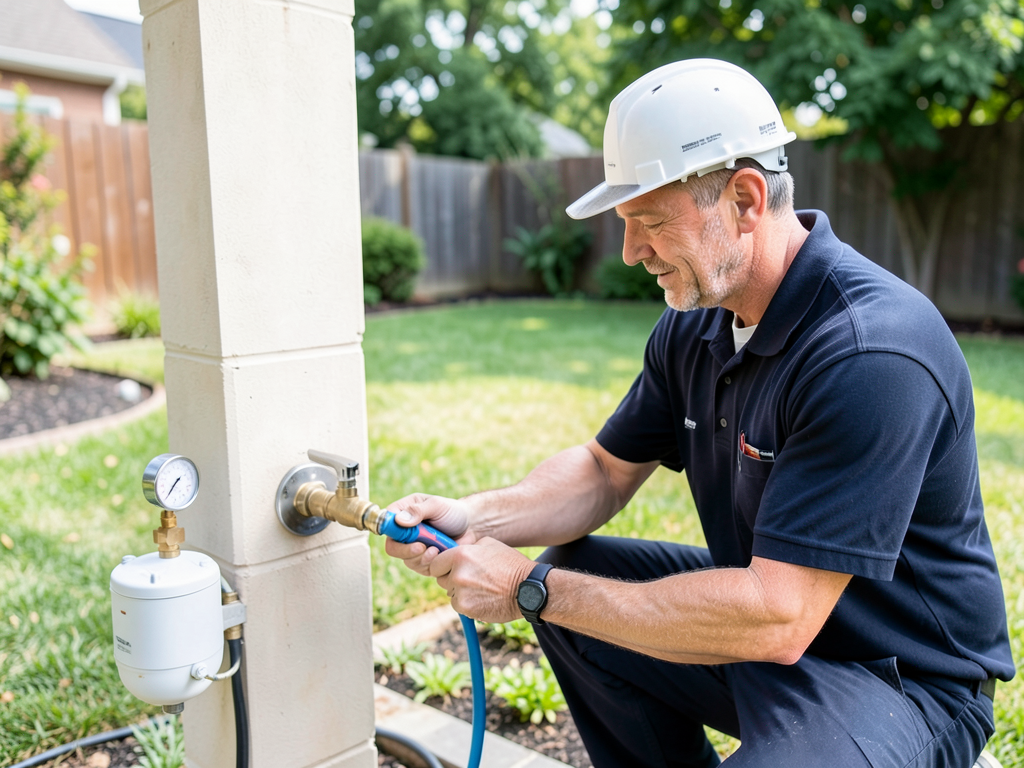
Everything you need to know about installing an outdoor shower in your Palisades backyard Installing an outdoor shower in your Palisades backyard requires careful planning around DC's unique climate, plumbing codes, and property layouts. The…
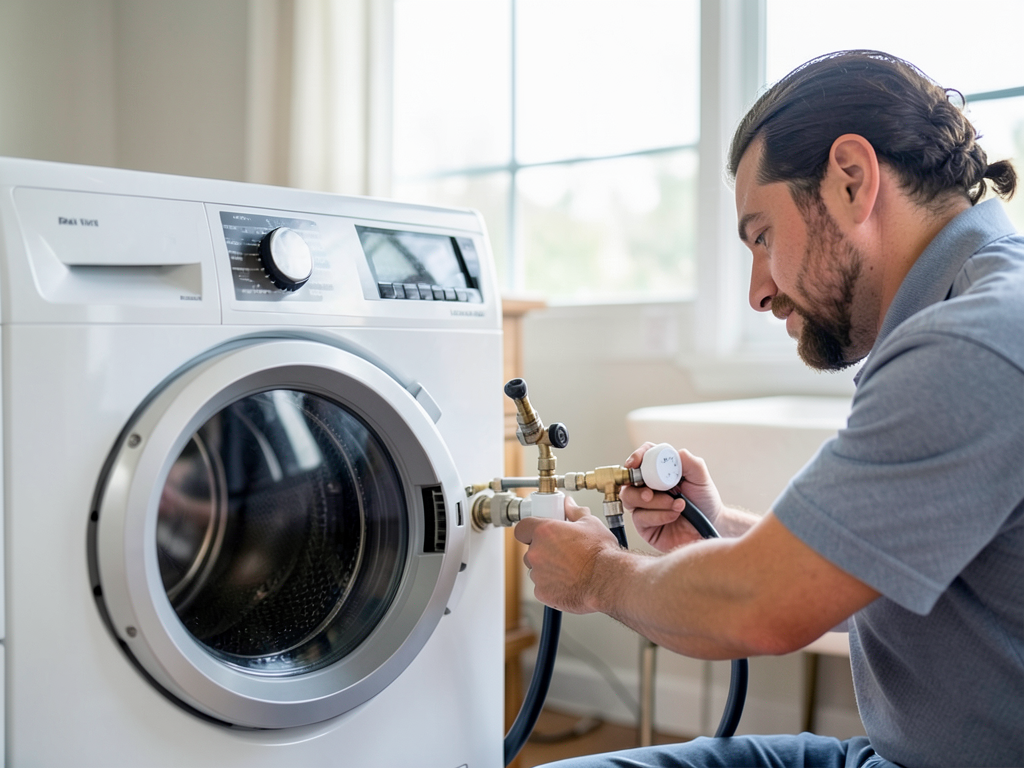
Living in a second floor apartment in Park View comes with unique plumbing challenges that…
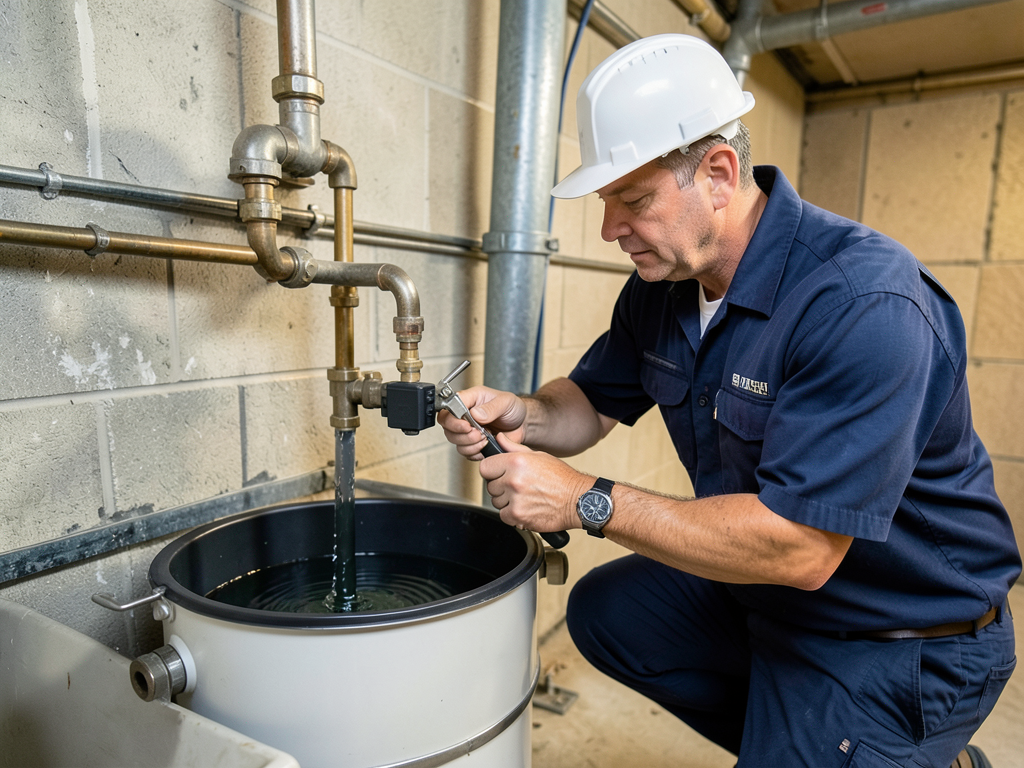
Why water is pooling around your furnace in Michigan Park and how to fix it…
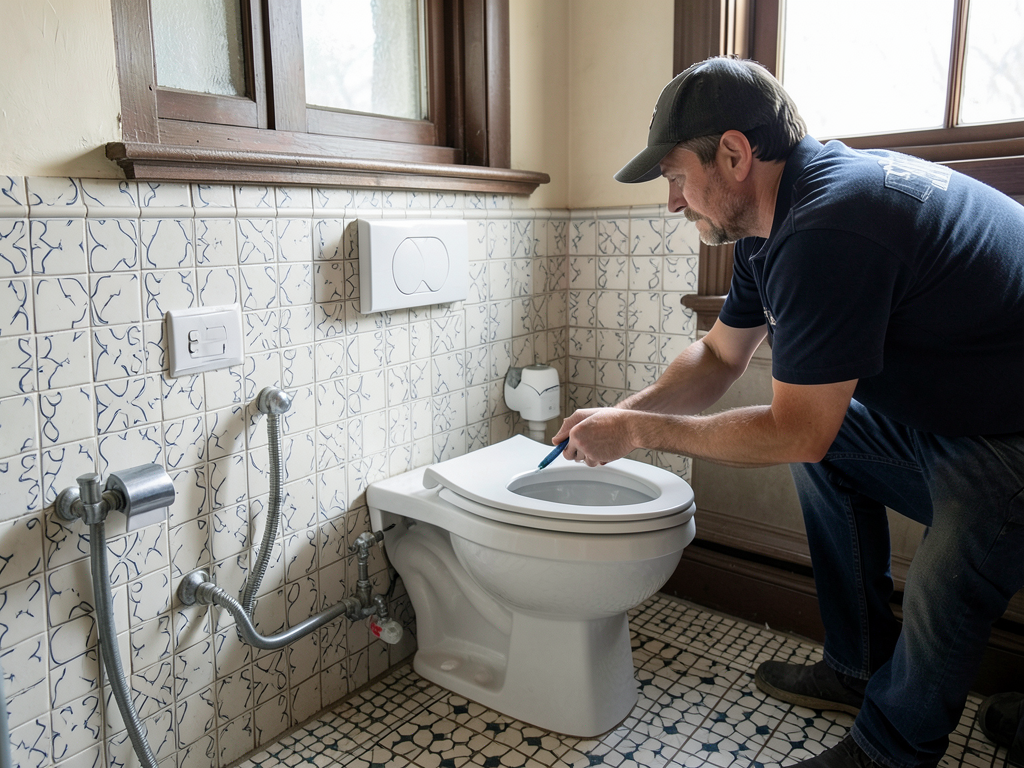
Why dual flush toilets are the smartest upgrade for busy households in Woodley Park Dual…
Don't let plumbing problems get worse. Call (771) 223-8111 right now and talk to a licensed plumber who can help. We answer 24 hours a day, dispatch technicians fast, and give you transparent pricing before work begins. Most Fairfax calls get same-day service.