
Why Your Sinks Gurgle When You Flush the Toilet in Your Judiciary Square Loft
That gurgling sound from your kitchen sink every time you flush the toilet is more than just an annoyance. It’s your home’s plumbing system sending an urgent distress signal. In the dense urban environment of Judiciary Square, where historic Federal-style row buildings and modern lofts share aging infrastructure, this symptom often points to a blocked vent stack—a problem that can escalate quickly into health hazards and costly water damage. Common Plumbing Problems in Historic Capitol Hill Rowhouses (and How We Fix Them).
When your plumbing system works correctly, the vent stack on your roof allows fresh air to enter the drain-waste-vent (DWV) system, maintaining proper atmospheric pressure. This pressure balance prevents sewer gases from backing up into your living space and ensures wastewater flows smoothly. But when that vent is obstructed by debris, ice, or animal nests—common issues in DC’s mature urban canopy—the system loses its pressure equilibrium. The result? That unmistakable gurgle as water struggles to drain against negative pressure, and worse, the potential for toxic sewer gases to seep into your Judiciary Square loft. Emergency Water Shut-Off Service.
The DC Department of Buildings (DOB) enforces strict plumbing code requirements under DCMR 12-F, mandating proper vent stack installation and maintenance. In historic Judiciary Square, many buildings predate modern vent requirements, making them particularly vulnerable to these failures. Don’t wait for the problem to worsen—call (771) 223-8111 today for a professional vent inspection before sewer gas exposure becomes a serious health risk. EPA information on sewer gas hazards.
How Your Plumbing Vent System Works in DC’s Urban Environment
Your home’s DWV system relies on a delicate balance of air pressure to function properly. The vent stack, typically a 2-4 inch pipe extending through your roof, serves as the system’s respiratory system. It allows air to enter the drainage pipes, preventing the creation of vacuum pressure that would otherwise slow or stop wastewater flow.
In Judiciary Square’s dense urban setting, vent stacks face unique challenges. The area’s mature tree canopy—home to numerous bird species and squirrels—frequently drops debris into roof vents. During DC’s harsh winters, ice and snow accumulation can completely block these critical airways. Even the area’s architectural diversity, from historic row houses to converted loft spaces, means vent configurations vary widely, each with specific vulnerabilities.. Read more about The Challenges of Adding a Sink to Your Kitchen Island in a Brentwood Rowhome.
According to the International Plumbing Code (IPC) Section 903, every plumbing fixture requires proper venting to prevent trap siphonage. In DC, this requirement is enforced through local amendments that account for the city’s unique building stock and climate conditions. When these systems fail, the gurgling you hear is actually air being pulled through your sink’s P-trap—the curved pipe designed to hold water and block sewer gases from entering your home. International Plumbing Code Section 903.
5 Critical Warning Signs Your Plumbing Vent Needs Immediate Attention
Recognizing the early warning signs of vent problems can save you from expensive repairs and health hazards. Here are the five most common symptoms DC homeowners experience:
- Gurgling Drains – That distinctive bubbling sound occurs when negative pressure in your drain system pulls air through the P-trap instead of allowing it to enter through the vent stack. In Judiciary Square lofts, this often happens during simultaneous fixture use.
- Slow Drainage – When vents are blocked, water struggles to flow freely through your pipes. You might notice your sink takes longer to empty or your toilet bowl refills slowly after flushing.
- Sewer Odors – The rotten egg smell of hydrogen sulfide gas indicates your P-traps may be drying out due to improper venting. This is particularly dangerous as methane and other toxic gases can accumulate in enclosed spaces.
- Empty Toilet Bowls – When you flush, instead of maintaining water level, your toilet bowl may empty completely or show abnormally low water levels, indicating severe vent blockage.
- Bubbling or Gurgling in Multiple Fixtures – If you hear these sounds from several drains simultaneously, it confirms a systemic vent problem rather than an isolated clog.
DC Water’s strict compliance standards require proper venting in all residential properties. Buildings constructed before modern vent requirements may need significant upgrades to meet current safety codes. The humid DC climate exacerbates these issues, as moisture accumulation in blocked vents can lead to mold growth and accelerated pipe corrosion.
Why DC’s Climate and Architecture Create Perfect Conditions for Vent Failure
Washington DC’s unique combination of climate, architecture, and urban density creates specific challenges for plumbing vent systems. The Mid-Atlantic region experiences dramatic temperature swings, with summer humidity often exceeding 80% and winter temperatures regularly dropping below freezing. These conditions directly impact vent stack performance.
During summer months, the combination of heat and humidity creates ideal conditions for algae and moss growth inside vent pipes. This organic material accumulates over time, gradually reducing airflow. Meanwhile, the area’s mature tree canopy—particularly prevalent in neighborhoods like Judiciary Square—drops leaves, twigs, and seeds that can easily enter roof vents.
Winter presents equally serious challenges. When temperatures plummet, any moisture inside vent pipes freezes, creating ice blockages. The freeze-thaw cycle common in DC winters causes pipes to expand and contract, potentially creating cracks that allow debris entry. Snow accumulation on flat or low-slope roofs common in converted lofts can completely bury vent stacks, cutting off air supply to the entire plumbing system.
Historic building practices in DC also contribute to vent vulnerabilities. Many pre-1950 structures were built with minimal venting, relying on the natural slope of drain pipes. Modern plumbing codes require dedicated vent stacks, but retrofitting these systems in historic buildings often involves complex modifications that can create new failure points if not executed properly. Emergency Sump Pump Failure.
The Hidden Dangers of Ignoring Plumbing Vent Problems
Beyond the annoying gurgling sounds, blocked plumbing vents pose serious health and property risks that many DC homeowners underestimate. Understanding these dangers underscores why prompt professional attention is crucial.
Sewer gas exposure represents the most immediate threat. These gases contain hydrogen sulfide, methane, ammonia, and carbon dioxide—all potentially toxic at high concentrations. Hydrogen sulfide, even at low levels, causes eye irritation, respiratory distress, and can be fatal in enclosed spaces. The EPA classifies sewer gas as a significant indoor air quality hazard, particularly in urban environments where buildings are closely spaced.
Beyond health concerns, vent problems can cause extensive property damage. When negative pressure builds in your drainage system, it can pull P-traps dry throughout your home. Once these water barriers are compromised, sewer gases freely enter living spaces. The moisture from backed-up systems also creates ideal conditions for mold growth, which can spread rapidly through HVAC systems in multi-story buildings.
Structural damage represents another hidden risk. Prolonged exposure to moisture from venting issues can compromise building materials, particularly in older DC structures with plaster walls and wooden framing. Water damage from overflowing fixtures or burst pipes caused by pressure buildup can necessitate costly repairs that far exceed the cost of preventive vent maintenance.
DC’s strict building codes mean that vent-related failures can also trigger compliance violations. Property owners may face fines or mandatory upgrades if municipal inspections reveal code violations stemming from neglected vent systems. For rental properties, these issues can create liability concerns and potential legal exposure.
Professional Diagnosis: What to Expect During a Vent Stack Inspection
When you call a licensed DC plumber to investigate gurgling sounds, they’ll perform a comprehensive diagnostic assessment using specialized tools and techniques. Understanding this process helps you know what to expect and why professional expertise matters. Who to Call When You Need an Emergency Plumber in Georgetown Right Away.
The inspection typically begins with a visual assessment of all visible plumbing components. Your plumber will check for proper P-trap installation, examine drain cleanouts, and look for signs of water damage or mold growth that might indicate vent problems. They’ll also assess your home’s overall plumbing layout to understand how fixtures connect to the main stack.
Next comes the diagnostic testing phase. Professional plumbers use smoke testing to identify leaks and blockages in vent systems. This involves introducing non-toxic smoke into the plumbing system and observing where it escapes. Smoke emerging from roof vents confirms proper function, while smoke backing up into fixtures indicates blockages.
Video camera inspection represents another crucial diagnostic tool. Modern plumbing cameras can navigate through pipes as small as 1.5 inches, allowing technicians to visually inspect vent stacks for obstructions, damage, or deterioration. This technology is particularly valuable in DC’s older buildings where cast iron or galvanized pipes may have corroded over decades.
Pressure testing helps quantify the severity of vent problems. By measuring air pressure differentials in the plumbing system, technicians can determine whether vents are functioning within acceptable parameters. This objective data helps prioritize repairs and provides documentation for insurance claims or code compliance verification.
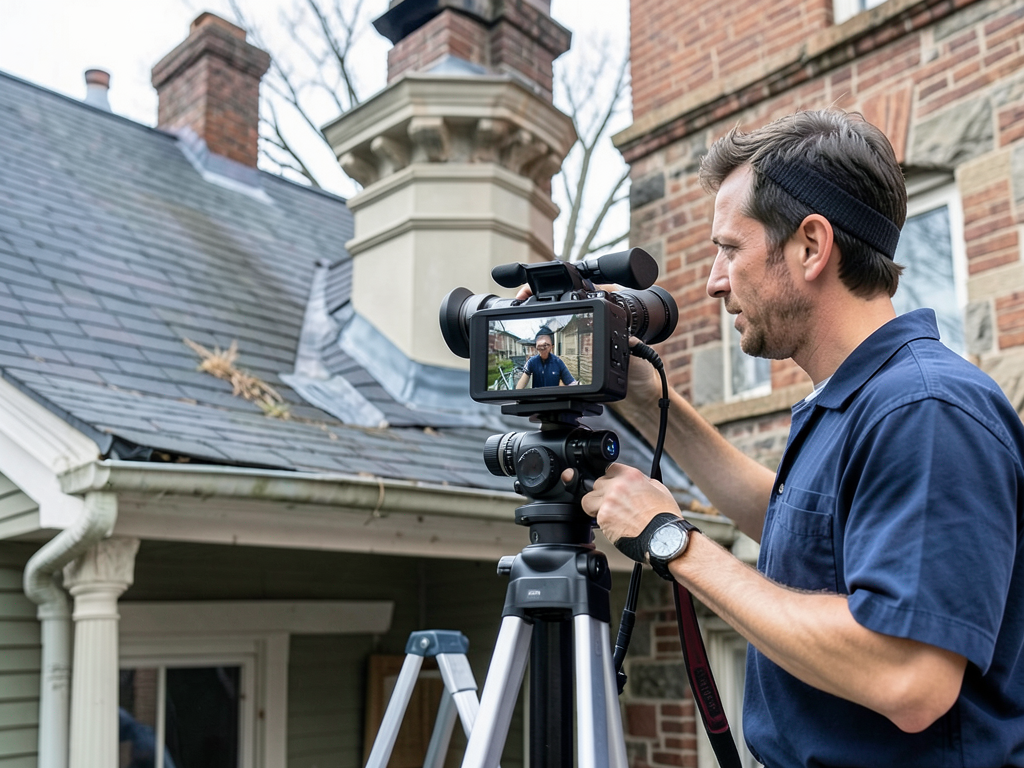
Finally, your plumber will assess roof access and vent stack condition from outside. This includes checking flashing seals around vent pipes, examining roof slope and drainage patterns, and identifying potential entry points for debris or animals. In Judiciary Square’s historic district, this assessment must also consider preservation guidelines that may restrict certain modifications.
DIY vs. Professional Repair: Understanding When Permits Are Required in DC
While some minor plumbing issues can be handled by experienced DIYers, vent stack repairs almost always require professional intervention. DC’s building codes and safety considerations make this distinction particularly important.
According to DC Municipal Regulations (DCMR) 12-F, any work that modifies the primary vent stack or involves cutting into the main plumbing system requires a permit from the Department of Buildings. This includes installing new vents, repairing damaged stacks, or making modifications that could affect the building’s overall plumbing performance. Safely Installing New Gas Lines for Your DC Kitchen Remodel.
DIY attempts at vent repair often create more problems than they solve. Without proper tools and expertise, homeowners risk damaging roof structures, creating new leak points, or inadvertently violating code requirements. The use of chemical drain cleaners to address gurgling can actually damage pipes and create hazardous conditions when combined with sewer gases.
Professional plumbers bring several advantages to vent repairs. They understand local code requirements and can obtain necessary permits quickly. They have specialized equipment for safe roof access and can identify related issues that might not be immediately apparent. Most importantly, they carry liability insurance that protects you if something goes wrong during the repair process.
In DC’s historic districts, professional expertise becomes even more critical. Many buildings in Judiciary Square are subject to preservation guidelines that restrict exterior modifications. Licensed plumbers familiar with these regulations can recommend solutions that meet both code requirements and preservation standards.
The cost difference between DIY and professional repair often diminishes when you factor in the potential for mistakes. A simple vent cleaning might cost $200-400 professionally, while a DIY attempt that damages your roof could result in thousands in water damage repairs. When sewer gas exposure is involved, the health risks make professional service the only responsible choice.. Read more about How to Choose Between a Vertical and Horizontal Grease Interceptor for Your Navy Yard Restaurant.
Prevention Strategies: Keeping Your DC Plumbing Vents Clear Year-Round
Once your vent system is functioning properly, implementing preventive measures can help avoid future problems. These strategies are particularly important in DC’s challenging urban environment.
Regular professional inspections form the foundation of vent maintenance. Annual inspections can identify developing issues before they cause system failures. During these visits, plumbers can clean debris from vent openings, check for signs of wear or damage, and verify that all connections remain secure.
Installing vent guards represents an effective preventive measure. These devices, which attach to vent openings, allow air flow while blocking debris, leaves, and animal entry. However, they must be properly sized and installed to avoid creating new pressure problems. In DC’s historic districts, any exterior modifications require approval from preservation boards.
Managing nearby vegetation helps reduce debris accumulation. While you can’t eliminate trees in urban settings, regular pruning of branches near roof vents minimizes leaf drop and prevents animals from accessing the roof. For buildings with extensive tree coverage, more frequent vent cleaning may be necessary.
Winter preparation becomes crucial in DC’s freeze-prone climate. Before cold weather arrives, have your vents inspected and cleaned to remove any accumulated debris that could trap moisture and freeze. Some homeowners install temporary vent covers during extreme cold spells, though these must be removed promptly when temperatures rise to prevent gas buildup.
Monitoring your plumbing’s performance helps catch problems early. Pay attention to changes in drainage speed, unusual sounds, or new odors. Document these observations to help your plumber diagnose issues more efficiently. In multi-story buildings common in Judiciary Square, communicate with neighbors about plumbing problems, as vent issues often affect multiple units.
Understanding your building’s plumbing history provides valuable context for maintenance. If you’ve experienced vent problems before, those areas may be prone to recurring issues. Share this information with your plumber to guide inspection priorities and preventive measures.
When to Call an Emergency Plumber: Critical Situations Requiring Immediate Attention
Some vent-related plumbing issues constitute emergencies that demand immediate professional response. Recognizing these critical situations can prevent serious damage and health hazards.
Complete loss of drainage across multiple fixtures signals a major vent blockage or system failure. When toilets won’t flush, sinks won’t drain, and you hear gurgling throughout the house, the vent system has likely failed completely. This situation can quickly escalate as backed-up water seeks alternative escape routes, potentially causing ceiling damage in multi-story buildings.. Read more about The Best Ultra-Quiet Toilets for Luxury Apartments and Condos in The Wharf.
Strong sewer gas odors, particularly if accompanied by headache, dizziness, or nausea, indicate dangerous gas accumulation. These symptoms suggest hydrogen sulfide levels may be approaching hazardous concentrations. Evacuate the affected area immediately and call for emergency service. DC’s building codes require immediate remediation of sewer gas leaks due to the explosion and toxicity risks.
Water backing up into fixtures during normal use represents another emergency scenario. If flushing your toilet causes water to rise in your shower or sink, the drainage system has lost its pressure balance. This condition can worsen rapidly, potentially causing overflow and extensive water damage.
After severe weather events, particularly the heavy storms common in DC summers, vent systems may sustain damage that creates immediate problems. High winds can damage vent stacks, while debris carried by stormwater can block roof vents. If you notice plumbing issues following storms, don’t wait for regular business hours—these problems often worsen quickly.
Commercial properties and multi-family buildings face additional urgency considerations. A vent failure in one unit can affect the entire building’s plumbing system, potentially impacting dozens of residents or creating code violations that affect business operations. Emergency response becomes critical to minimize disruption and liability.
When calling for emergency service, be prepared to describe the symptoms clearly, including when the problem started, which fixtures are affected, and any recent changes to your plumbing system. This information helps the plumber bring appropriate equipment and prioritize the most likely causes.
Modern Solutions: Air Admittance Valves and Alternative Venting Systems
Traditional vent stacks aren’t the only option for proper plumbing ventilation. Modern alternatives can provide effective solutions, particularly in challenging retrofit situations common in DC’s older buildings.
Air Admittance Valves (AAVs) offer a mechanical alternative to conventional venting. These one-way valves allow air to enter the plumbing system when negative pressure develops but prevent sewer gases from escaping. AAVs are particularly useful in bathroom additions, kitchen islands, or other situations where traditional venting would be difficult or impossible.
However, AAVs aren’t permitted everywhere. DC’s plumbing code allows their use in certain applications but restricts them in others. They typically cannot serve as the primary vent for an entire building and may not be allowed in commercial properties or multi-family buildings. A licensed DC plumber can determine whether AAVs are appropriate for your specific situation.
Studor vents represent another alternative venting solution. These mechanical devices use a sealed chamber and float mechanism to control air flow. They’re often used in renovations where adding traditional vent stacks would be prohibitively expensive or structurally impossible. Like AAVs, their use is regulated by local code requirements.
For historic properties, alternative venting can sometimes provide solutions that preserve architectural integrity. Instead of adding visible roof penetrations, internal venting systems can be designed to route through existing chase spaces or mechanical shafts. These solutions require careful engineering to ensure proper function while respecting preservation guidelines.
Combination waste and vent systems offer another approach for certain applications. These systems use oversized drain pipes that can serve both drainage and venting functions. While not suitable for all situations, they can simplify plumbing in some renovation projects and reduce the need for multiple vent penetrations.
The choice between traditional and alternative venting depends on multiple factors including building age, local code requirements, budget constraints, and preservation considerations. A qualified DC plumber can evaluate your specific situation and recommend the most appropriate solution.
Cost Considerations: What to Expect for Vent System Repairs in DC
Understanding the potential costs of vent system repairs helps you budget appropriately and avoid surprises. While every situation is unique, certain patterns emerge in DC’s market that can guide your expectations.
Basic vent cleaning represents the lower end of the cost spectrum, typically ranging from $150-300. This service involves removing debris from accessible vent openings and may include simple snaking of the vent stack. For homes in areas with heavy tree coverage like Judiciary Square, annual cleaning might be necessary to prevent problems.
More comprehensive vent inspections using video cameras and smoke testing generally cost $300-600. These diagnostic services are often rolled into repair costs if work is performed, making them a valuable investment for identifying hidden problems before they cause system failures.
Repairing damaged vent stacks can cost $500-1,500 depending on accessibility and the extent of damage. Simple repairs like replacing damaged sections of pipe or resealing flashing might be on the lower end, while addressing corrosion in older cast iron systems could exceed $1,000.
Complete vent system replacement in older buildings can range from $2,000-5,000 or more. This work often involves opening walls to access pipes, installing new vent stacks, and ensuring compliance with current building codes. In historic properties, additional costs may arise from working within preservation guidelines.
Emergency service calls typically include premium pricing, often 1.5-2 times standard rates. However, when facing sewer gas exposure or risk of water damage, this premium is usually worthwhile compared to the potential costs of delayed response.
Many homeowners’ insurance policies cover sudden vent-related damage if it results from covered perils like storms or falling trees. However, gradual deterioration from lack of maintenance is typically excluded. Check your policy details and consider whether preventive maintenance might be more cost-effective than potential insurance claims.
Payment flexibility can help manage unexpected repair costs. Many DC plumbers offer financing options for larger projects, and some accept credit cards. When requesting quotes, ask about payment terms and whether the company offers any warranties on their work.
Frequently Asked Questions
Why do my sinks gurgle only when I flush the toilet?
When you flush, the sudden rush of water creates negative pressure in the drain system. If your vent stack is blocked, this pressure can’t equalize through the roof vent, so it pulls air through other fixtures like your sink, causing the gurgling sound.
Can I clear a blocked vent stack myself?
While you might clear visible debris from the vent opening, most blockages occur deeper in the system where specialized equipment is needed. Additionally, DC building codes require permits for most vent work, and DIY attempts can create safety hazards or code violations.
How often should plumbing vents be inspected in DC?
Annual inspections are recommended for most DC homes, with more frequent checks for properties near heavy tree coverage or in areas prone to ice accumulation. Historic buildings may benefit from semi-annual inspections due to their aging infrastructure.
What does sewer gas smell like?
Sewer gas typically smells like rotten eggs due to hydrogen sulfide content. However, it often contains other compounds that can create varying odors. Any unusual smell from drains or toilets warrants professional investigation.
Are Air Admittance Valves legal in Washington DC?
AAVs are permitted in DC under certain conditions, but their use is regulated by local plumbing codes. They cannot serve as the primary vent for an entire building and may be restricted in commercial or multi-family properties. A licensed plumber can determine if they’re appropriate for your situation.
How long does vent stack repair typically take?
Simple cleaning or minor repairs can often be completed in 1-2 hours. More extensive work like replacing vent sections might take 4-8 hours. Complete system replacement in older buildings could require multiple days, particularly if walls need to be opened for access.
Will my homeowner’s insurance cover vent repairs?
Insurance typically covers sudden damage from covered perils but not gradual deterioration from lack of maintenance. Check your specific policy, and consider that preventive maintenance is often more cost-effective than making insurance claims for preventable issues.
What should I do if I smell sewer gas?
Evacuate the affected area immediately, especially if you experience headache or dizziness. Open windows if possible, avoid creating sparks or flames, and call for emergency plumbing service. Sewer gas can be toxic and potentially explosive at high concentrations.
How can I tell if my historic DC home has proper venting?
Many pre-1950 homes were built with minimal venting by modern standards. Signs of inadequate venting include frequent clogs, gurgling sounds, and sewer odors. A professional inspection using modern diagnostic tools can determine whether your system meets current code requirements.
Does vent blockage affect water pressure?
Directly, no—vent blockages don’t affect water supply pressure. However, they do affect drainage pressure, which can cause slow drains, gurgling sounds, and in severe cases, backups that might seem like pressure problems. The two systems, while related, function independently in terms of water pressure.
- Document the Symptoms
Note when gurgling occurs, which fixtures are affected, and any accompanying odors or drainage issues. This information helps diagnose the problem.
- Check for Simple Causes
Ensure all P-traps have water in them and that drain cleanouts are accessible. Sometimes simple fixes can resolve minor issues.
- Schedule Professional Inspection
Call (771) 223-8111 to arrange a comprehensive vent system inspection using video cameras and smoke testing to identify blockages or damage.
- Obtain Necessary Permits
If repairs are needed, your plumber will handle permit requirements through DC’s Department of Buildings to ensure code compliance.
- Implement Repairs Promptly
Address identified issues quickly to prevent escalation. Whether it’s cleaning, repairing, or replacing vent components, timely action prevents further damage.
- Establish Maintenance Schedule
Set up regular inspections and cleaning based on your plumber’s recommendations to prevent future problems and protect your investment.
Protect Your Home and Health: Take Action Today
Gurgling sinks might seem like a minor inconvenience, but they’re often the first warning sign of serious plumbing vent problems that can escalate quickly in DC’s challenging urban environment. From the toxic risks of sewer gas exposure to the potential for extensive water damage, these issues demand prompt professional attention.
DC’s unique combination of historic architecture, mature urban canopy, and freeze-thaw climate creates specific vulnerabilities for plumbing vent systems. Whether you live in a converted Judiciary Square loft or a historic row house, your home faces challenges that generic plumbing advice doesn’t address.
Don’t wait for a minor gurgle to become a major emergency. Professional vent inspection and maintenance not only protects your property but also ensures compliance with DC’s strict building codes and safeguards your family’s health. The cost of preventive service is always less than emergency repairs or health consequences from exposure to sewer gases.
Call (771) 223-8111 today to schedule your comprehensive vent system inspection. Our licensed DC plumbers have the expertise, equipment, and local knowledge to diagnose and resolve your plumbing vent issues quickly and correctly. We understand the unique challenges of Washington DC’s building stock and can provide solutions that work for your specific situation.
Pick up the phone and call (771) 223-8111 before the next flush turns that gurgle into a flood. Your home’s plumbing system is talking to you—make sure you’re listening and responding with the professional attention it deserves.
{
“@context”: “https://schema.org”,
“@type”: “BlogPosting”,
“headline”: “Why Your Sinks Gurgle When You Flush the Toilet in Your Judiciary Square Loft”,
“description”: “Gurgling sinks in your Judiciary Square loft signal blocked plumbing vents. Learn the risks of sewer gas, DC building code requirements, and when to call a pro plumber.”,
“wordCount”: 4006,
“datePublished”: “2026-04-09T11:55:00.000Z”,
“dateModified”: “2026-04-09T11:55:00.000Z”,
“inLanguage”: “en-US”,
“mainEntityOfPage”: {
“@type”: “WebPage”,
“@id”: “https://crestlineplumbingwashingtondc.com”
},
“publisher”: {
“@type”: “LocalBusiness”,
“name”: “Crestline Plumbing Washington DC”,
“url”: “https://crestlineplumbingwashingtondc.com”
},
“author”: {
“@type”: “Organization”,
“name”: “Crestline Plumbing Washington DC”,
“url”: “https://crestlineplumbingwashingtondc.com”
},
“image”: {
“@type”: “ImageObject”,
“url”: “https://crestlineplumbingwashingtondc.com/wp-content/uploads/2026/03/why-your-sinks-gurgle-when-you-flush-the-toilet-in-1.png”
}
}
{
“@context”: “https://schema.org”,
“@type”: “Plumber”,
“name”: “Crestline Plumbing Washington DC”,
“url”: “https://crestlineplumbingwashingtondc.com”,
“address”: {
“@type”: “PostalAddress”,
“addressLocality”: “Washington DC”
},
“areaServed”: {
“@type”: “City”,
“name”: “Washington DC”
}
}
{
“@context”: “https://schema.org”,
“@type”: “FAQPage”,
“mainEntity”: [
{
“@type”: “Question”,
“name”: “Why do my sinks gurgle only when I flush the toilet?”,
“acceptedAnswer”: {
“@type”: “Answer”,
“text”: “When you flush, the sudden rush of water creates negative pressure in the drain system. If your vent stack is blocked, this pressure can’t equalize through the roof vent, so it pulls air through other fixtures like your sink, causing the gurgling sound.”
}
},
{
“@type”: “Question”,
“name”: “Can I clear a blocked vent stack myself?”,
“acceptedAnswer”: {
“@type”: “Answer”,
“text”: “While you might clear visible debris from the vent opening, most blockages occur deeper in the system where specialized equipment is needed. Additionally, DC building codes require permits for most vent work, and DIY attempts can create safety hazards or code violations.”
}
},
{
“@type”: “Question”,
“name”: “How often should plumbing vents be inspected in DC?”,
“acceptedAnswer”: {
“@type”: “Answer”,
“text”: “Annual inspections are recommended for most DC homes, with more frequent checks for properties near heavy tree coverage or in areas prone to ice accumulation. Historic buildings may benefit from semi-annual inspections due to their aging infrastructure.”
}
},
{
“@type”: “Question”,
“name”: “What does sewer gas smell like?”,
“acceptedAnswer”: {
“@type”: “Answer”,
“text”: “Sewer gas typically smells like rotten eggs due to hydrogen sulfide content. However, it often contains other compounds that can create varying odors. Any unusual smell from drains or toilets warrants professional investigation.”
}
},
{
“@type”: “Question”,
“name”: “Are Air Admittance Valves legal in Washington DC?”,
“acceptedAnswer”: {
“@type”: “Answer”,
“text”: “AAVs are permitted in DC under certain conditions, but their use is regulated by local plumbing codes. They cannot serve as the primary vent for an entire building and may be restricted in commercial or multi-family properties. A licensed plumber can determine if they’re appropriate for your situation.”
}
},
{
“@type”: “Question”,
“name”: “How long does vent stack repair typically take?”,
“acceptedAnswer”: {
“@type”: “Answer”,
“text”: “Simple cleaning or minor repairs can often be completed in 1-2 hours. More extensive work like replacing vent sections might take 4-8 hours. Complete system replacement in older buildings could require multiple days, particularly if walls need to be opened for access.”
}
},
{
“@type”: “Question”,
“name”: “Will my homeowner’s insurance cover vent repairs?”,
“acceptedAnswer”: {
“@type”: “Answer”,
“text”: “Insurance typically covers sudden damage from covered perils but not gradual deterioration from lack of maintenance. Check your specific policy, and consider that preventive maintenance is often more cost-effective than making insurance claims for preventable issues.”
}
},
{
“@type”: “Question”,
“name”: “What should I do if I smell sewer gas?”,
“acceptedAnswer”: {
“@type”: “Answer”,
“text”: “Evacuate the affected area immediately, especially if you experience headache or dizziness. Open windows if possible, avoid creating sparks or flames, and call for emergency plumbing service. Sewer gas can be toxic and potentially explosive at high concentrations.”
}
},
{
“@type”: “Question”,
“name”: “How can I tell if my historic DC home has proper venting?”,
“acceptedAnswer”: {
“@type”: “Answer”,
“text”: “Many pre-1950 homes were built with minimal venting by modern standards. Signs of inadequate venting include frequent clogs, gurgling sounds, and sewer odors. A professional inspection using modern diagnostic tools can determine whether your system meets current code requirements.”
}
},
{
“@type”: “Question”,
“name”: “Does vent blockage affect water pressure?”,
“acceptedAnswer”: {
“@type”: “Answer”,
“text”: “Directly, no—vent blockages don’t affect water supply pressure. However, they do affect drainage pressure, which can cause slow drains, gurgling sounds, and in severe cases, backups that might seem like pressure problems. The two systems, while related, function independently in terms of water pressure.”
}
}
]
}
{
“@context”: “https://schema.org”,
“@type”: “HowTo”,
“name”: “Steps to Address Gurgling Sinks”,
“step”: [
{
“@type”: “HowToStep”,
“position”: 1,
“name”: “Document the Symptoms”,
“text”: “Note when gurgling occurs, which fixtures are affected, and any accompanying odors or drainage issues. This information helps diagnose the problem.”
},
{
“@type”: “HowToStep”,
“position”: 2,
“name”: “Check for Simple Causes”,
“text”: “Ensure all P-traps have water in them and that drain cleanouts are accessible. Sometimes simple fixes can resolve minor issues.”
},
{
“@type”: “HowToStep”,
“position”: 3,
“name”: “Schedule Professional Inspection”,
“text”: “Call (771) 223-8111 to arrange a comprehensive vent system inspection using video cameras and smoke testing to identify blockages or damage.”
},
{
“@type”: “HowToStep”,
“position”: 4,
“name”: “Obtain Necessary Permits”,
“text”: “If repairs are needed, your plumber will handle permit requirements through DC’s Department of Buildings to ensure code compliance.”
},
{
“@type”: “HowToStep”,
“position”: 5,
“name”: “Implement Repairs Promptly”,
“text”: “Address identified issues quickly to prevent escalation. Whether it’s cleaning, repairing, or replacing vent components, timely action prevents further damage.”
},
{
“@type”: “HowToStep”,
“position”: 6,
“name”: “Establish Maintenance Schedule”,
“text”: “Set up regular inspections and cleaning based on your plumber’s recommendations to prevent future problems and protect your investment.”
}
],
“image”: “https://crestlineplumbingwashingtondc.com/wp-content/uploads/2026/03/why-your-sinks-gurgle-when-you-flush-the-toilet-in-1.png”
}
{
“@context”: “https://schema.org”,
“@type”: “BreadcrumbList”,
“itemListElement”: [
{
“@type”: “ListItem”,
“position”: 1,
“name”: “Home”,
“item”: “https://crestlineplumbingwashingtondc.com”
},
{
“@type”: “ListItem”,
“position”: 2,
“name”: “Blog”,
“item”: “https://crestlineplumbingwashingtondc.com/blog”
},
{
“@type”: “ListItem”,
“position”: 3,
“name”: “Why Your Sinks Gurgle When You Flush the Toilet in Your Judiciary Square Loft”
}
]
}
{
“@context”: “https://schema.org”,
“@type”: “Service”,
“serviceType”: “Plumbing”,
“provider”: {
“@type”: “LocalBusiness”,
“name”: “Crestline Plumbing Washington DC”,
“url”: “https://crestlineplumbingwashingtondc.com”
},
“areaServed”: {
“@type”: “City”,
“name”: “Washington DC”
},
“description”: “Gurgling sinks in your Judiciary Square loft signal blocked plumbing vents. Learn the risks of sewer gas, DC building code requirements, and when to call a pro plumber.”
}