
Have you ever been enjoying a nice warm shower when suddenly the water turns scalding hot or icy cold? That’s not just annoying—it’s a safety hazard. This common problem, known as the ‘toilet flush effect,’ happens when a sudden drop in cold water pressure causes your shower temperature to swing wildly. In older Washington DC homes, especially in neighborhoods like North Cleveland Park, this issue stems from outdated plumbing systems that weren’t designed to handle modern water demands. DC Water.
The good news? Understanding why this happens is the first step to fixing it. Whether you’re dealing with a simple valve problem or a more complex water heater issue, there are solutions that can restore consistent shower temperatures and protect your family from dangerous temperature swings. Emergency Water Shut-Off Service.
How Your Shower Plumbing Works (and Why It Fails)
Your shower’s temperature control depends on a delicate balance between hot and cold water pressure. When everything works correctly, the valve mixes these two water sources to deliver a steady, comfortable temperature. But when someone flushes a toilet or runs another fixture, the cold water pressure can drop suddenly, throwing off this balance.. Read more about Comparing steam shower installation costs and benefits for luxury homes in Spring Valley.
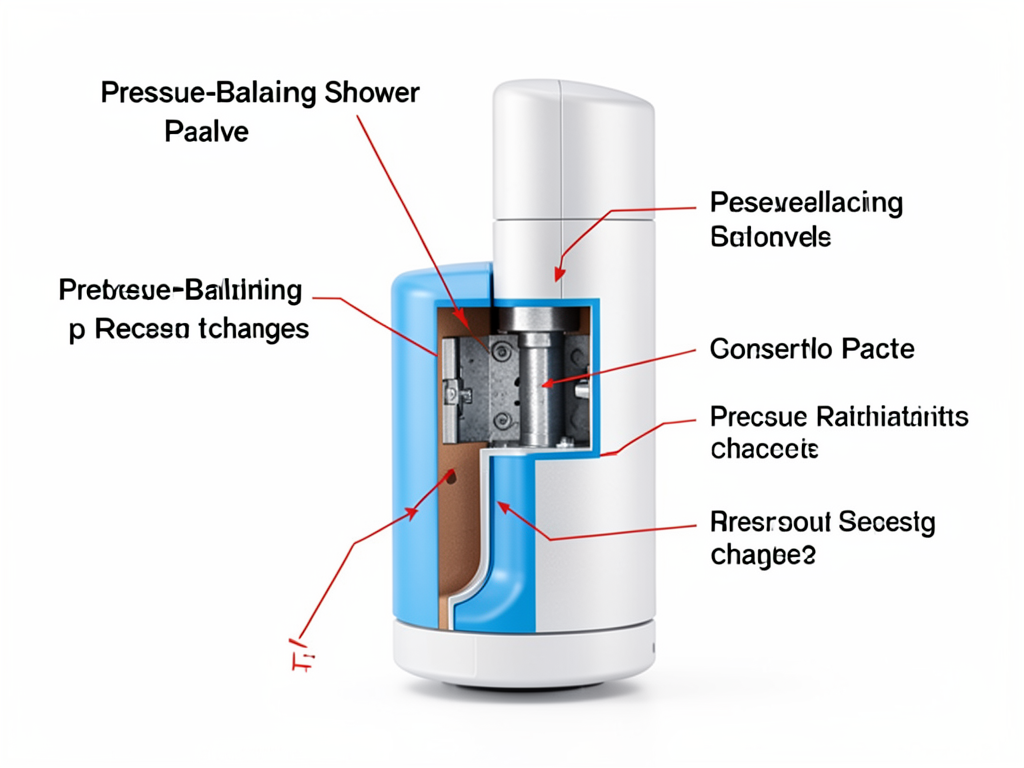
Modern pressure-balancing valves automatically compensate for these pressure changes by reducing the hot water flow when cold water pressure drops. However, many DC homes—particularly those built before the 1990s—still have older, non-balancing valves that can’t adjust to pressure changes. This leaves you vulnerable to those shocking temperature swings.
Beyond valve issues, other factors can contribute to temperature fluctuations. Sediment buildup in your water heater can reduce hot water flow. Corroded galvanized pipes common in older DC neighborhoods can restrict water flow and create pressure drops. Even the age and condition of your home’s main water supply line can play a role. Common Plumbing Problems in Historic Capitol Hill Rowhouses (and How We Fix Them).
Common Causes of Shower Temperature Swings
Understanding the root cause of your temperature problems is essential for finding the right solution. Here are the most frequent culprits we see in Washington DC homes:
Pressure-Balance Valve Failure: These valves have internal components that wear out over time. The diaphragm or spool mechanism can become stuck or corroded, preventing it from responding to pressure changes. In DC’s hard water conditions, mineral deposits can accelerate this wear.
Thermostatic Mixing Valve Malfunction: While less common in residential showers, these valves maintain temperature by sensing water heat rather than pressure. When they fail, you might experience gradual temperature drift rather than sudden swings.
Water Heater Problems: A failing dip tube can cause cold water to mix directly with hot water at the top of the tank, creating unpredictable temperatures. Sediment buildup at the bottom of the tank can also reduce heating efficiency and cause temperature inconsistencies.
Cross-Connection Issues: In some multi-unit buildings or homes with complex plumbing, water can flow between different branches of the system, causing pressure imbalances that affect shower temperature.
Main Supply Line Problems: Aging galvanized steel pipes can corrode from the inside, creating rough surfaces that restrict water flow and cause pressure drops throughout your home.
The Role of the Shower Valve: Pressure-Balance vs. Thermostatic
Choosing the right valve for your shower can make all the difference in preventing temperature fluctuations. Here’s how the two main types compare: Choosing the Best Tankless Water Heater for Your Small Washington DC Condo.
| Feature | Pressure-Balance Valve | Thermostatic Valve |
|---|---|---|
| Primary Function | Maintains pressure balance | Maintains temperature |
| Response to Pressure Changes | Automatic adjustment | No automatic adjustment |
| Temperature Accuracy | ±3-5°F | ±1-2°F |
| Scald Protection | Basic protection | Superior protection |
| Cost (DC area) | $150-300 | $250-450 |
| Installation Complexity | Moderate | High |
Pressure-balance valves are the most common solution for preventing temperature swings. They use a sliding disc or piston mechanism that responds to pressure changes in real-time. When cold water pressure drops, the mechanism automatically reduces hot water flow to maintain a consistent mix.
Thermostatic valves offer even more precise temperature control by using a temperature-sensitive element (usually wax or liquid) that expands or contracts based on water temperature. These provide superior scald protection and maintain temperature more accurately, but they’re more expensive and require more complex installation.
For most DC homeowners dealing with toilet-flush temperature swings, a pressure-balance valve replacement is the most cost-effective solution. However, if you’re remodeling or building new, a thermostatic valve might be worth the investment for its superior comfort and safety features.. Read more about Why dual flush toilets are the smartest upgrade for busy households in Woodley Park.
Water Heater Issues: Failing Dip Tubes and Sediment Buildup
Sometimes the problem isn’t in your shower valve at all—it’s in your water heater. Two common issues can cause temperature fluctuations that affect your entire home:
Dip Tube Failure: The dip tube is a long plastic pipe that directs cold water to the bottom of your water heater tank where it can be heated. When this tube deteriorates or breaks, cold water can mix with hot water at the top of the tank, creating unpredictable temperatures at your fixtures.
Signs of a failing dip tube include: white plastic particles in your faucet aerators, inconsistent hot water temperatures, and reduced hot water volume. This is particularly common in water heaters manufactured between 1993 and 1997, when a defective plastic formulation was used for dip tubes.
Sediment Buildup: Over time, minerals from DC’s hard water settle at the bottom of your water heater tank, creating an insulating layer that reduces heating efficiency. This sediment can cause hot spots that lead to premature tank failure and create temperature inconsistencies.
The DC area’s water, supplied by DC Water, typically contains 7-10 grains per gallon of hardness. This mineral content accelerates sediment accumulation, making annual water heater maintenance particularly important for local homeowners.
Diagnostic Test: A simple way to check for sediment buildup is the ‘drain valve test.’ Attach a garden hose to your water heater’s drain valve and run water into a clean bucket for about five minutes. If you see cloudy water or sediment particles, your tank needs flushing.
DC-Specific Plumbing Challenges: Historic Pipes and Water Pressure
Washington DC’s unique infrastructure creates plumbing challenges you won’t find in newer suburbs. Many North Cleveland Park homes were built between the 1920s and 1950s, featuring plumbing systems that have reached the end of their useful life. Plumbing Bowie.
Galvanized Steel Pipes: These pipes were the standard in mid-20th century construction. Over 50+ years, the inside diameter corrodes, creating rough surfaces that restrict water flow and cause pressure drops. A pipe that was 3/4″ when installed might effectively be 1/2″ or less due to internal corrosion.
Combined Sewer Systems: Some older DC neighborhoods still have combined sewer systems where stormwater and wastewater share the same pipes. During heavy rain, this can affect municipal water pressure, indirectly impacting your home’s water delivery.
Historic Preservation Guidelines: In areas like North Cleveland Park, any exterior plumbing work may require approval from the DC Historic Preservation Office, adding complexity to repairs that might be simple elsewhere.
Water Main Infrastructure: DC Water maintains over 1,800 miles of water mains, many of which are aging cast iron pipes installed in the early 20th century. Pressure surges and drops in these mains can affect individual homes, especially those at the end of supply lines.
According to DC Water’s 2024 infrastructure report, the average age of water mains in the District is 78 years, with some sections dating back to the 1890s. This aging infrastructure contributes to the pressure fluctuations that cause shower temperature swings.
DIY Troubleshooting vs. When to Call a DC Professional
Before calling a plumber, there are several checks you can perform to diagnose your shower temperature problem: Who to Call When You Need an Emergency Plumber in Georgetown Right Away.
- Check Other Fixtures:
Turn on hot water at your bathroom sink while the shower runs. If the shower temperature changes, the problem is likely in the mixing valve. If not, the issue might be with your home’s overall water pressure.
- Inspect the Shower Valve:
Remove the handle and escutcheon plate to check for mineral buildup around the valve. White, chalky deposits indicate hard water issues that may be affecting valve performance.
- Test Water Heater Temperature:
Check your water heater’s thermostat setting. It should be between 120-140°F. Higher temperatures waste energy and increase scalding risk, while lower temperatures can promote bacterial growth.
- Look for Cross-Connections:
Listen for water running in other parts of the house when you experience temperature swings. This can help identify if the issue is related to other fixtures being used simultaneously.
Red Flags That Require Professional Help:
- Water temperature changes are severe (scalding to freezing)
- You hear banging or knocking sounds in your pipes
- Multiple fixtures experience pressure problems
- You notice rusty or discolored water
- The problem started suddenly without any changes to your plumbing
According to the National Scald Prevention Campaign, water at 140°F can cause third-degree burns in just 5 seconds. If your shower temperature fluctuates wildly, you’re not just dealing with an inconvenience—you’re facing a serious safety hazard.
DC Plumbing Code Section 607.2.2 requires pressure-balancing valves in all new residential shower and tub-shower combinations to prevent scalding. If your home predates these requirements, you may be operating with substandard protection.
Cost Considerations for North Cleveland Park Homeowners
The cost of fixing shower temperature fluctuations varies widely depending on the underlying cause and your home’s specific conditions. Here’s what North Cleveland Park homeowners typically invest:
| Repair Type | Typical Cost Range (DC Area) | Lifespan | Best For |
|---|---|---|---|
| Pressure-Balance Valve Replacement | $300-600 | 8-12 years | Toilet-flush effect |
| Thermostatic Valve Installation | $450-750 | 10-15 years | Premium comfort |
| Water Heater Dip Tube Replacement | $150-250 | N/A (repair) | Age-related issues |
| Complete Shower Valve Upgrade | $600-1,200 | 15+ years | Historic home renovation |
| Full Repiping (Galvanized to PEX) | $4,000-8,000 | 40-50 years | Whole-house solution |
These costs reflect the DC metro area’s higher labor rates and the complexity of working in older homes. North Cleveland Park’s historic character often means additional time for careful work around existing finishes and potential historic preservation requirements.
Many homeowners find that addressing shower temperature issues during a bathroom remodel provides the best value, as the wall is already open and multiple problems can be solved simultaneously.
Preventing Future Temperature Fluctuations
Once you’ve solved your immediate temperature swing problem, consider these preventive measures to avoid future issues:
Annual Water Heater Maintenance: Flushing your water heater annually removes sediment buildup and extends the life of both the heater and your shower valve. In DC’s hard water conditions, this maintenance is particularly crucial.
Install a Whole-House Water Pressure Regulator: If your home experiences chronic high or fluctuating water pressure, a regulator can protect all your fixtures and reduce stress on your plumbing system.
Consider PEX Repiping: For homes with extensive galvanized piping, replacing old pipes with modern PEX can solve multiple problems at once, including temperature fluctuations, low water pressure, and the risk of burst pipes.
Upgrade to Low-Flow Fixtures: Modern low-flow toilets and showerheads reduce the severity of pressure drops when fixtures are used simultaneously, minimizing temperature swings.
Install a Thermal Expansion Tank: If your home has a closed plumbing system, thermal expansion from your water heater can cause pressure fluctuations. An expansion tank absorbs this pressure, protecting your entire system.
Frequently Asked Questions
Why does my shower get cold when someone flushes, but not when they use the sink?
Toilets use a large volume of cold water very quickly when refilling, creating a more dramatic pressure drop than a sink faucet. Sinks typically have aerators that restrict flow, reducing the pressure impact.
Can I fix this problem myself or do I need a plumber?
Simple fixes like cleaning mineral deposits from an accessible valve might be DIY-friendly, but most shower valve repairs require specialized tools and knowledge of plumbing codes. For safety and code compliance, professional installation is recommended. EPA WaterSense Program.
How long does it take to replace a shower valve?
A straightforward pressure-balance valve replacement typically takes 2-3 hours. Complex installations in older homes or those requiring wall modifications may take 4-6 hours or more.
Will a new valve really solve my temperature fluctuation problem?
In most cases, yes. If the issue is caused by an outdated or failing valve, replacement with a modern pressure-balancing model will eliminate toilet-flush temperature swings. However, if the problem stems from water heater issues or main supply line problems, additional repairs may be needed.
Are there any rebates or incentives for upgrading old plumbing fixtures?
While specific plumbing fixture rebates are rare, some DC area utilities offer incentives for water-efficient upgrades. Additionally, if you’re making accessibility modifications, certain improvements may qualify for tax deductions.
Ready to Fix Your Shower Temperature Swings?
Don’t let unpredictable shower temperatures ruin your morning routine or create safety hazards for your family. Whether you need a simple valve replacement or a comprehensive plumbing assessment, our experienced DC plumbers can diagnose and solve your temperature fluctuation problems quickly and correctly.
We understand the unique challenges of North Cleveland Park homes and have the expertise to work with historic plumbing systems while meeting modern code requirements. Our team arrives on time, respects your home, and stands behind our work with a satisfaction guarantee.
Call (771) 223-8111 today to schedule your inspection. We’ll identify the cause of your temperature swings and provide upfront pricing for the most effective solution. Your comfortable, safe shower is just one call away.
Don’t wait for the next surprise temperature shock—pick up the phone and call (771) 223-8111 before the next storm hits. Your family’s comfort and safety are worth it.
{
“@context”: “https://schema.org”,
“@type”: “BlogPosting”,
“headline”: “Why Your Shower Water Temperature Changes When Someone Flushes in Your North Cleveland Park Home”,
“description”: “Discover why your shower temperature fluctuates when the toilet flushes and learn about pressure-balancing valves, DC plumbing challenges, and when to call a professional.”,
“wordCount”: 2230,
“datePublished”: “2026-05-24T08:05:00.000Z”,
“dateModified”: “2026-05-24T08:05:00.000Z”,
“inLanguage”: “en-US”,
“mainEntityOfPage”: {
“@type”: “WebPage”,
“@id”: “https://crestlineplumbingwashingtondc.com”
},
“publisher”: {
“@type”: “LocalBusiness”,
“name”: “Crestline Plumbing Washington DC”,
“url”: “https://crestlineplumbingwashingtondc.com”
},
“author”: {
“@type”: “Organization”,
“name”: “Crestline Plumbing Washington DC”,
“url”: “https://crestlineplumbingwashingtondc.com”
},
“image”: {
“@type”: “ImageObject”,
“url”: “https://crestlineplumbingwashingtondc.com/wp-content/uploads/2026/03/why-your-shower-water-temperature-changes-when-som-1.png”
}
}
{
“@context”: “https://schema.org”,
“@type”: “Plumber”,
“name”: “Crestline Plumbing Washington DC”,
“url”: “https://crestlineplumbingwashingtondc.com”,
“address”: {
“@type”: “PostalAddress”,
“addressLocality”: “Washington DC”
},
“areaServed”: {
“@type”: “City”,
“name”: “Washington DC”
}
}
{
“@context”: “https://schema.org”,
“@type”: “FAQPage”,
“mainEntity”: [
{
“@type”: “Question”,
“name”: “Why does my shower get cold when someone flushes, but not when they use the sink?”,
“acceptedAnswer”: {
“@type”: “Answer”,
“text”: “Toilets use a large volume of cold water very quickly when refilling, creating a more dramatic pressure drop than a sink faucet. Sinks typically have aerators that restrict flow, reducing the pressure impact.”
}
},
{
“@type”: “Question”,
“name”: “Can I fix this problem myself or do I need a plumber?”,
“acceptedAnswer”: {
“@type”: “Answer”,
“text”: “Simple fixes like cleaning mineral deposits from an accessible valve might be DIY-friendly, but most shower valve repairs require specialized tools and knowledge of plumbing codes. For safety and code compliance, professional installation is recommended. EPA WaterSense Program.”
}
},
{
“@type”: “Question”,
“name”: “How long does it take to replace a shower valve?”,
“acceptedAnswer”: {
“@type”: “Answer”,
“text”: “A straightforward pressure-balance valve replacement typically takes 2-3 hours. Complex installations in older homes or those requiring wall modifications may take 4-6 hours or more.”
}
},
{
“@type”: “Question”,
“name”: “Will a new valve really solve my temperature fluctuation problem?”,
“acceptedAnswer”: {
“@type”: “Answer”,
“text”: “In most cases, yes. If the issue is caused by an outdated or failing valve, replacement with a modern pressure-balancing model will eliminate toilet-flush temperature swings. However, if the problem stems from water heater issues or main supply line problems, additional repairs may be needed.”
}
},
{
“@type”: “Question”,
“name”: “Ready to Fix Your Shower Temperature Swings?”,
“acceptedAnswer”: {
“@type”: “Answer”,
“text”: “Don’t let unpredictable shower temperatures ruin your morning routine or create safety hazards for your family. Whether you need a simple valve replacement or a comprehensive plumbing assessment, our experienced DC plumbers can diagnose and solve your temperature fluctuation problems quickly and correctly.”
}
}
]
}
{
“@context”: “https://schema.org”,
“@type”: “HowTo”,
“name”: “Shower Temperature Troubleshooting”,
“step”: [
{
“@type”: “HowToStep”,
“position”: 1,
“name”: “Check Other Fixtures:”,
“text”: “Turn on hot water at your bathroom sink while the shower runs. If the shower temperature changes, the problem is likely in the mixing valve. If not, the issue might be with your home’s overall water pressure.”
},
{
“@type”: “HowToStep”,
“position”: 2,
“name”: “Inspect the Shower Valve:”,
“text”: “Remove the handle and escutcheon plate to check for mineral buildup around the valve. White, chalky deposits indicate hard water issues that may be affecting valve performance.”
},
{
“@type”: “HowToStep”,
“position”: 3,
“name”: “Test Water Heater Temperature:”,
“text”: “Check your water heater’s thermostat setting. It should be between 120-140°F. Higher temperatures waste energy and increase scalding risk, while lower temperatures can promote bacterial growth.”
},
{
“@type”: “HowToStep”,
“position”: 4,
“name”: “Look for Cross-Connections:”,
“text”: “Listen for water running in other parts of the house when you experience temperature swings. This can help identify if the issue is related to other fixtures being used simultaneously.”
}
],
“image”: “https://crestlineplumbingwashingtondc.com/wp-content/uploads/2026/03/why-your-shower-water-temperature-changes-when-som-1.png”
}
{
“@context”: “https://schema.org”,
“@type”: “BreadcrumbList”,
“itemListElement”: [
{
“@type”: “ListItem”,
“position”: 1,
“name”: “Home”,
“item”: “https://crestlineplumbingwashingtondc.com”
},
{
“@type”: “ListItem”,
“position”: 2,
“name”: “Blog”,
“item”: “https://crestlineplumbingwashingtondc.com/blog”
},
{
“@type”: “ListItem”,
“position”: 3,
“name”: “Why Your Shower Water Temperature Changes When Someone Flushes in Your North Cleveland Park Home”
}
]
}
{
“@context”: “https://schema.org”,
“@type”: “Service”,
“serviceType”: “Plumbing”,
“provider”: {
“@type”: “LocalBusiness”,
“name”: “Crestline Plumbing Washington DC”,
“url”: “https://crestlineplumbingwashingtondc.com”
},
“areaServed”: {
“@type”: “City”,
“name”: “Washington DC”
},
“description”: “Discover why your shower temperature fluctuates when the toilet flushes and learn about pressure-balancing valves, DC plumbing challenges, and when to call a professional.”
}